Meaning
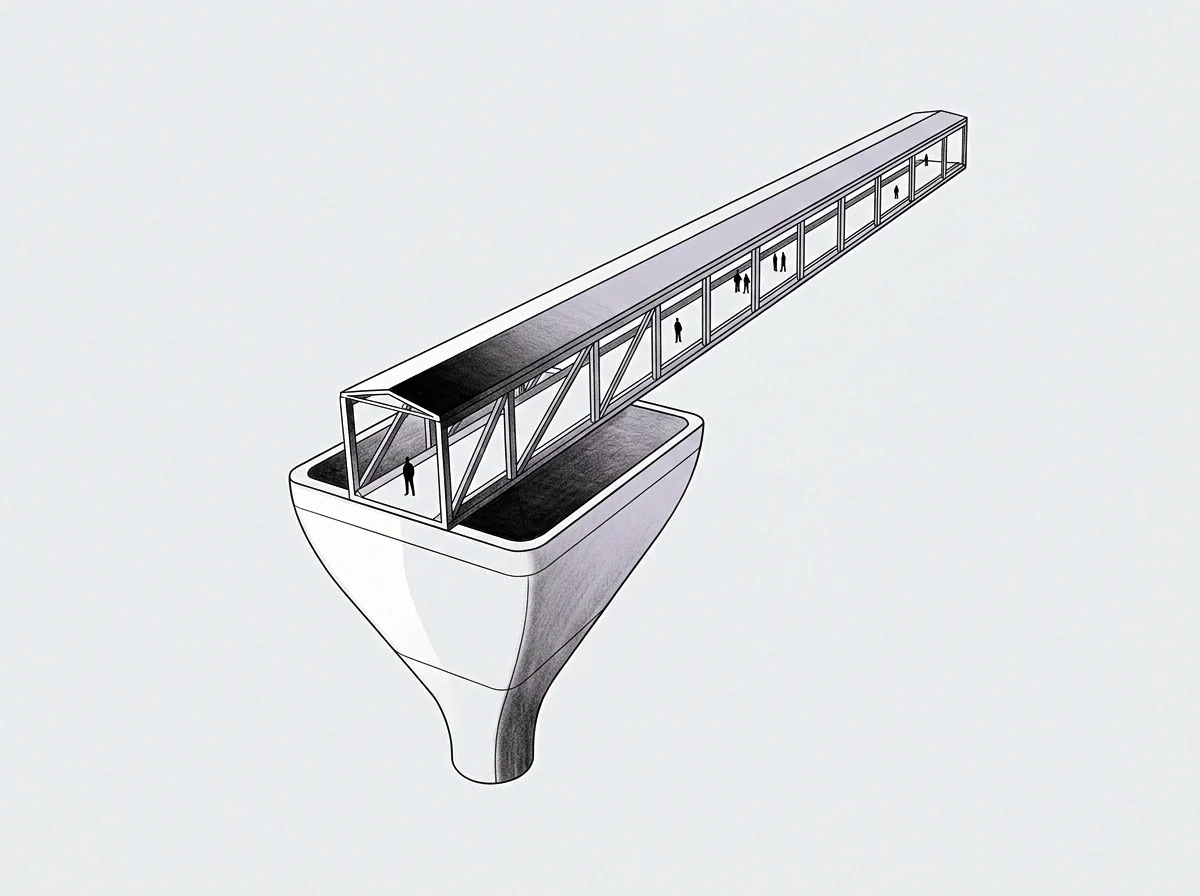
Parasympathetic inhibition acts as a physiological governor that modulates heart rate variability to support rapid executive transitions. The vagal brake operates through the tenth cranial nerve to withdraw cardiac slowing effects during states of high demand. High values indicate a system that is prepared for abrupt metabolic shifts.
Regulatory Load
Efficient internal control relies on the capacity of this neural circuit to release heart rate constraints during task initiation. A founder who sustains long periods of high arousal effectively locks this mechanism in a state of continuous withdrawal. Energy expenditure spikes when the body cannot return to a low heart rate baseline during intervals of inactivity.
Fixed neural responses prevent the cooling period required for sustained decision quality over months of operation.
Temporal Constraint
Chronological shifts in availability occur when the brain loses the ability to toggle between focused attention and resting states. Chronic stress exhausts the inhibitory influence of the nerve on the sinoatrial node. Individuals losing this capacity find themselves stuck in a state of high heart rate regardless of environmental demand.
Diminished inhibitory range predicts a drop in the cognitive efficiency necessary for complex problem solving.
Biological Cost
Constant activation of the sympathetic nervous system leads to physiological debt that accumulates through disrupted sleep cycles and heightened cortisol levels. The loss of the ability to engage this brake forces the autonomic nervous system to stay locked in a high output configuration. Neural plasticity relies on the capacity to shift back toward baseline performance after each external load.
Biological reserves eventually deplete when the mechanism remains unavailable for long intervals.