
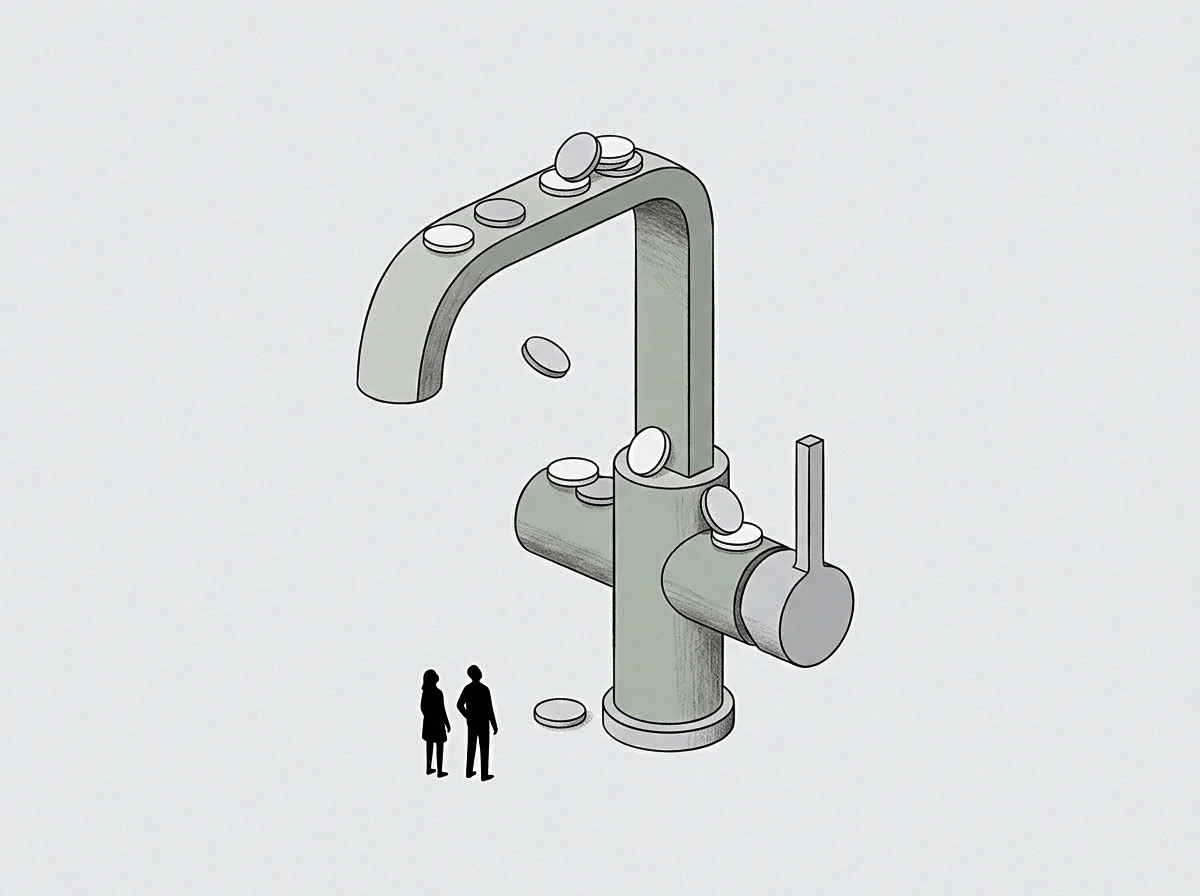
How Unilateral Founder Regulation Distorts Departmental Capital Allocations
Unilateral founder self-regulation transforms capital allocation into an emotional load management tool, funding vocal departments while starving quiet units.
Unilateral founder self-regulation transforms capital allocation into an emotional load management tool, funding vocal departments while starving quiet units.
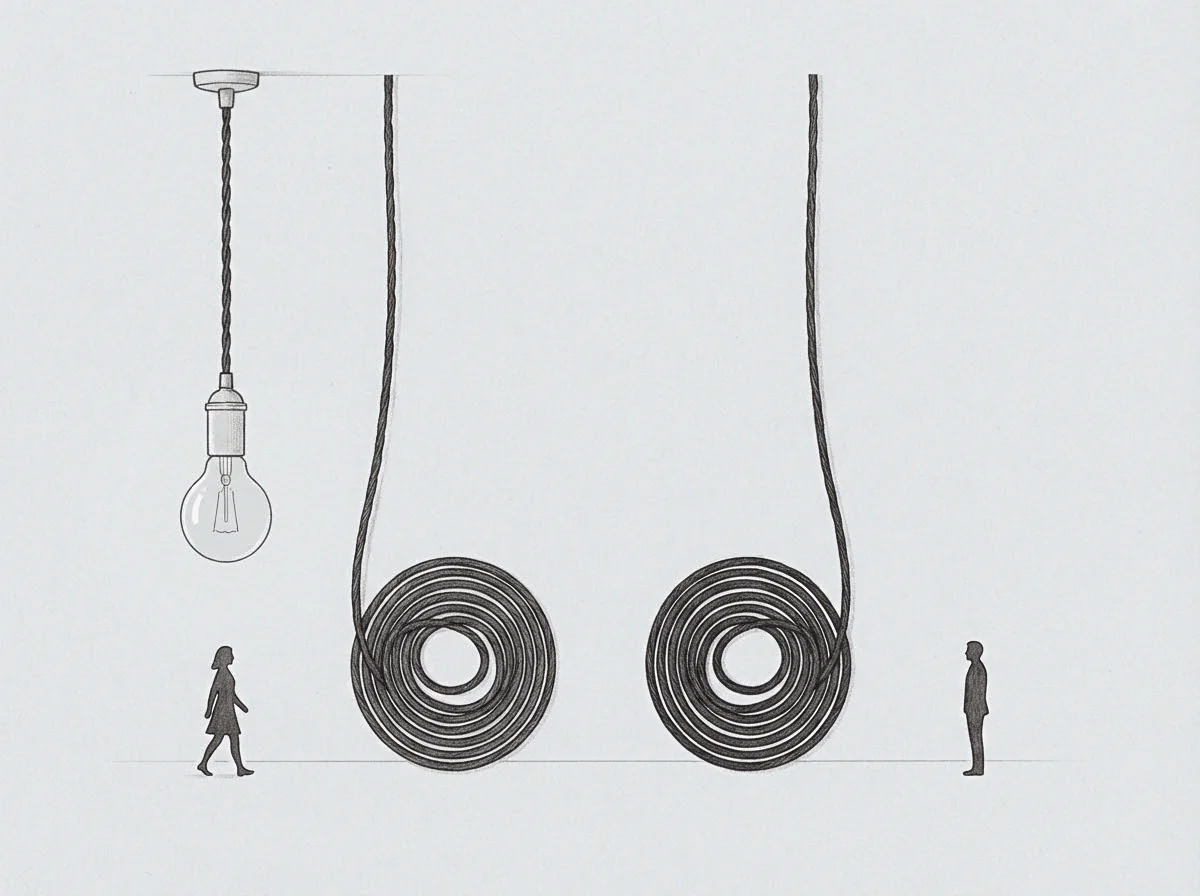
Reciprocal safety cues recalibrate threat budgets so an isolated regulator can rebuild neural receptivity for shared regulation.
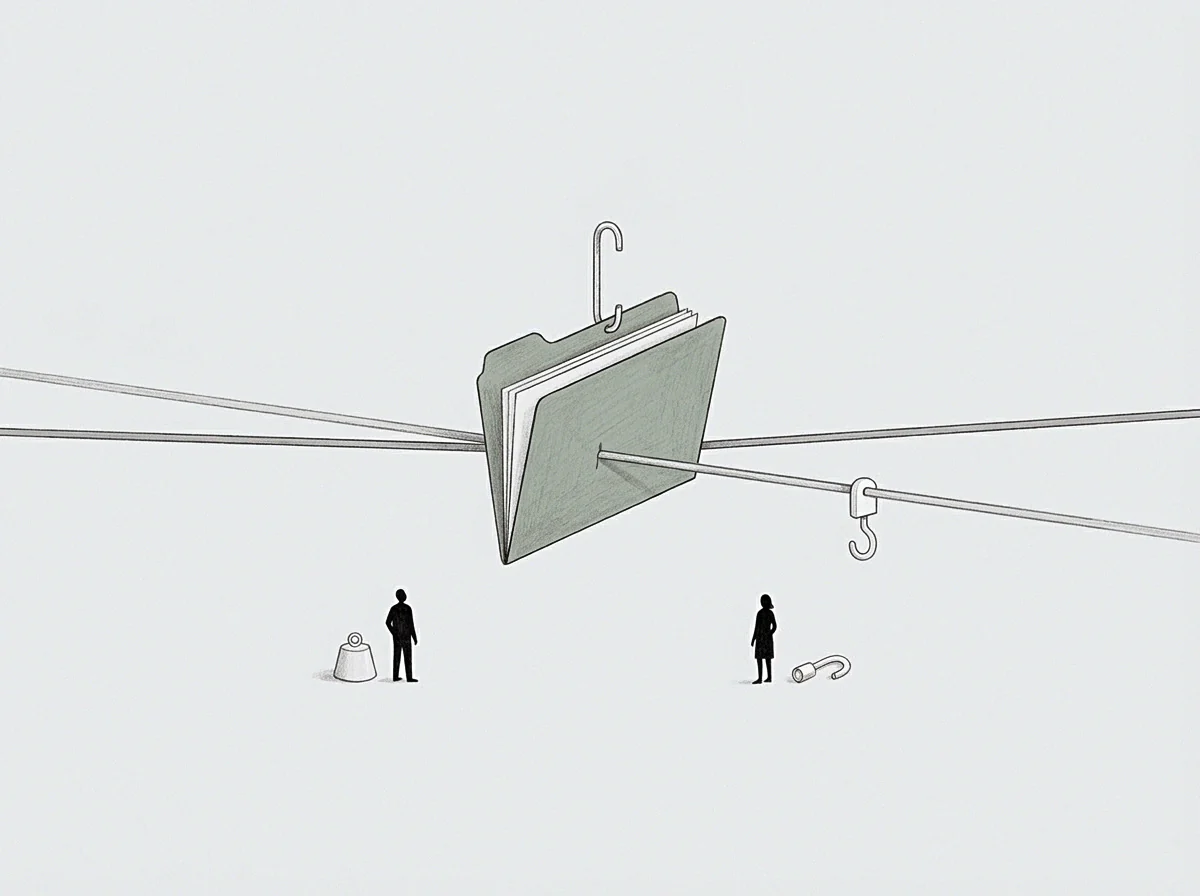
Unilateral emotional regulation in broken executive teams forces one nervous system to absorb collective friction, driving severe neuroendocrine and vascular breakdown.
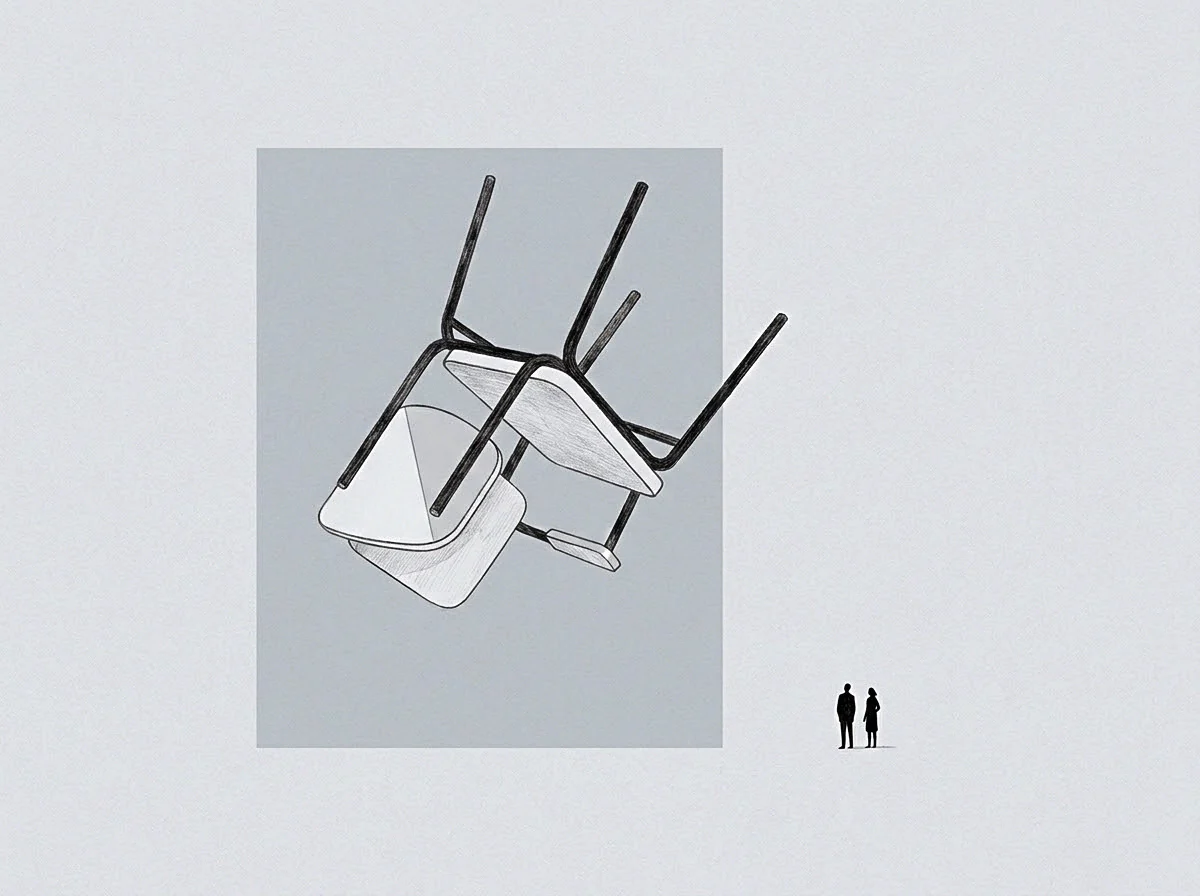
Executive autonomic regulation stabilizes institutional distress through metabolic vagal suppression, which extracts personal reserves absent true co-regulation.

Perpetual enterprise containment traps operators in unilateral load bearing, starving the nervous system of reciprocal signals needed for earned security.
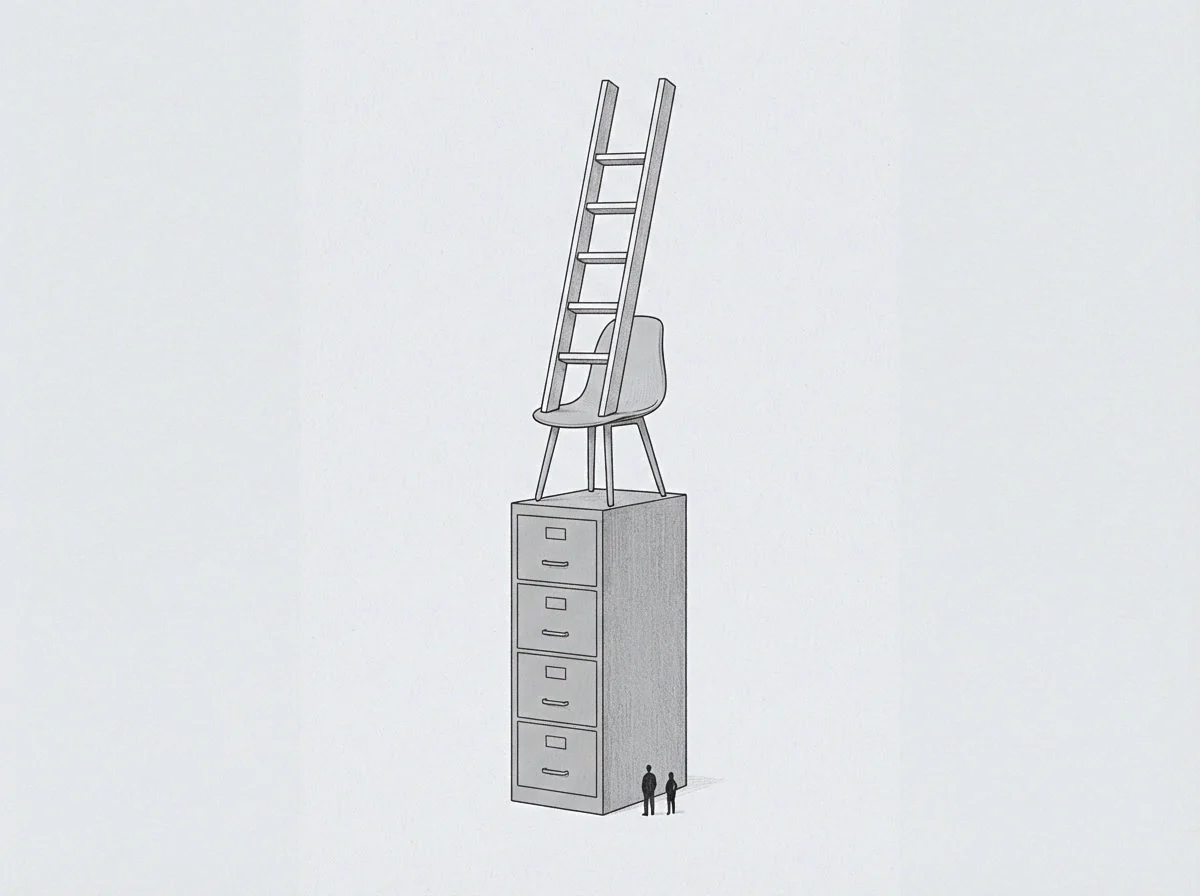
A partner conditioned to regulate others treats incoming support as an operational threat, converting shared presence into solitary metabolic strain.
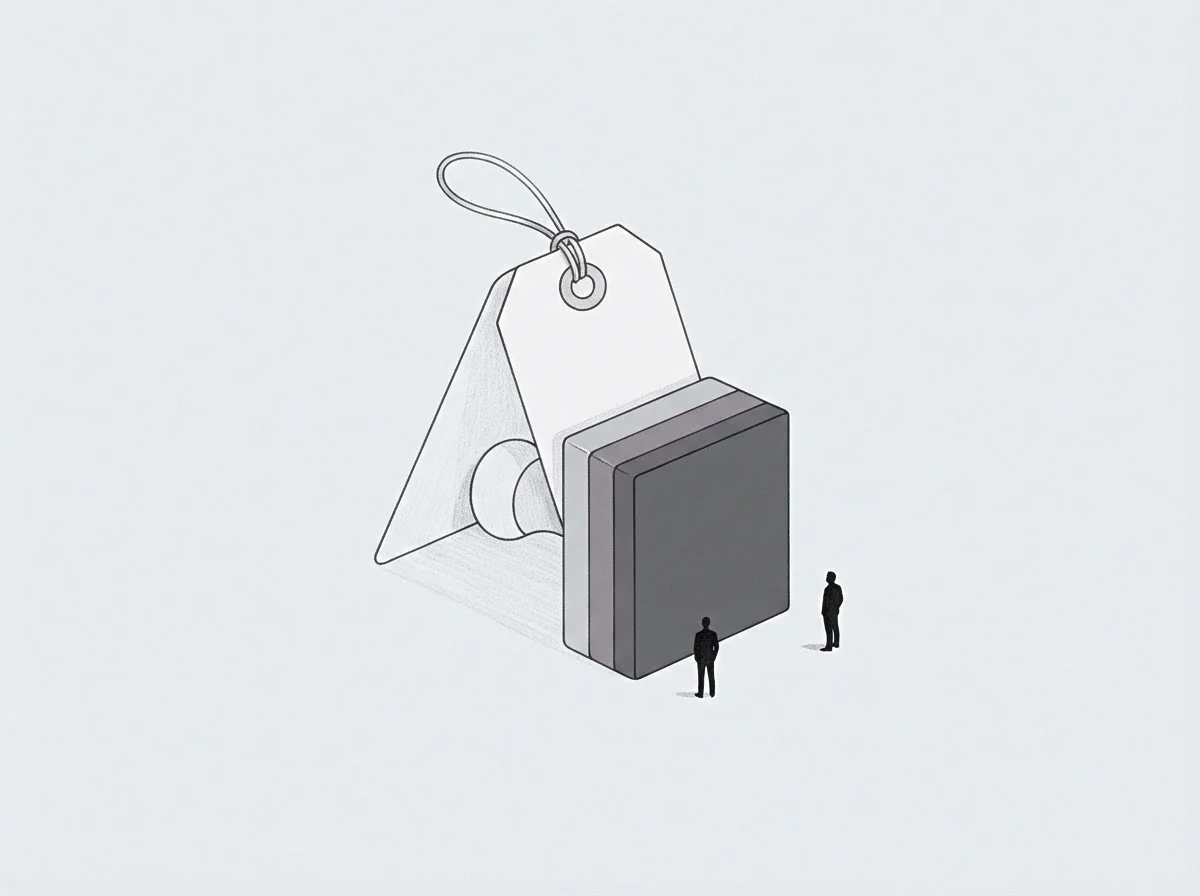
Chronic enterprise strain represses oxytocin receptors via sustained cortisol load; rebuilding them demands prolonged, unpressured co-regulation without demand.
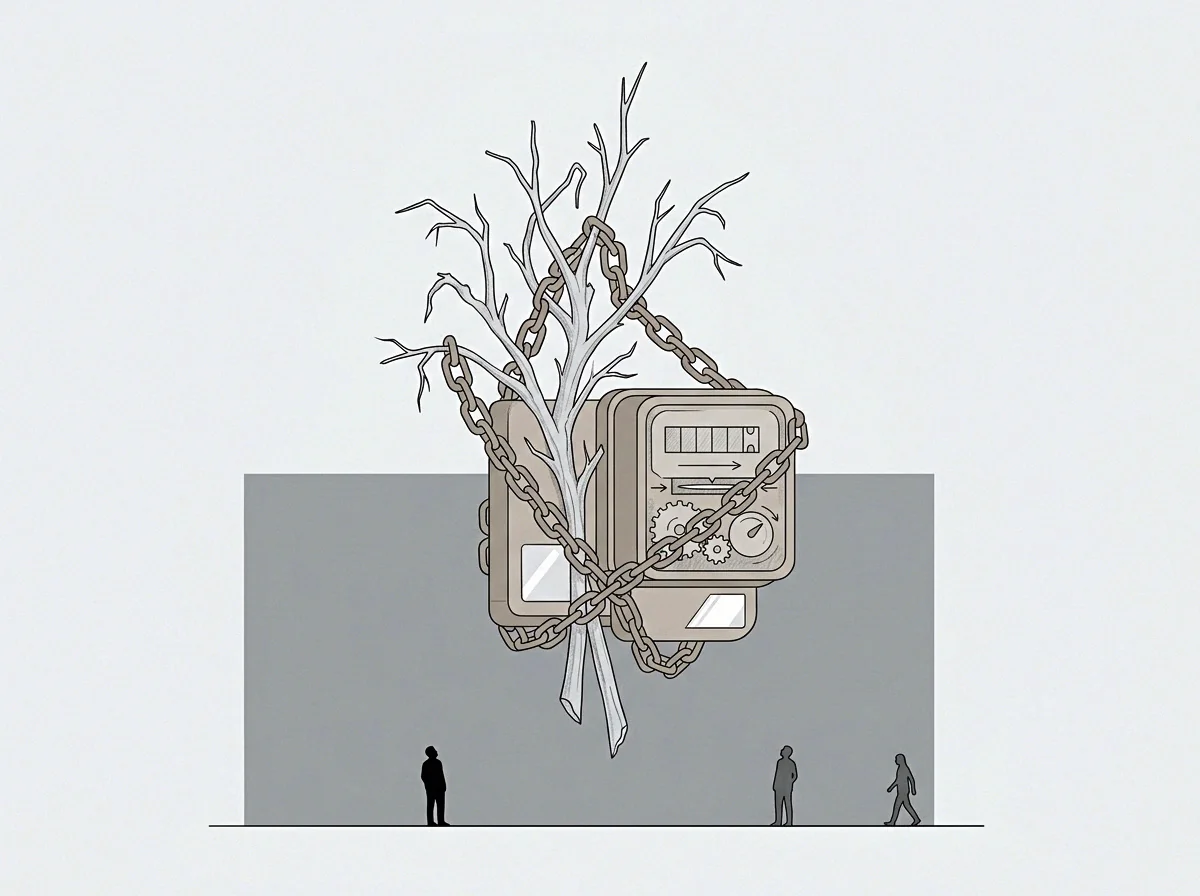
Repeated enforcement of mechanical external limits stops organizational metabolic extraction and builds earned security by updating the executive attachment model.
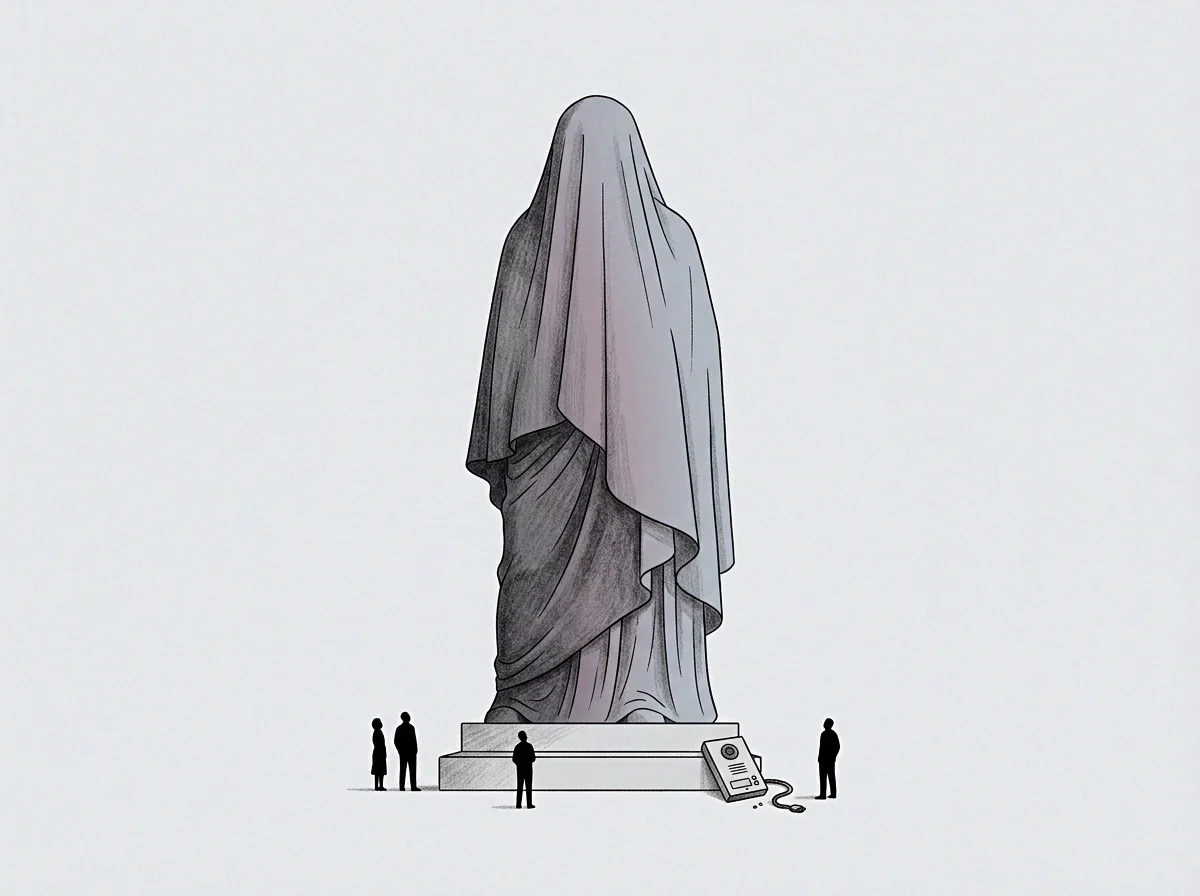
Rebuilding relational receptors across power asymmetry requires external peers who share structural parity without holding financial or operational leverage.
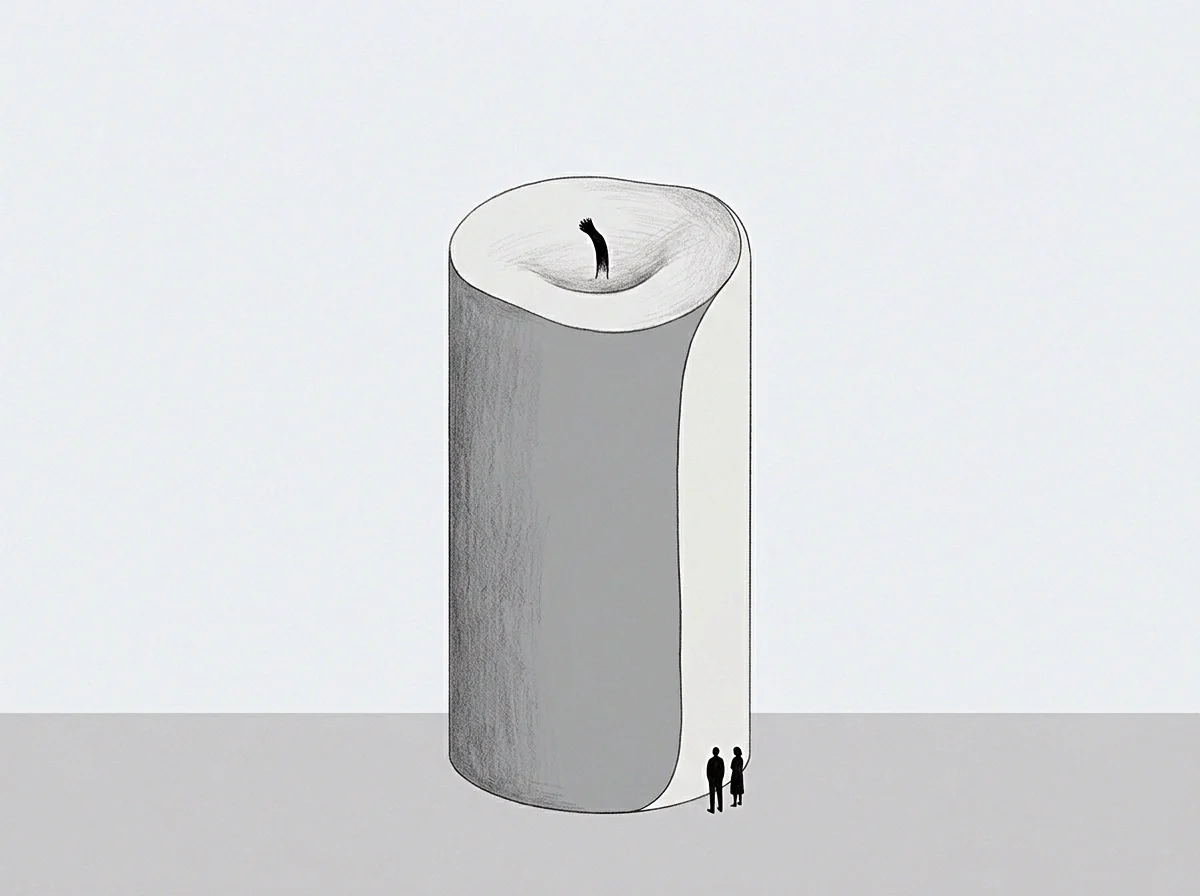
Sustained operational load down-regulates co-regulatory receptors, requiring micro-dosed physical presence to update the baseline template.
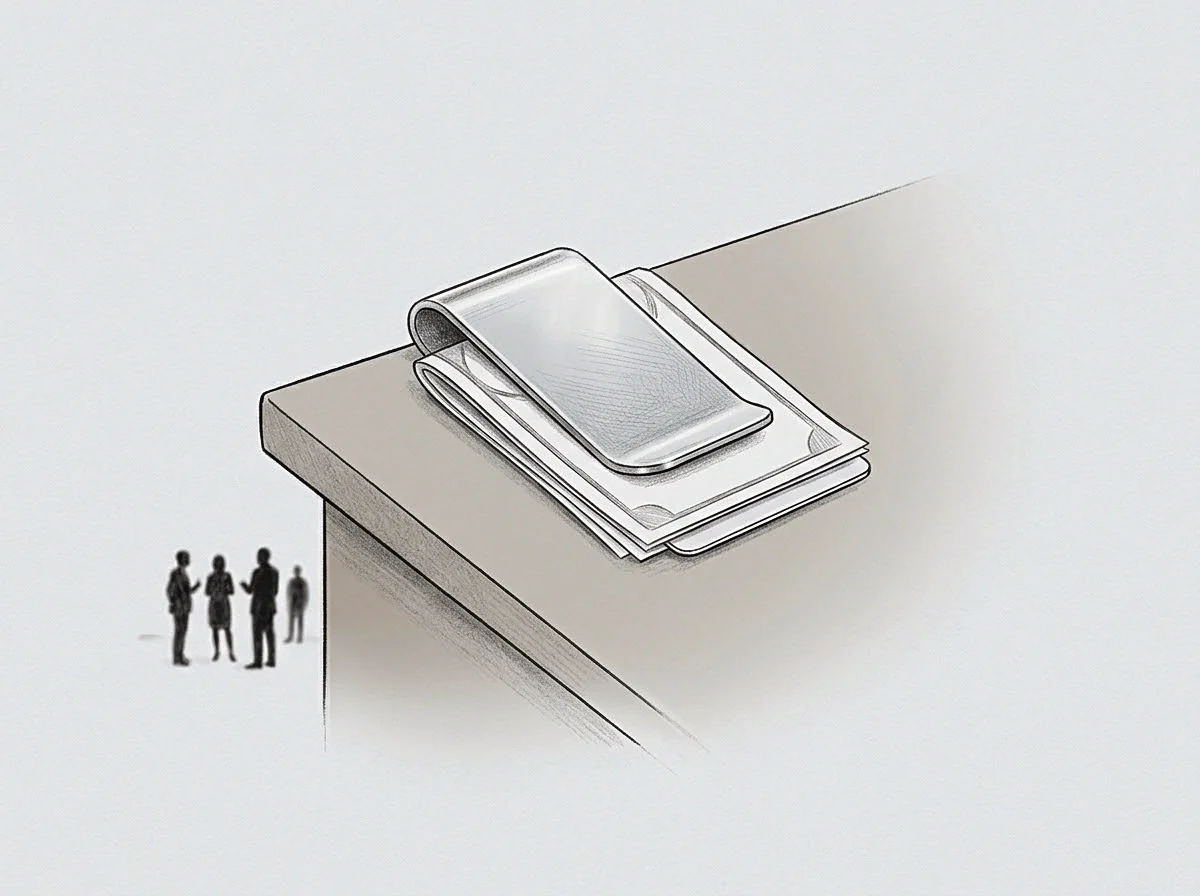
Lateral peer buffering blunts executive allostatic load during crisis by distributing neural threat appraisal across non-evaluative, structurally symmetric equals.
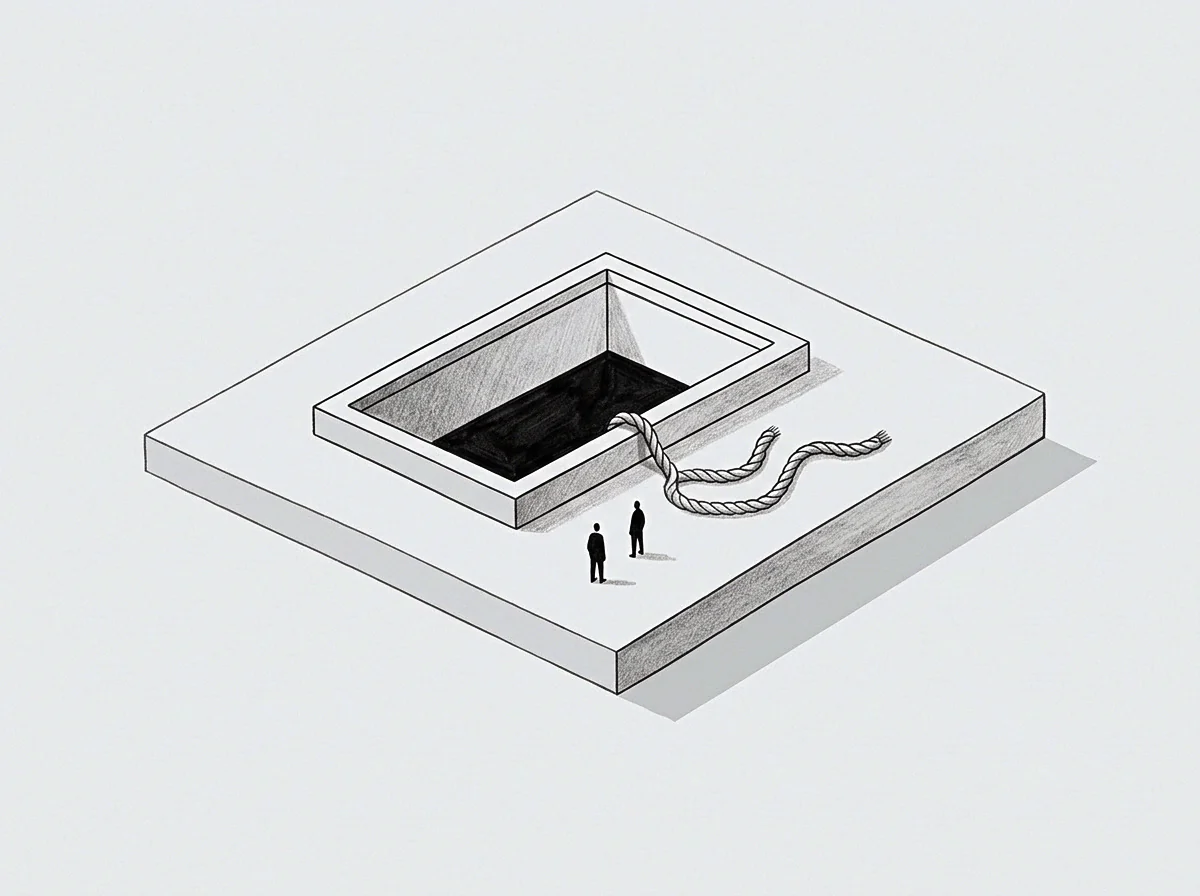
A backward regulator template compels founders to absorb team anxiety, misallocating capital to soothe executive friction rather than funding output.

Isolated executive self-regulation restructures neural templates to downregulate co-regulatory receptors, turning solo containment into an expensive biological baseline.

Unidirectional executive regulation shifts team autonomic strain onto a single leader, creating quiet allostatic load and eventual system throttling.
The terms are written where they belong. Each field holds three desks, and every entry a desk writes raises the terms it uses, each term given a meaning, a mechanism and the places it appears. The record on these pages stays first person and hand made; the fields grow the nomenclature.