
How Inverted Internal Working Models Sabotage Mutual Founder Regulation
A partner conditioned to regulate others treats incoming support as an operational threat, converting shared presence into solitary metabolic strain.
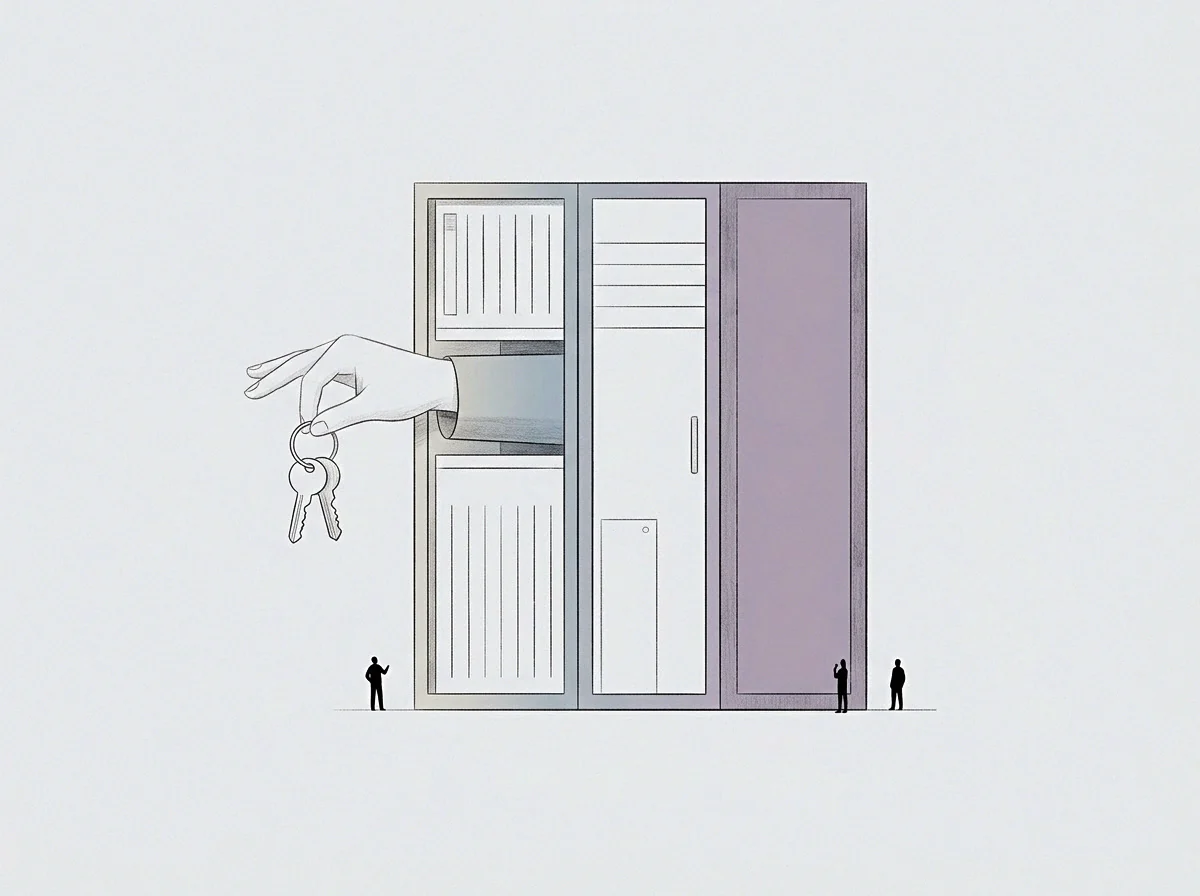
Seat
Two operators sit across a scarred oak table at eleven at night, reviewing four weeks of unbilled engineering time. The company has five weeks of runway remaining in the bank account, payroll drafts clear on Friday, and three client leads went cold before noon. One partner leans forward, face slack with exhaustion, offering to take over client communications through the coming sprint so the technical partner can sleep.
The technical partner does not exhale. Muscles along their jaw tighten, their shoulders lock against the back of the chair, and their voice drops into an icy, measured register that outlines twelve operational adjustments to execute before dawn. The offer of relief registered as an emergency.
The monitor screen stayed blank.
Social baseline theory indicates that the human nervous system budgets metabolic resources assuming reliable humans are physically and emotionally near. Proximity to a capable partner lowers the baseline threat response, damping activity in the right anterior insula and prefrontal cortex under acute stress. When two people build a venture together, this mutual buffering ought to reduce the energetic cost of holding high operational uncertainty.
If one partner carries an inverted internal working model, that biological bargain breaks down.
The person doing the soothing never asks to be soothed.
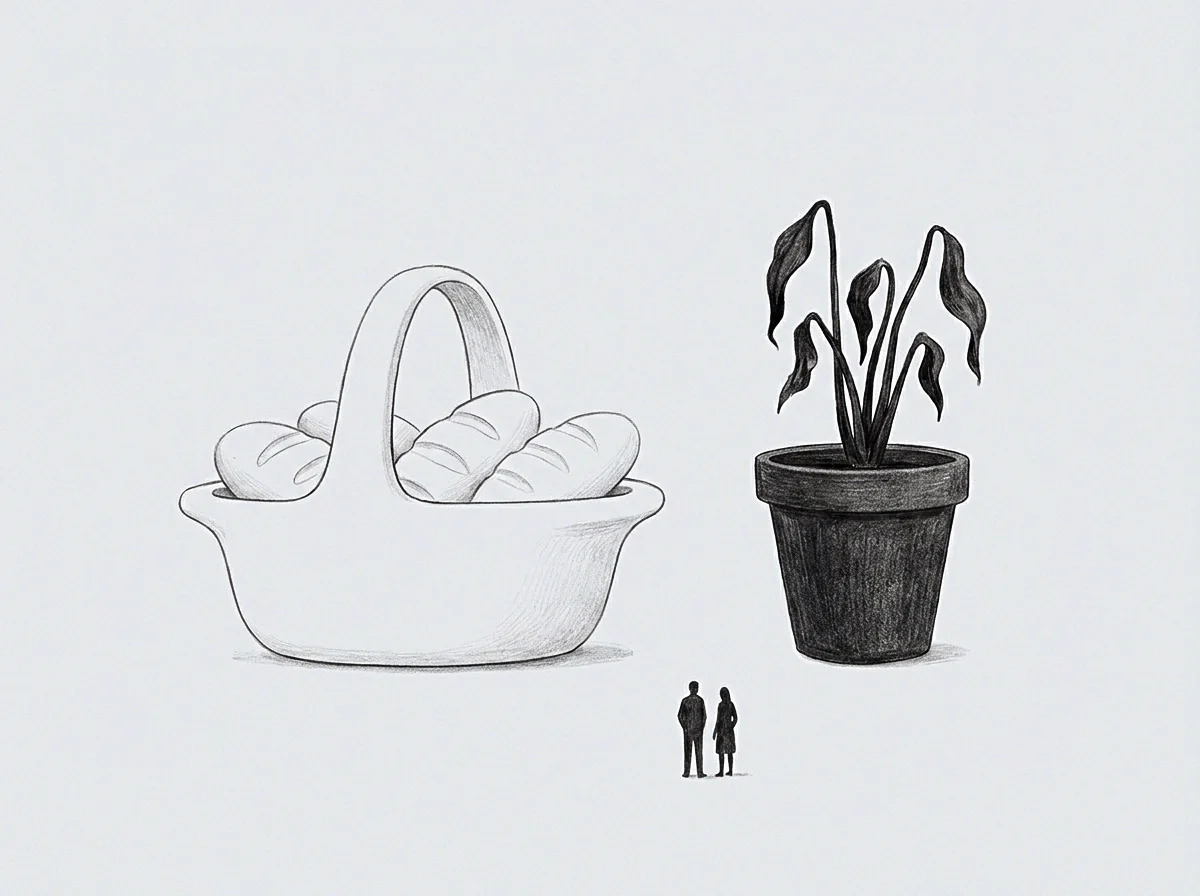
The Midnight Exchange
A builder with an inverted relational history reads another person’s calm as a demand for performance. When the non-inverted operator brings a steady presence into the office, the inverted partner cannot take in that steadiness as a shared reserve. Their physiology interprets the quiet as unspoken withdrawal or an impending structural failure.
They quickly launch into isolated mental effort—calculating contingencies, managing the room’s emotional climate, and inventing solutions for problems that do not exist yet. The effort to remain impenetrable consumes more energy capacity than resolving the commercial bottleneck itself.
The technical operator absorbed the full weight of the exchange alone.
Rather than offloading metabolic strain onto a shared baseline, the inverted builder redoubles personal vigilance. The body stays trapped in solitary survival mode while sitting eighteen inches from an ally ready to share the weight of the firm. That quietness carries a high energetic cost.
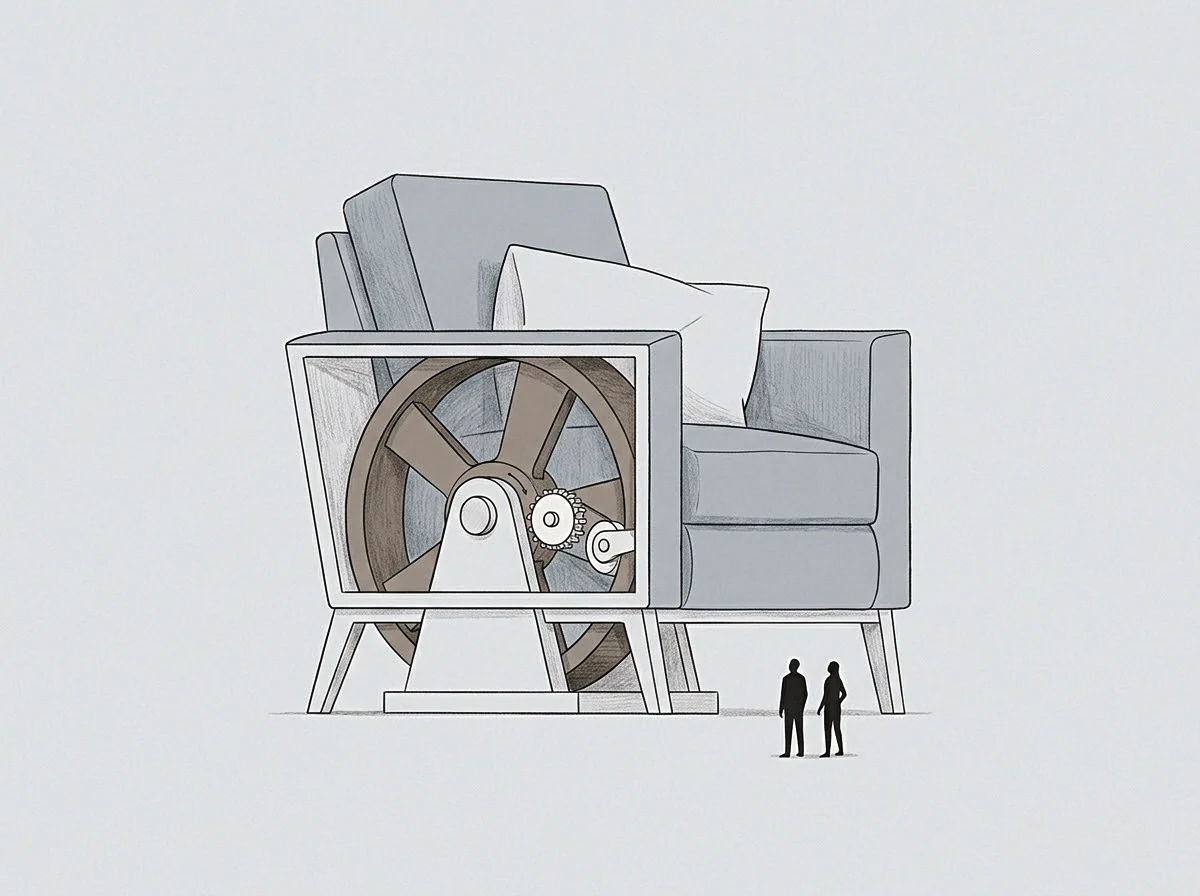
Borrowed Calm Under Pressure
Co-regulation operates through non-verbal pacing, vocal tone, and autonomic tracking. One partner breathes deeply, and the adjacent partner’s vagal brake engages without conscious effort. This transfer functions only when both nervous systems have an open receptor for external regulation.
If an operator grew up around adults responsible for care who were volatile or emotionally fragile, they learned early that relying on an outside figure brings risk rather than rest.
They acted as the adult in the nursery long before reaching adulthood. Decades later, sitting in an executive office, they run the same relational loop. When the commercial partner leans across the desk with genuine empathy, the inverted partner feels that empathy as an attempt to strip their armor while under attack.
The other party leaves the room wondering why an offer of rest provoked a defensive reaction.
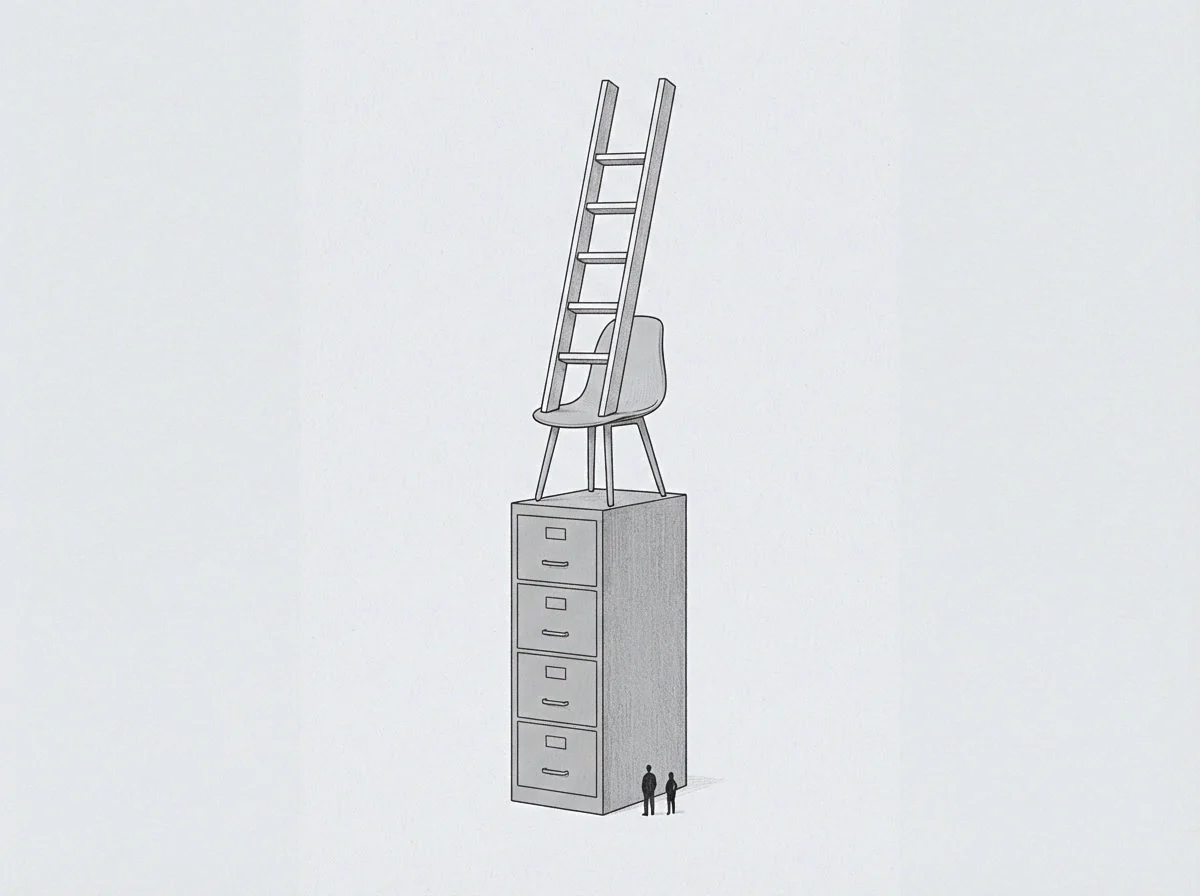
Template
Attachment research traces internal working models to the early predictability of primary caregivers. In typical development, an infant experiences distress, cries, and receives attuned physical soothing from an elder. The infant internalizes two distinct working representations: a self worthy of relief, and an external figure capable of providing it.
This mental structure creates a biological receptor slot for receiving support in adult professional life.
Parentification reverses this developmental trajectory. When a parent relies on a child for emotional stability or validation, the child inverts that working model. The developing mind concludes that safety exists only when the self provides all regulation, while the other person is an unstable entity requiring constant management.
When threat levels spike in a shared enterprise, an operator with an inverted model increases metabolic expenditure to stabilize the environment rather than borrowing calm from a partner.
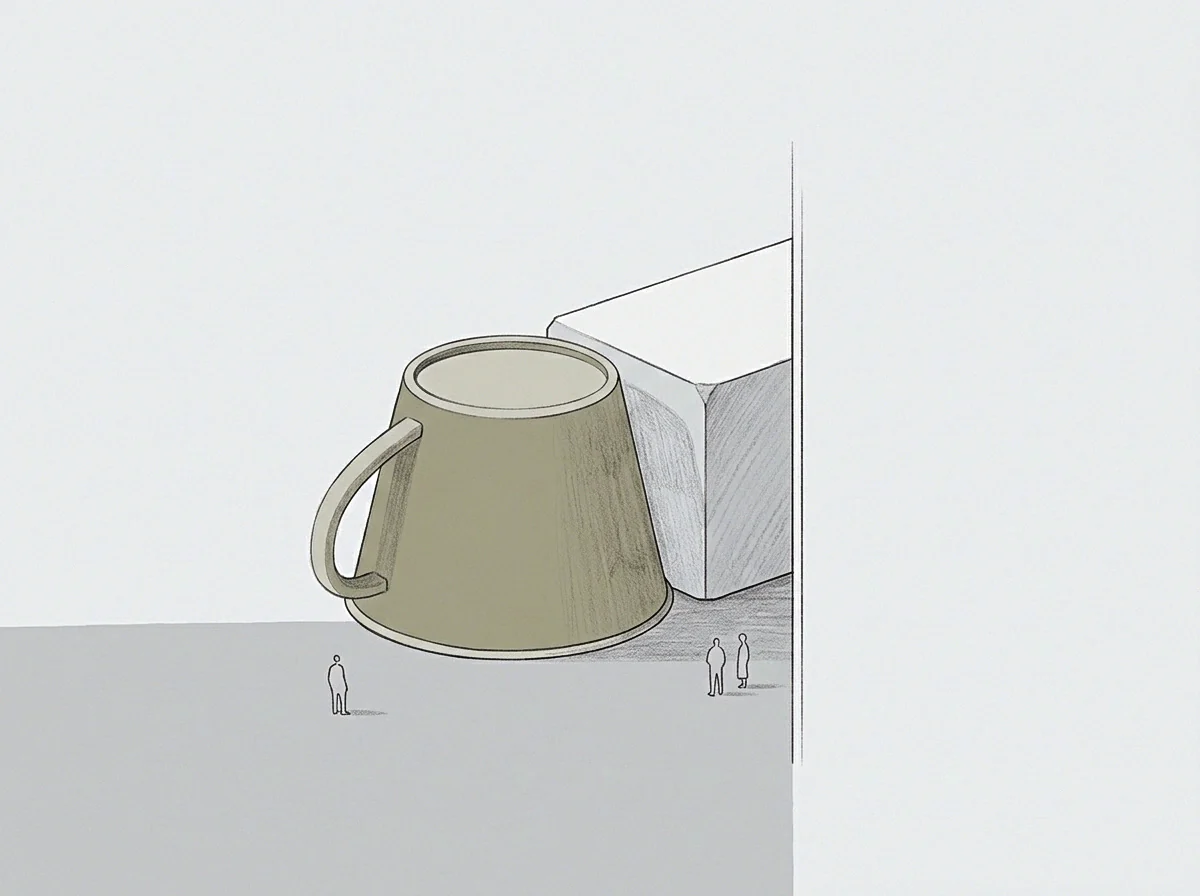
The Architecture of Inversion
This conditioning produces an adult who equates self-regulation with managing everyone within reach. In commercial partnerships, the inversion shows up in clear behavioral patterns:
- Hyper-Functional Composure takes over during crisis, flattening outward expression while internal sympathetic activation runs at full speed.
- Compulsive Caretaking converts collaboration into an unequal dynamic where one builder manages the partner’s anxiety while hiding their own fatigue.
- Receptor Atrophy prevents accepting incoming support, causing the builder to deflect check-ins, offers of time, or practical assistance.
- Threat Misattribution interprets a partner’s ease as negligence, laziness, or a lack of commercial seriousness.
This physiological reflex occurs before conscious thought intervenes.
Every interaction becomes an unstated assignment in maintaining baseline equilibrium. The builder holding the operational throttle absorbs the full metabolic charge alone.
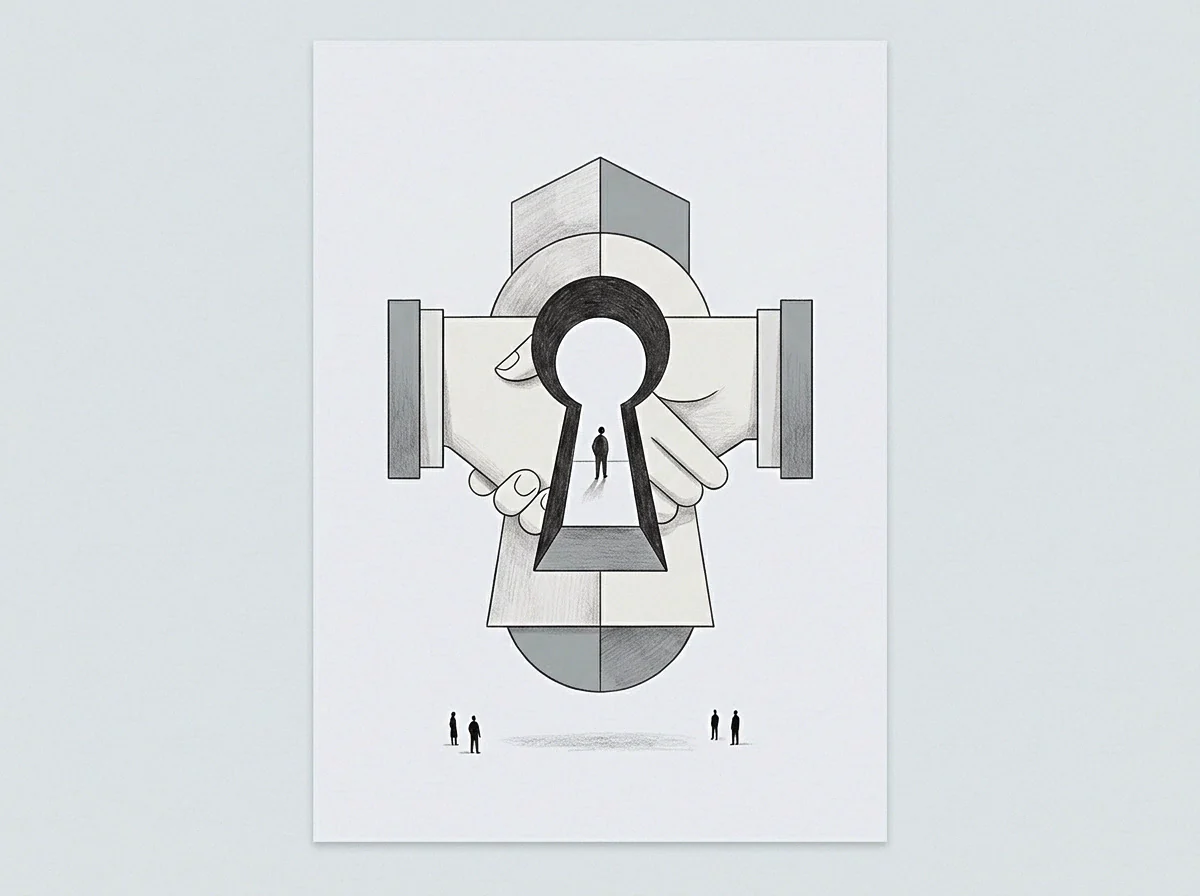
Absence of the Receptor Slot
In social neuroscience cohorts, measuring neural threat response via functional magnetic resonance imaging shows that holding an attuned partner’s hand dampens threat activity in the hypothalamus and anterior cingulate cortex. That finding comes from studies of securely attached adult couples facing electric shock. The effect vanishes or reverses when the person holding the hand doubts the partner’s competence, or when they have spent a lifetime serving as the sole source of regulation for others.
Putting an inverted builder close to a partner during acute commercial stress causes heightened vigilance instead of down-regulation.
The brain treats the partner’s physical closeness as additional weight to carry. The inverted person tracks the partner’s facial micro-expressions, breathing, and vocal cadence, watching for signs that the partner might buckle. Because their developmental model lacks a space for receiving support, an extended hand reads as one needing to be caught.
The builder remains biologically isolated in a room of well-meaning collaborators.
The structural outcome of this missing receptor is severe personal depletion, masked by outward competence until physical breakdown forces the partnership to end.
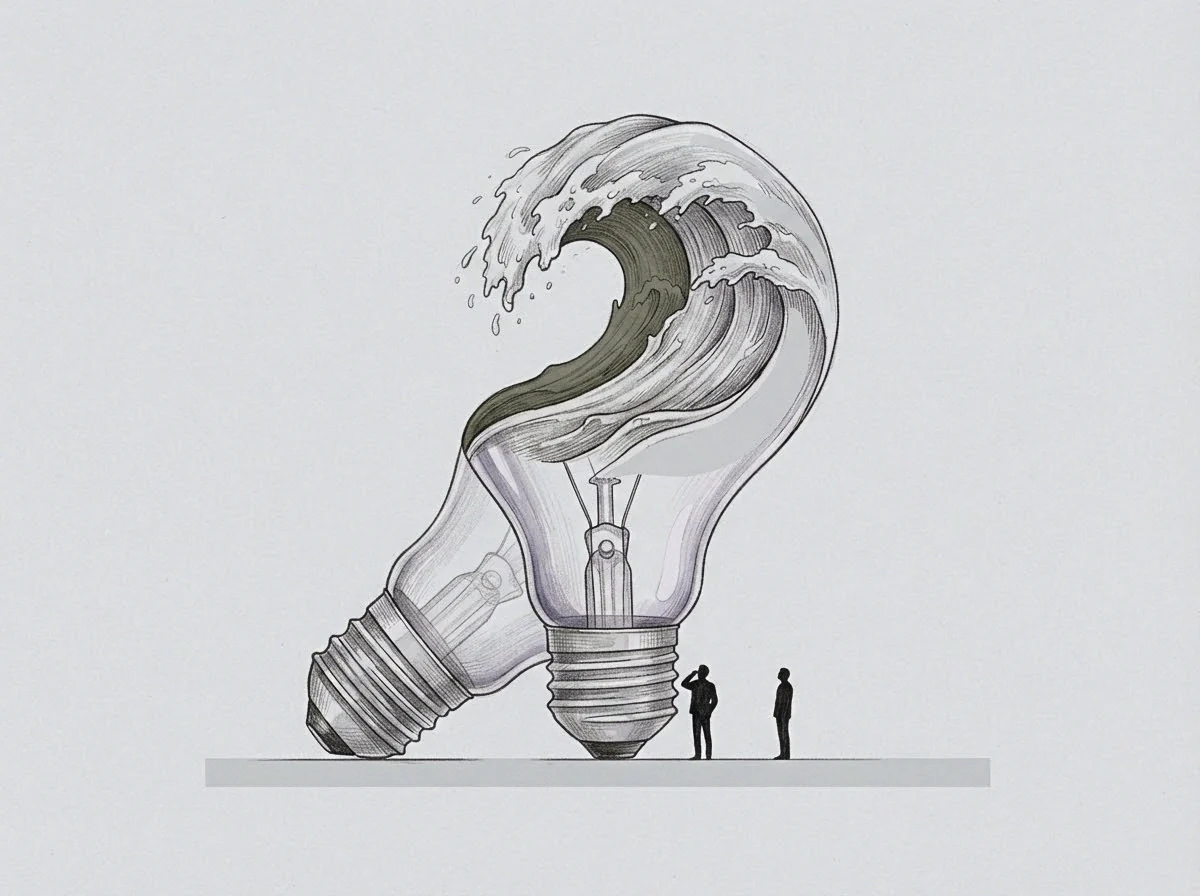
Deflection
Communication between co-builders breaks along predictable lines when an inverted model governs one side. A non-inverted operator, noticing their peer looking gaunt and distracted during an equity round, tries to offer relief. They suggest delaying an engineering milestone or taking over investor correspondence for forty-eight hours.
The inverted partner hears the offer as a quiet accusation of incompetence. They immediately harden their posture, list completed deliverables, and increase their working hours from fourteen to eighteen hours per day.
Accumulated exhaustion eventually fractures this unstated arrangement.
The non-inverted partner reads this aggressive output as rejection and steps back, assuming their presence is unhelpful. In naval engineering, watertight bulkheads prevent progressive flooding by sealing compartments, yet an uneven internal load can capsize a vessel while every bulkhead holds dry. The human nervous system behaves similarly when an operator isolates internal stress from the shared hull of the enterprise.
Steadiness under chronic threat acts as a load magnet.
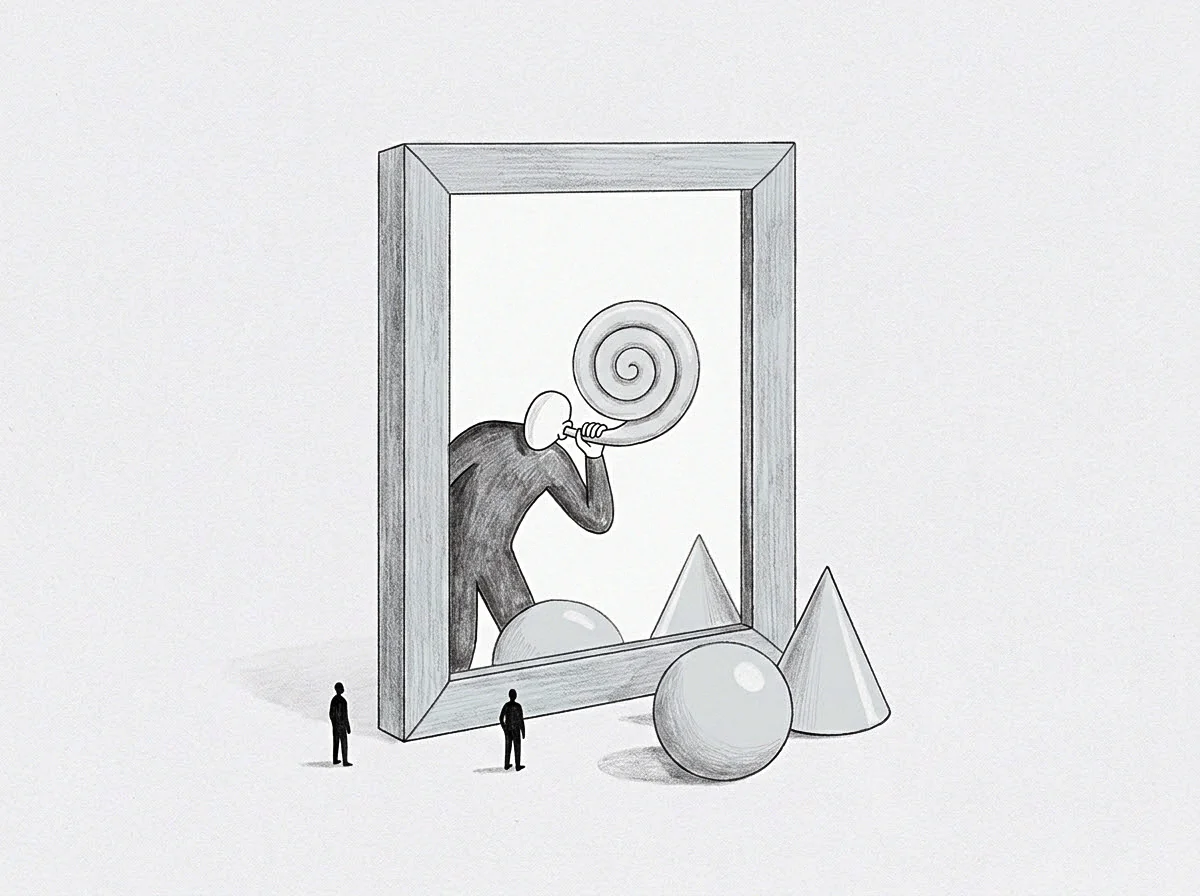
Which Inputs Signal Overload To An Inverted Model?
Sensory inputs that normally signal safety become unsettling to an inverted builder. Soft vocal tones sound like patronizing weakness. Open questions about personal well-being feel like interrogations aimed at uncovering hidden liabilities.
Physical stillness in a partner looks like apathy. Consequently, the inverted builder may provoke conflict or push urgent tactical work to force the partner into visible effort. They feel secure only when the other person is working hard, since visible exertion proves the partner is not on the edge of collapse.
The physiological cost eventually comes due.
This dynamic pushes the non-inverted partner into learned helplessness. Offering help yields defensiveness, while withholding help breeds quiet resentment. The relationship degrades into a transactional standoff where emotional connection is treated as a risk.
Symmetric Collisions Between Builders
When two operators with inverted working models build a company together, systemic failure escalates quickly. Both act as compulsive regulators unable to receive support. Both instinctively take command during uncertainty, generating duplicate contingency plans and competing mandates.
In early stages, this dual vigilance produces high operational velocity. Product roadmaps materialize overnight, legal structures are executed cleanly, and potential problems are cleared before they emerge.
The hidden strain accumulates in their central nervous systems. Because neither builder can lean on the other, neither receives the metabolic savings of social proximity. They inhabit parallel silos, each believing they carry the entire venture while protecting the partner from ruin.
When a major macroeconomic shock strikes, both exhaust their energy reserves at once. Neither knows how to ask for shelter, leading to abrupt splits that surprise outside investors.
Whether two inverted operators can break this pattern without an external party acting as a biological dampener remains an open question in operational psychology.
Mesh
Evaluating the relational economy of an enterprise requires looking past equity tables to see how nervous systems exchange energy. In a functional partnership, regulation flows both ways, buffering both partners against commercial shocks. In an inverted partnership, energy transfers unilaterally from the inverted builder into the corporate structure, creating severe energetic deficits.
| Dimension | Reciprocal Regulation | Inverted Regulation |
|---|---|---|
| Primary Regulator | Shared social baseline with fluid transfer of load | Unilateral operator functioning as permanent shock absorber |
| Neural Metabolic Expense | Attenuated via proximity, shared gaze, and presence | Elevated via constant interpersonal scanning and threat tracking |
| Partner Vulnerability Response | Spontaneous autonomic softening and biological rest | Immediate functional stiffening and tactical over-production |
| Offer of Support Impact | Interpreted as operational relief and social safety | Interpreted as covert demand, threat, or proof of failure |
| Terminal Failure State | Negotiated transition or collaborative restructuring | Sudden somatic collapse or acrimonious ownership breach |
This contrast helps explain why conventional executive coaching often fails inverted operators. Standard coaching encourages vulnerable admissions of struggle, assuming the builder has an internal template for receiving empathy. When an inverted builder is asked to perform vulnerability without an intact receptor slot, their nervous system treats the exercise as a breach of operational security.
They leave the session more dysregulated than when they entered, working late into the night to restore a sense of control.
The operational structure holds together until it suddenly fractures.
Structural Comparison of Relational Economies
Adult Attachment Interview studies show that narrative coherence about early family dynamics predicts relational stability better than outward behavioral compliance. Those findings, drawn from longitudinal psychological interviews across decades, assume reflective functioning can be separated from immediate survival pressure. In a venture burning forty thousand dollars a day, reflective functioning gives way to basic survival reflexes.
An inverted operator defaults to their earliest established pattern: unilateral vigilance.
The person maintaining composure paid the neural energy expense alone.
This dynamic produces a relational distortion known as the stability trap. The more steady the inverted builder appears, the more the non-inverted partner relies on them for stability. The partner assumes the inverted builder has limitless capacity and hands over organizational chaos, customer friction, and personal doubts.
The inverted builder accepts the load without protest, reinforcing the illusion of invulnerability while their internal stress load climbs toward systemic failure.
The Worked Case of Asymmetric Depletion
To see how this operates, consider an enterprise founded by two operators holding equal equity: a commercial partner with a secure attachment history and a technical partner with an inverted working model. Over a three-year period, the venture faces three major external crises: losing a key customer that represents forty percent of revenue, an aggressive patent challenge from a competitor, and an unexpected six-month delay in regulatory approval. Both partners are competent, share long-term goals, and mean well.
In each crisis, the commercial partner brings their panic to the table, speaks openly about existential dread, and looks for reassurance in conversation. The inverted technical partner absorbs those disclosures, offers steady reassurance, builds operational recovery plans, and works through every weekend. The commercial partner leaves every meeting feeling calmer, their baseline threat dampened by the technical partner’s steady demeanor, and assumes the arrangement is working.
Neither partner logged the cumulative physiological drain.
By year three, the technical partner’s resting cortisol profile is dysregulated, their sleep architecture is shattered, and they harbor unvoiced resentment toward the commercial partner’s perceived fragility. When regulatory clearance finally arrives, the commercial partner organizes a celebratory dinner. The technical partner submits their resignation forty-eight hours later, citing irreversible differences.
The commercial partner is blind-sided, unable to understand how a partnership that felt steady could disintegrate in a single afternoon.
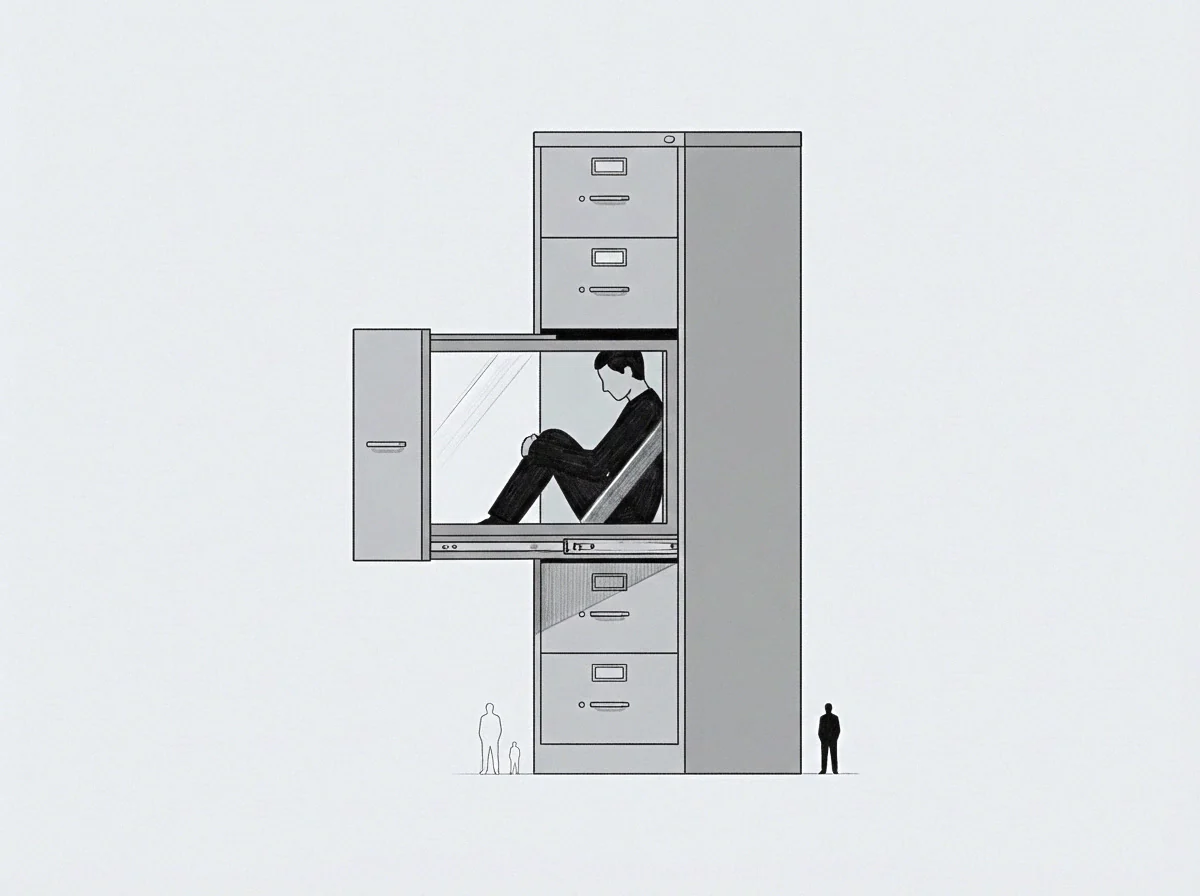
An unstated operational boundary converts relational proximity into an unmonitored transfer of physiological strain.
An equity agreement that mandates equal ownership without specifying explicit rest periods and independent outlets guarantees this failure pattern whenever one partner carries an inverted template.
Graft
Updating an inverted relational model cannot happen through intellectual analysis alone. Understanding that one managed an unstable household as a child does not alter the autonomic response that stiffens the spine when a colleague offers help. The brain rewires baseline expectations through repeated experiences that contradict the historic pattern.
This process, known as earned security in attachment science, requires building a second relational template alongside the first.
Consistent repetition rewires the biological baseline over time.
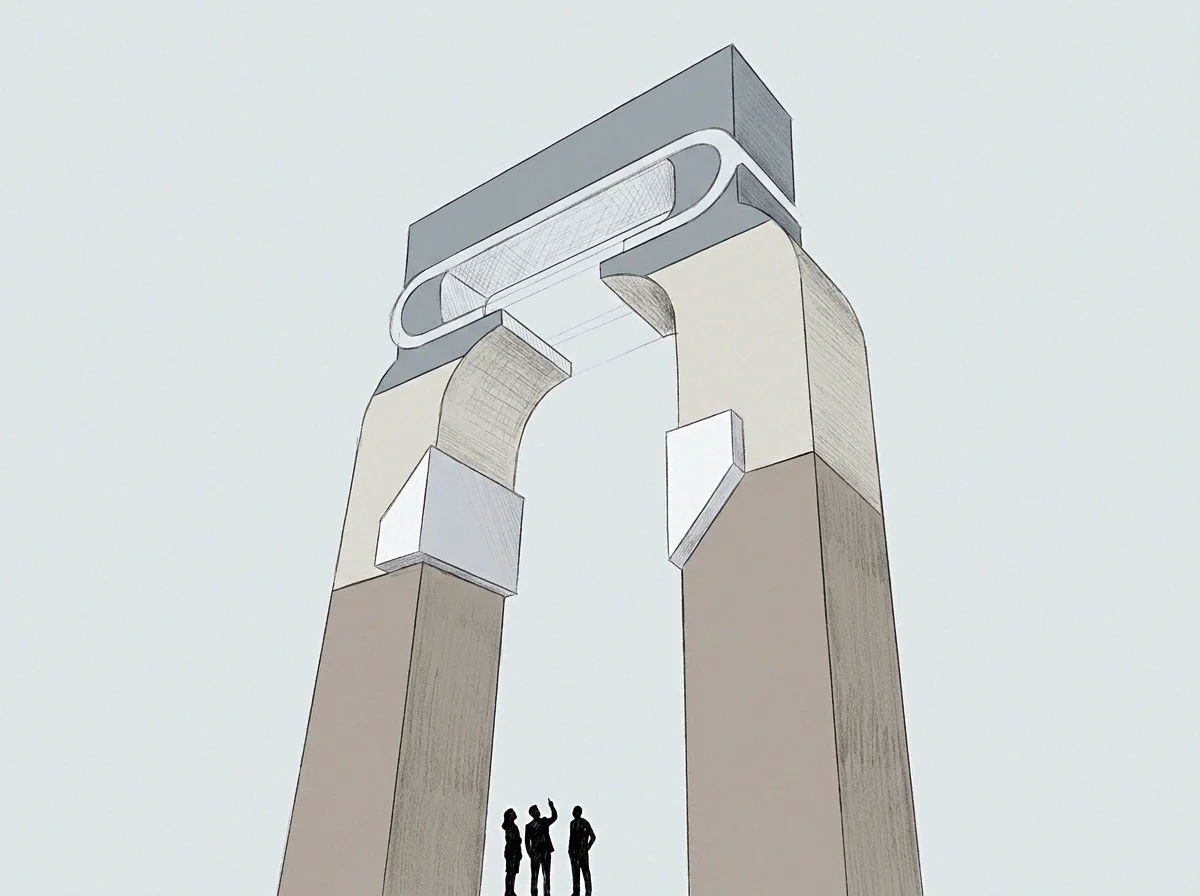
In the high-pressure environment of building a company, this update cannot happen by demanding instant vulnerability. Expecting an inverted builder to drop their functional armor during a crisis is ineffective. Installing a second template happens through micro-exchanges of verified reliability under strictly bounded conditions.
The Path of Earned Security
The work begins by establishing clear boundaries between human presence and operational demands. The non-inverted partner shifts from generic emotional support to a bounded, non-demanding presence. The process follows a specific sequence of steps:
- Co-Working Without Evaluation establishes physical proximity without requiring conversation, allowing the inverted operator’s nervous system to register an adjacent ally without scanning for demands.
- Micro-Handshakes of Execution involve delegating small operational tasks that the other party completes without requiring ongoing check-ins or emotional reassurance.
- Bounded Rest Intervals formalize operational quiet periods into company practice, treating physical disengagement as a structural parameter rather than a personal concession.
- Visible Bearing of Structural Strain requires the non-inverted partner to absorb external commercial pressure directly, proving through sustained action that they will not buckle when pressure rises.
Repeated action alters neural weighting over time.
When the inverted builder witnesses the partner taking heavy commercial pressure without collapsing into emotional dependency, the old predictive model receives its first authentic disconfirmation. The brain observes that another person can bear weight without failing.
Repetition Against Insight
Insight explains why a window rattles during an earthquake; structural retrofitting keeps the building standing. An inverted operator who reads widely on developmental psychology remains inverted until their body experiences seventy instances of stepping back from an operational lever without the floor collapsing. The second template grows alongside the original, like a graft on an old fruit tree.
The original reflex of unilateral vigilance never disappears entirely, but it loses its monopoly over nervous system responses.
Establishing this second template requires sustained time.
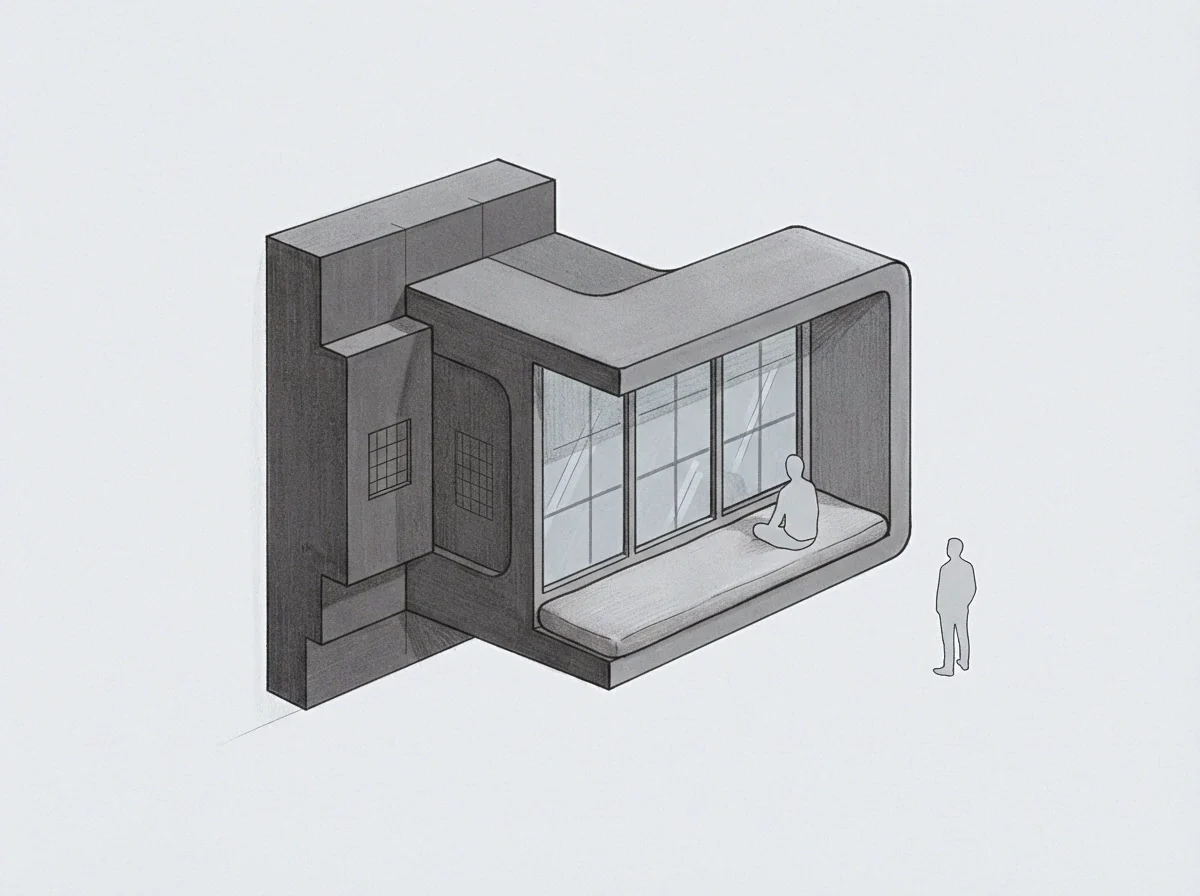
In commercial partnerships, this second template shows up as the gradual emergence of a functional receptor slot. The builder begins to exhale when the partner enters the room. They allow an unfinished document to sit on a shared drive overnight without checking it at three in the morning.
They permit the partner to manage a difficult board session without hovering in the wings. This physical offloading serves as a primary engine of long-term founder endurance.
Safety between builders arrives when both individuals can rest in the same room without either person managing the atmosphere.