
Neural Limits of Earned Security for Operators Trapped in Perpetual Enterprise Containment
Perpetual enterprise containment traps operators in unilateral load bearing, starving the nervous system of reciprocal signals needed for earned security.
Wire
Four terminal consoles glow across a darkened desk at two in the morning. An operational head sits alone, answering escalations from division managers unable to steady their own teams. The requests arrive urgent, panicked, and technically confused.
Every reply from the console drops the heart rate of the manager on the other end. The person answering absorbs the baseline pressure of three hundred engineers without getting a single stabilizing signal back.
This dynamic marks enterprise containment. An organisation wraps an experienced operator in processes, service level metrics, and reporting chains, relying on that single desk to absorb institutional anxiety. Executive teams praise the operator for staying calm during production outages and budget cuts.
That steadiness functions as an uncompensated physiological subsidy. The operator sets the social baseline for the floor, but the corporate structure stops anyone from providing the same baseline in return.
A stable presence in an operational seat lowers biological threat responses in surrounding staff while receiving zero reciprocal regulation.
Social baseline dynamics govern this transaction. The human nervous system treats relational proximity as an energy conservation tool: when capable peers share a perimeter, the brain dials back vigilance. Enterprise containment turns that economy upside down.
The boundary enforces one-way absorption as subordinates and division heads offload panic into the operator. The institution repays this with capital and equity grants, treating physical depletion as a simple commercial trade.
Midnight Escalations And Unilateral Absorption
Inquiries come through encrypted chat channels whenever regional directors hit ambiguity. Messages demand quick decisions on resource allocation, infrastructure failures, and executive restructuring. Every ping marks a spike in the sender’s sympathetic activation.
Answering within three minutes, the operator supplies borrowed regulation to a manager across the country. The recipient reads the answer, settles down, and gets back to work. The operator stays in the chair with an elevated heart rate, holding the leftover strain.
The biological budget breaks down. Over thirty-six months of constant operational availability, the nervous system resets its baseline to hyper-vigilance. The brain calculates threat and stabilization as if no reliable support exists.
Enterprise containment deepens this isolation by inserting compliance officers and risk committees between the operator and potential peers. Showing hesitation risks triggering an institutional audit, so every interaction demands visible competence.
The floor assumes the operator needs nothing because the operator never asks for cover.
Slot
Attachment research shows that early environments shape an internal working model of relationships. When a child learns that caregivers panic under stress, they take on the job of steadying the room. The nervous system runs the sequence in reverse, building a detailed habit of steadying others without developing the capacity to be steadied.
In affective neuroscience, this appears as an absent receptor for incoming relational support.
Corporate leadership deepens that early wiring. Enterprises quickly spot people who regulate without asking for reassurance, routing volatile operational divisions straight to their desks. The operator becomes the node that converts systemic volatility into steady output.
If an investor or board member offers actual assistance, the signal fails to register as relief—landing instead as operational noise, administrative risk, or a threat to autonomy.
- Unilateral buffering occurs when an operator absorbs institutional volatility without passing emotional or somatic feedback to peers, draining metabolic capacity.
- Attaching to a state happens when team members rely on an operator’s outward calm instead of engaging in reciprocal exchange.
- Receptor deficit keeps incoming offers of collaboration or reassurance from registering as somatic safety within the ventral vagal complex.
- Signal confusion turns collaborative support into a perceived operational demand, triggering self-reliance in the operator.
The body pays the difference. Under normal conditions, earned security grows through repeated exposure to a dependable partner who stays steady when someone falters. The nervous system updates its model when it sees proof that vulnerability will not bring abandonment or collapse.
In enterprise containment, that path hits a wall. The operator cannot stumble without threatening continuity, so the structure penalizes the very signals needed to trigger a neural update.
A template formed on self-reliance treats incoming offers of comfort as operational liabilities.
Neural Architecture Of The Missing Receptor
Brain imaging shows that the ventromedial prefrontal cortex coordinates threat attenuation alongside familiar, cooperative conspecifics. With an intact relational template, proximity to a trusted peer suppresses amygdala reactivity during acute stress. For operators in enterprise containment, that down-regulation fails.
The amygdala stays hyperactive because the brain models everyone else as dependents rather than protectors, forcing the prefrontal cortex to maintain composure through brute self-control.
Relying solely on self-regulation is an expensive survival adaptation. It drains glycogen, disrupts restorative slow-wave sleep, and keeps the hypothalamic-pituitary-adrenal axis running continuously. An operator may look composed on quarterly calls while biological markers tell a different story: salivary cortisol profiles flatten into an exhaustion curve, and heart rate variability drops below twenty milliseconds.
Building a second relational template becomes impossible when every waking hour requires total containment inside the first.
What structural change could ever convince a nervous system that safety exists when survival has always required unilateral composure?
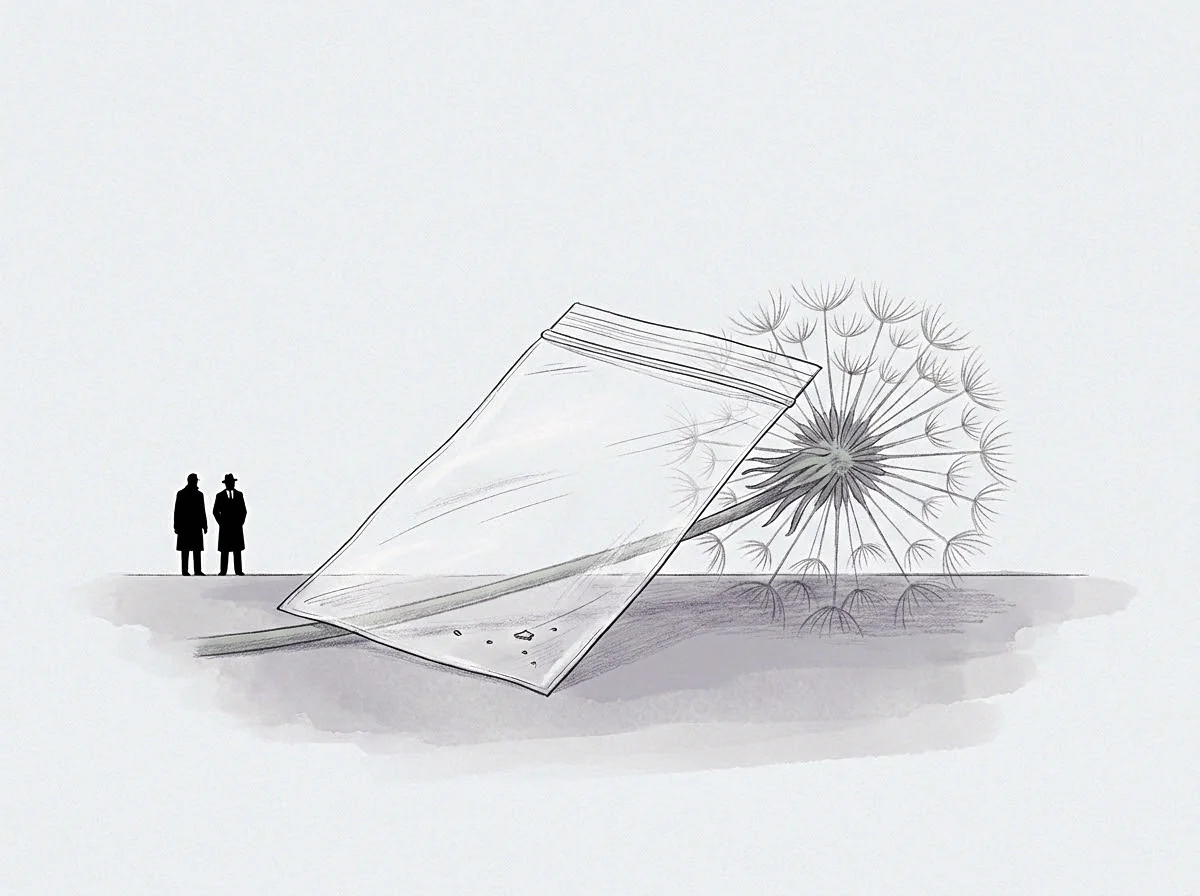
Weight
Consider an enterprise setup where an operator manages infrastructure across eleven time zones, backed by a four-year retention lock with thirty million dollars in illiquid stock units. The company assigns seventy direct and indirect reports to this single desk. The board treats the operator as the lone operational balance point.
When database clusters crash or regional heads resign, the operator steps in—and the board rewards that performance by adding supply chain oversight to their portfolio.
Strength under stress simply attracts more weight. Because the operator shows no strain, leadership assumes endless capacity. The enterprise shifts systemic disorder away from the executive committee and deposits it onto the operator’s autonomic system.
The operator absorbs it because their underlying model links personal worth to total containment. Refusing the load feels like existential abandonment.
- Initial intake begins when an organisation notices an operator absorbing volatility without asking for executive attention.
- Load accumulation accelerates as surrounding departments realize that dumping unresolved crises onto this desk removes their own friction.
- Containment enforcement works through governance structures that prevent the operator from sharing sensitive risk data with peers.
- Biological exhaustion settles into the nervous system as restorative sleep and down-regulation become structurally impossible.
This dynamic creates a sharp divide between operational stability and personal survival. The enterprise thrives while the person running it deteriorates. The following comparison outlines how enterprise containment structurally differs from a reciprocal operational environment across biological and relational dimensions.
| Dimension | Perpetual Enterprise Containment | Reciprocal Operational Partnership |
|---|---|---|
| Regulation Direction | Unilateral flow toward the contained operator | Bidirectional oscillation between lateral partners |
| Biological Budget | Exhaustive self-regulation funded by the operator | Shared metabolic cost via relational proximity |
| Receptor Plasticity | Suppressed by continuous demand for composure | Facilitated by periodic shared surrender of control |
| Threat Modulation | Prefrontal suppression of amygdala reactivity | Social baseline attenuation via mutual presence |
| Systemic Vulnerability | Catastrophic collapse upon operator exit | Distributed resilience through shared capacity |
The enterprise extracts stability while cutting off the conditions needed for biological repair. An operator serving as an unshakeable base for hundreds cannot turn around and show vulnerability to those same people. The environment penalizes weakness, while the equity lock keeps them in the seat well past the point of biological viability.
The containment perimeter becomes a one-way valve for human energy.
The operator absorbs the variance while executive leadership reviews quarterly metrics and praises the team’s resilience. Reports show steady uptime, growing margins, and low engineering turnover. What they skip is vagal nerve tone or the gradual atrophy of hippocampal volume from unremitting allostatic load.
The company runs cleanly because one person burns out to power the baseline.
The retention clause ties equity vesting directly to operational uptime, so setting a personal boundary means immediate financial forfeiture.
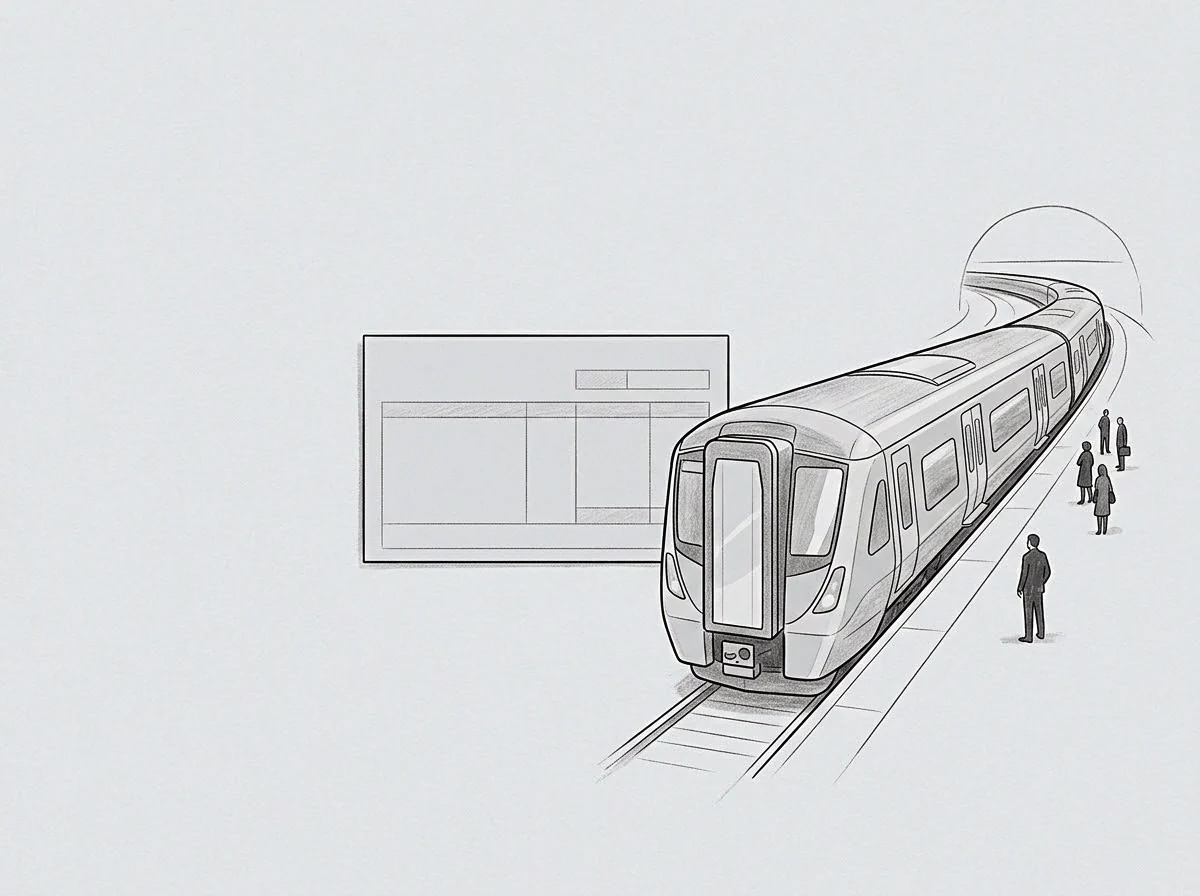
Shunt
Updating an attachment system requires somatic disconfirmation. Someone holding an insecure, self-reliant model has to experience being helpless while a trusted peer handles the room. That physical experience lets the brain build a working receptor for borrowed calm.
It cannot happen through cognitive insight, conversation, or self-help books; the nervous system requires real-time physical evidence under pressure.
Enterprise containment systematically blocks that disconfirmation. Surrendering control inside an institutional matrix carries high costs: if an operator steps back during an infrastructure outage, client trust evaporates and enterprise value takes a hit. Safe surrender is impossible.
Every crisis navigated through solo self-regulation reinforces the old pattern, giving the brain another data point that survival demands complete autonomy and detachment.
Neural reorganization demands biological proof that an operator can completely disarm without the surrounding room collapsing.
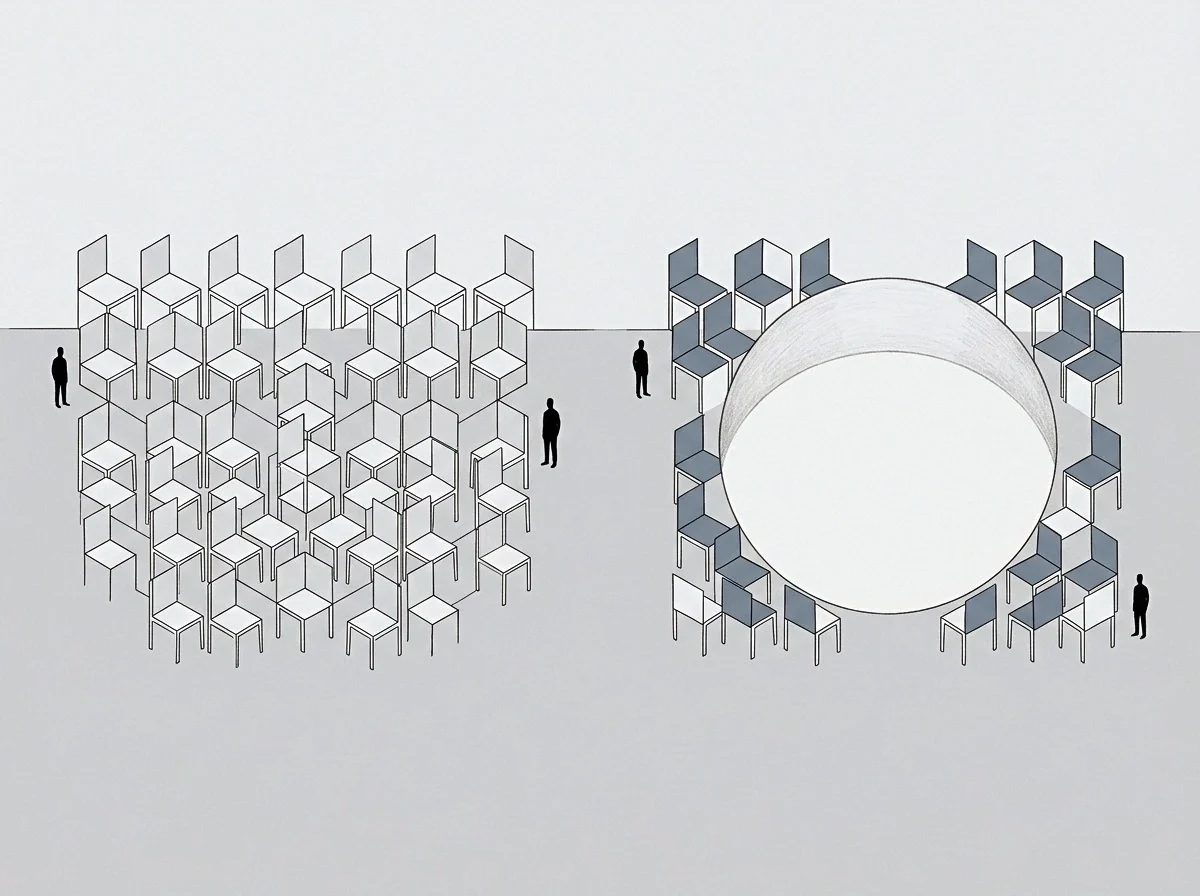
What Halts The Neural Reorganization?
Neural circuits governing earned security require downtime within safe relational fields. Inside corporate containment, the working environment stays hostile to biological safety. Cortisol suppresses brain-derived neurotrophic factor in the hippocampus, slowing synaptic remodeling.
The vagal brake—which regulates cardiac output during social engagement—remains locked in an inhibitory stance, leaving the nervous system without the biochemical headroom to build alternate neural pathways.
Industrial high-voltage transformers use diversion shunts to bleed dangerous surges into the earth. The contained operator acts as that grounding rod for the company. When board members clash over strategy, they channel the dispute into operational reviews for the operator to resolve.
When junior staff feel operational dread, the operator runs listening sessions to steady them. The surge bleeds off, but a human nervous system is not soil; the repeated charge leaves physical damage in vascular tissue and neural architecture.
Isolation compounds the physical depletion. The operator cannot build true intimacy with subordinates because hierarchy demands distance, nor lean on executive superiors who evaluate them on total autonomy. Peer relationships degrade into territory fights over budget and headcount.
The operator stands in a room full of colleagues while remaining entirely alone in the biological economy of survival.
Plasticity stalls without reciprocal safety. Trying to cultivate earned security while locked in a rigid containment contract causes severe somatic dissociation. An operator might practice openness during a weekend retreat, only to face a hundred-message escalation on Sunday evening.
That whiplash between intentional vulnerability and emergency management breaks autonomic coherence, forcing the nervous system back to its oldest program: lock down, absorb the shock, and rely on no one.
Trying to rewire an attachment model while trapped in enterprise containment accelerates physical exhaustion and leads straight to systemic breakdown.
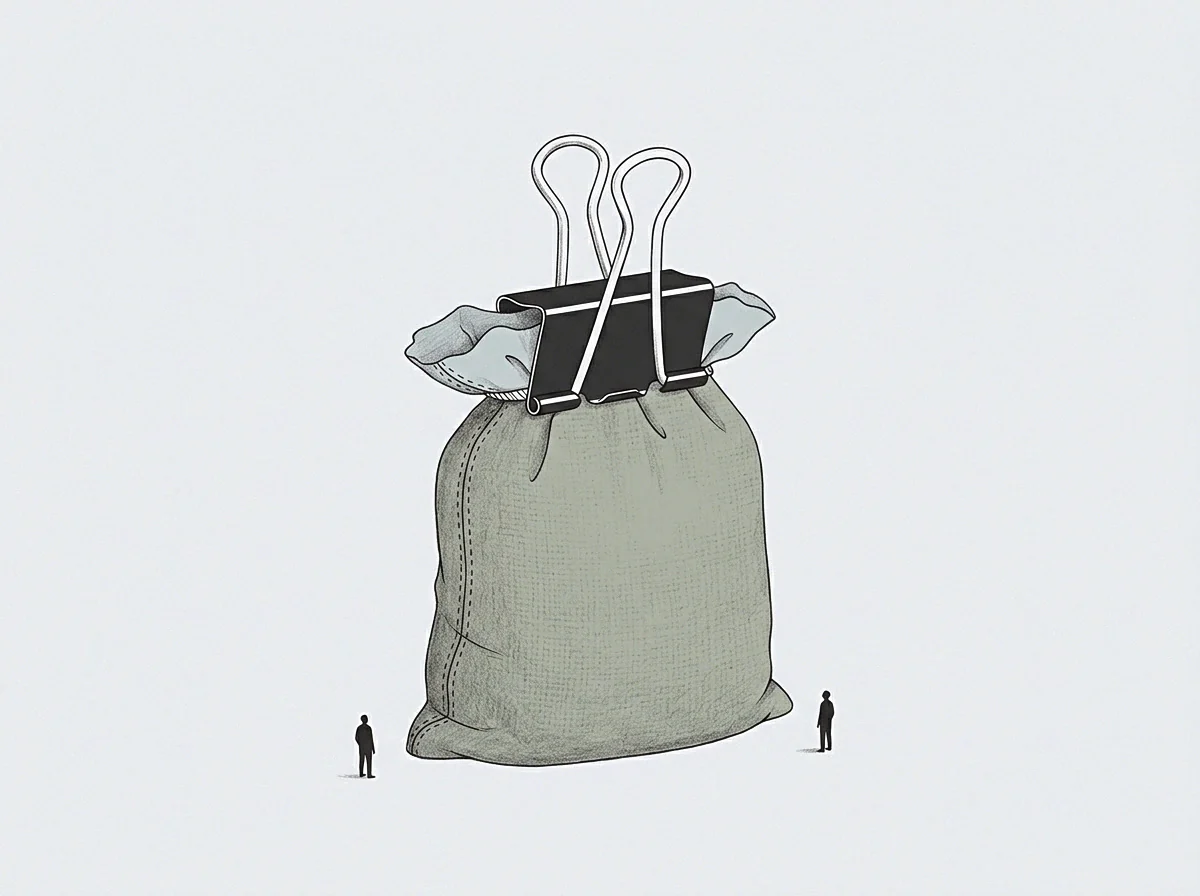
Beam
Escaping perpetual containment requires seeing the difference between structural power and relational nourishment. An operator can hold administrative authority over thousands of employees while starving biologically for co-regulation. Real change will not come from productivity tweaks or stress-reduction habits; it requires altering the physical and contractual setup governing the operator’s work.
The operator has to introduce structural friction into how load gets transferred, starting with mandatory latencies on operational escalations. When a division head passes along a crisis, the operator holds off on absorbing the panic right away. That intentional delay forces the surrounding team to find internal stability.
By stopping the instant heat sink effect, the organisation finally feels its own operational temperature.
Building a second template also takes friction. Real movement happens when the operator steps outside the containment zone and into settings where operational competence holds no value. They need spaces where people know nothing about their title, equity package, or track record in a crisis.
In those environments, the operator has to experience being unremarkable, unneeded, and present without an assignment.
Commercial transactions do not yield regulation. The operator has to seek out partners with steady autonomic baselines who refuse to take borrowed calm without returning it. That experience feels intolerable at first.
A hyper-vigilant brain will signal that dependence brings disaster, pushing the operator to grab control, organize the room, and take the lead. Sitting still while another capable person manages the environment is the hardest work an operator will ever do.
The nervous system rewires through the quiet realization that the ceiling stays up when hands let go of the beam.