
Measuring Autonomic Nervous System Recovery Thresholds During Prolonged Founder Isolation
Solitary executive liability depresses vagal tone and elevates autonomic recovery thresholds by removing the metabolic offloading of social proximity.
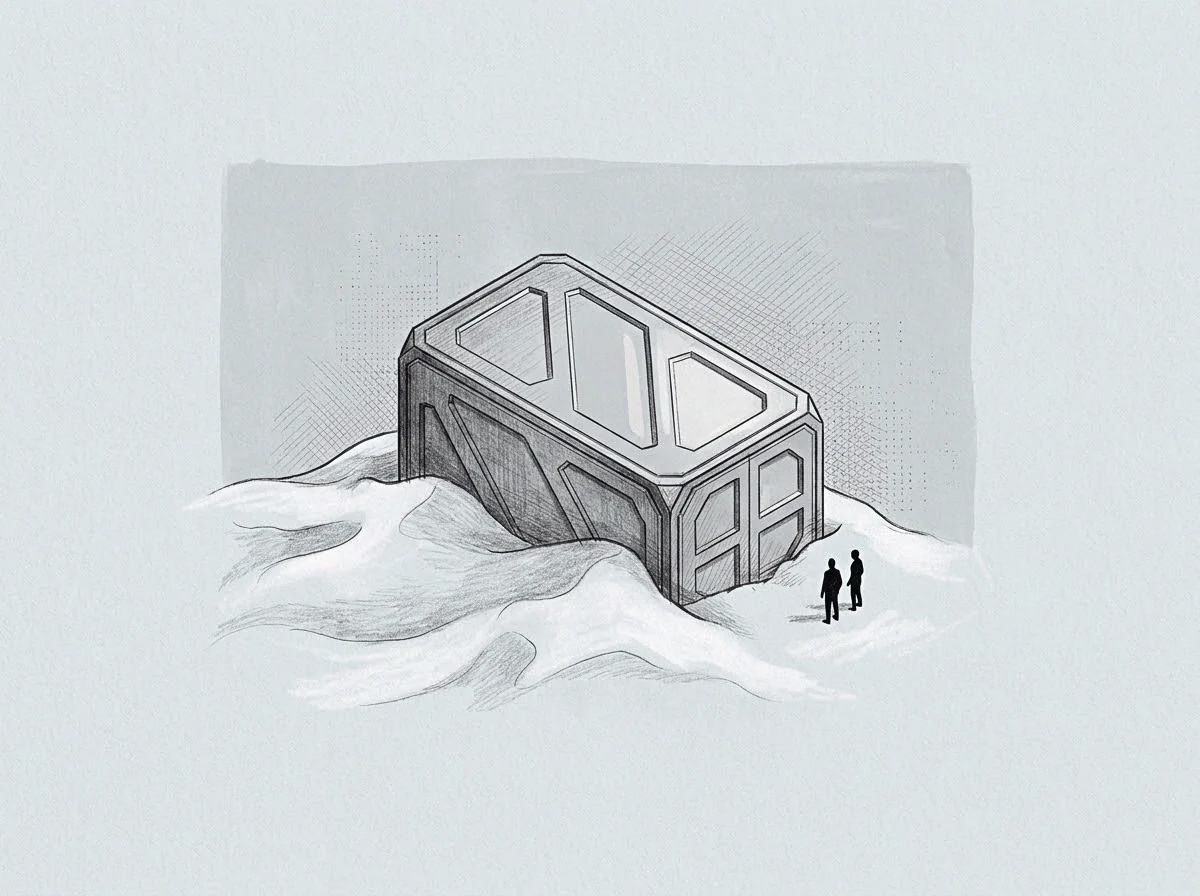
Margin
Solitary governance alters basic metabolic accounting. When an operator spends eighteen months holding ultimate liability without a peer across the table, the central nervous system reallocates autonomic resources toward constant vigilance. Social baseline theory demonstrates that the human brain treats physical and relational proximity as its default operating state.
Removing that presence forces the brain to classify the environment as fundamentally resource-poor and hostile. The autonomic nervous system shifts baseline tone toward sympathetic dominance, elevating nocturnal heart rate, blunting high-frequency heart rate variability, and suppressing vagal tone while executive function remains superficially intact.
Every decision carried alone imposes a metabolic surcharge. The operator sits before a screen at midnight reviewing cash reserves, aware that revealing apprehension to employees risks departures and speaking plainly to board members risks capitulation. Because the operator conceals the strain, observers read the silence as unshakeable capacity.
Load transferred into an isolated node stays there, consuming real fuel.
The human brain calculates environmental threat against the immediate availability of a trusted physical ally.
Isolation within executive leadership acts as a steady drain on parasympathetic reserves that sleep fails to clear. When the sympathetic branch stays engaged for months without physical co-regulation, the threshold required to achieve true autonomic restoration climbs. A rest day or a quiet weekend fails to trigger restorative parasympathetic tone because the brain’s predictive model continues to register absolute isolation.
An operator routinely mistakes this chronic physiological state for simple fatigue, assuming a single night of rest will reset the baseline.
When an operator misinterprets sustained autonomic elevation as standard professional strain, the biological cost compounds daily until the nervous system enforces its own deceleration through exhaustion, cognitive slowing, and circulatory collapse.
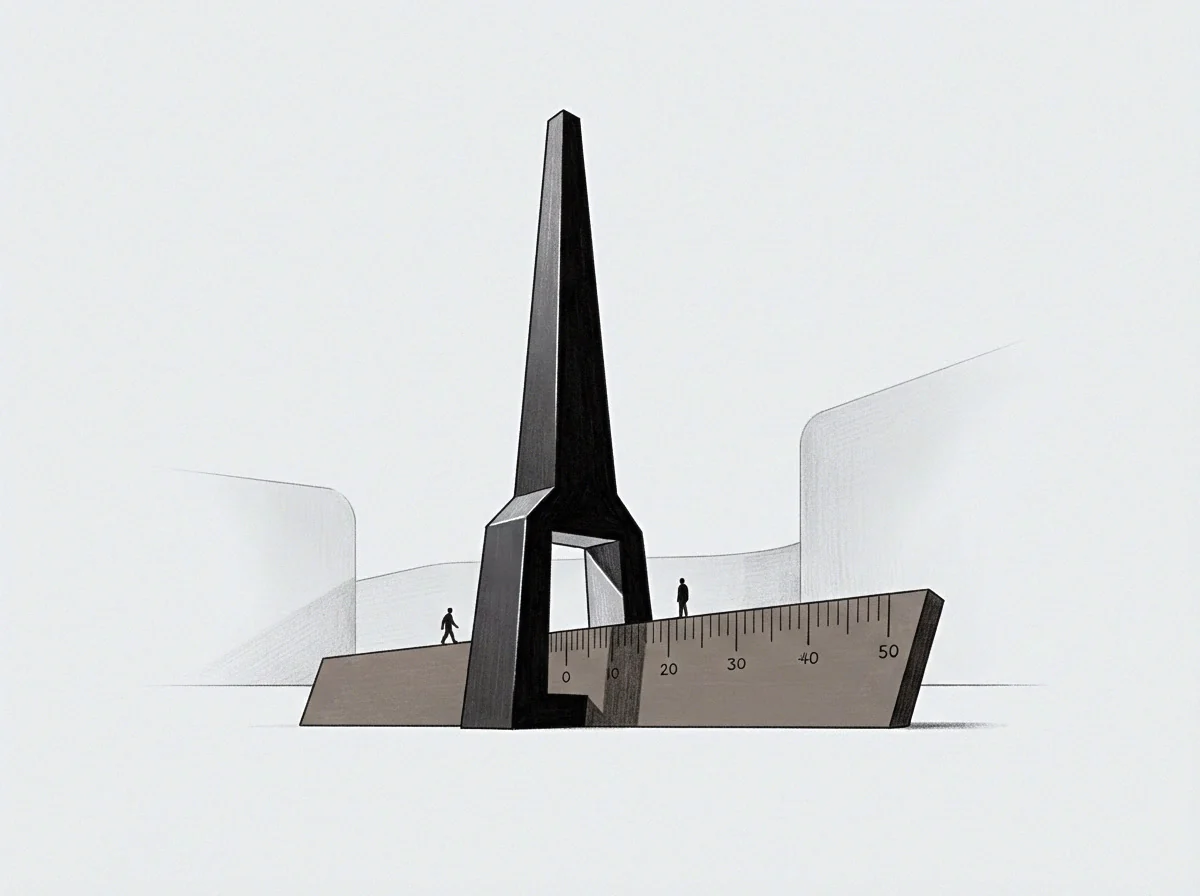
Cord
Biometric monitoring reveals the physical toll of sustained solitary command. The vagal brake, governed by the myelinated vagus nerve, normally slows heart rate and allows the body to conserve energy. Under relentless solitary liability, this brake disengages.
The loss of parasympathetic braking leaves the cardiovascular system open to continuous catecholamine exposure, producing distinct signatures on electrocardiogram telemetry and photoplethysmography in leaders operating without relational support.
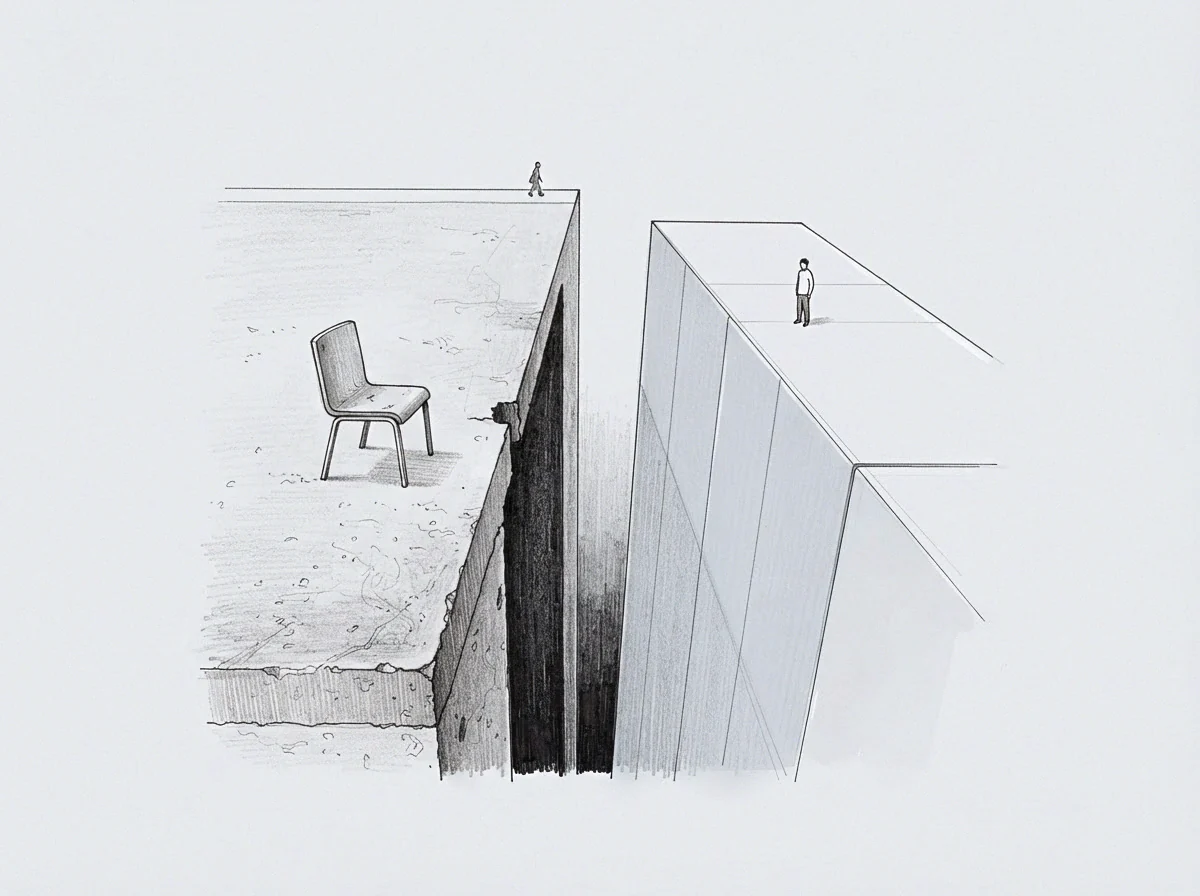
Autonomic Signatures Under Prolonged Isolation
Clinical observation identifies specific markers that deviate when social baseline offloading disappears and heart rate variability flattens across sustained work cycles:
- Suppressed root mean square of successive differences drops below twenty milliseconds during deep sleep cycles, indicating that vagal modulation remains paralyzed even during physical unconsciousness.
- Elevated resting heart rate stays ten to fifteen beats above historical baselines during sedentary desk hours, showing an unyielding adrenergic drive.
- Depressed baroreflex sensitivity blunts the cardiovascular capacity to cushion acute blood pressure spikes during high-stakes negotiations.
- Attenuated heart rate recovery leaves post-exercise cardiovascular metrics elevated for hours rather than minutes, signaling delayed parasympathetic reactivation.
These physiological deviations reflect the absence of borrowed regulation, where physical proximity normally cuts metabolic expenditure. A steady peer in the room lowers respiratory rates and dampens amygdala reactivity without a word spoken. Without that physical anchor, the solitary leader manufactures stability entirely out of glucose, cortisol, and cognitive control, and the body records the deficit directly.
Sustained sympathetic activation without a relational buffer permanently recalibrates basal homeostatic set points.
When this state persists past a single quarter, the nervous system contracts inward as the endocrine system sustains elevated salivary alpha-amylase and altered nocturnal cortisol curves. The leader continues making decisions while the physical foundation supporting those choices deteriorates in a silent room.
The contract governing the position binds the individual to sole responsibility, and that legal isolation dictates the physical trajectory of the heart.
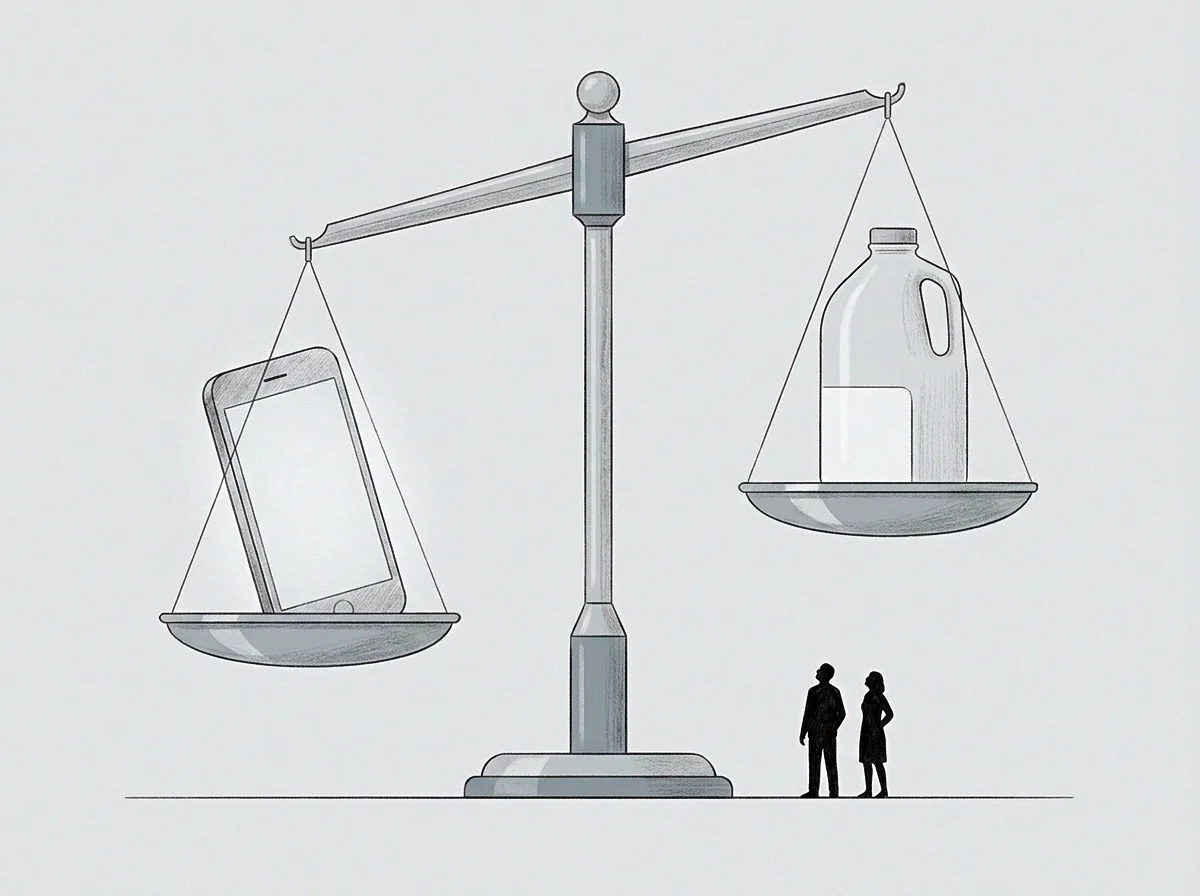
Latency
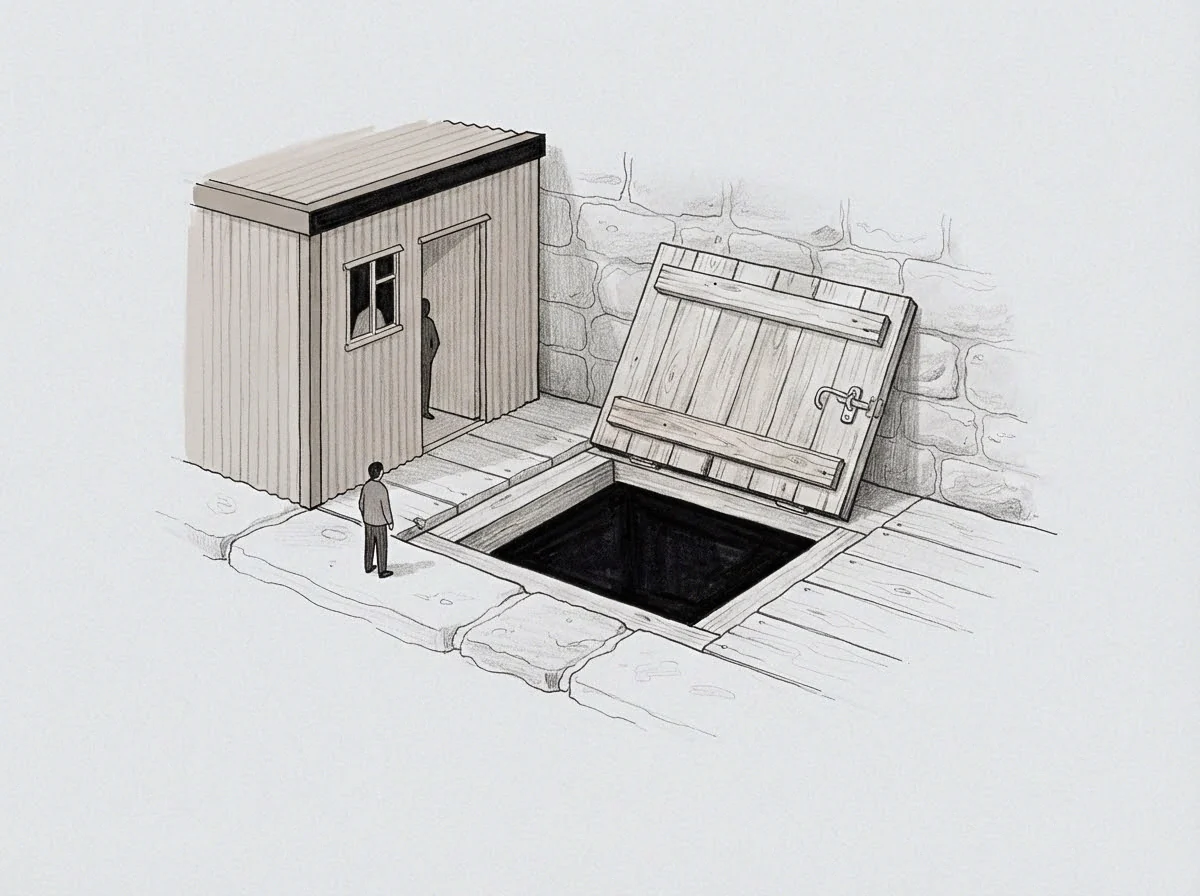
Recovery intervals expand as operational isolation deepens. In a regulated nervous system, an acute stressor triggers a sharp sympathetic peak followed by a prompt parasympathetic rebound within twenty to forty minutes. For an isolated founder holding sole fiduciary exposure, that rebound interval stretches into hours, days, or fails to occur entirely before the next operational demand arrives.
Autonomic latency denotes the time required for root mean square successive differences and low-frequency to high-frequency ratios to return within ten percent of true baseline post-threat.
Does Autonomic Recovery Stall Without Co-Regulation?
Observable physiological data confirms that relational insulation stalls parasympathetic rebound and raises baseline metabolic costs. A leader who processes every threat without a trusted counterpart experiences what stress physiology classifies as allostatic load accumulation. The threshold at which the autonomic nervous system re-engages parasympathetic restoration shifts steadily upward, demanding progressively longer periods of total operational disengagement to achieve negligible recovery.
| Isolation Tier | Average Sleep RMSSD | Sympathetic Clearance Time | Parasympathetic Rebound Rate |
|---|---|---|---|
| Distributed Co-Leadership | 48 to 65 ms | 25 to 40 minutes | Standard baseline restoration within sleep cycle |
| Advisory-Only Contact | 28 to 42 ms | 90 to 180 minutes | Partial restoration with persistent nocturnal spikes |
| Absolute Founder Isolation | 12 to 22 ms | Exceeds 480 minutes | Suppressed rebound with cumulative autonomic deficit |
The data demonstrates how structural isolation governs recovery kinetics. An isolated founder with no lateral equal spends entire nights in partial sympathetic arousal, with vagal tone dropping quickly because the brain perceives no safety signal from the social horizon. The structural reality of solitary liability is processed as an immediate physical hazard that rest alone cannot resolve.
True autonomic down-regulation requires neural recognition of safety that solitary executive rest rarely supplies.
A founder can spend an uninterrupted evening offline, reading or sitting quietly, while morning biometric readings show zero recovery because no secondary node absorbs the excess demand. The brain monitors the balance sheet, payroll deadlines, and board alignment as physical hazards that must be confronted alone, draining autonomic reserves.
Whether prolonged solitary nervous systems can ever fully recover historical parasympathetic responsiveness without abandoning absolute operational liability remains unresolved in clinical physiology.
Valve
Throttling represents an autonomic safety intervention. When sympathetic over-activation reaches metabolic limits, the system executes an involuntary down-regulation often mistaken for clinical depression. The dorsal vagal complex takes precedence, dampening affective range, dulling motivation, and inducing operational apathy.
This shut-down serves as a protective circuit breaker, limiting cardiovascular strain at the expense of executive initiative.

Protective Circuit Sequences
The autonomic nervous system descends through predictable defensive states when isolated liability remains unabated. This progression follows a strict biological order:
- Hyper-arousal compensation drives frantic, late-night communication and obsessive monitoring of operational metrics, burning available sympathetic reserves.
- Vagal withdrawal removes heart rate deceleration, producing physical agitation, gastrointestinal distress, and fragmented sleep architecture.
- Dorsal vagal dominance drops metabolic activity to minimum sustaining levels, producing flat affect, communicative paralysis, and profound detachment from corporate outcomes.
A founder experiencing this sequence often assumes a loss of personal ambition or resolve, but the mechanism is physiological exhaustion caused by carrying systemic weight without a lateral counterweight. When a system cannot offload regulation onto another human body, it turns down its own power consumption.
Autonomic shut-down acts as an involuntary circuit breaker against unchecked metabolic debt.
External observers routinely misinterpret this state. When communication halts on urgent threads, the silence reads as indifference to the survival of the enterprise.

Template
Restoring recovery capacity demands architectural intervention rather than cognitive reframing. An internal working model built around solitary containment cannot simply decide to feel supported. Recalibration occurs through repeated, physical experiences of distributed liability, requiring structured lateral seats where actual authority, fiduciary weight, and operational exposure are shared directly.

Rebuilding Autonomic Capacities
Biometric metrics shift only when the nervous system registers genuine relational safety. The presence of a peer who bears equal legal and operational consequences reopens the capacity for shared regulation. Over months of shared responsibility, the brain’s predictive models update threat calculations: nocturnal resting heart rate drops, the vagal brake re-engages, and parasympathetic recovery latency shortens to normal physiological windows.
Insight into one’s isolation does nothing to soothe the heart rate. Physiological relief requires the physical presence of an equal bearing the actual load.