Meaning
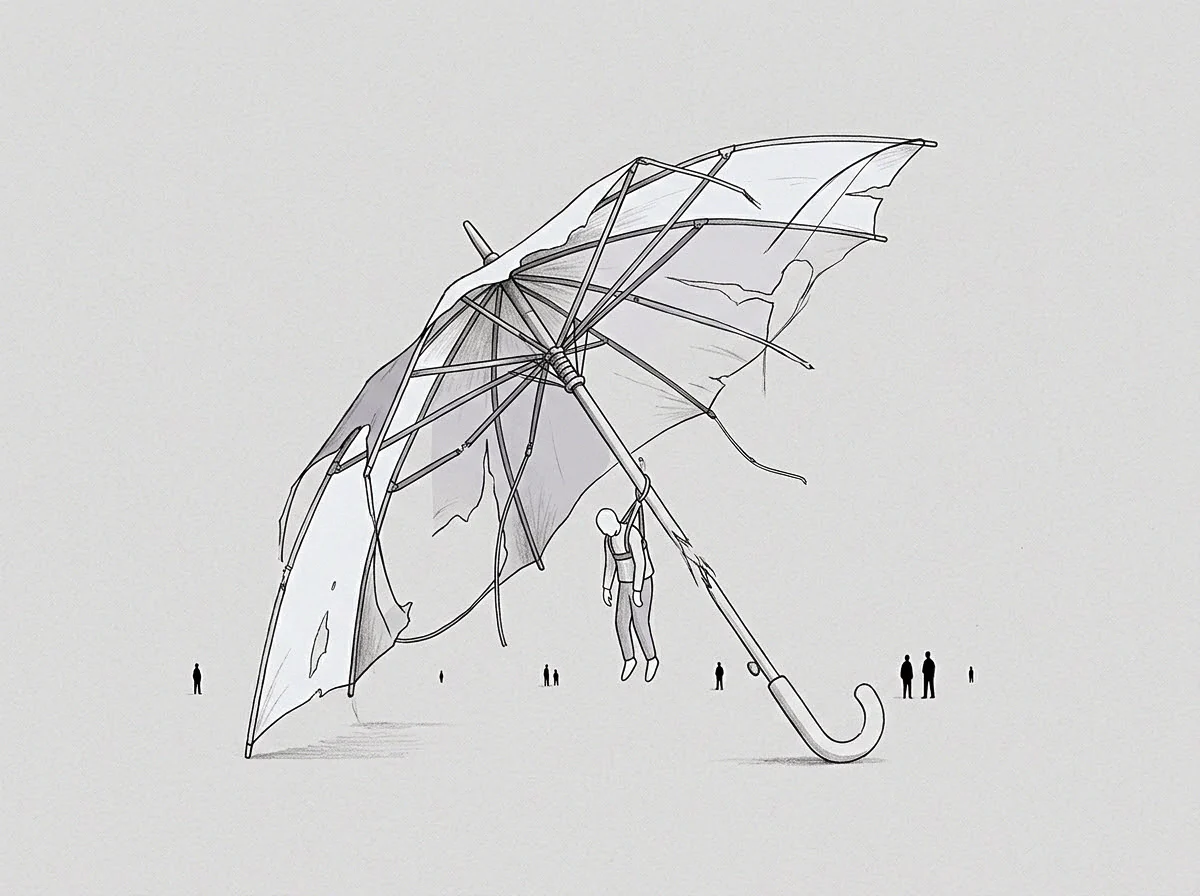
Parasympathetic neurobiological pathways mediate unconditioned immobilization, metabolic conservation and behavioral withdrawal under prolonged systemic overwhelm. The dorsal vagal state represents an involuntary drop in energetic output when co-regulatory buffers and sympathetic mobilization fail to resolve an unremitting environmental demand. It governs the absolute physiological basement of human stress accommodation, suspending forward action to prevent systemic collapse.
Application of the construct ceases when safety signals restore social engagement or sympathetic energy.
Inhibition Dynamic
Profound behavioral shutdown manifests as flat affect, communicative paralysis and visceral disengagement from operational duties. Under unmanageable pressure, a dorsal vagal shift overrides conscious executive intent, rendering deliberate problem-solving temporarily inaccessible. Motor initiation stalls while subjective perception narrows into passive numbness.
The response acts as an unchosen biological circuit breaker during catastrophic cognitive overload.
Capacity Expenditure
Total available output falls to bare physiological baseline maintenance during acute activation. An affected founder loses the physiological substrate required for complex speech, lateral coordination and emotional attunement. Restoring basic function requires prolonged metabolic rest, gentle sensory down-regulation and the complete absence of acute demands.
The biological cost is paid in lost operational days, depleted stamina and zero cognitive bandwidth.
Recovery Boundary
Environmental stabilization must precede any sustainable re-emergence into functional engagement. Demanding immediate performance from an immobilized nervous system deepens the duration of biological withdrawal. Recovery depends upon sustained physical stillness, quiet environments and the withdrawal of interpersonal evaluations.
The dorsal vagal shutdown breaks only when involuntary neuroception detects unambiguous evidence that external pressure has ceased.