
Rebuilding Somatic Safety When Leadership Load Outpaces Capacity
Somatic safety recovers when structural isolation arrests incoming operational load, allowing relational proximity to restore autonomic resilience over time.
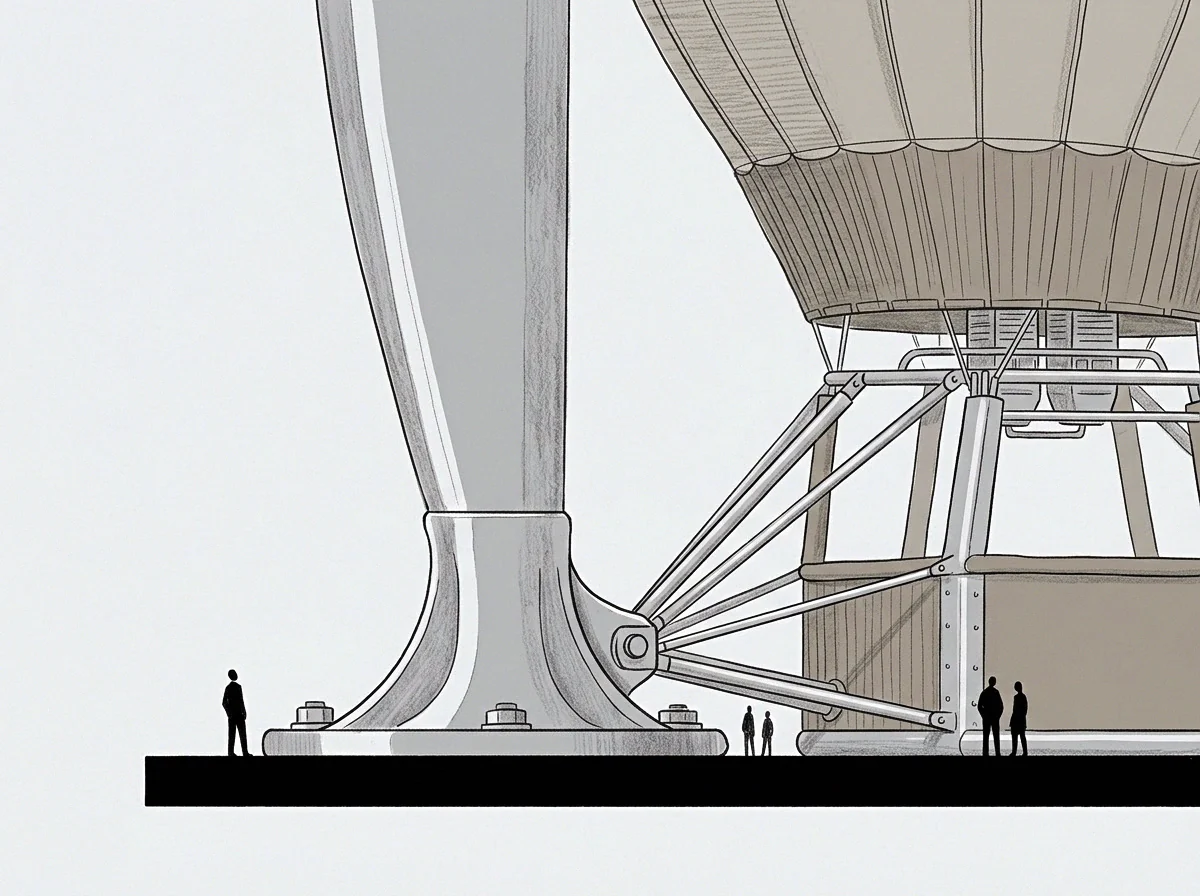
Floor
Four unanswered messages sit on a lit screen at midnight while the room stays dark. The founder sits upright with feet pressed flat against wood, jaw set, waiting for an internal drop in vigilance that does not arrive. Breathing stays high in the throat, muscles primed for impact.
The day concluded five hours ago, yet the body remains locked in defense, scanning operational threads for catastrophic failure. Leadership demand has outrun the biological baseline required to sustain it.
Allostatic load accumulates when environmental pressures exceed metabolic recovery over unbroken periods. Under sustained asymmetric responsibility, the nervous system stops treating the immediate workplace as a cooperative space and switches into solitary survival mode. Self-regulation without relational support demands heavy glucose expenditure from neural tissue.
Because proximity alters metabolic burn, holding operational authority for dozens of livelihoods leads the nervous system to treat every decision as existential defense.
A solitary nervous system calculates every unshared operational hazard as direct physical threat.
Physiology collects its toll for prolonged stillness. The autonomic response cannot differentiate between venture solvency risks and acute predatory threats. Heart rate variability drops steadily while sympathetic tone dominates the cardiovascular cycle, depressing vagal influence over baseline visceral rhythms.
As persistent strain takes hold, sleep fragments into shallow cycles. Physical tension settles into the fascia of the shoulders, diaphragm, and pelvic basin, narrowing cognitive bandwidth to near-term damage mitigation as executive judgment degrades into threat anticipation.
Drainage
Colleagues draw stability from an executive presence without recognizing the physiological withdrawal it enacts. Social baseline theory demonstrates that the human brain treats social contact as an energetic economy: close physical access to a calm, capable presence reduces neural activation in threat-prediction regions. To teams, clients, and partners, a calm demeanor signals environmental security even as that steadiness conceals severe depletion.
Those around the leader offload anxiety simply by entering the room, letting their elevated cortisol drop as they speak.
Where Does Somatic Reserve Deplete First?
Depletion appears in the visceral circuits that govern involuntary autonomic recovery. When executive load persists past baseline capacity, somatic reserves drain across distinct physiological axes:
- Vagal Brake Inefficiency manifests when parasympathetic deceleration of the sinoatrial node fails during brief work pauses, keeping cardiac pacing elevated.
- Neuromuscular Bracing presents as chronic isometric tension throughout the trapezius, cervical spine, and abdominal wall during mundane administrative communications.
- Interoceptive Desensitization emerges when neural attenuation dampens thirst, hunger, and physical exhaustion cues until acute bodily collapse occurs.
- Sensory Gating Exhaustion develops when the thalamus struggles to suppress ambient auditory and visual inputs, producing sudden sensory irritability toward colleagues.
Speech slows under elevated pressure. The leader becomes an unregulated energy source for the organization, absorbing frantic escalations while transmitting measured certainty. The team borrows calm from the person in the seat, perceiving that composure as their own natural poise while the source goes unnoticed.
Isolation only inflates this metabolic cost. When the leader steps out of the office, the accumulated debt remains unpaid inside an exhausted neuroendocrine structure.
A reliable executive state functions as borrowed energy that others absorb without accounting for the lender.
The entire operation assumes the executive battery recharges automatically through sheer will. Silence carries its own physical cost. When the leader finally hesitates, fails to respond, or speaks with cold flatness, the surrounding group reads the deficit as personal disengagement rather than somatic exhaustion, expecting that steady presence to continue indefinitely.

Wall
Relying on personal stamina to outlast structural overload causes systemic biological collapse. Leaders frequently attempt to solve autonomic depletion through willpower alone, treating the body as a recalcitrant instrument that requires discipline. Yet physiological systems obey conservation rules rather than corporate intent.
Rebuilding somatic safety demands deliberate physical architecture that cuts incoming threat velocity before inputs reach perception.

Structural Isolation Against Relational Absorption
The difference between unbuffered operational contact and structured physiological containment changes how autonomic reserves drain across an operating week.
| Operational Domain | Unbuffered Absorption | Engineered Structural Wall |
|---|---|---|
| Threat Intake Frequency | Real-time notifications trigger continuous sympathetic spikes across working hours. | Batched asynchronous dispatches restrict threat evaluation to twice per business cycle. |
| Visceral Coregulation | The leader absorbs direct employee panic, calming peers through personal metabolic expense. | Intermediate operators triage interpersonal escalation, filtering distress before executive contact. |
| Recovery Windows | Open calendar access forces continuous cognitive switching and constant social vigilance. | Protected temporal blocks preserve solitary neural downtime with zero incoming stimuli. |
| Decision Latency | Immediate responses maintain systemic anxiety by proving perpetual baseline availability. | Forced latency protocols establish predictable operational rhythms and calm team pacing. |
Unanswered pings collect in queues. When a physical or administrative wall stands between executive capacity and operational chaos, the nervous system registers tangible defense. Somatic safety returns only when the body experiences clear proof that incoming demands cannot violate biological rest periods.
A firm operational policy acts directly on the adrenal cortex by ending baseline vigilance.
A structural boundary lowers cortisol production by removing the physiological necessity for constant defense.
Erecting administrative walls changes team dynamics immediately. When an executive stops acting as an on-demand emotional sponge, the organization experiences initial discomfort. If leaders dismantle these buffers to appease short-term team anxieties, chronic neuroendocrine exhaustion converts into irreversible executive incapacitation.
Sensor
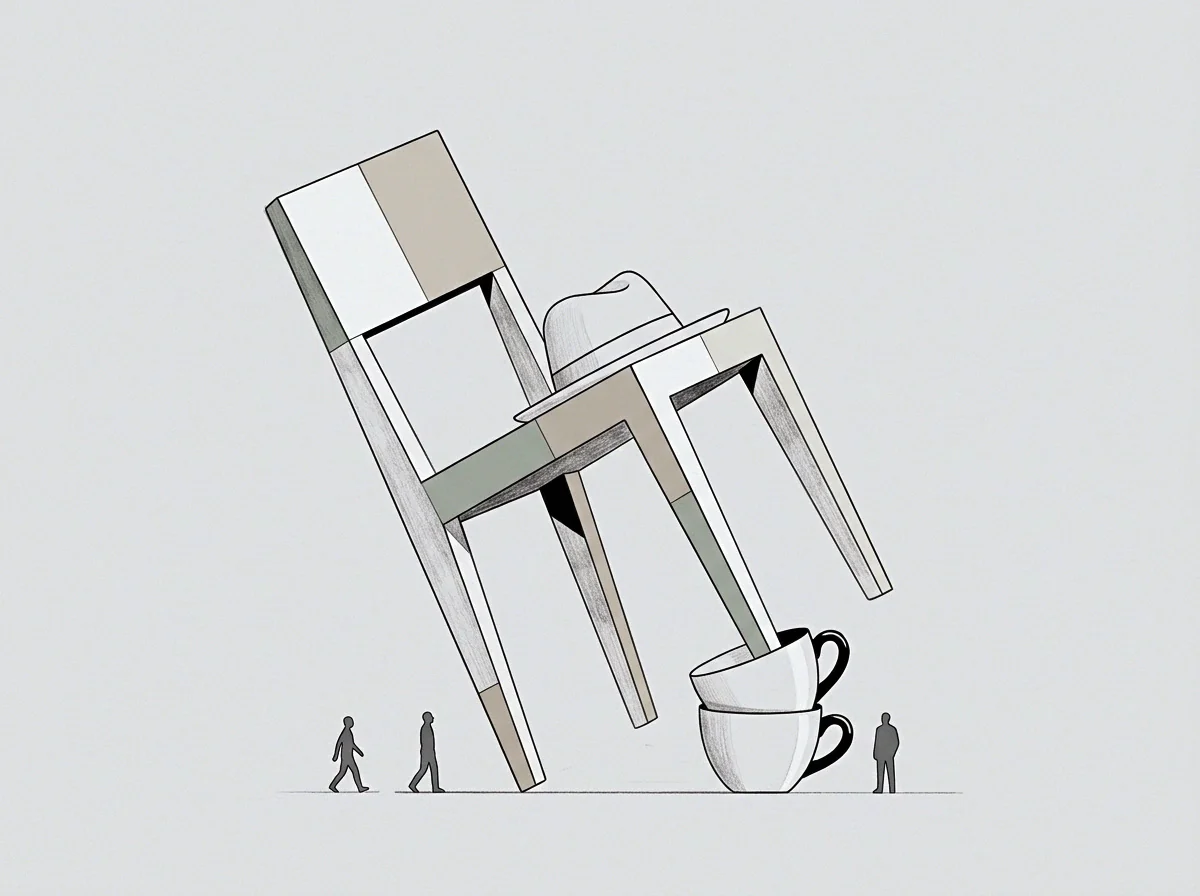
Prolonged solitary regulation damages the internal model that evaluates safety. When a leader bears heavy commercial weight over years without leaning on others, the neuroception of safety flips: human proximity registers as an operational demand rather than an opportunity for somatic relief. The body perceives offers of support as administrative liabilities carrying hidden obligations.
Receptor Slot Atrophy
In secure relational systems, an individual maintains a receptor slot: an autonomic capacity to yield load to a competent partner. Leaders conditioned by hyper-responsibility systematically dismantle this capacity, as the central nervous system fuses self-reliance with survival. Receiving co-regulation requires temporary somatic vulnerability, which a hypervigilant threat model interprets as unacceptable systemic risk.
Repeated inputs alter baseline expectations. To rebuild the sensory capacity for shared safety, the leader moves through sequential experiential shifts:
- Recognition of visceral resistance whenever an operational peer offers administrative shelter.
- Toleration of micro-exposures to shared responsibility without immediate operational verification.
- Deliberate reliance on predictable somatic baselines provided by non-demanding companions.
- Gradual autonomic surrender of operational tracking during protected windows of mutual presence.
The nervous system keeps tally. Early in this corrective process, resting beside a colleague or domestic partner can feel intensely dysregulating. The pulse accelerates because the threat sensor anticipates an incoming demand.
Intellectual understanding of attachment theory cannot override autonomic defense; true neural plasticity demands repeated physical experiences where vulnerability leads to no catastrophe.
How long can a leader maintain operational authority after the sensory capacity to register genuine safety has completely decayed?
Base
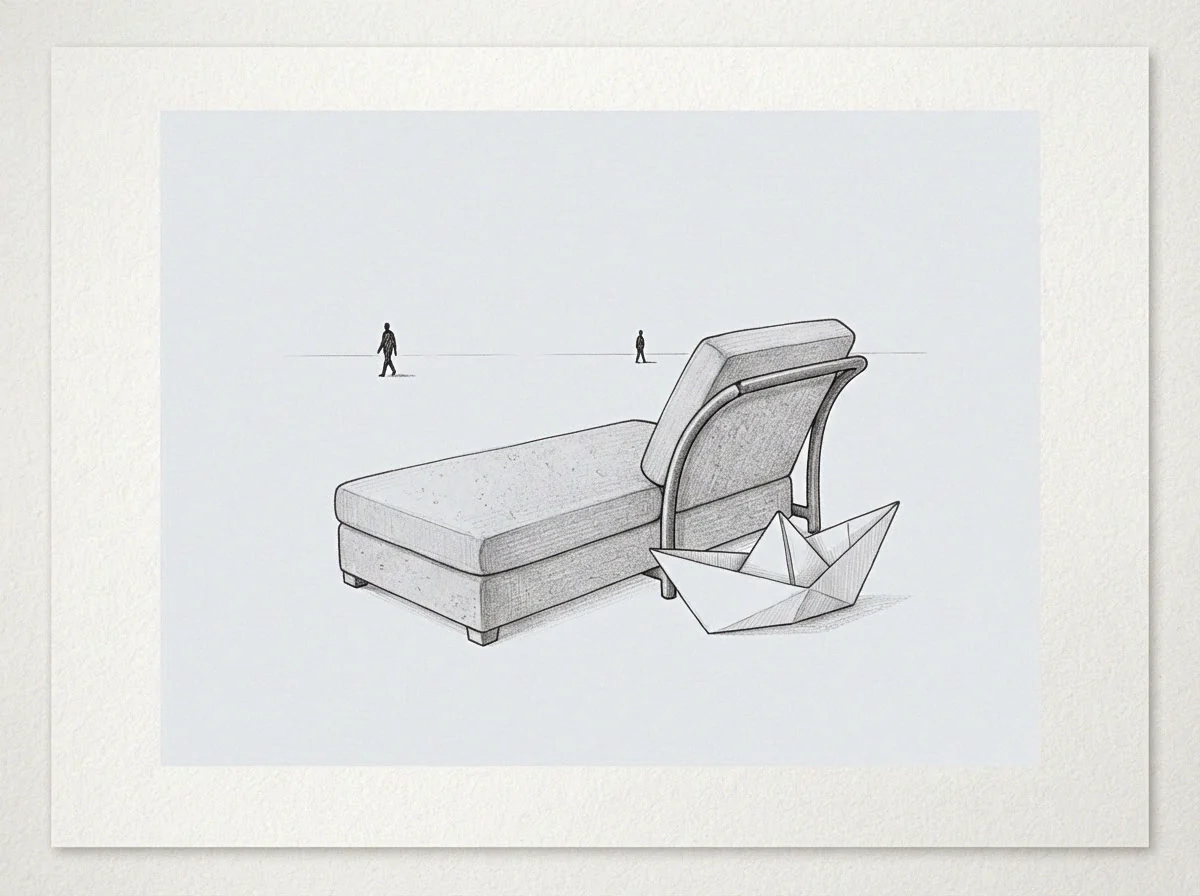
Reconstruction begins at the physical foundation. The body requires non-demanding presence, predictable sensory environments, and an end to performance metrics. Earned security develops through actual bodily encounters where safety becomes a present physical reality rather than an abstract operational concept.
Somatic restoration takes place on floors, in woods, during synchronized movement, and beside people who ask nothing of the leader’s internal reserve.
The Delta Over Time
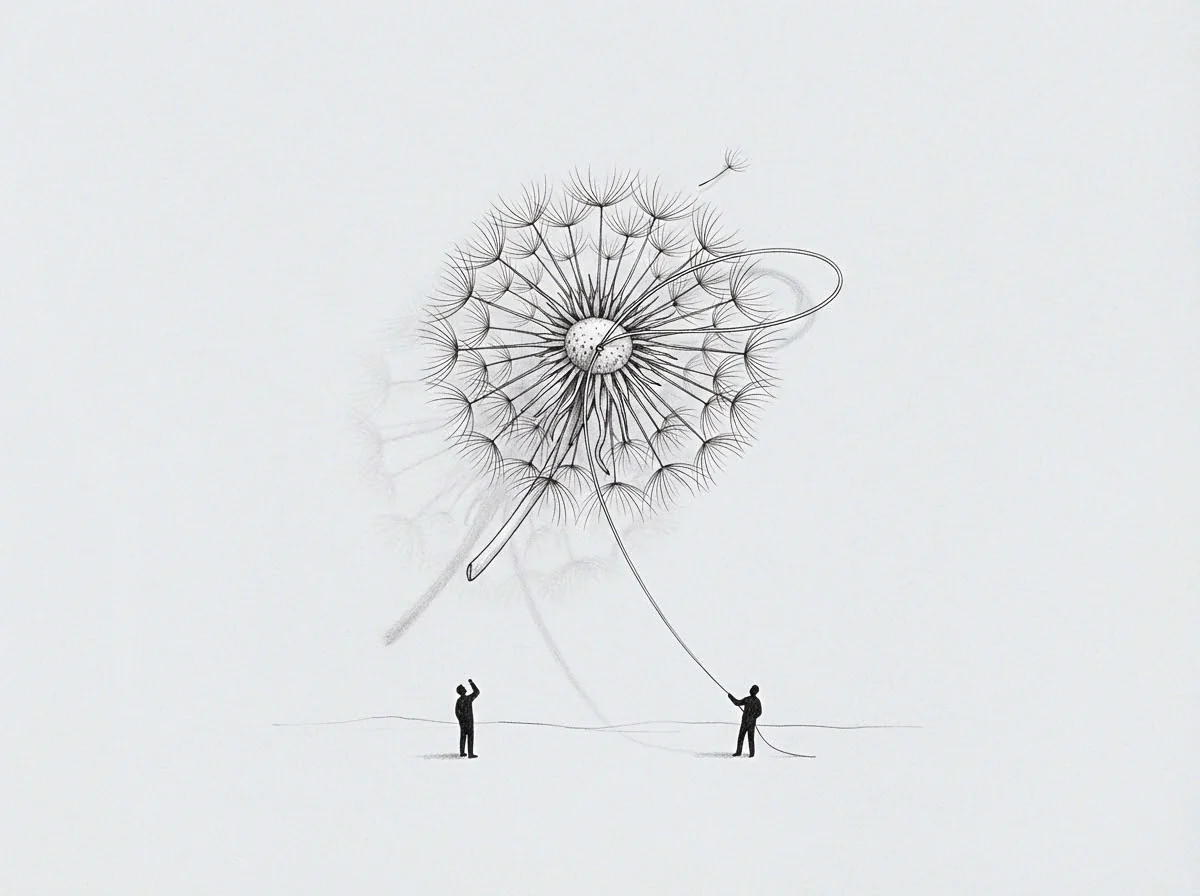
Earned somatic safety is measured by the interval between an operational shock and the autonomic return to baseline. In depleted states, a critical email elevates cardiovascular and endocrine markers for seventy-two hours. With structural walls and restored receptor capacity, that physiological perturbation subsides within forty minutes.
The nervous system recovers its natural elasticity, moving fluidly between sympathetic engagement and ventral vagal regulation.
Restoring the base requires daily physical stillness alongside reliable physical anchors. A leader lies flat on a dense rug, feeling gravity support the back without muscular intervention, as the body relearns that the earth holds weight without negotiation. Walking alongside a partner in silence, without discussing organizational strategy, recalibrates the social baseline economy at minimal neural expense.
A body grounded in physical security recovers baseline autonomic rhythm long before the enterprise settles its commercial hazards.
The update path requires patience with biological latency. Muscle tone softens incrementally over seasons rather than hours. Somatic safety returns through thousands of unremarkable, unthreatened breaths taken inside bounded spaces where performance is structurally forbidden.
When somatic security stabilizes at the base, the person in the seat can face immense commercial complexity without surrendering biological integrity.
True somatic resilience reflects the speed of autonomic recovery rather than the magnitude of sustained tension.