
Physiological Cost Of Unilateral Co Regulation In Operational Environments
Unilateral co-regulation forces an operator to metabolize organizational panic through chronic prefrontal inhibition, depleting neuroendocrine reserves.
Draw
Four operational incidents hit production infrastructure within eighteen minutes. Terminal displays stay red while three leads gather around the desk of the engineer who built the core pipeline. The room stays quiet because the person in the chair speaks in slow, level sentences, never raises a hand, and keeps breathing at twelve cycles per minute.
The engineers match that pace. Their pulse rates drop by sixteen beats within ninety seconds of sitting down, freeing enough working memory to trace a database lock. The lead absorbs the room’s tension, steadies the group, and pays for the afternoon with an evening of physical exhaustion no sleep repairs.
One person metabolized the panic of three others.
The human autonomic nervous system treats isolation as an expensive metabolic state. Under normal social conditions, proximity to a trusted peer spreads vigilance across the group, conserving neural energy and dampening amygdala responses to environmental threats. Technical environments often invert that premise.
When an organization concentrates authority and technical skill in one person, regulation flows in a single direction. The team borrows physiological stability from the operator in the center seat, mistaking that borrowed steady state for their own composure. The operator receives no balancing input, carrying an unreciprocated load for months.
Unreciprocated down-regulation of an operational team suppresses the coordinator’s heart rate variability during acute system failure.
Metabolic costs escalate during sustained one-way regulation. The prefrontal cortex holds down the sympathetic axis, keeping vocal cadence and posture steady while alarms stack across monitors. The brain treats this effort as expensive homeostatic maintenance, flooding the body with cortisol and catecholamines to preserve focus and peripheral vasoconstriction while maintaining an illusion of effortless control.
The team leaves the post-incident review calm and capable. The lead stays at the desk with trembling fingers, unable to read basic syntax.
An outside observer reading the incident review assumes the room ran on standard operational discipline. The debrief logs technical fixes, root causes, and latency metrics, leaving the physiological transfer unrecorded and noting only that the team worked with clarity under pressure.

Attractor States in Operational Calamity
The central seat acts as an autonomic anchor. When an operational crisis hits an organization, junior staff look for physical cues from the most experienced operator available. The brain constantly estimates risk by reading facial movement, vocal tone, and respiratory rhythm in whoever holds authority.
A steady presence acts as a biological sink, drawing surrounding nervous systems toward calm through mirror neuron activity and vocal entrainment.
This dynamic operates without conscious intent. Leads with high tolerance for ambiguity turn into permanent sinks for collective anxiety. The team learns, subconsciously, that stepping into the lead’s immediate presence cuts their own panic, driving up the volume of interruptions at that desk.
The lead assumes people are bringing complex technical problems that require engineering judgment. In practice, the team is bringing dysregulated nervous systems that require containment.
Every operational panic carried to the center seeks physical proximity to calm rather than technical resolution.
Repeated exposure to unmitigated team anxiety produces distinct organizational failure modes that wear down the central operator:
- Asymmetric vigilance forces the operator to track external technical threats and internal staff panic at the same time, doubling cognitive energy burn.
- Reflexive escalation occurs when team members drop local troubleshooting early because walking into the lead’s office offers faster somatic relief than running diagnostic trees.
- Structural silence develops as staff hide small uncertainties to maintain an appearance of competence, only to dump larger, compound crises into the central seat later.
- Attractor saturation leaves the central operator unable to leave physical rooms or chat channels without causing performance to collapse across immediate reports.
The team interprets continuous availability as bottomless capacity. When that lead finally closes an office door or takes four hours to reply, the silence creates immediate organizational vertigo that stalls standard work.
Strut
Physical supports fail when mechanical tension exceeds fastener shear strength. Biological systems show the same limits under constant social load. When an operator acts as an unyielding strut across two years of venture instability, the neuroendocrine system suffers ongoing micro-damage that degrades physical vitality.
Endocrine Costs of Continuous Containment
Suppressing signs of distress requires active prefrontal inhibition of the hypothalamus. This clamp blocks the outward expression of fear, rage, or fatigue, locking the sympathetic nervous system in an active state with no physical outlet. High vagal tone sits paired with sympathetic co-activation, a costly biological compromise.
The operator sits completely still while their cardiovascular system handles the vascular resistance of a full sprint.
| Physiological Metric | Reciprocal Calibration | Unilateral Absorption |
|---|---|---|
| High-Frequency Heart Rate Variability | Preserved through dynamic vocal and somatic exchange | Severely suppressed by persistent top-down inhibition |
| Diurnal Cortisol Slope | Normal steep drop from morning peak to evening trough | Flattened curve indicating hypocortisolemia and receptor resistance |
| Pupillary Oscillations Under Load | Transient dilation followed by rapid constriction recovery | Sustained mydriasis reflecting continuous norepinephrine release |
| Nocturnal Autonomic Recovery | Parasympathetic dominance achieved within sixty minutes of sleep | Prolonged sympathetic tone preventing delta-wave memory consolidation |
The measurements show the hidden cost of absorbing the room. Reciprocal calibration lets partners share the regulatory load, giving each nervous system time to rest. Unilateral absorption forces one person to maintain continuous vigilance, preventing nocturnal parasympathetic recovery and draining neuroendocrine reserves.
The operator who absorbs the room without returning a tremor eventually breaks on a Tuesday over an unformatted invoice.
Consider an engineering director managing sixty people across two continents through a debt restructuring. The director keeps composure through weekly town halls, board meetings, and vendor disputes, earning praise for being steady under fire. By month fourteen, that same director suffers from afternoon brain fog, gut permeability, and chronic Achilles tendon inflammation.
The immune system has reallocated resources to sustain chronic hypervigilance.
The body interprets unyielding emotional composure in a high-threat environment as a continuous predatory siege, shifting resources away from tissue repair toward immediate survival until physical structures give out.
Bed
Social baseline theory holds that the brain treats social resources as bioenergetic capital. Surrounding an organism with reliable peers lets the brain delegate risk perception and energy conservation to the group. In an asymmetric structure, that social foundation collapses onto a single person.
The operator absorbs total bioenergetic liability for the system, acting as if surviving alone in freezing conditions while sitting in an air-conditioned office.
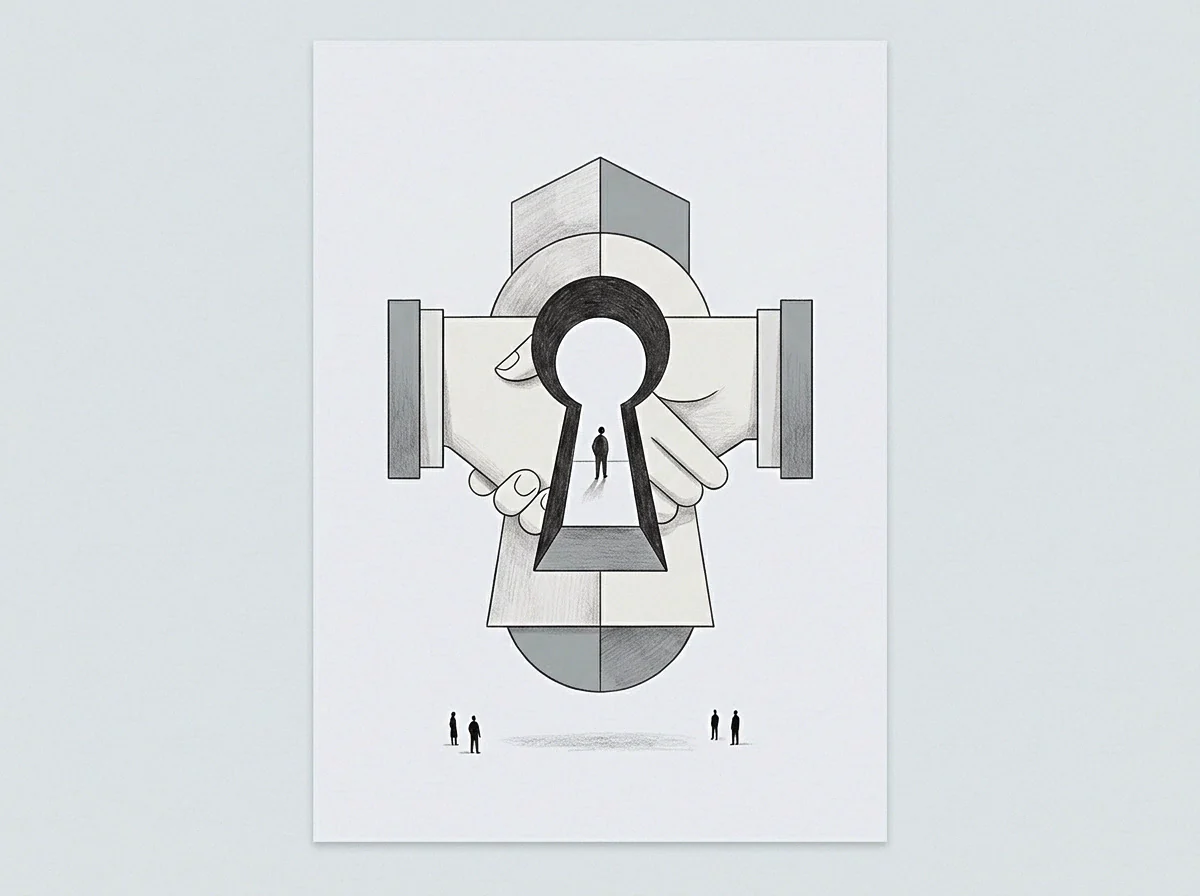
Could Sustained Downregulation Prevent Chronic Allostatic Flattening?
Practitioners debate whether targeted down-regulation routines can shield an operator from unilateral regulatory strain. One branch of occupational psychology holds that somatic practices like cyclic sighing or cold exposure restore autonomic tone regardless of organizational pressure. That conclusion, however, draws on small studies measuring brief laboratory stressors rather than multi-quarter operational risks.
The counter-argument is that true biological recovery requires reciprocal relationships—a nervous system cannot resolve social exhaustion through solitary drills alone. Field observation supports the relational view: solitary techniques offer short-term breathing room while leaving the underlying allostatic debt untouched.
One-way regulation alters the operator’s internal model of relationships. Human attachment systems rely on reciprocal loops where distress receives a matching response. When someone spends years running that process strictly in reverse—functioning always as the calming presence without ever being coregulated in return—the brain loses its capacity to accept support.
The receptor closes. Incoming offers of help trigger immediate suspicion, with warmth interpreted as incompetence or a prelude to more work.
A closed regulatory receptor treats every external offer of support as an unfiled request for supervision.
Eventually, proximity to colleagues brings zero autonomic relief. Solitude becomes the only context where the sympathetic nervous system lowers its guard, even though isolation provides no social baseline recovery. The operator ends up trapped between the physical strain of holding the group and the metabolic drain of solitary vigilance.
The open question is whether an operator whose nervous system has hardened against receiving coregulation can reopen that capacity while remaining in the same role.
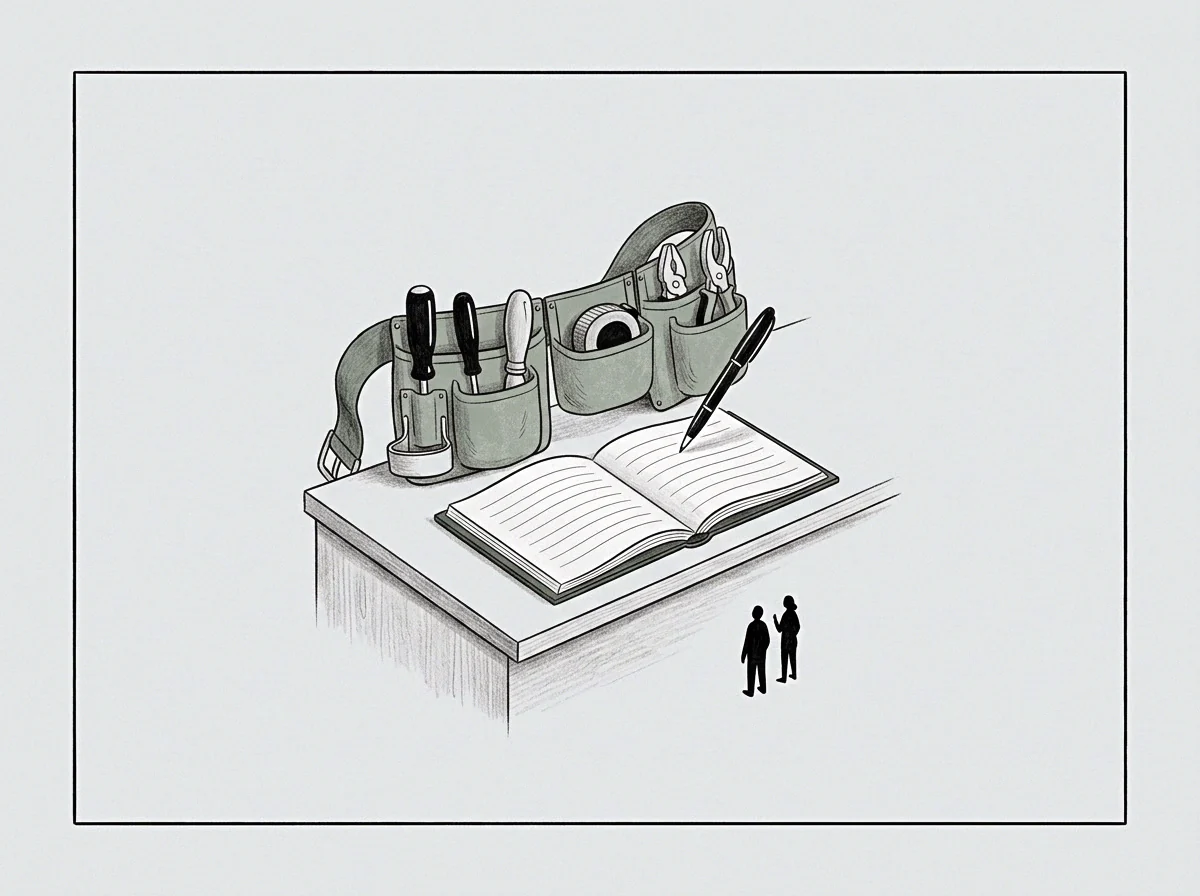
Splice
Fixing a broken regulatory dynamic requires structural changes to daily workflow. Intellect alone does not change neuroendocrine output; an operator cannot reason their vagus nerve into calm while three direct reports stand at the desk with elevated heart rates. Real recovery depends on operational boundaries that reintroduce friction to the transfer of anxiety.
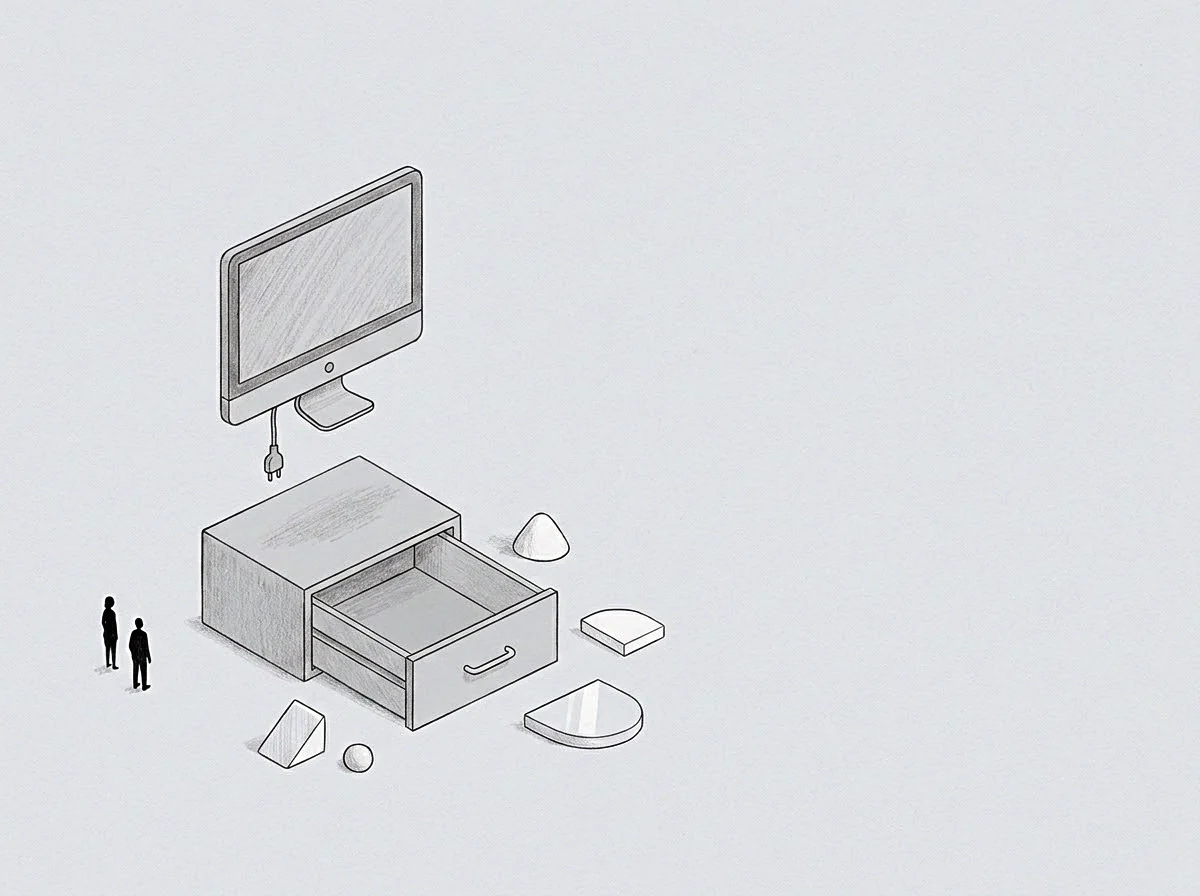
Constructing Stated Limits Against Asymmetric Siphoning
The operator cuts off unilateral strain by eliminating continuous synchronous access during routine work. Physical presence is the main channel for autonomic contagion. Replacing open-door drop-ins with structured, asynchronous updates stops the team from absorbing composure by osmosis, forcing staff to process routine operational uncertainty through documentation and peer consensus.
This transition triggers immediate friction. Team members often report feeling unsupported or isolated during the first three weeks of asynchronous communication. At the same time, the operator contends with guilt—the internal friction of an old behavioral pattern resisting change.
Maintaining the boundary through this phase forces the team to build horizontal support networks instead of funneling all anxiety straight to the center.
The core intervention is an explicit limit agreement. By defining the exact conditions under which an incident permits real-time, physical escalation, the organization stops treating the lead’s desk as an open destination for unregulated panic.