

Cognitive Residue Management in High Speed System Operations
Attentional residue from unclosed operational loops fills working memory slots, causing executive throttling and system latency during high-speed operations.
Attentional residue from unclosed operational loops fills working memory slots, causing executive throttling and system latency during high-speed operations.
Structural gating protocols convert ungated cognitive loops into bounded operational inputs, mitigating executive allostatic load and preserving system capacity.

Continuous asynchronous decision queues saturate working memory slots, elevating allostatic load and throttling executive throughput.

Allostatic load accumulates when ungated operational loops consume working memory slots, forcing executive capacity into chronic physiological throttling.
Executive capacity collapses when operating metrics hide solitary allostatic load caused by decoupled organizational coregulation.
Structural input gating buffers prefrontal working memory from raw operational signals, halting allostatic exhaustion and stabilizing executive performance.
Sustained executive strain downregulates central glucocorticoid receptors and restricts prefrontal working memory capacity to conserve metabolic resources.
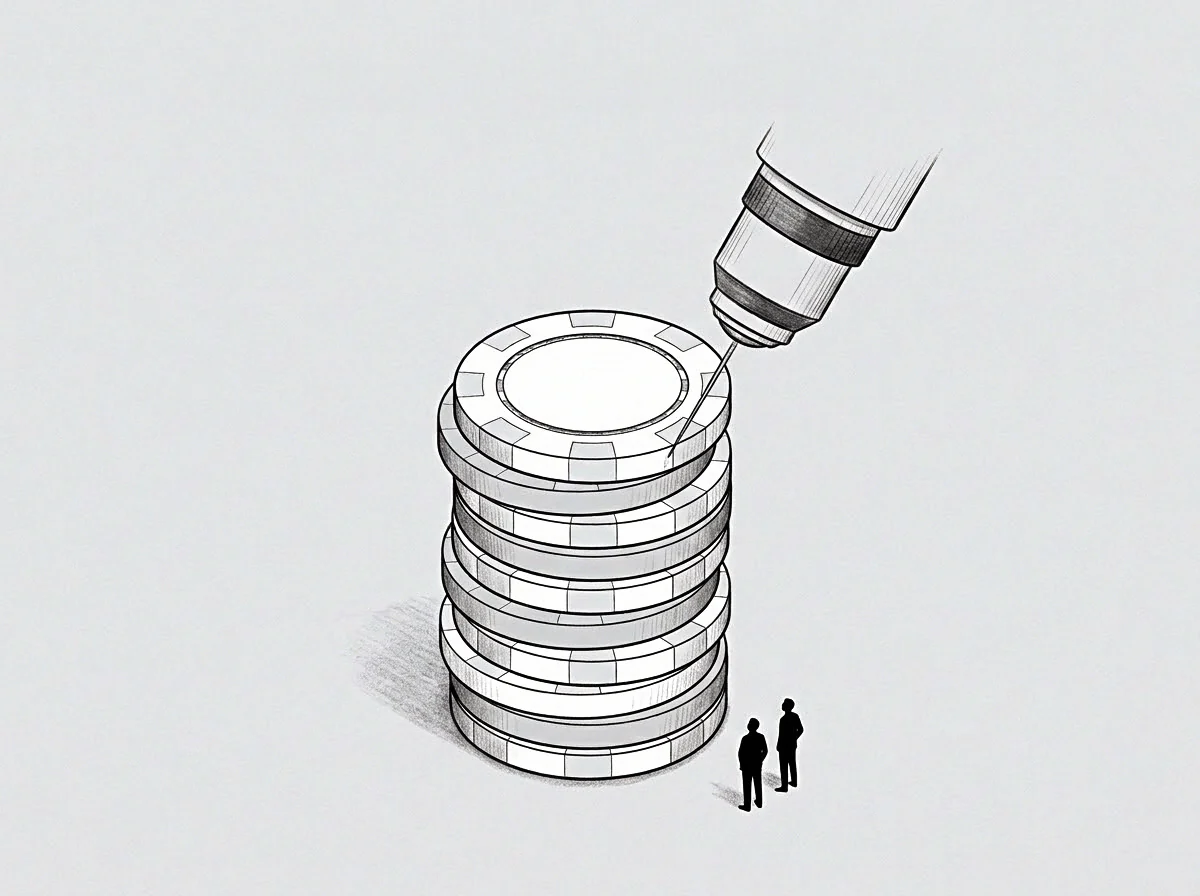
Executive co-regulation shunts autonomic threat responses onto steady operators, depleting metabolic headroom while masking team operational instability.

Executive capacity throttling protects overloaded working memory by dropping novel synthesis while preserving structured execution, differing from clinical depression.
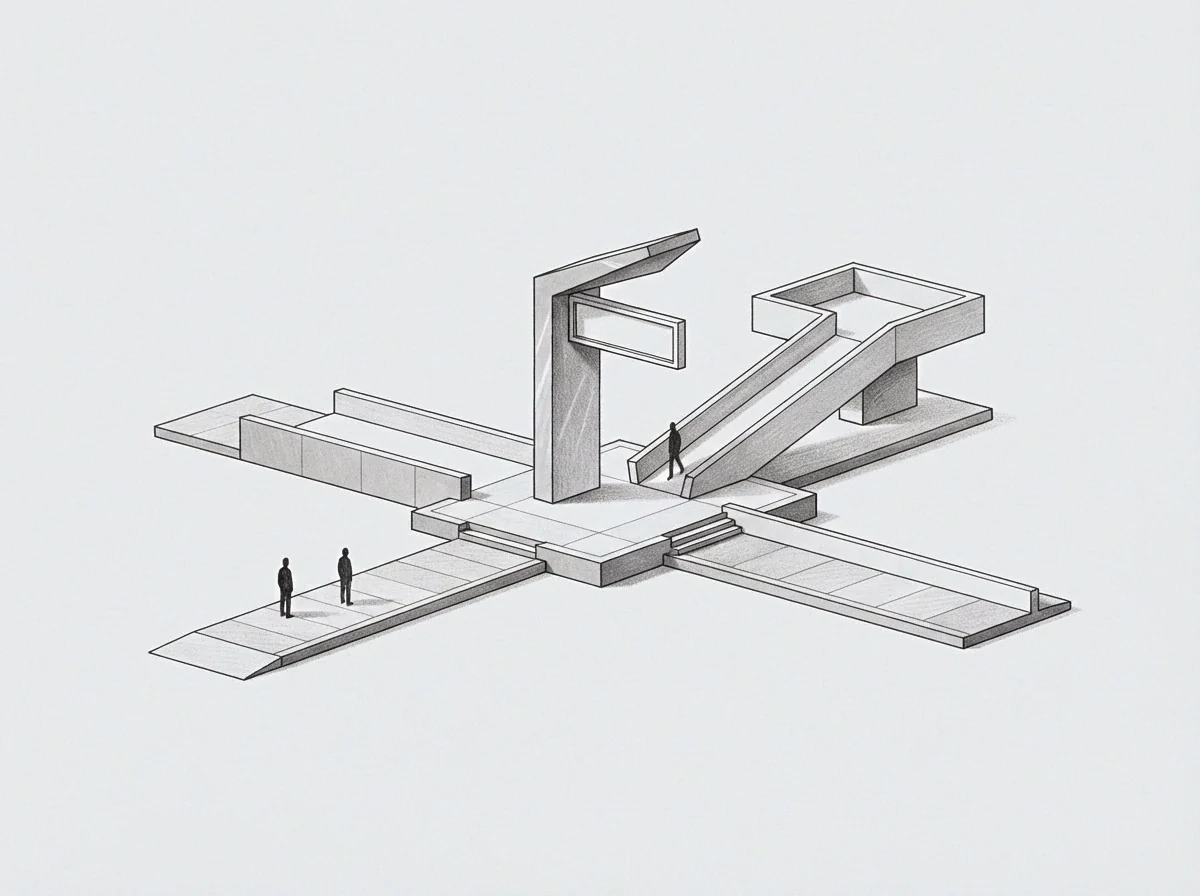
Portfolio governance gates insulate capital placement by transferring allocation limits from fatigued decision makers to binding procedural hurdles.

Allostatic overload triggers executive cognitive throttling when unconstrained operational concurrency exceeds biological working memory thresholds.

Bounded authority gates establish explicit thresholds for autonomous frontline action, removing executives as manual bottlenecks to eliminate latency.
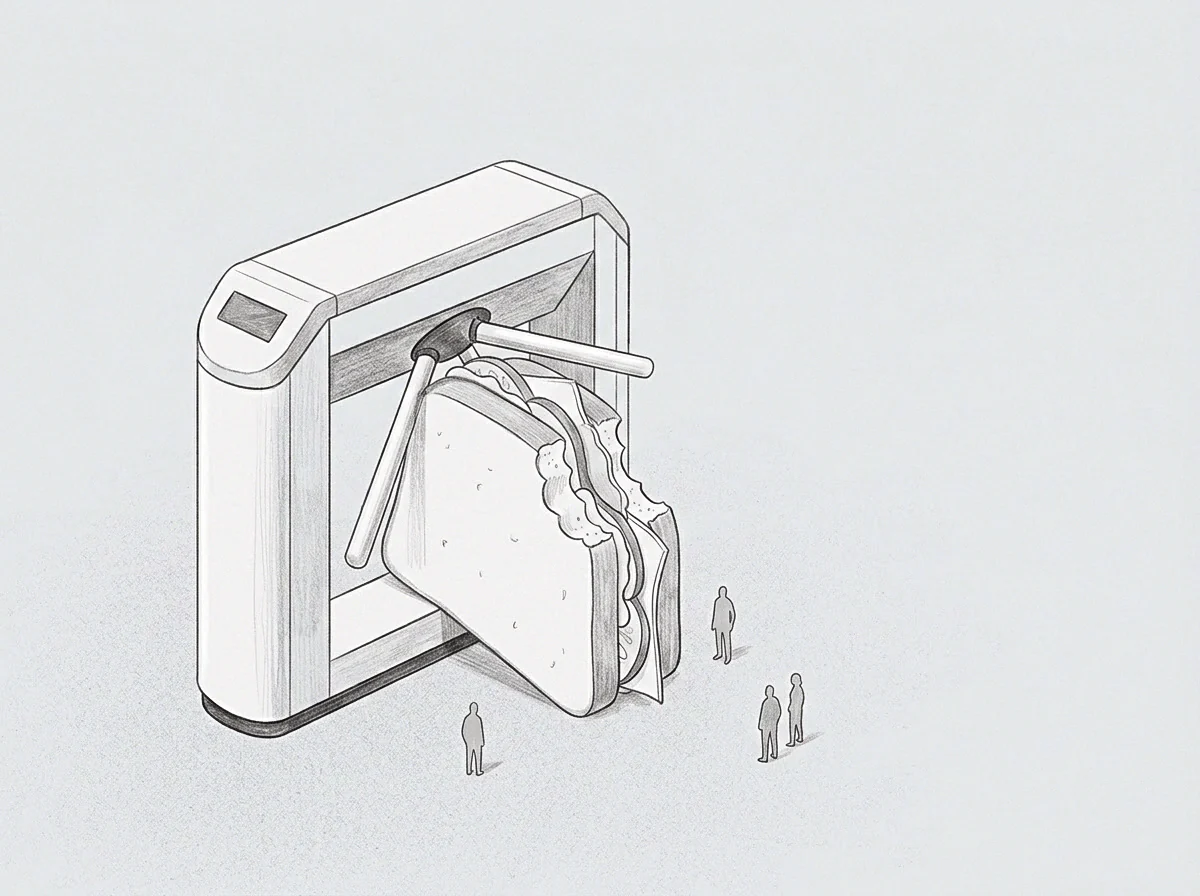
Structural thread gating eliminates continuous autonomic vigilance from open cognitive loops, lowering peripheral vascular resistance to reverse allostatic load.
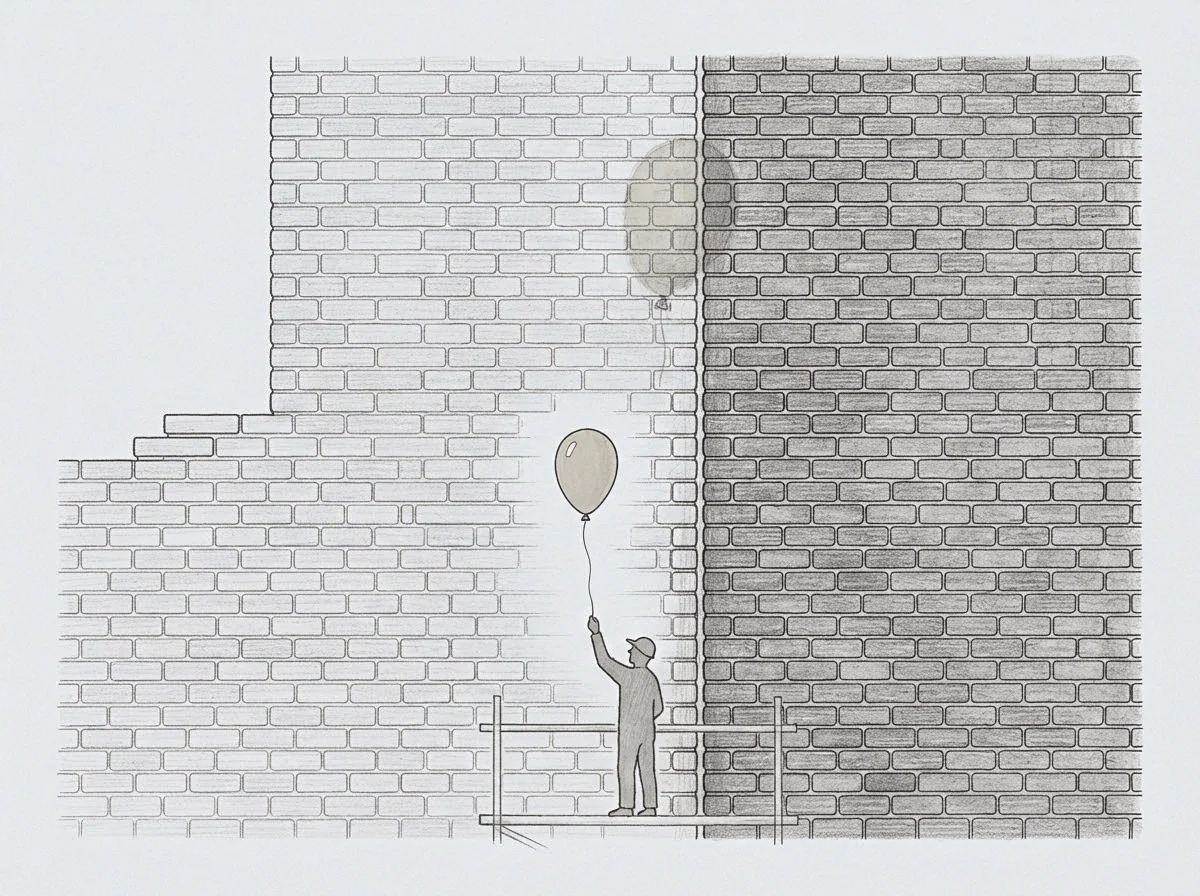
Prefrontal exhaustion reduces central executive capacity, requiring deterministic external gates and explicit concurrency limits to maintain regulatory headroom.

Missing social baseline regulation increases executive energy expenditure by forcing neural capacity to fund autonomic balance under load.

Physiological stress downregulation reduces volitional capacity to protect neuroendocrine systems under unclosed executive load.

Operational filters reduce executive cortisol wear by converting ungated incoming threads into structured tasks with defined scope and completion dates.
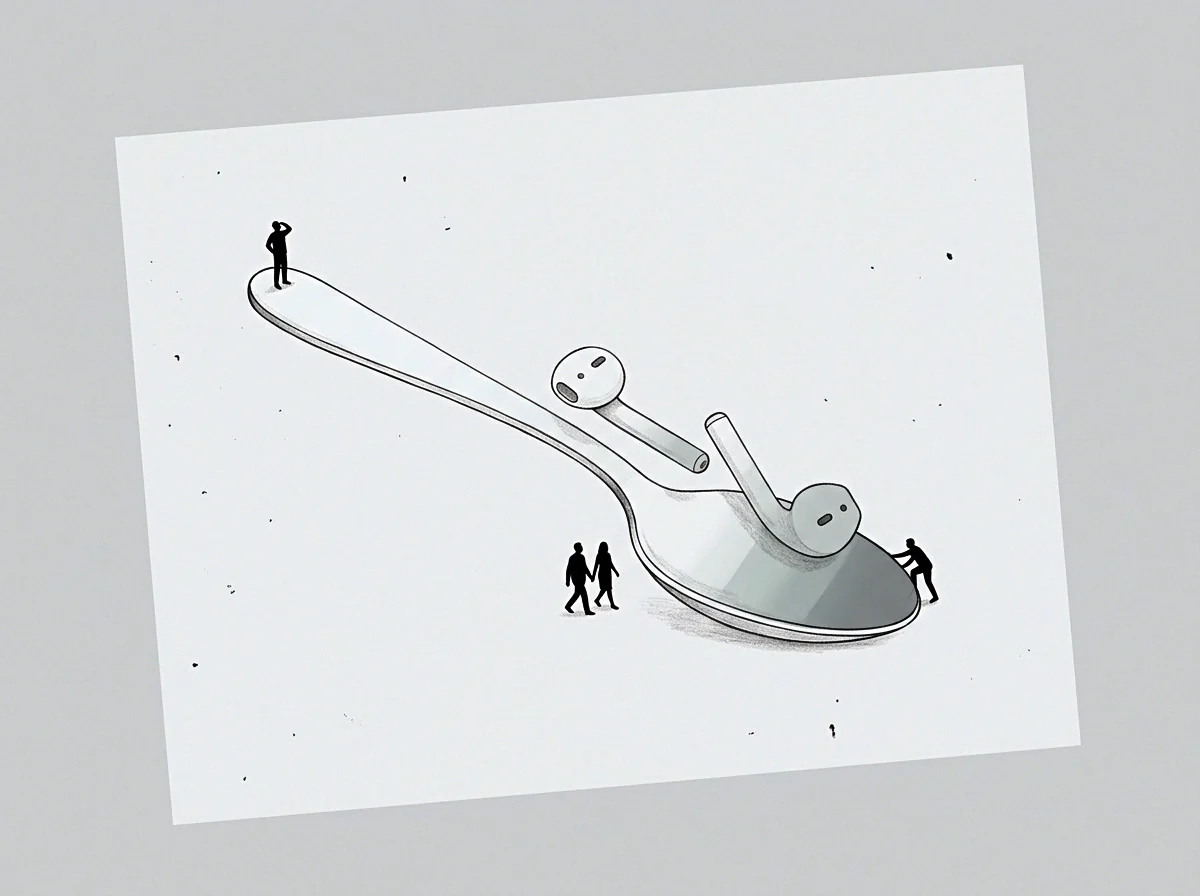
Ungated relational loops consume working memory slots, elevating allostatic load and triggering protective operational throttling under pressure.

Continuous unhedged organizational stress drives biological wear through elevated allostatic load and ungated thread counts that deplete cognitive headroom.
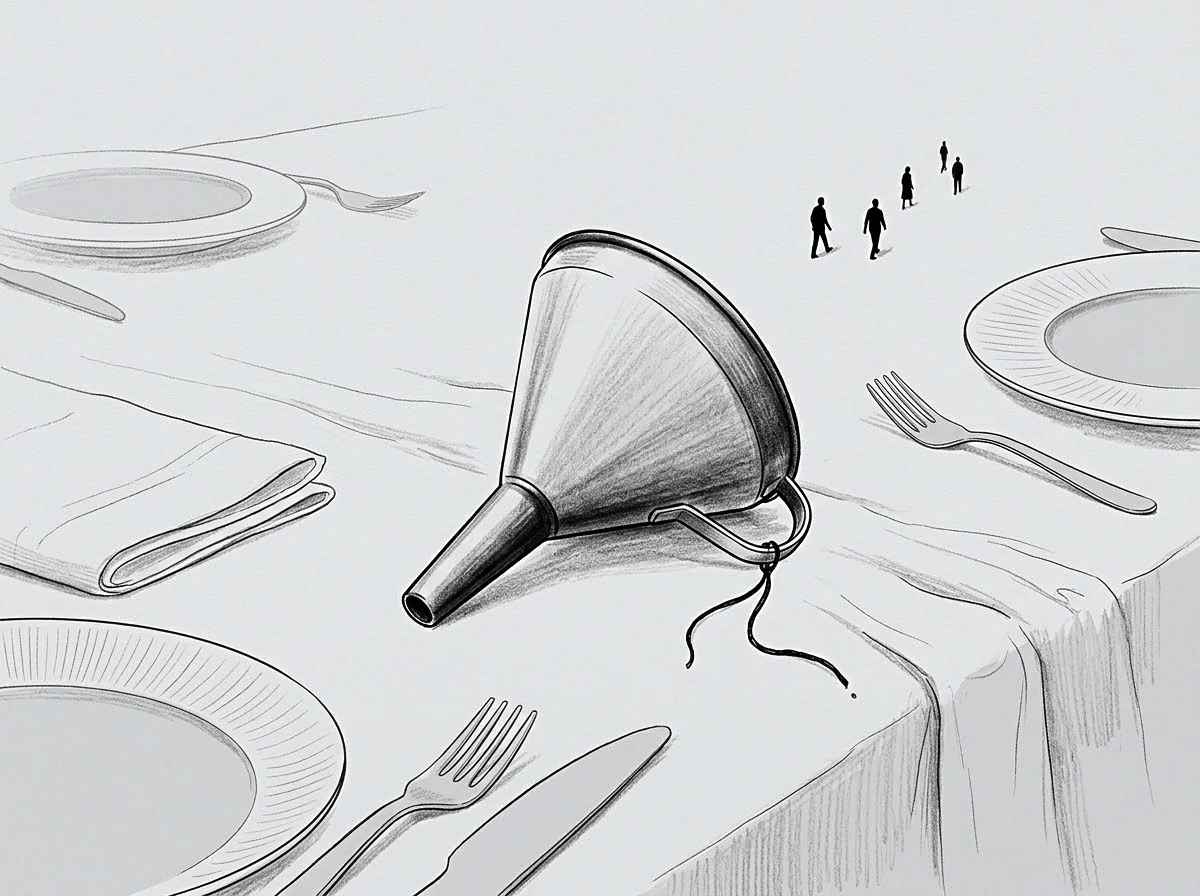
Autonomic recovery latency measures parasympathetic reactivation speed post-stress, directly predicting prefrontal executive headroom under allostatic load.
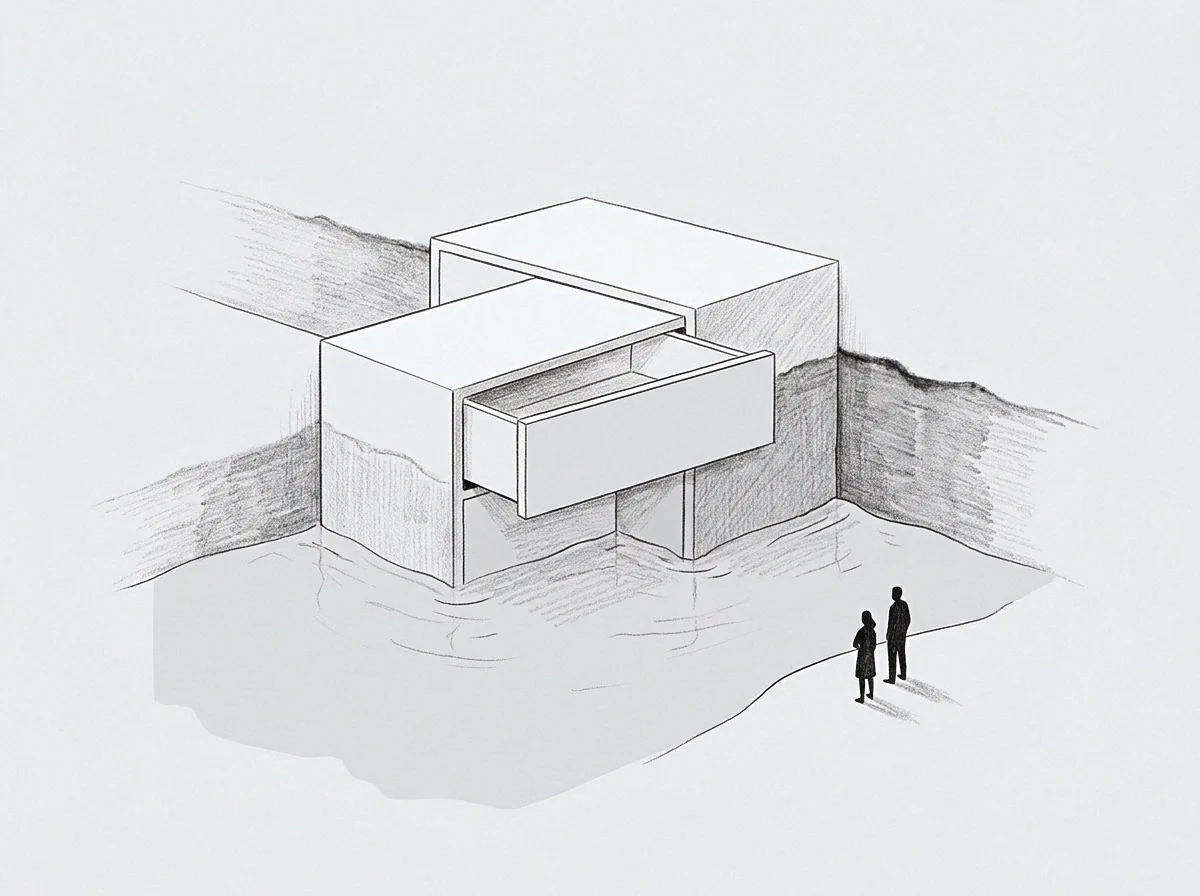
Extended high-stakes load downregulates central glucocorticoid receptor sensitivity, flattening cortisol rhythms and reducing executive processing headroom.

Biological allostatic load reflects cumulative physiological wear from chronic stress, whereas clinical depression involves primary mood and cognitive disruption.

Structural intake gates filter external operational demands through formal protocols to prevent biological allostatic accumulation in executive nervous systems.

System throttling is an adaptive physiological down-regulation caused by allostatic overload, distinct from clinical depression's neurochemical failure.
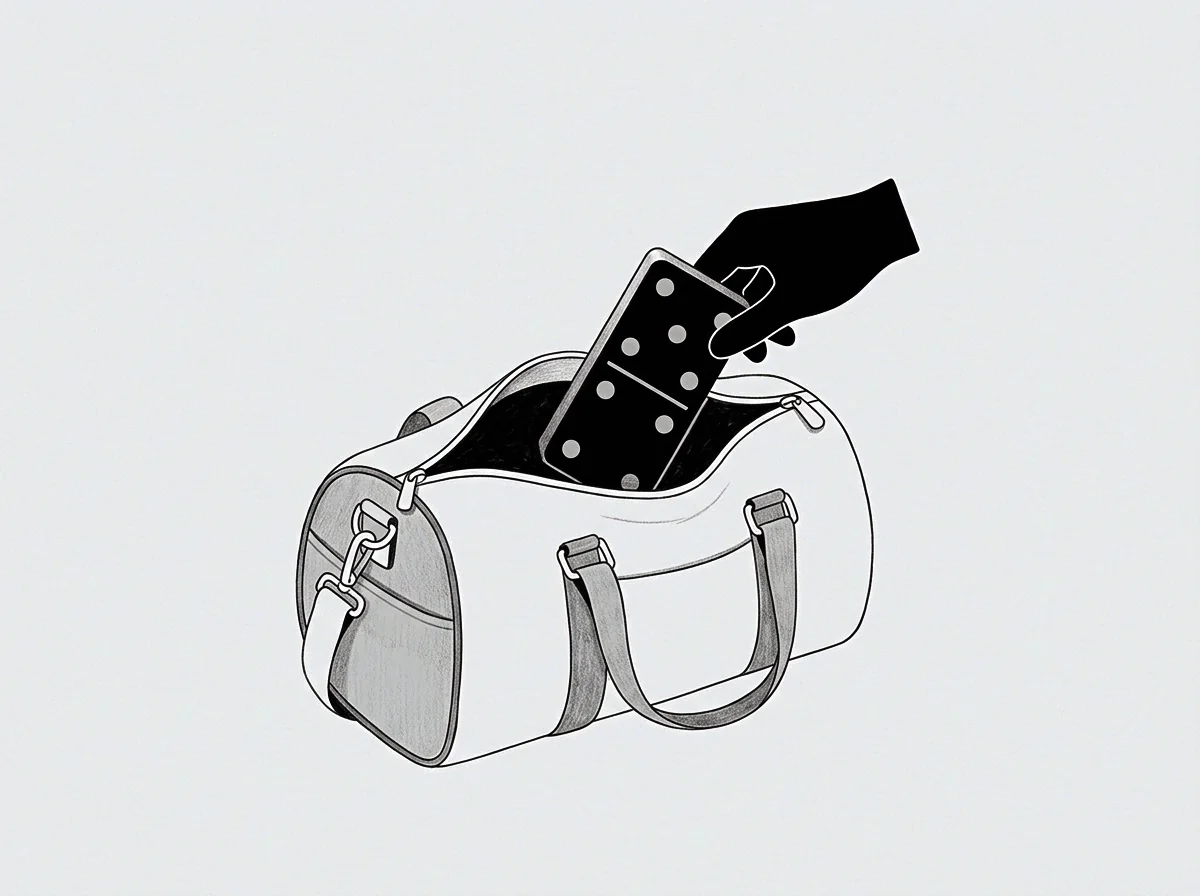
Prefrontal concurrency collapses when ungated active threads exceed working memory slots, forcing executive throttling that standard metrics misdiagnose as depressive fatigue.
Executive throttling selectively sheds peripheral communication to preserve high-stakes processing, while depressive exhaustion globally degrades cognitive output.
The terms are written where they belong. Each field holds three desks, and every entry a desk writes raises the terms it uses, each term given a meaning, a mechanism and the places it appears. The record on these pages stays first person and hand made; the fields grow the nomenclature.