

Cognitive Residue Management in High Speed System Operations
Attentional residue from unclosed operational loops fills working memory slots, causing executive throttling and system latency during high-speed operations.
Attentional residue from unclosed operational loops fills working memory slots, causing executive throttling and system latency during high-speed operations.
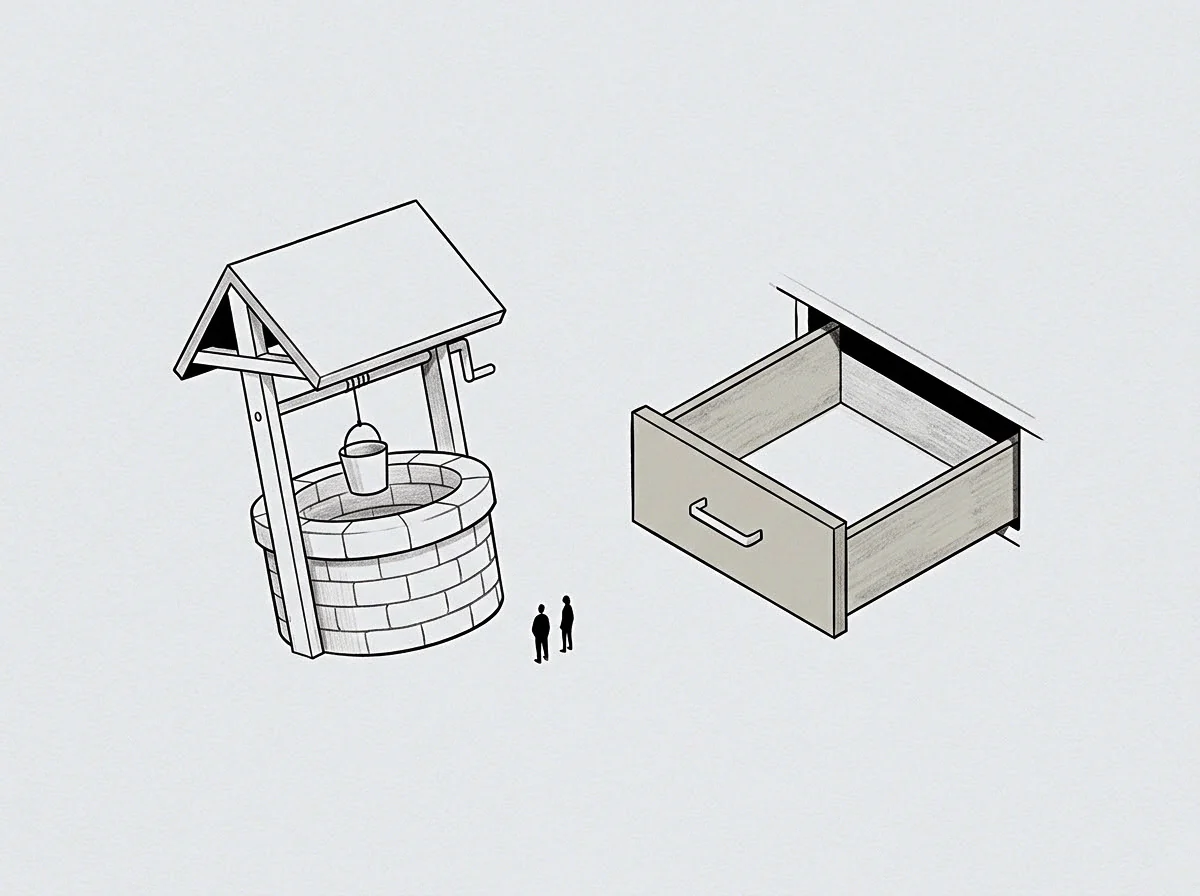
Structural gating protocols convert ungated cognitive loops into bounded operational inputs, mitigating executive allostatic load and preserving system capacity.

Allostatic overload degrades prefrontal risk analysis in investment partners, forcing depleted committees to substitute thorough diligence with automatic consensus.

Unbuffered leaders absorb organizational ambiguity alone, depleting neural metabolic budgets through solitary threat appraisal and unpriced co-regulation.

Operational latency results when input volume exceeds executive working memory, turning saturated leadership nodes into compounding organizational queues.
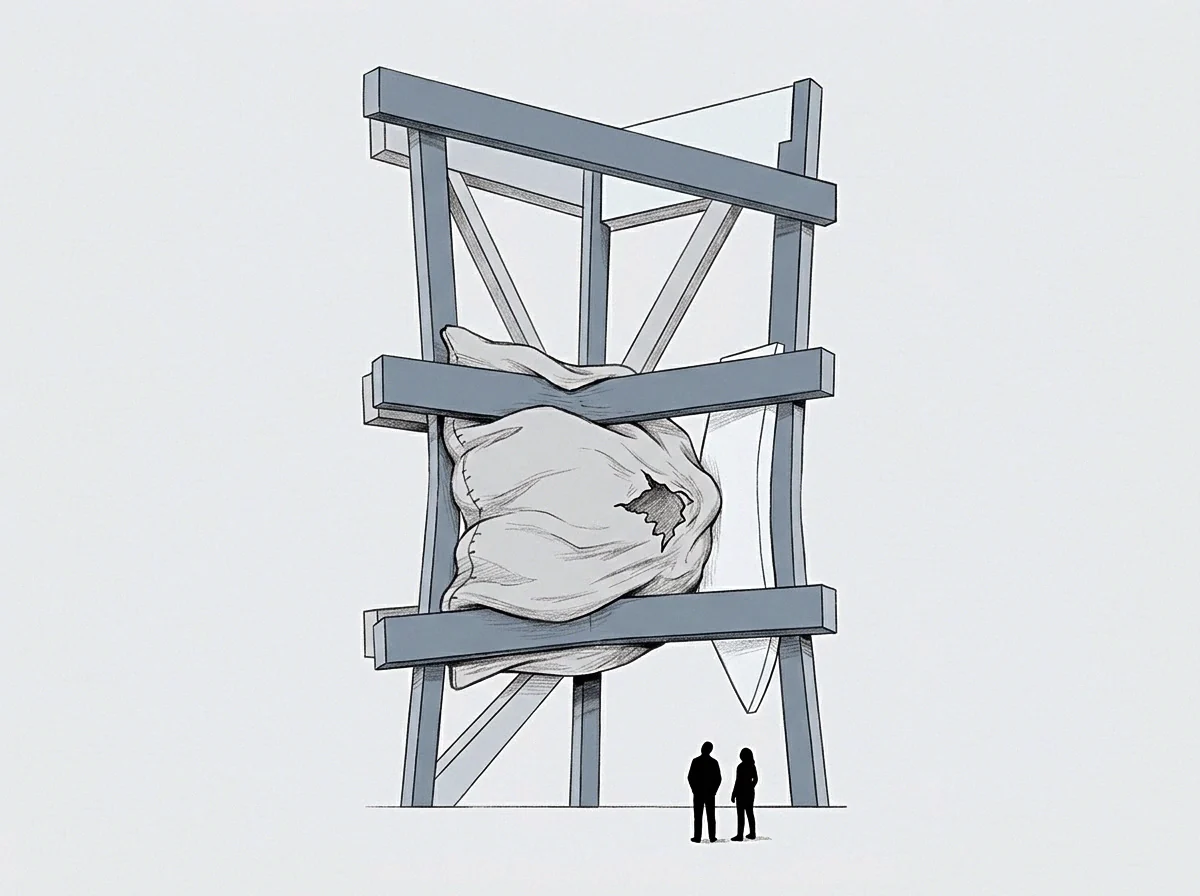
Executive throttling shuts down prefrontal synthesis to protect biological capacity under extreme allostatic load, requiring structural loop gating rather than clinical mood treatment.

Biological allostatic load reflects cumulative physiological wear from chronic stress, whereas clinical depression involves primary mood and cognitive disruption.
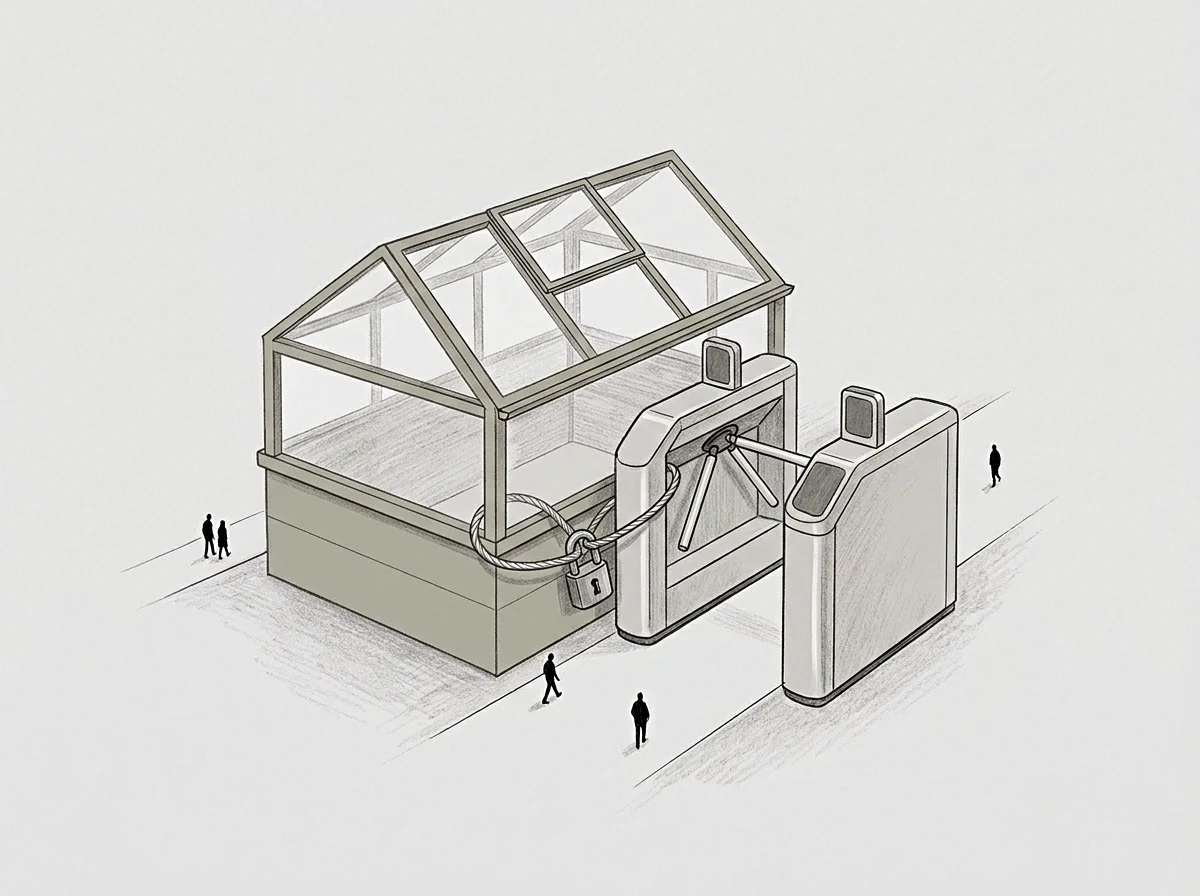
Unshared executive regulation causes autonomic throttling, down-regulating decision capacity when chronic co-regulatory load exceeds human biological limits.
The terms are written where they belong. Each field holds three desks, and every entry a desk writes raises the terms it uses, each term given a meaning, a mechanism and the places it appears. The record on these pages stays first person and hand made; the fields grow the nomenclature.