

Grounding Social Baseline Mechanics in High Stress Operations
Social baseline theory demonstrates that shared proximity conserves metabolic reserves, while solitary operational control incurs compounding neural debts.
Social baseline theory demonstrates that shared proximity conserves metabolic reserves, while solitary operational control incurs compounding neural debts.
Chronic leadership stress suppresses cardiac vagal tone; quantitative recovery protocols use biometric tripwires to restore prefrontal decision bandwidth.
Autonomic stability relies on capping concurrent ambiguous operations to match biological capacity, preventing allostatic collapse via structural gating.
Partner coregulation functions through shared autonomic offloading until sustained operational load exhausts vagal reserves and forces protective throttling.
Parasympathetic recovery in high-threat environments depends on nocturnal vagal reactivation measured through beat-to-beat variability and rapid heart rate deceleration.

Autonomic headroom recovers when ambiguous operational loops receive defined scope, dates, and termination criteria, halting chronic sympathetic activation.

Physical proximity to a reliable companion signals safety to threat circuitry, dropping solitary vigilance and offsetting allostatic load without spoken advice.

Shared operational risk recalibrates autonomic threat circuits by distributing metabolic appraisal costs across symmetrical, co-liable nervous systems.
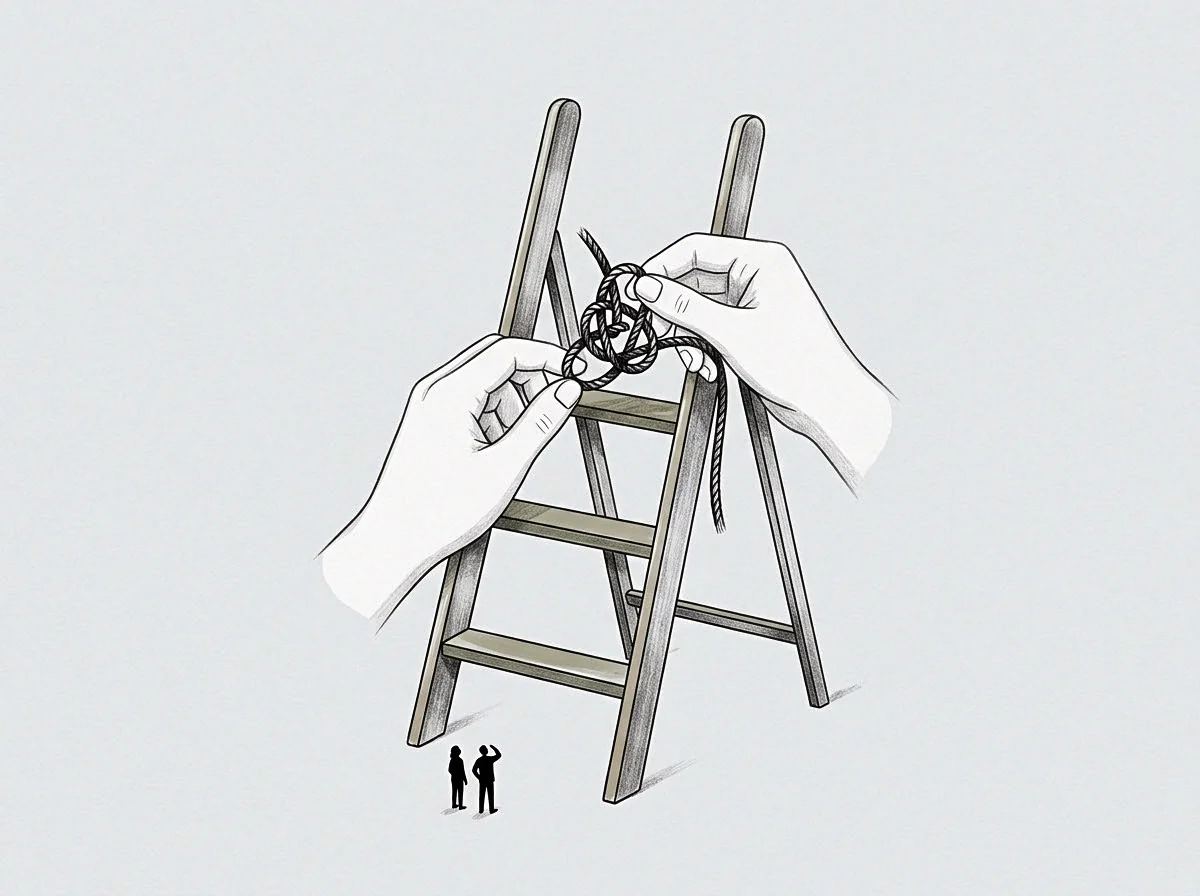
Proximity to an unmoving leader allows panicking teams to borrow autonomic stability under enterprise threat, shifting metabolic survival costs onto one nervous system.

Covert organizational monitoring triggers continuous autonomic threat detection, causing sustained nocturnal vagal suppression and preventing parasympathetic recovery.

Nocturnal parasympathetic reactivation quantifies autonomic recovery by measuring interbeat interval variance during motionless slow-wave sleep.
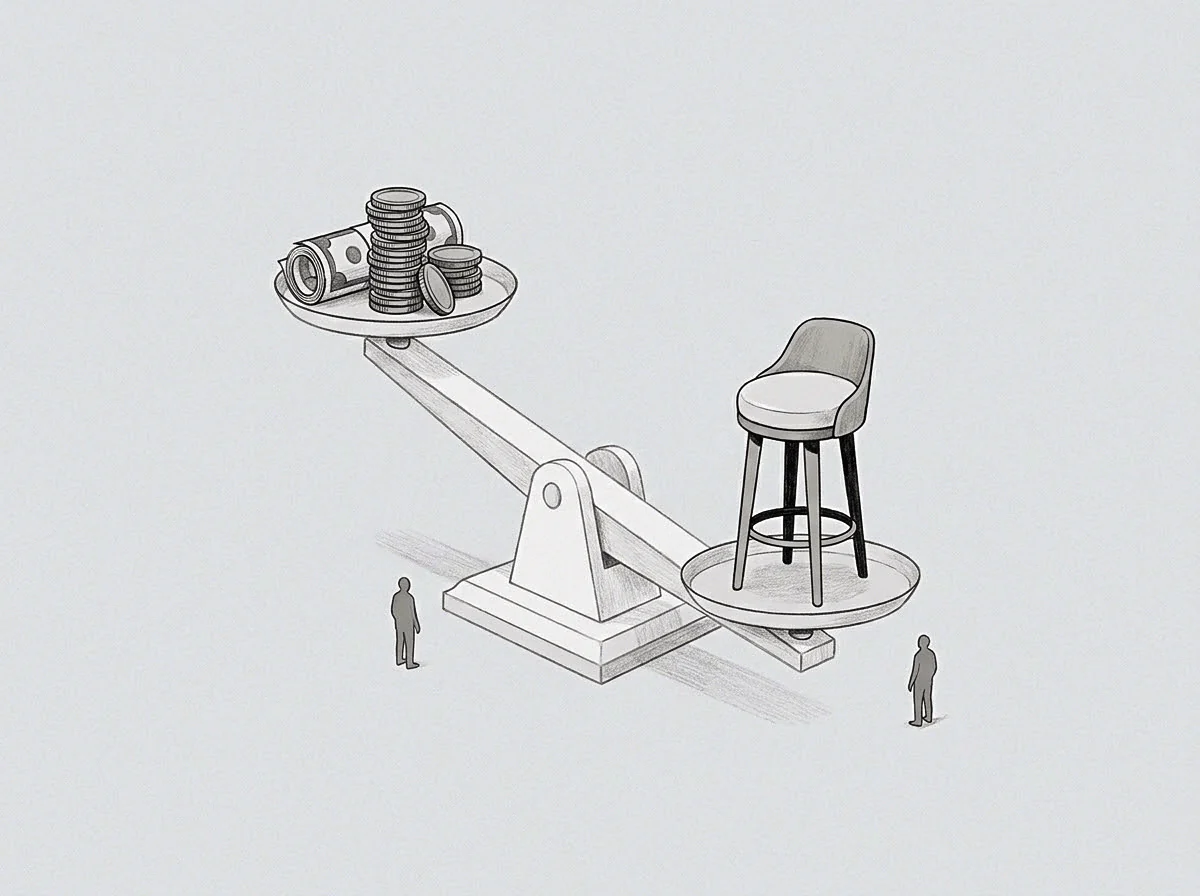
Delegating routine decisions through explicit authority thresholds halts continuous sympathetic monitoring and restores restorative parasympathetic tone.
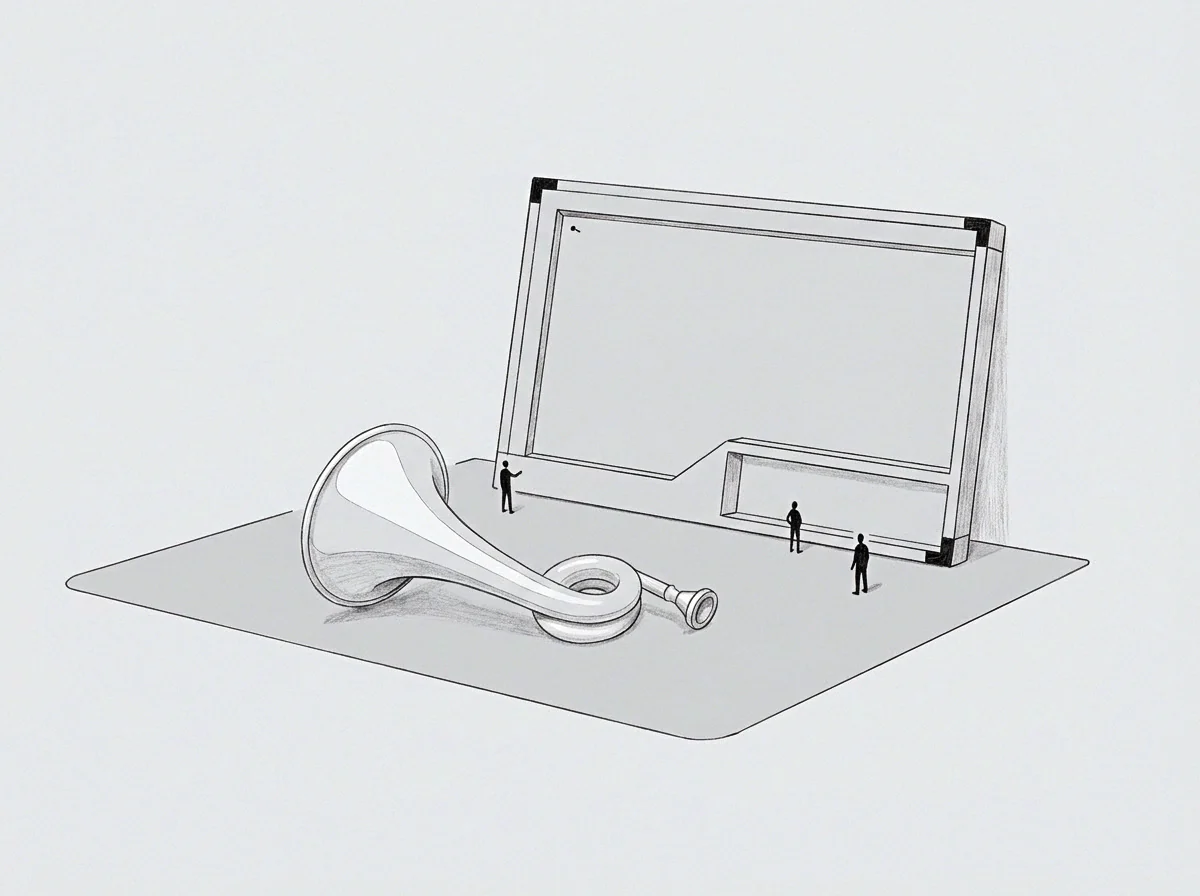
Autonomic nervous system recovery latency after leadership handovers depends on explicit operational gating to stop sympathetic arousal and restore vagal tone.

Solitary threat monitoring burns prefrontal glycogen, whereas shared baseline presence lowers metabolic cost through automatic autonomic co-regulation.

Human autonomic systems conserve energy through physical proximity, setting an absolute biological limit on how many decisions one body can stabilize.

Executive biological strain sets the physical limit on capital deployment speed, converting unmonitored stress into misallocated corporate treasury funds.

Autonomic recovery latency expands when continuous operational demands prevent neuroendocrine clearance and parasympathetic restoration via vagal inhibition.
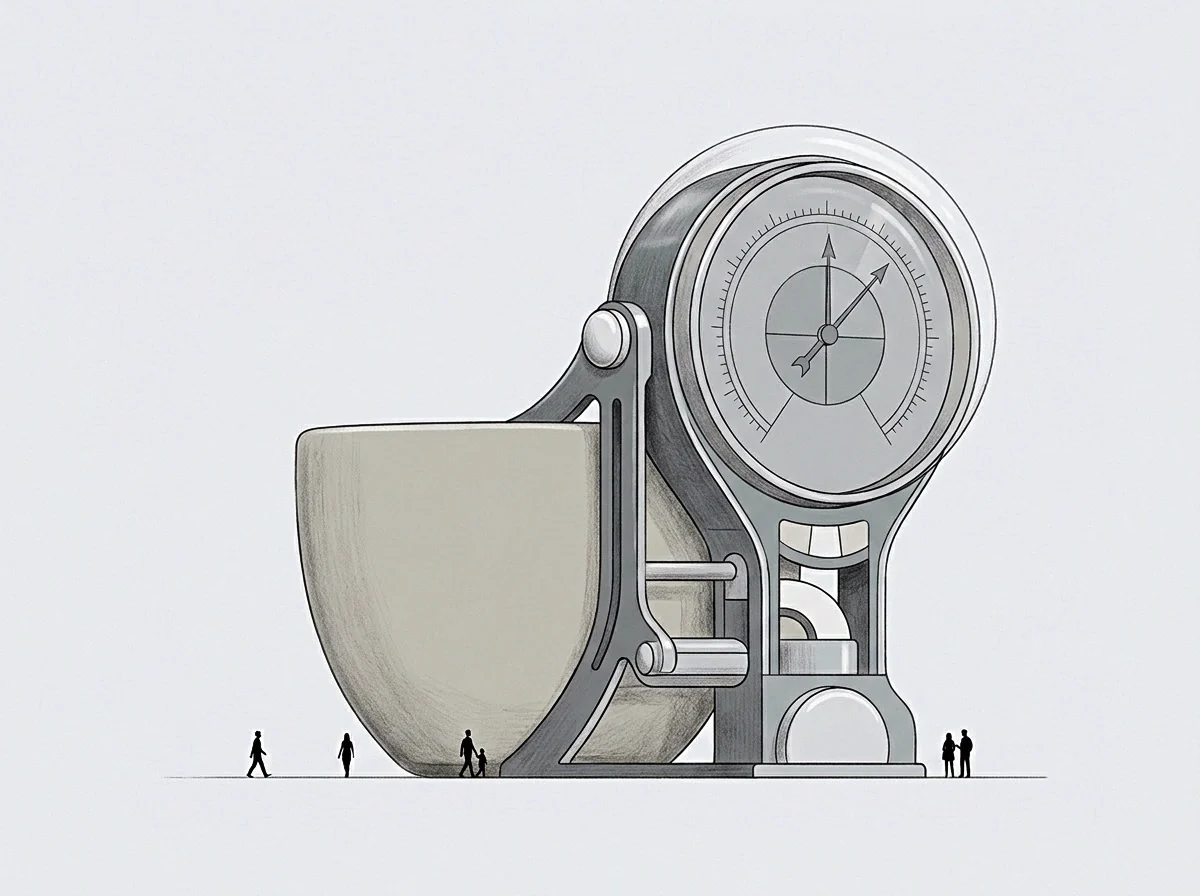
Nocturnal heart rate dipping reflects autonomic recovery by measuring whether parasympathetic vagal tone successfully drops resting cardiac rate during sleep.
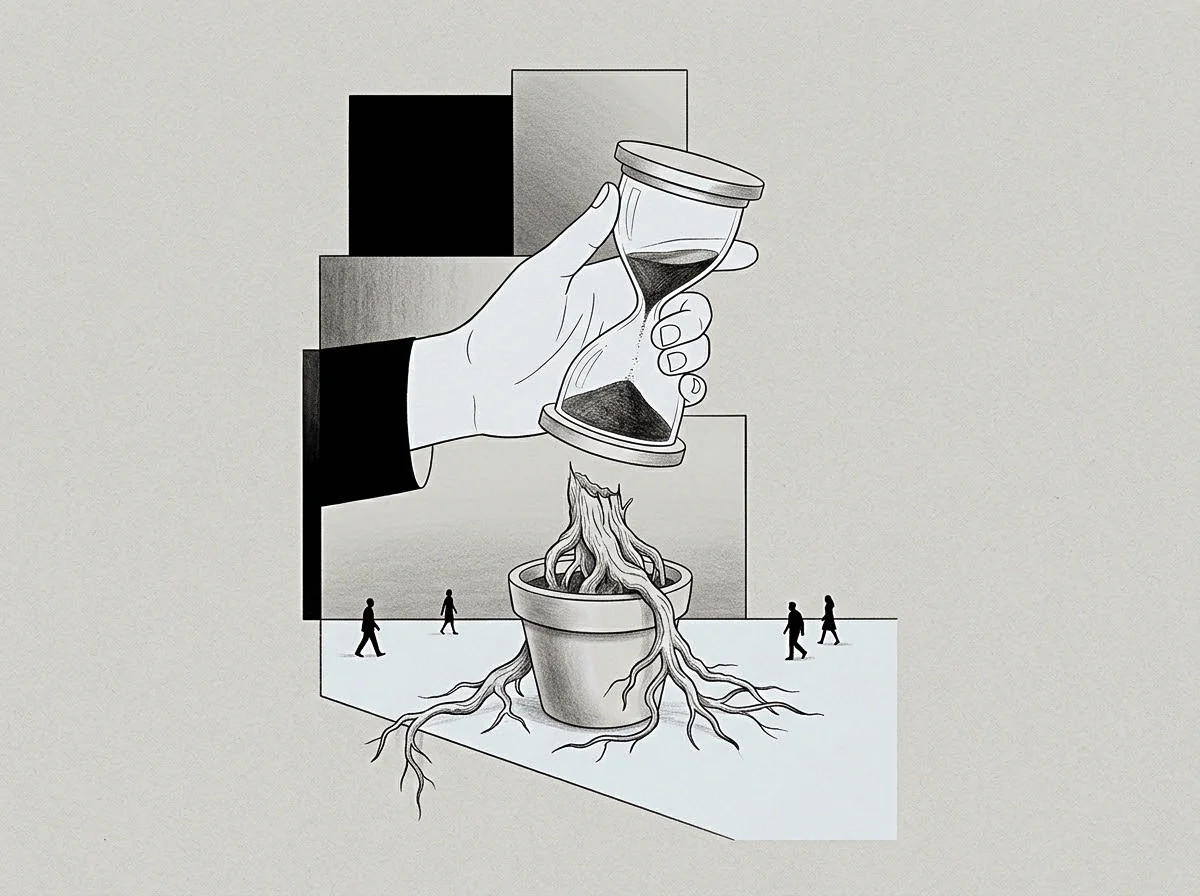
Chronic operational ceilings blunt autonomic decay curves and suppress nocturnal blood pressure dipping by maintaining continuous sympathetic vascular tone.
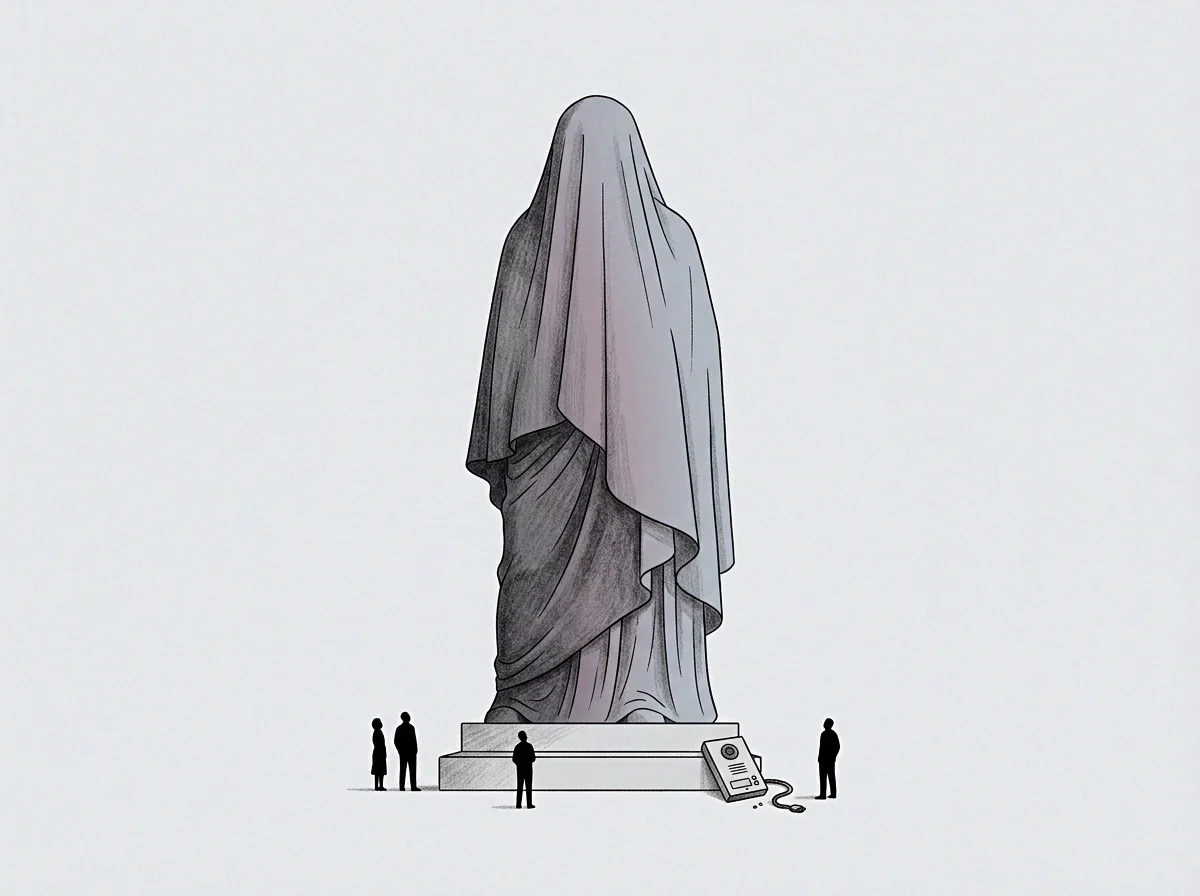
Rebuilding relational receptors across power asymmetry requires external peers who share structural parity without holding financial or operational leverage.

Autonomic recovery requires replacing solitary metabolic threat vigilance with repeated non-demanding physical co-regulation to restore parasympathetic tone.

Solitary remote operations force prefrontal cognitive suppression to replace physical co-regulation, driving autonomic throttling and progressive exhaustion.

Executive step-down induces severe autonomic mismatch as persistent sympathetic hyperarousal outlasts external operational demands without structural pacing.

Leaving enterprise management triggers a delayed vagal tone rebound as the nervous system processes the reduction of ungated open loops.

Chronic executive isolation forces continuous prefrontal inhibition of somatic threat without co-regulatory relief, driving severe metabolic depletion.

Reciprocal regulation in high limit systems requires developing neural receptor capacity to ingest external calm rather than using boundaries for isolated throttling.

Decoupling immediate availability demands reduces sympathetic arousal, restores vagal tone, and stabilizes autonomic baselines during rapid product iteration.

Executive stress physiology shifts toward chronic depletion when solo threat appraisal continuously exceeds the biological capacity for self-regulation.

Autonomic intake restoration reverses sympathetic blockade under chronic executive load, re-establishing parasympathetic tone and visceral nutrient processing.
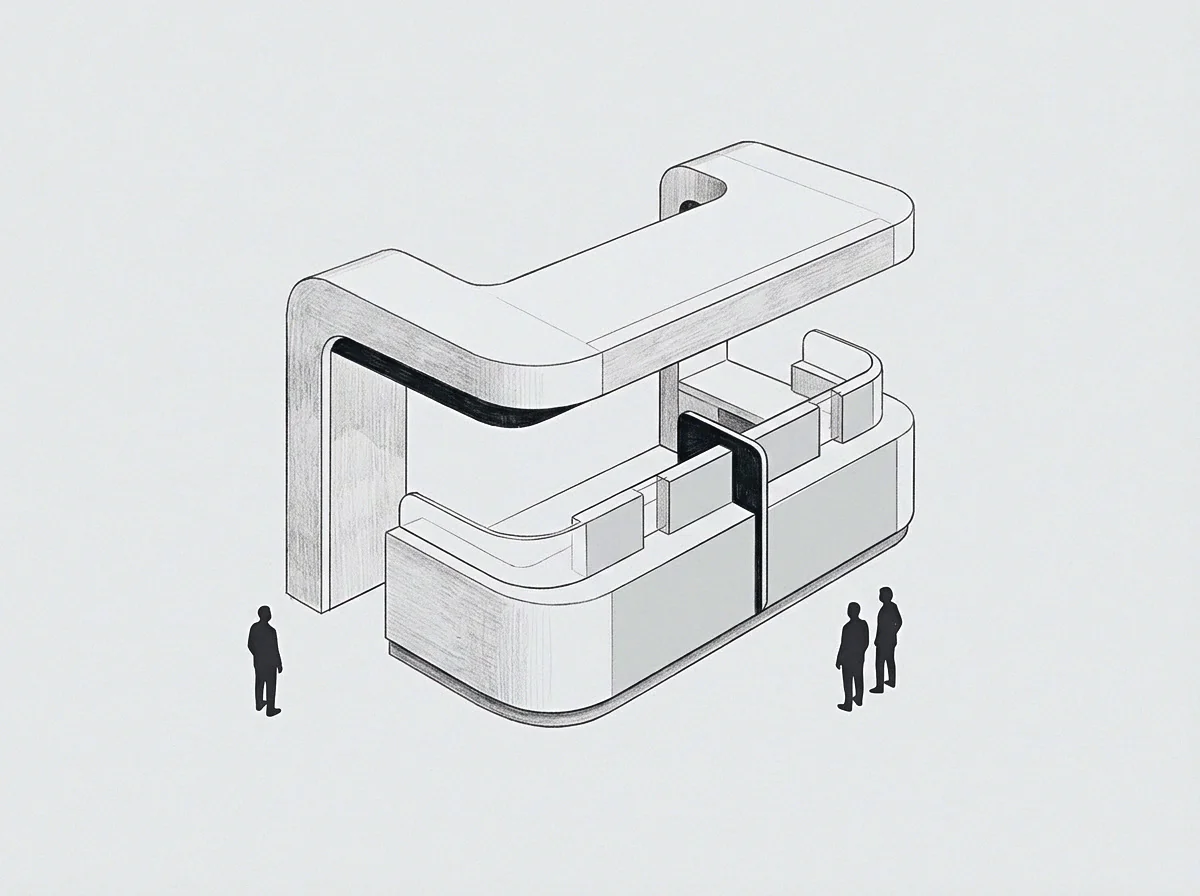
Insolvency shock alters executive baseline templates, requiring repeated co-regulation to rebuild neural receptor capacity for stable downward support.
The terms are written where they belong. Each field holds three desks, and every entry a desk writes raises the terms it uses, each term given a meaning, a mechanism and the places it appears. The record on these pages stays first person and hand made; the fields grow the nomenclature.