

Autonomic Regulation Expenditure In Isolated Operational Leaders
Isolated leaders burn metabolic fuel through unshared top-down autonomic regulation, depleting vagal reserves when structural hierarchy blocks mutual co-regulation.
Isolated leaders burn metabolic fuel through unshared top-down autonomic regulation, depleting vagal reserves when structural hierarchy blocks mutual co-regulation.

The human brain treats proximity to a reliable peer as its energy baseline, making solo regulation a metabolically expensive default under severe load.

Asymmetric autonomic regulation drains prefrontal metabolic reserves in central leaders, degrading strategic discernment into survival-driven operational triage.
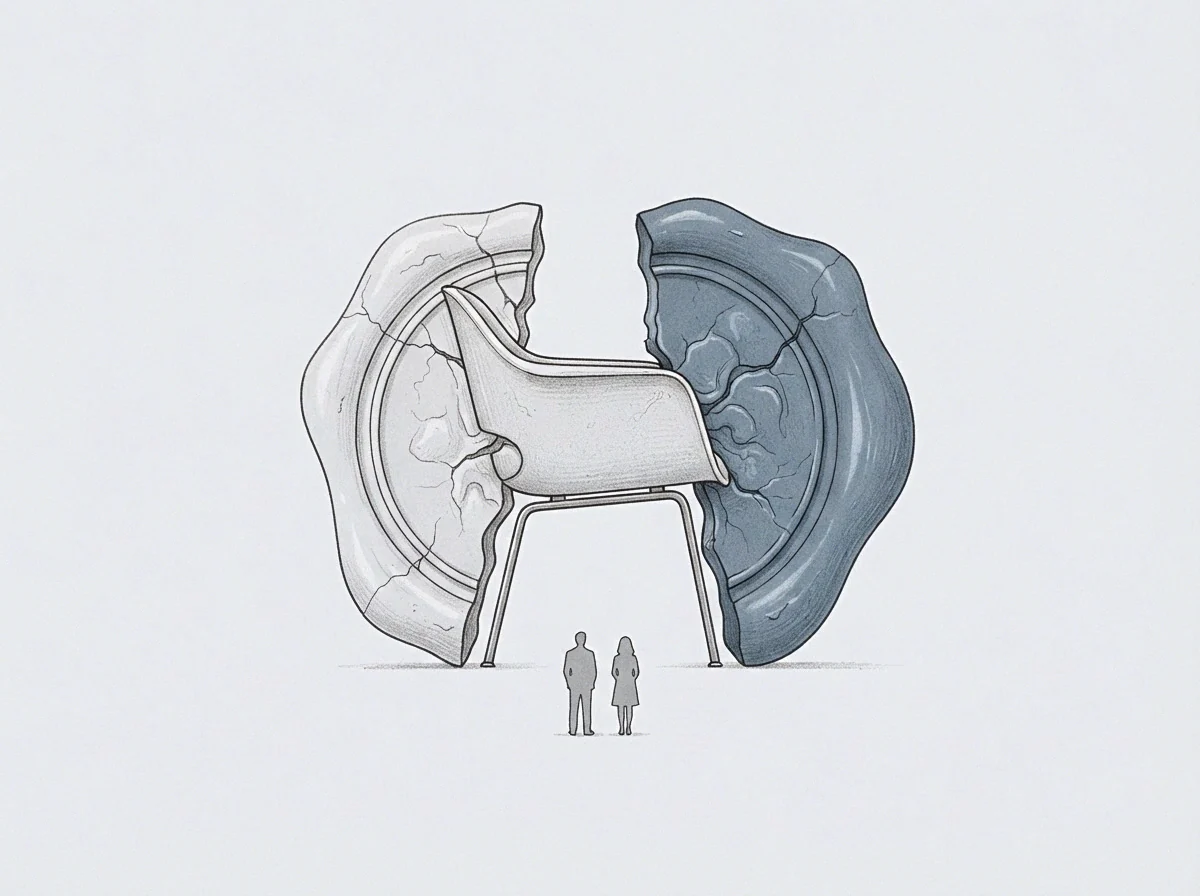
Solitary executive authority without operational buffering forces the central nervous system into chronic metabolic expenditure, accelerating allostatic collapse.
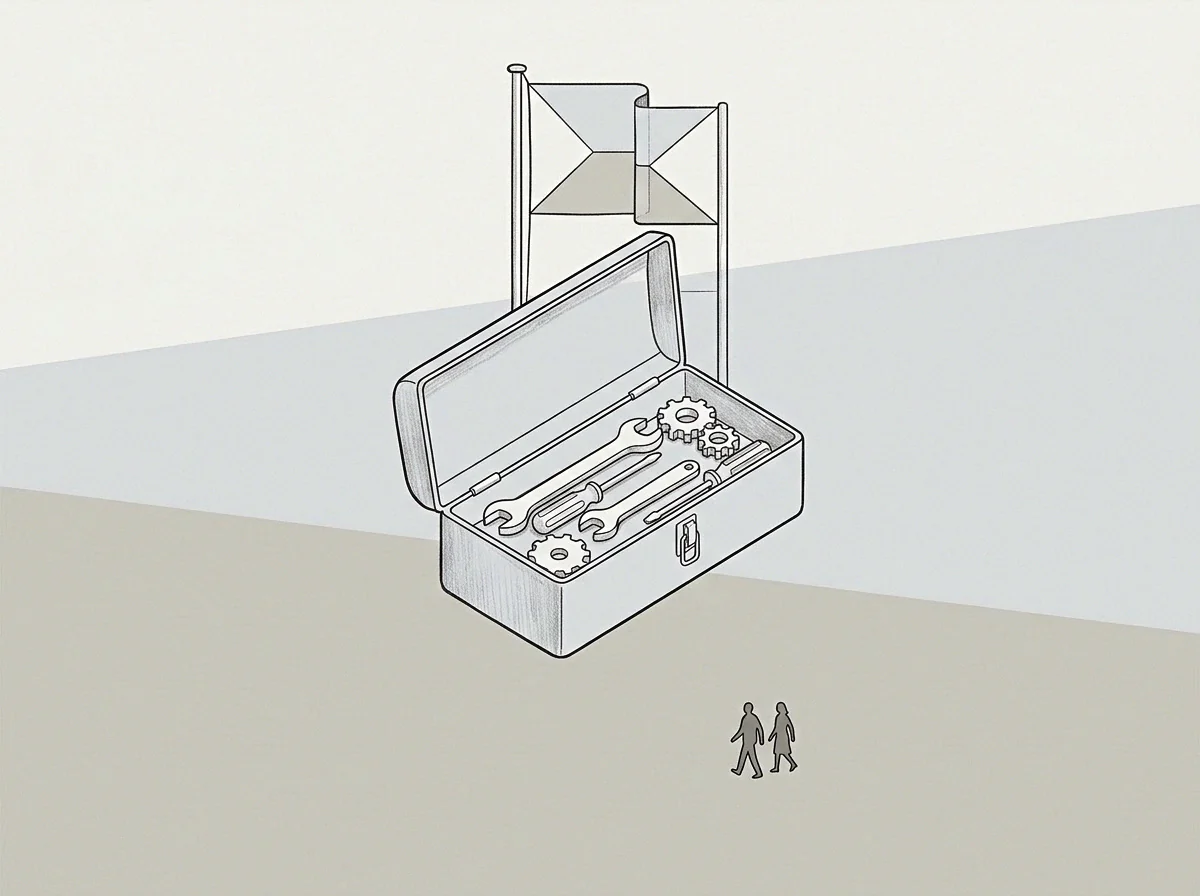
A founder facing enterprise shocks must build a second regulatory template through repeated co-regulation with a non-stakeholder to avoid metabolic collapse.

Social baseline theory demonstrates that shared proximity conserves metabolic reserves, while solitary operational control incurs compounding neural debts.

Isolated nervous system regulation forces the brain to spend extra metabolic energy on self-soothing, accelerating physiological wear under operational load.
The terms are written where they belong. Each field holds three desks, and every entry a desk writes raises the terms it uses, each term given a meaning, a mechanism and the places it appears. The record on these pages stays first person and hand made; the fields grow the nomenclature.