
Autonomic Regulation Biomarkers and Concurrency Capping in Enterprise Roles
Autonomic stability relies on capping concurrent ambiguous operations to match biological capacity, preventing allostatic collapse via structural gating.

Reservoir
Four communication channels stay open on an operator’s secondary monitor at eleven at night, each waiting on pricing revisions, key hires, capital staging, or customer churn. The physical pulse quickens without conscious panic. Basal sympathetic activation rises as peripheral blood vessels constrict, reflected in low beat-to-beat cardiac timing variance and sustained nocturnal galvanic responses.
The body registers any project lacking contractual gates as a continuous predatory vigil. Internal reserves drain well before the operator notices any conscious feeling of breakdown.
A biological reservoir governs the capacity to resolve ambiguity. Chronic regulatory demand wears somatic tissues through repeated adaptation, a phenomenon termed allostatic load. When high-bandwidth demands outpace physical replenishment, biological systems shift into defensive preservation: heart rate variability drops, daytime cortisol slopes flatten, and salivary alpha-amylase spikes during trivial interruptions.
Output slows to protect against total system failure.
A biological system throttles rate of execution when persistent ambiguity depletes the reservoir required to sustain sympathetic arousal.
Enterprise environments often misread this somatic slowing as unresponsiveness, clinical depression, or waning commitment. The operator keeps executing mechanical checklists while creative synthesis, high-level strategy, and interpersonal coregulation stall. Throttling is an autonomic brake designed to prevent systemic collapse; actual failure involves the total disorganization of functional capacity.

Somatic Responses to Unbounded Responsibility
Enterprise roles routinely present unbounded operational demands. The autonomic nervous system reacts to informational volatility using the same biochemical cascades evolved for caloric deprivation and physical threat. The hypothalamic-pituitary-adrenal axis floods the bloodstream with glucocorticoids.
Sustained levels of these hormones suppress neural plasticity within the hippocampus and prefrontal cortex, locking physical tension into the trapezius, the gut wall, and vascular beds.
Uncapped incoming communication creates continuous biological micro-stressors. An unread notification without a set delivery timeline keeps sympathetic tone elevated, forcing the body to burn tissue just to keep open cognitive loops primed for instant reaction. Sleep architecture degrades under this constant surveillance state: delta-wave restoration drops, cutting off the nightly clearance of neural waste.
The operator wakes with baseline catecholamine levels well above normal resting thresholds.

Sustained Demand Versus Acute Exertion
Short sprints of intense exertion differ fundamentally from chronic ambiguous responsibilities. An acute demand has clear time boundaries, defined resources, and an explicit endpoint. The body handles acute exertion through rapid sympathetic mobilization followed by prompt parasympathetic recovery, as the vagus nerve releases acetylcholine to slow sinoatrial pacing and restore peripheral perfusion.
Sustained ambiguous demand deprives the parasympathetic branch of its trigger signals, locking the body in prolonged metabolic mobilization. Over months, this posture produces measurable shifts: vascular stiffness rises, and morning glycemic regulation deteriorates as persistent cortisol drives chronic hepatic glucose dumping. Organizations frequently mistake the resulting cognitive rigidity for stubbornness or executive fatigue.
Unchecked sympathetic mobilization drains regulatory capital faster than mechanical hours worked can explain.
Tally
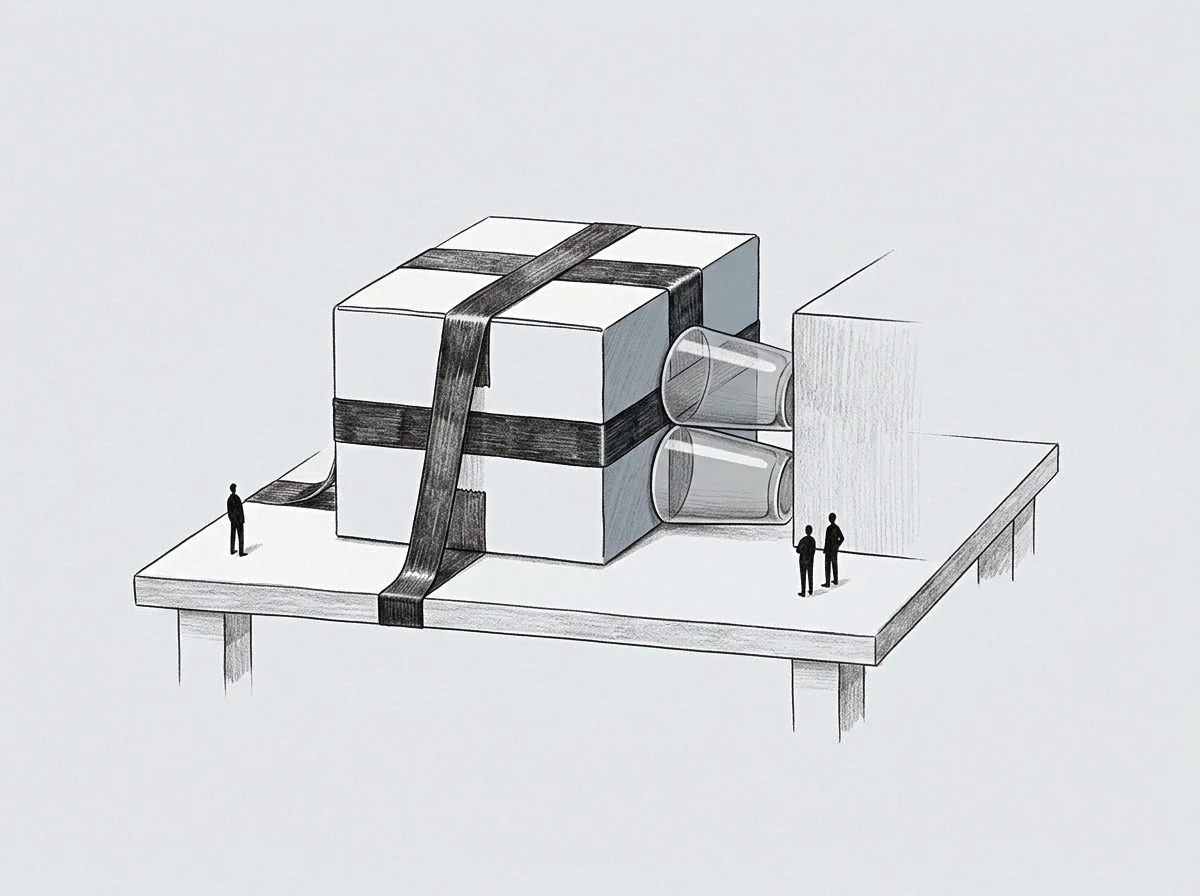
Working memory supports a finite number of unresolved cognitive representations. Operational threads without clear parameters drain biological bandwidth continuously. An ungated initiative acts like an active background loop, consuming prefrontal energy to track state transitions and potential failure points.
By contrast, a bounded initiative with explicit timelines, clear deliverables, and defined resource limits consumes minimal physical attention.
The total volume of active initiatives directly drives autonomic stability. When an executive holds twelve concurrent strategic discussions without firm closure criteria, the biological cost scales nonlinearly. Each ungated thread taxes the autonomic nervous system equally, whether the project involves ten million dollars or a minor software vendor evaluation.
The nervous system tallies ambiguity, not financial scale.

Parameters That Convert Continuous Drain Into Discrete Allocation
Unbounded enterprise commitments shift into manageable physiological loads once bounded by explicit parameters. Stripping an initiative of its open-ended qualities breaks its hold on sympathetic attention.
- Scope specification restricts work to visible deliverables, cutting off ambiguous cognitive elaboration.
- Hard temporal markers establish firm evaluation dates, allowing neural tracking networks to stand down until the scheduled review.
- Explicit operational terms cap resource consumption, halting background contingency calculations.
- Designated failure boundaries define the exact metrics for cancellation, freeing physiological systems from constant preventative vigilance.

Calculating Physiological Slot Allocation
Human capacity relies on discrete functional slots rather than abstract hourly blocks. Most executive roles have the biological bandwidth for three, perhaps four, simultaneous high-ambiguity threads before autonomic regulation falters. Each ungated project takes up a full slot.
A gated initiative, parked until a specific date or bounded by strict contractual defaults, occupies only an idle fraction.
Consider an executive managing seven direct business units without clear delegated operating limits. Each unit generates daily unparsed exceptions requiring qualitative resolution. The executive’s root-mean-square of successive differences between normal heartbeats, known as RMSSD, falls below twenty milliseconds during work hours, signaling severe systemic saturation.
When four of those operational lines receive rigid spending limits and autonomous resolution rules, they stop generating ambiguous pings. The background processing demand clears, and three slots reopen without changing enterprise revenue or headcount.
When an unbounded thread enters an already crowded portfolio, the operator drops secondary self-monitoring functions to balance metabolic requirements.

Metrics
Direct assessment of autonomic status provides empirical evidence of exhaustion before behavioral symptoms appear. Relying on self-reporting yields skewed estimates of capacity, as driven professionals routinely override internal signals through willpower or stimulants. Wearable telemetry records physiological strain with dispassionate precision.
Electrodermal screening reveals heightened sympathetic arousal through elevated skin conductance during resting phases. Photoplethysmography tracks millisecond variances between cardiac cycles to isolate the influence of the vagal brake. Diminished vagal tone correlates with reduced prefrontal control, heightened emotional reactivity, and impaired probabilistic calculation.
Tracking these variables turns somatic management into an empirical practice.
Vagal tone drops precede measurable declines in cognitive performance and emotional composure by several business cycles.
Salivary and capillary biomarkers reveal deeper layers of chronic regulatory strain. Diurnal cortisol curves offer clear evidence of allostatic load. A healthy neuroendocrine profile shows a sharp surge thirty minutes after waking, followed by a steady decline toward a nocturnal trough.
Chronic ambiguous overload flattens this trajectory: the morning rise drops while evening levels stay elevated, disrupting tissue repair and glycogen resynthesis.

Telemetry Signatures of Regulatory Depletion
Interpreting autonomic data requires tracking patterns across multi-day observation windows rather than single readings. An acute stress event triggers temporary biometric disruption followed by sharp recovery. Sustained regulatory debt displays a prolonged biometric signature: nocturnal resting heart rate stays several beats above baseline, core body temperature fails to dip during early sleep stages, and the high-frequency band of cardiac variability contracts.
The physical cost of continuous availability shows up in nocturnal recovery deficits. An executive answering messages across time zones rarely enters sustained high-amplitude parasympathetic rest. Even during sleep, anticipating auditory or haptic alerts maintains low-grade sympathetic vigilance.
The recovery phase remains truncated, compounding allostatic load night after night.
| Physiological Variable | Homeostatic Baseline | Allostatic Strain | Autonomic Throttling |
|---|---|---|---|
| Waking RMSSD Level | Above 45 milliseconds | 20 to 35 milliseconds | Below 18 milliseconds |
| Diurnal Cortisol Slope | Sharp morning rise, steep drop | Blunted morning rise, elevated dusk | Flatline profile across entire cycle |
| Nocturnal Heart Rate Baseline | 50 to 60 beats per minute | 62 to 72 beats per minute | Above 75 beats per minute |
| Phasic Galvanic Skin Spikes | Low frequency at rest | Moderate unprovoked fluctuations | Constant low-amplitude drift |
| Serum High-Sensitivity CRP | Under 1.0 milligrams per liter | 1.2 to 2.8 milligrams per liter | Above 3.0 milligrams per liter |
Laboratory findings from ambulatory monitors across technical leadership cohorts show these autonomic signatures correlate tightly with decision fatigue and risk aversion. When high-sensitivity C-reactive protein rises above three milligrams per liter without infection, systemic inflammation is accelerating. The autonomic system registers unbounded informational obligations as physical hostility.
Ignoring these somatic warnings without structural adjustment eventually forces an involuntary biological shutdown of high-level cognitive function.

Boundary
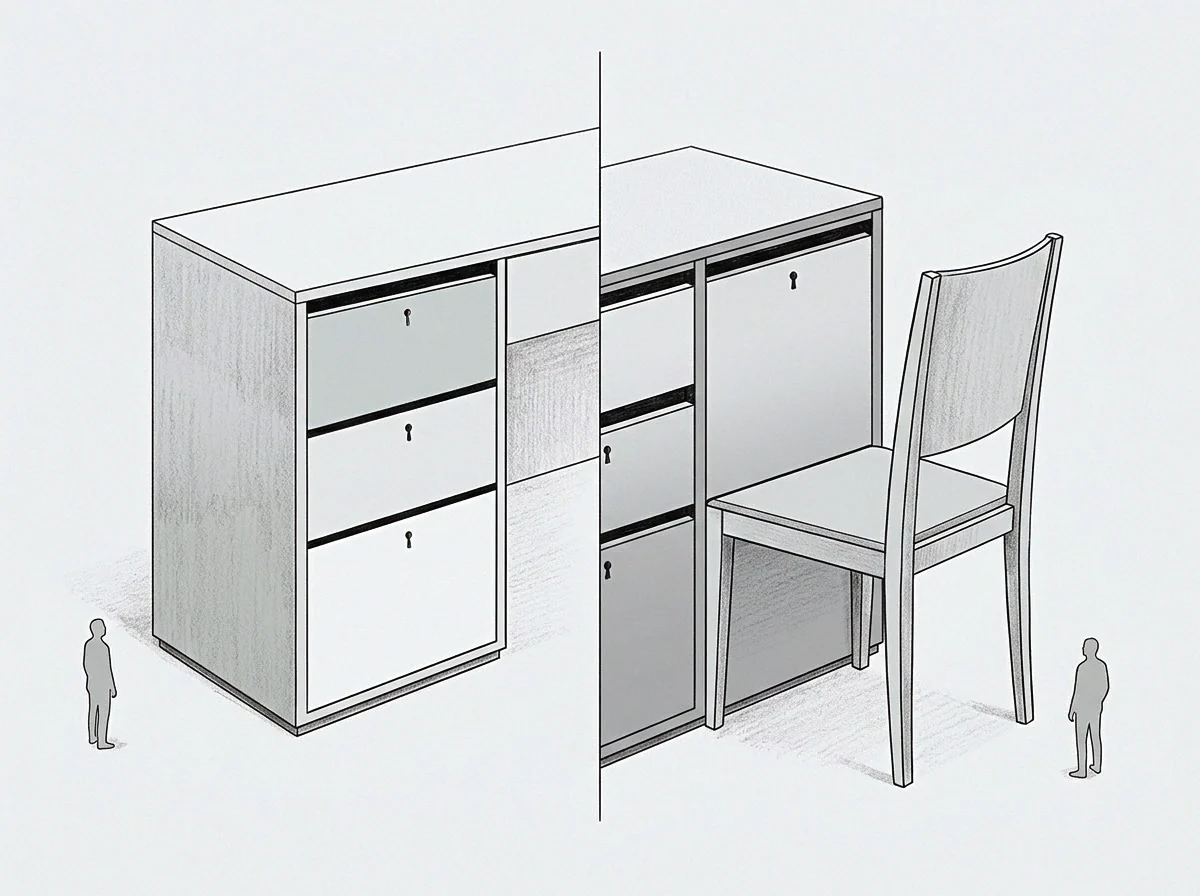
Capping concurrency requires concrete operational mechanisms rather than vague intentions. An executive cannot wish away cognitive load while leaving communication channels unbounded. Explicit operational ceilings limit high-ambiguity projects to a fixed, non-negotiable tally, keeping excess initiatives queued in an inactive registry until a slot opens.
Enterprise structures naturally resist concurrency caps. Board members, investors, and subordinate managers routinely push their own uncertainty upward. When an operator establishes a firm concurrency cap, that incoming pressure hits a structural perimeter.
The limit acts as an impedance matching transformer, preventing systemic overload by turning back unformatted demands.
Structuring Hard Concurrency Limits
Designing an effective enterprise concurrency cap begins by cataloging every unresolved corporate initiative demanding active cognitive oversight. Leadership then classifies these lines based on ambiguity and how frequently intervention is required.
- Active strategic shifts requiring direct executive arbitration are capped at three concurrent engagements.
- Secondary operational restructurings lacking immediate revenue risk are parked with explicit restart dates and locked budgets.
- Informational intake avenues are compressed into scheduled batches, cutting off asynchronous interruptions.
- Delegated initiatives must include parameter envelopes that instruct managers to execute without executive consensus unless specified variance boundaries are exceeded.
Enforcing these boundaries generates initial friction. Personnel accustomed to passing ambiguous decisions upward encounter hard procedural limits: they must resolve operational questions locally or wait for an open slot. This shift transfers ambiguity back to local nodes, reducing centralized allostatic load while building organizational resilience.
Are Hard Concurrency Limits Real Ceilings or Adjustable Baselines?
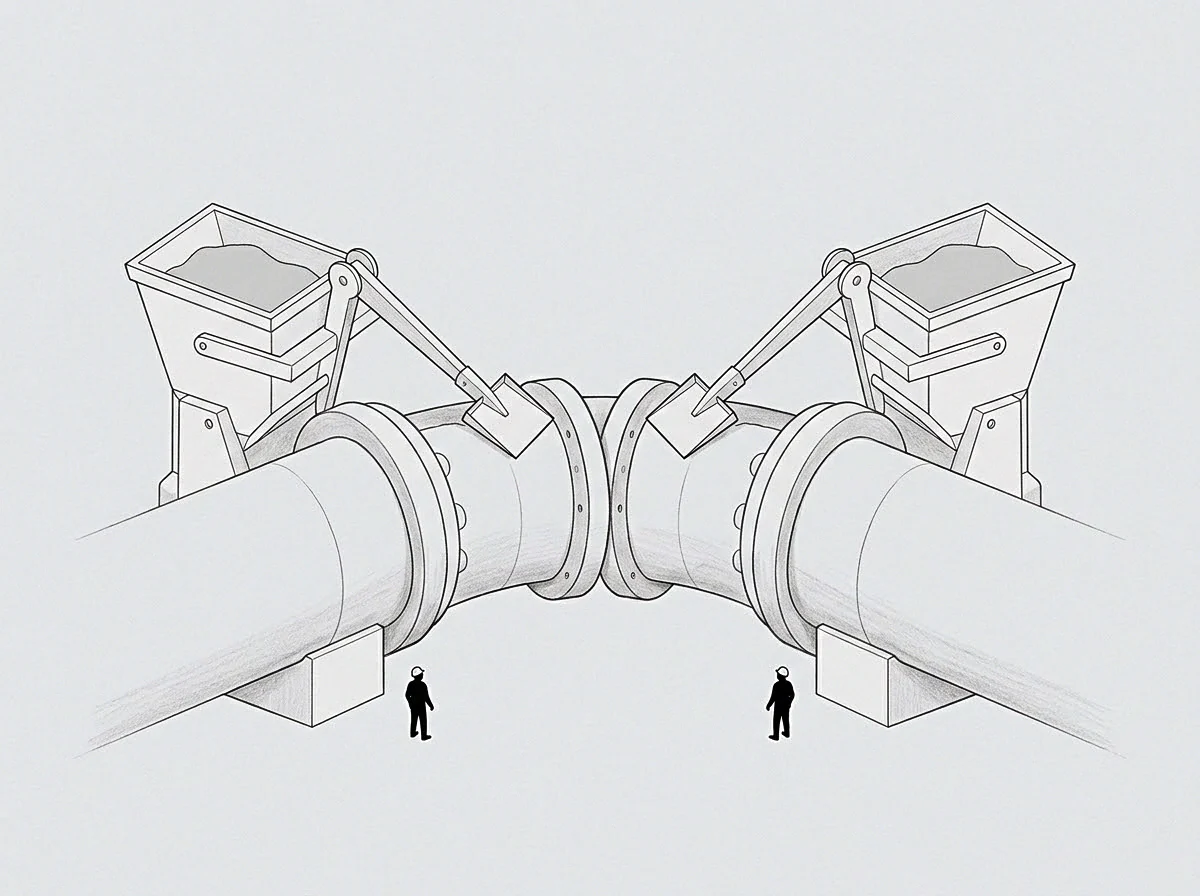
A central dispute among enterprise designers is whether concurrency caps represent inviolable biological ceilings or flexible operational baselines. One view argues that commercial emergencies occasionally require exceeding concurrency limits, relying on brief surges to handle crises. The counter-argument holds that pushing past three or four open ambiguous loops immediately degrades cognitive synthesis, ensuring that emergency work done under autonomic strain creates long-term technical and organizational errors.
Field observations show that treating concurrency limits as flexible baselines rapidly leads to boundary decay. Once an executive permits five or six ungated threads under emergency pretenses, the expanded load becomes the new baseline. Biometrics reflect this slide into chronic allostatic strain: high-frequency cardiac metrics decline and sleep fragmentation rises within forty-eight hours of breaching the limit.
The sustainable path treats the concurrency cap as an absolute physical boundary, like a structural load rating on a commercial crane.
A cap without programmatic enforcement mechanisms rapidly devolves into aspirational corporate rhetoric.

Shield
Protecting autonomic health in demanding leadership roles requires structural shielding rather than subjective coping routines. Mindfulness or breathing exercises that leave underlying structural demands intact do not reduce physiological wear. They simply demand that the body absorb the cost of poorly structured institutional systems.
Lasting autonomic stability requires re-architecting operational channels to throttle unbounded input at the perimeter.
A structural shield consists of operational policies that filter, gate, and park ambiguous demands before they reach executive sensory channels. When communication platforms allow unbounded access, incoming alerts disrupt neural baseline processing. Every unpredictable ping triggers an involuntary orienting reflex, driving sympathetic activation and consuming finite metabolic energy.
Designing an asynchronous, gated operational environment protects these resources.
Insulating the nervous system demands structural barriers between incoming operational ambiguity and immediate sensory channels.
Consider an enterprise operating model where board members, investors, and tier-one clients possess direct, unvetted messaging access to the primary operator. The incoming stream is erratic, unstructured, and often urgent in tone. The operator’s heart rate shows continuous micro-spikes throughout the business day, while salivary cortisol fails to drop in late afternoon hours.
Now consider the same organization after introducing an operational gatekeeper who intercepts direct messages, converting them into a structured once-daily portfolio categorized by decision parameters. The operator’s somatic profile shifts back toward parasympathetic equilibrium within three weeks, without changing the core commercial challenges facing the business.
The enterprise environment inevitably reacts when an operator deploys structural shielding. Some investors and collaborators interpret delays in communication as operational sluggishness or declining commitment. The operator handles this relational cost through radical clarity about operating cadences.
Informing stakeholders that strategic decisions are evaluated solely during dedicated time blocks shifts expectations from instant responsiveness to deliberate analytical rigor.
Longitudinal research across enterprise leadership cohorts leaves unresolved whether deep autonomic recovery remains attainable without full separation from the underlying commercial assets.