

The Physiological Cost Of Self Regulation Without Social Proximity
Solitary self-regulation forces the prefrontal cortex to fund threat mitigation from internal metabolic stores without the energy savings of physical proximity.
Solitary self-regulation forces the prefrontal cortex to fund threat mitigation from internal metabolic stores without the energy savings of physical proximity.
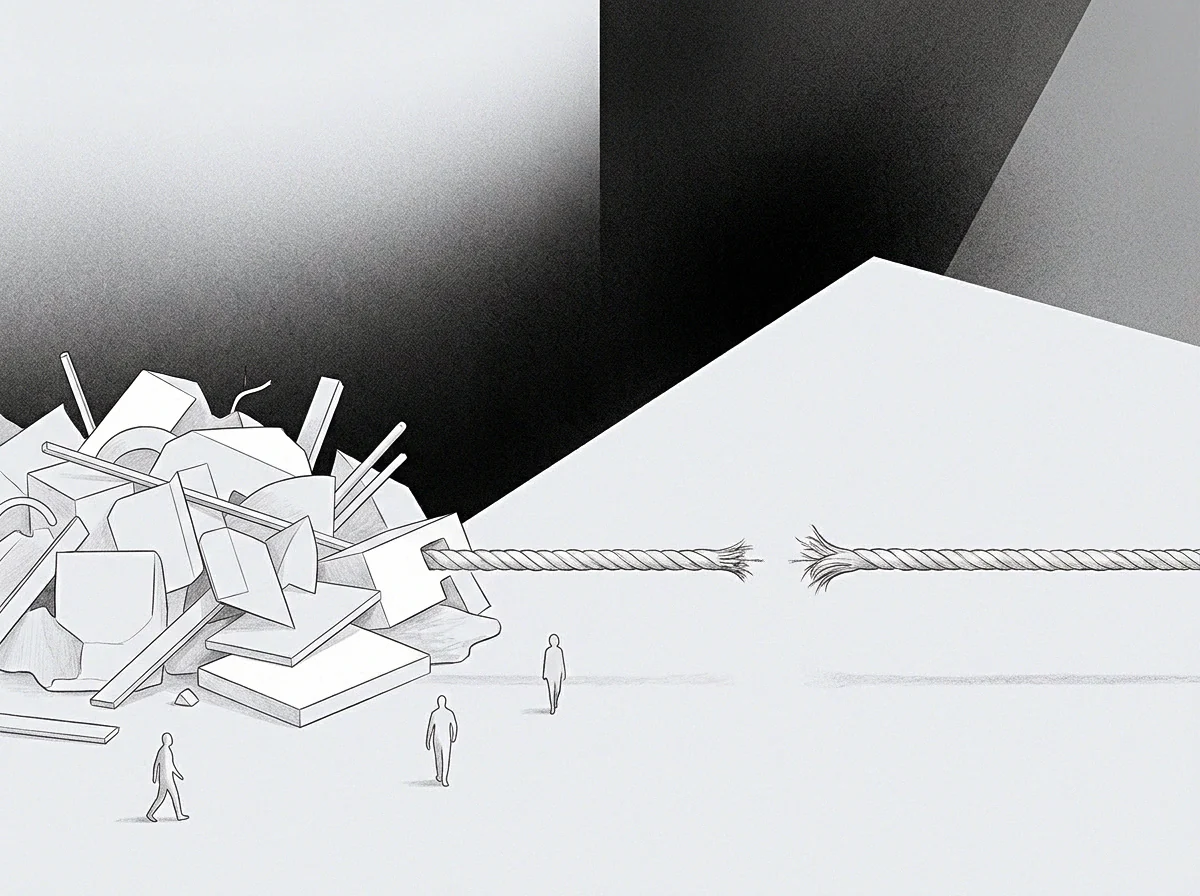
Solitary leadership forces the nervous system to fund regulation through solo metabolic expense, requiring repeated low-stakes proximity to rebuild vagal tone.
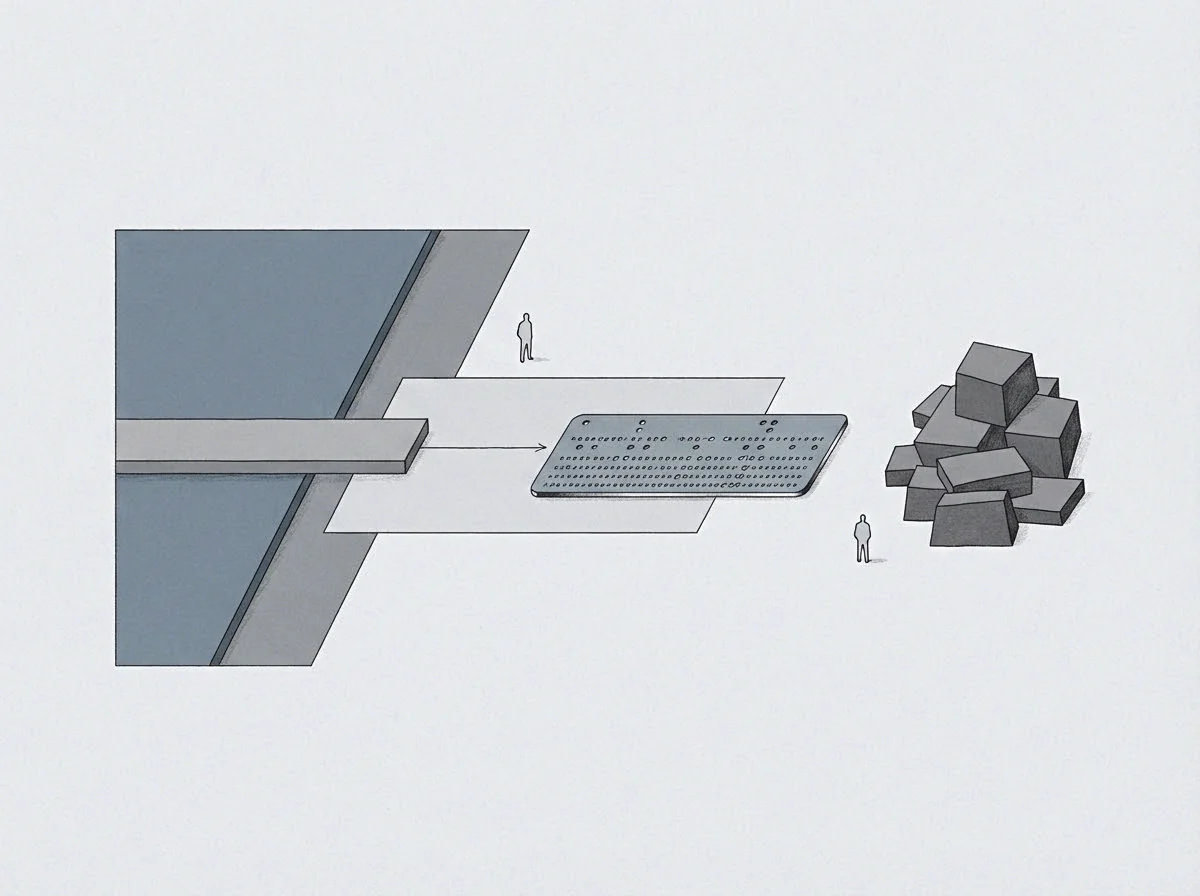
Isolated leaders absorbing peripheral threat without reciprocal regulation incur high metabolic costs that exhaust prefrontal capacity and autonomic headroom.

Unilateral co-regulation forces one partner to absorb the full neural cost of dyadic stabilization, generating chronic allostatic load and systemic depletion.
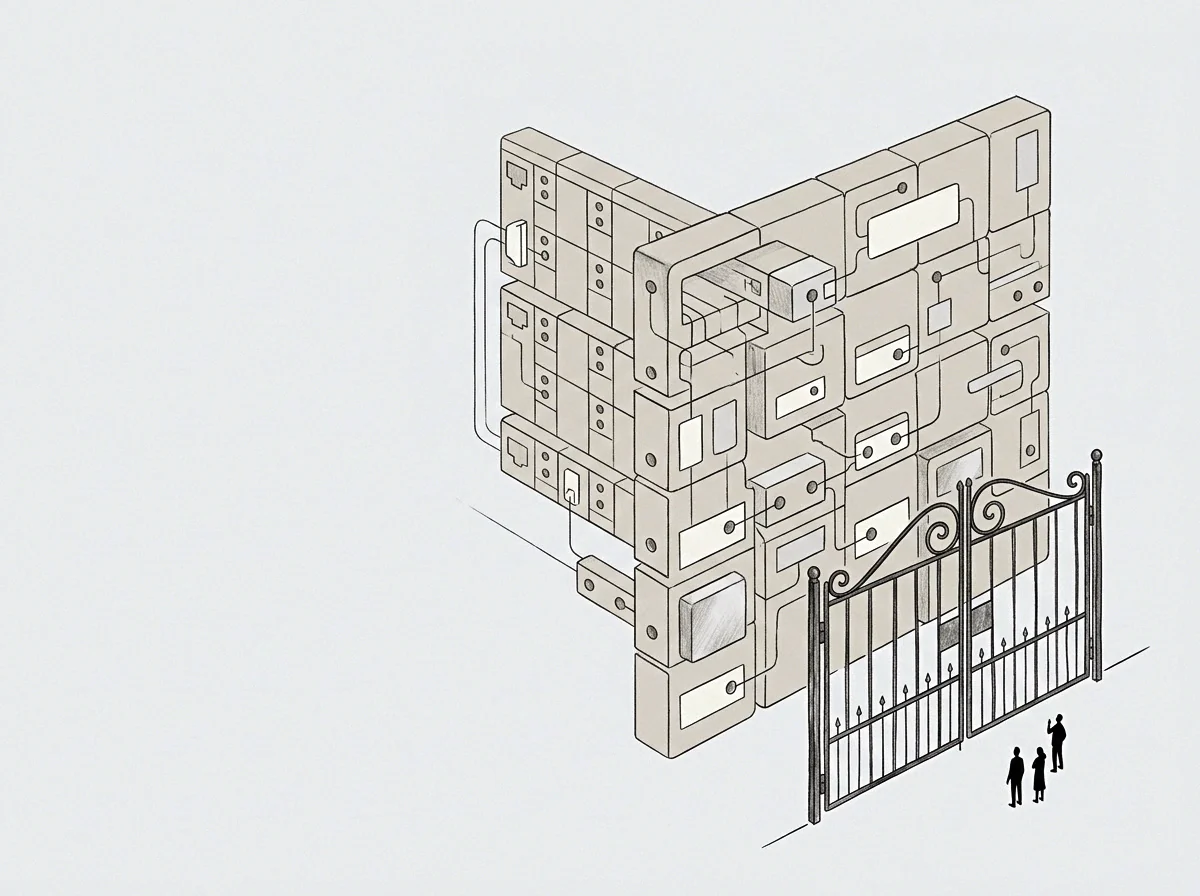
Physical proximity to a regulated partner lowers baseline autonomic threat expenditure by allowing the central nervous system to outsource environmental monitoring.

Chronic high operational load desensitizes parasympathetic receptivity, turning shared rooms from energy-conserving baselines into demanding threat environments.
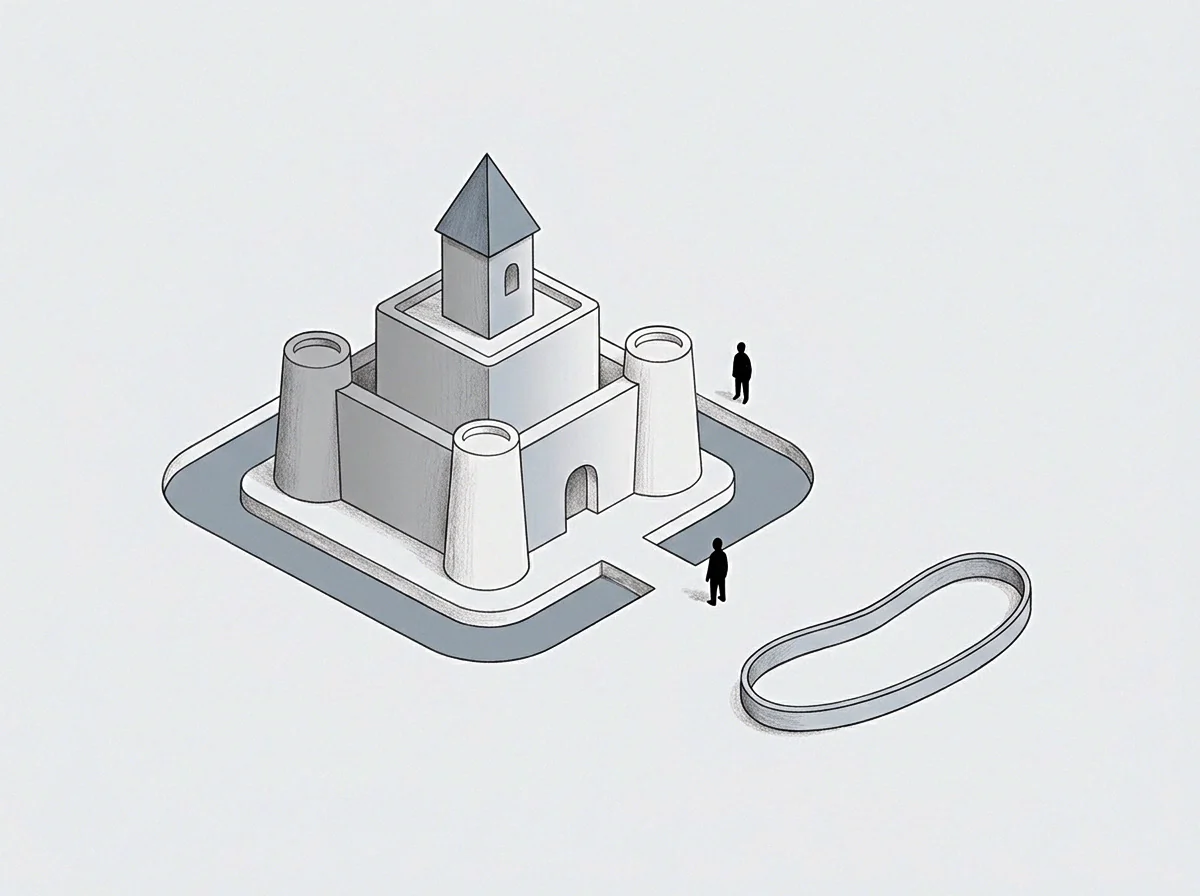
Allostatic load measures physical wear from sustained regulation while cognitive loop volume quantifies active un-gated memory threads in operators.

Neuroendocrine throttling is an adaptive down-regulation of metabolic output from chronic allostatic strain, distinct from affective clinical depression.
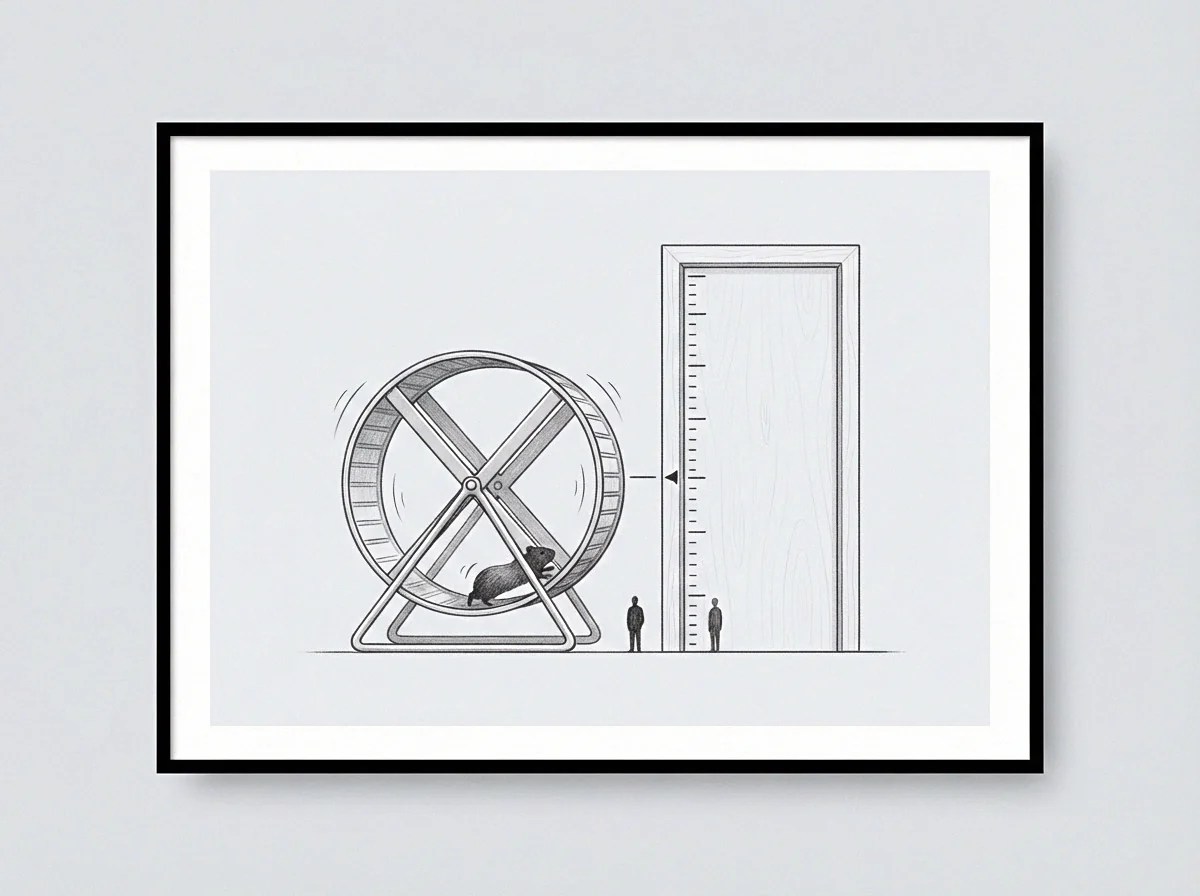
Autonomic recovery rates reflect nocturnal parasympathetic reactivation determined by the density and structural gating of open executive decision threads.

Structural gating protocols preserve executive autonomic headroom by converting continuous real-time coregulation into bounded asynchronous communication threads.

Executive autonomic dysregulation under ungated demands truncates planning horizons and systematically skews capital allocation toward short-term loss avoidance.
Chronic operational pressure flattens diurnal cortisol slopes and lowers heart rate variability, signaling allostatic overload before functional capacity drops.

Biological allostatic load reflects cumulative physiological wear from chronic stress, whereas clinical depression involves primary mood and cognitive disruption.

Endocrine sensitivity returns when enterprise volatility is decoupled from biology through strict communication barriers and restored circadian rhythms.

Shared operational hazard links co-founder nervous systems, replacing parasympathetic regulation with sustained sympathetic baseline threat activation.

Unidirectional executive regulation shifts team autonomic strain onto a single leader, creating quiet allostatic load and eventual system throttling.
Intellectual understanding fails to soothe autonomic threat because subcortical regulation requires repeated relational safety signals rather than cognitive insight.
Autonomic recovery latency measures parasympathetic reactivation speed post-stress, directly predicting prefrontal executive headroom under allostatic load.

Somatic co-regulation lowers individual neural energy expenditure by distributing autonomic threat processing across proximal physiological baseline systems.
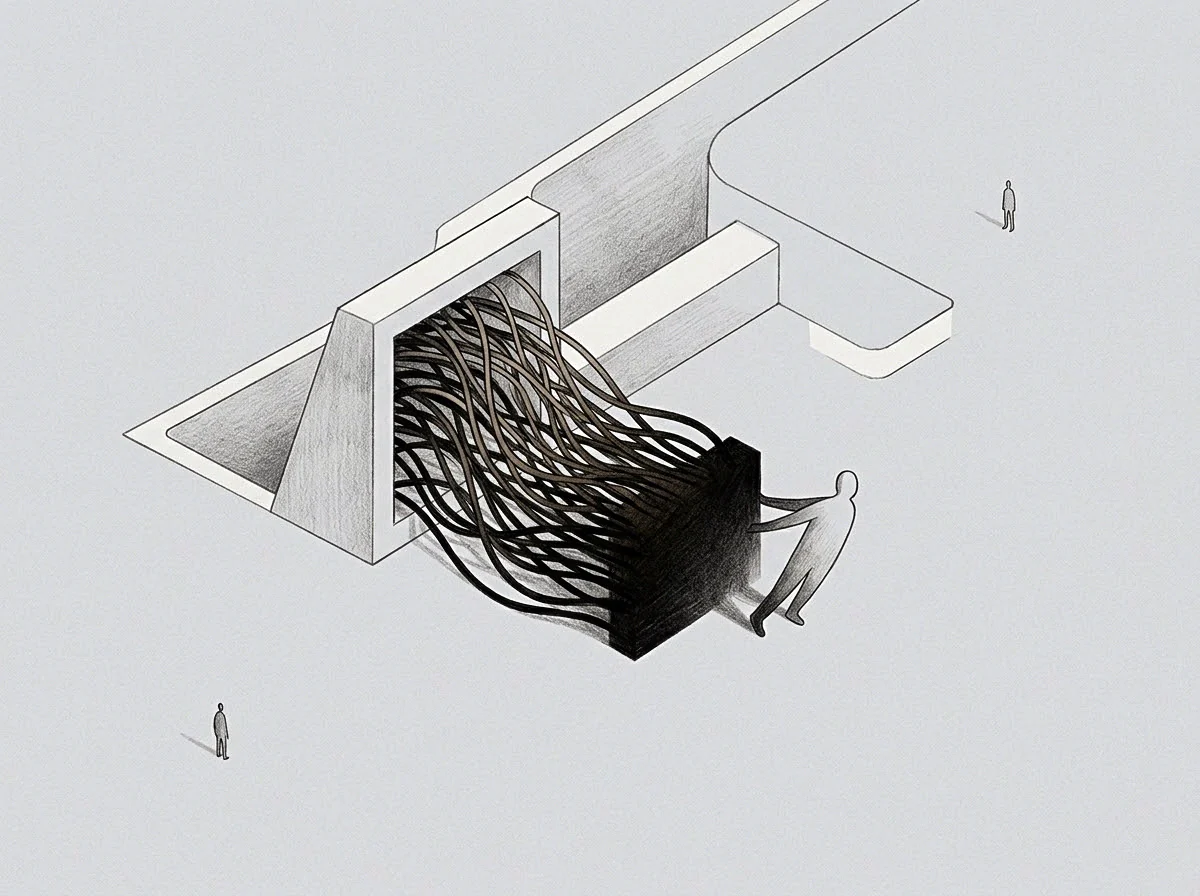
Sustained high command load suppresses nocturnal parasympathetic activation, blunting cardiac dipping metrics and causing chronic autonomic wear.

Quantifying concurrency limits and autonomic thresholds protects executive decision fidelity by capping active loops and restoring parasympathetic baseline.

Unilateral containment forces continuous sympathetic activation in high-load operators until explicit relational safety signals enable visceral parasympathetic recovery.
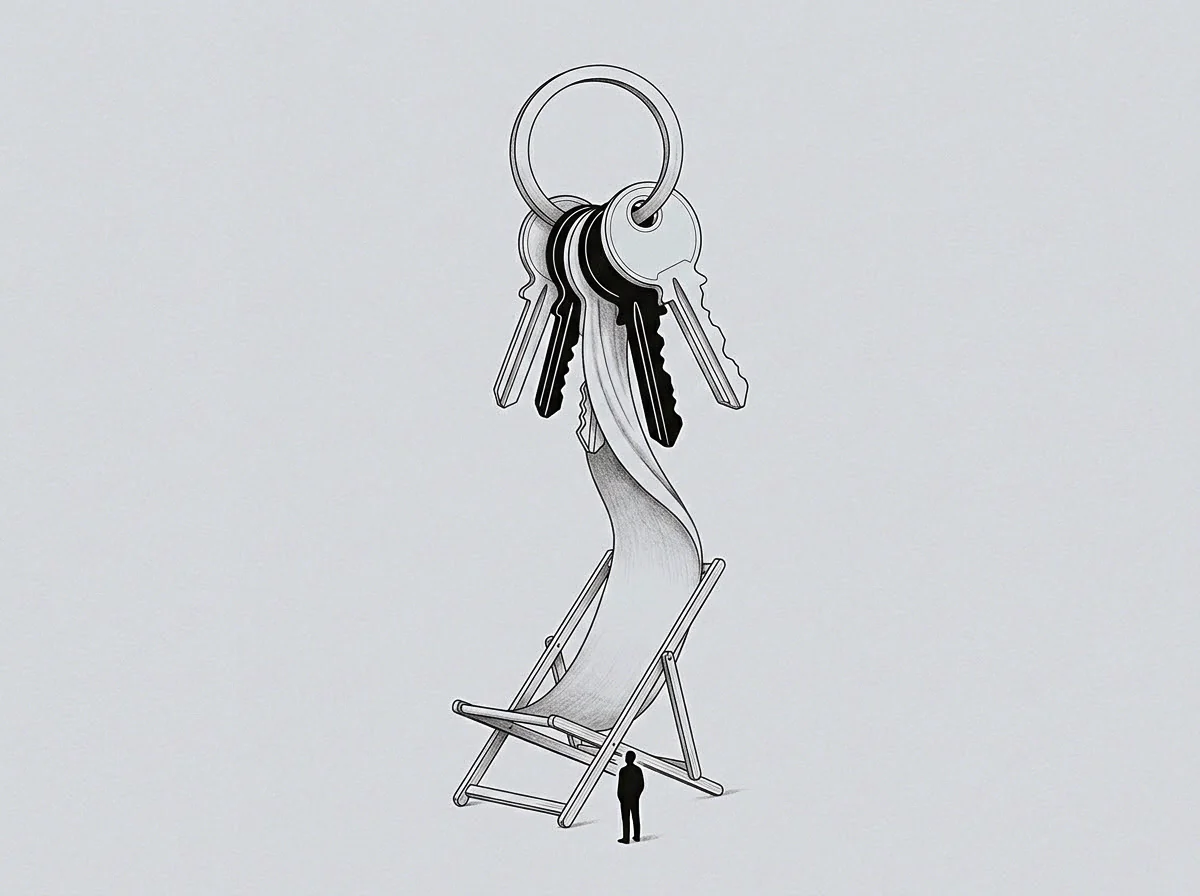
Social baseline theory shows that solitary leadership forces the nervous system to spend internal metabolic energy on threat regulation normally shared with others.
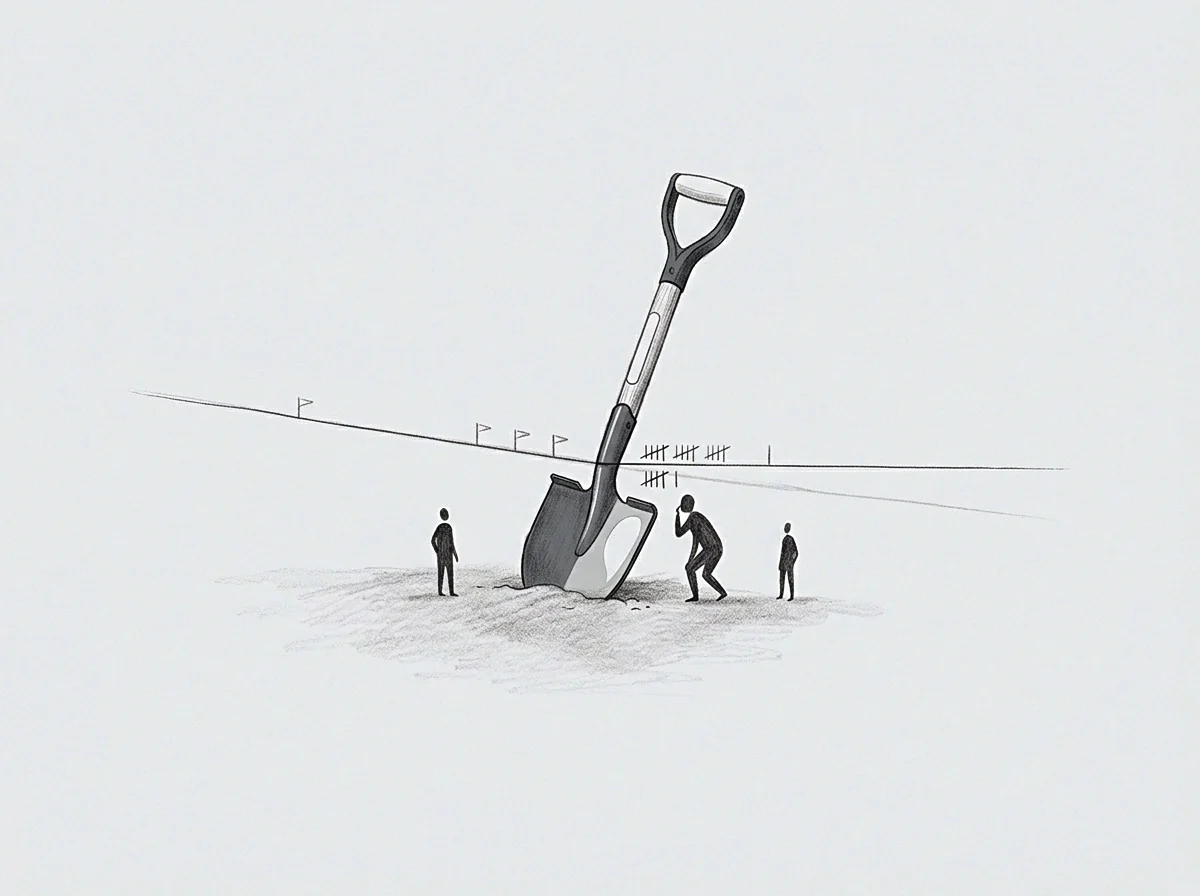
Functioning as a primary relational regulator suppresses autonomic recovery and elevates metabolic expenditure by replacing co-regulatory relief with solo buffering.
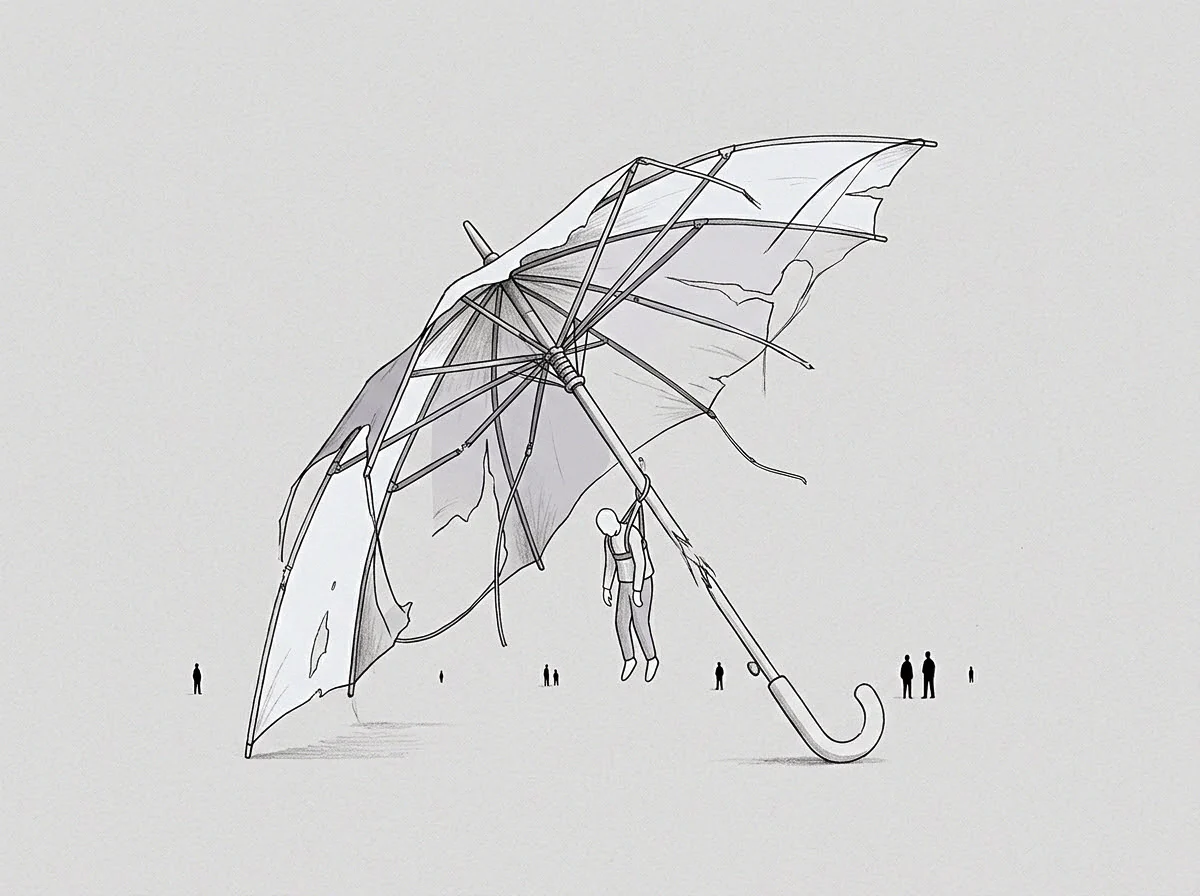
Autonomic strain measurement requires combining discrete endocrine assays with electrophysiological metrics to capture systemic wear before clinical breakdown.

Receptor downregulation under chronic overload throttles receptive neural pathways, making incoming dyadic calm register as sensory load during reentry.

Chronic executive demand elevates allostatic load, triggering autonomic throttling that suppresses cognitive headroom to preserve baseline physiological integrity.

Systemic neuroendocrine recovery following operational volatility depends on restoring the diurnal cortisol slope and normalization of anabolic steroid ratios.
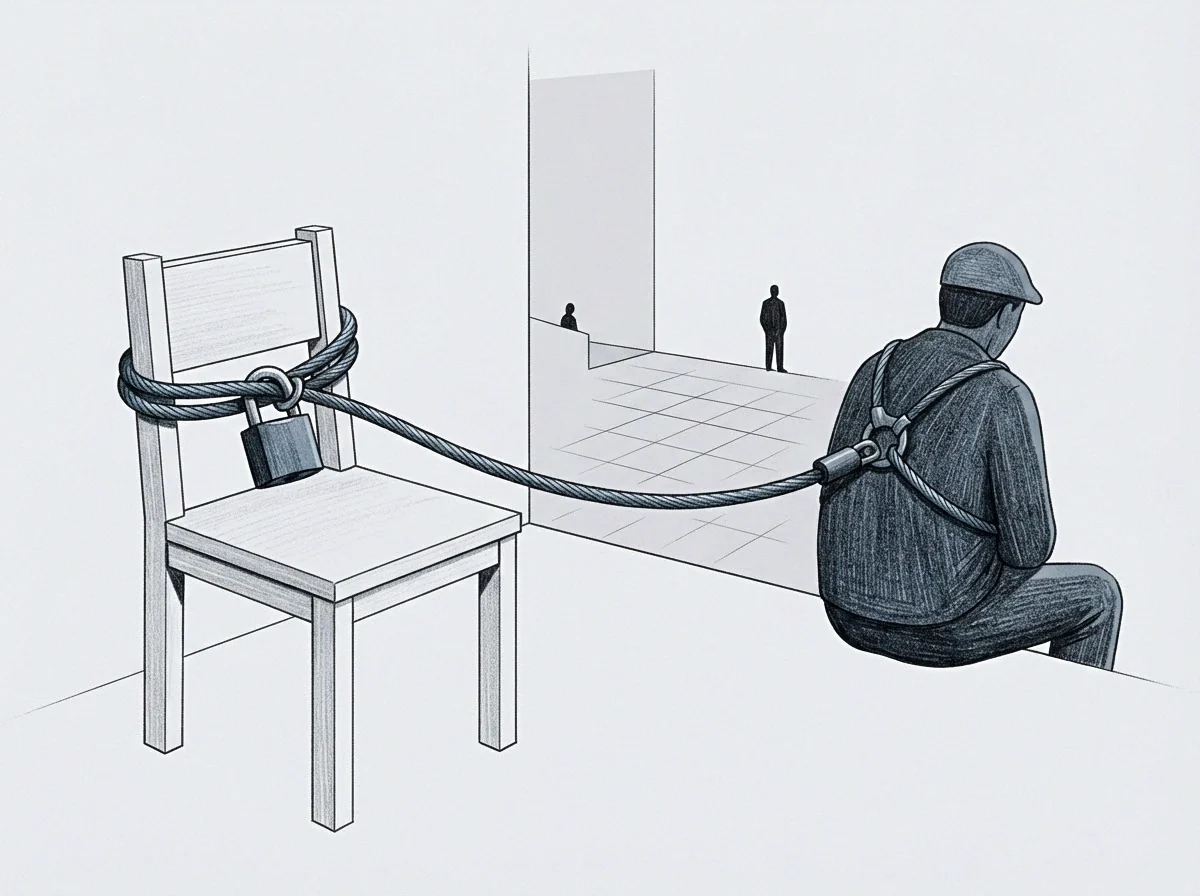
Uncoupling autonomous regulation templates during intimacy keeps sympathetic drive elevated, causing vascular resistance and cardiovascular shear stress despite physical proximity.

Chronic enterprise debt overloads human neurobiology through isolated threat processing, requiring relational co-regulation to preserve executive function.
The terms are written where they belong. Each field holds three desks, and every entry a desk writes raises the terms it uses, each term given a meaning, a mechanism and the places it appears. The record on these pages stays first person and hand made; the fields grow the nomenclature.