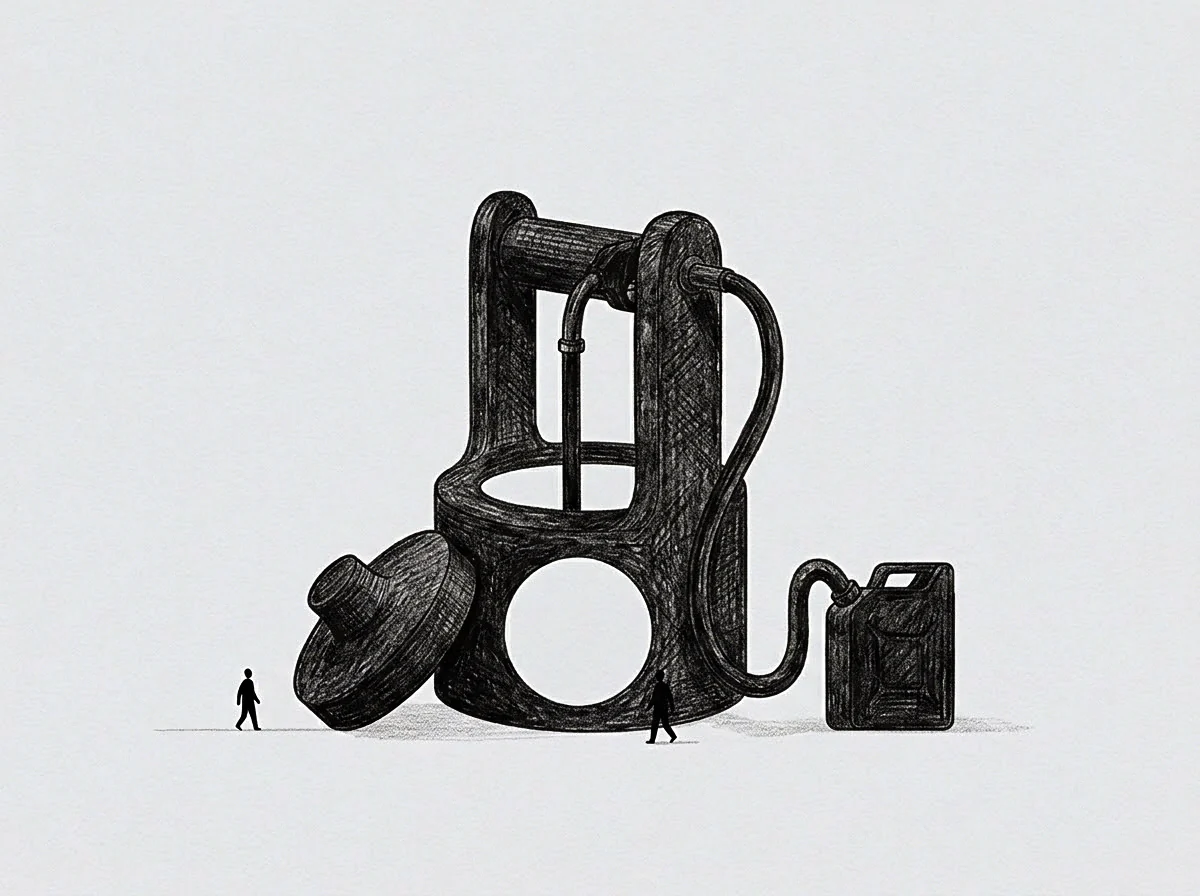
Meaning
Cognitive and physiological detection of potential harm or loss identifies signals in the environment that suggest a risk to existing stability. Threat perception is a necessary survival mechanism that allows for the rapid identification of dangers before they become critical. In a high pressure environment, this system can become overly sensitive, identifying risks where none exist.
The body remains in a state of constant readiness for a crisis that never arrives.
Detection Sensitivity
Accuracy of the internal alarm system depends on the current state of the observer and the clarity of the incoming signals. When an individual is already under high stress, their threat perception tends to skew toward the negative. This hypersensitivity leads to the misinterpretation of neutral feedback as a direct threat to the organization.
The resulting anxiety consumes resources that are needed elsewhere. An overactive alarm system prevents the accurate assessment of actual risks.
Physiological Activation
Recognition of a potential danger triggers an immediate release of stress hormones to prepare the body for action. This threat perception cycle increases heart rate and narrows focus to the immediate problem. While useful for short term survival, the continuous activation of this response causes long term damage to the nervous system.
Response Bias
Decisions made while the system is oriented toward a threat are usually defensive and short sighted. This bias prevents the adoption of growth strategies that require a higher tolerance for risk.