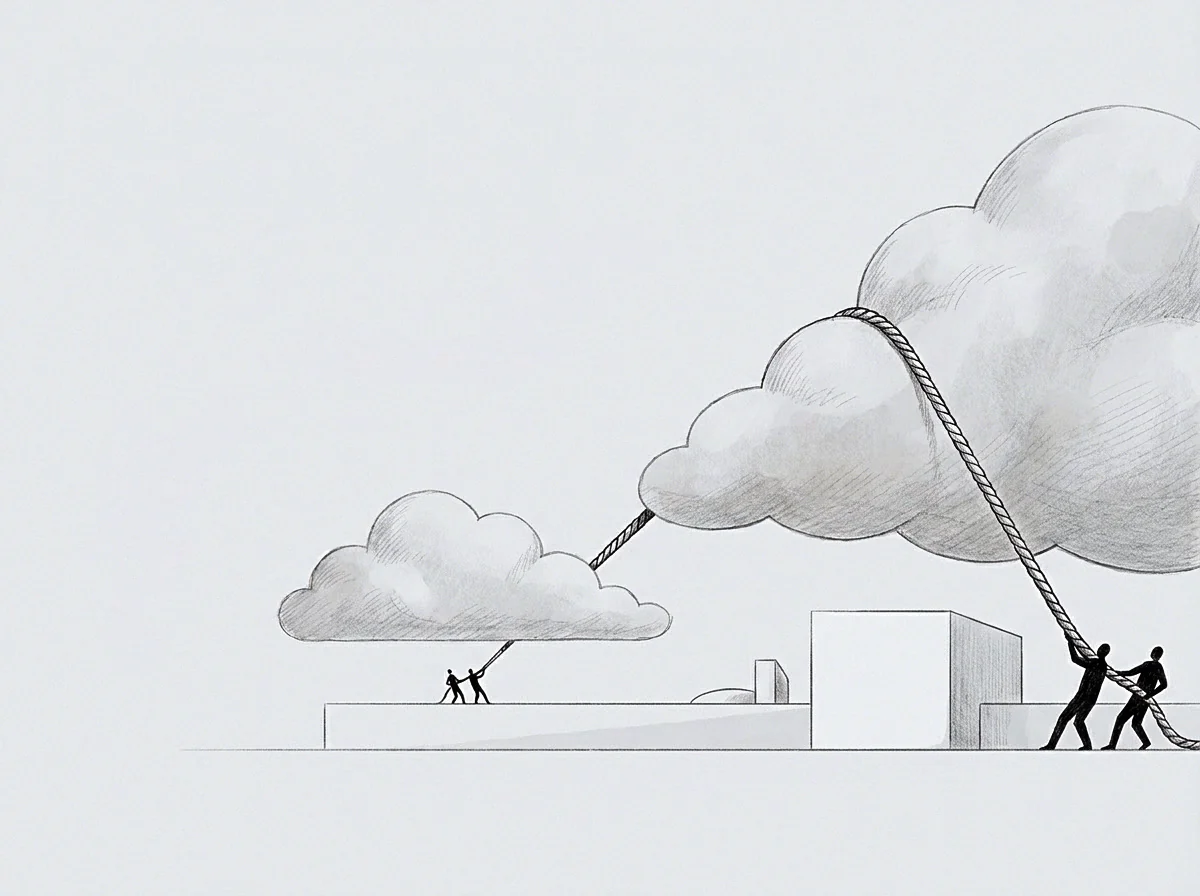
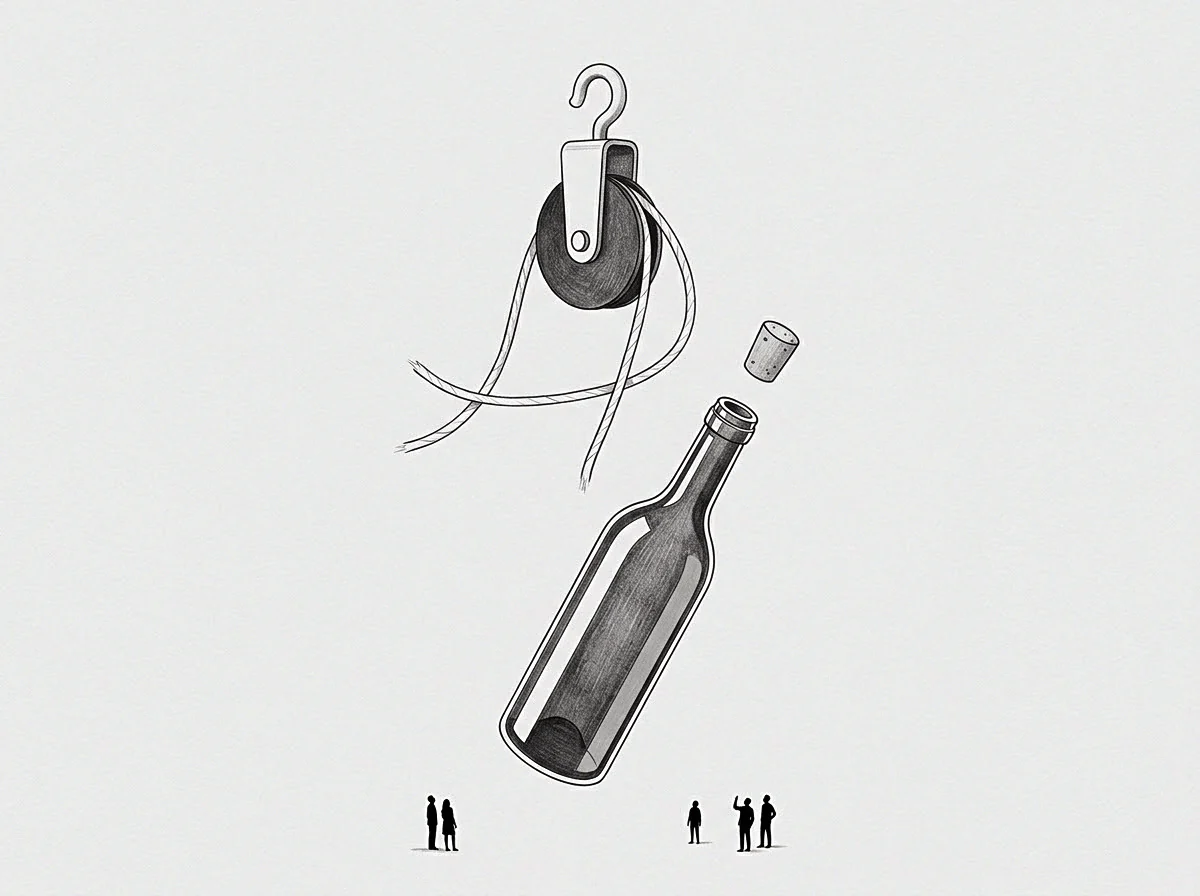
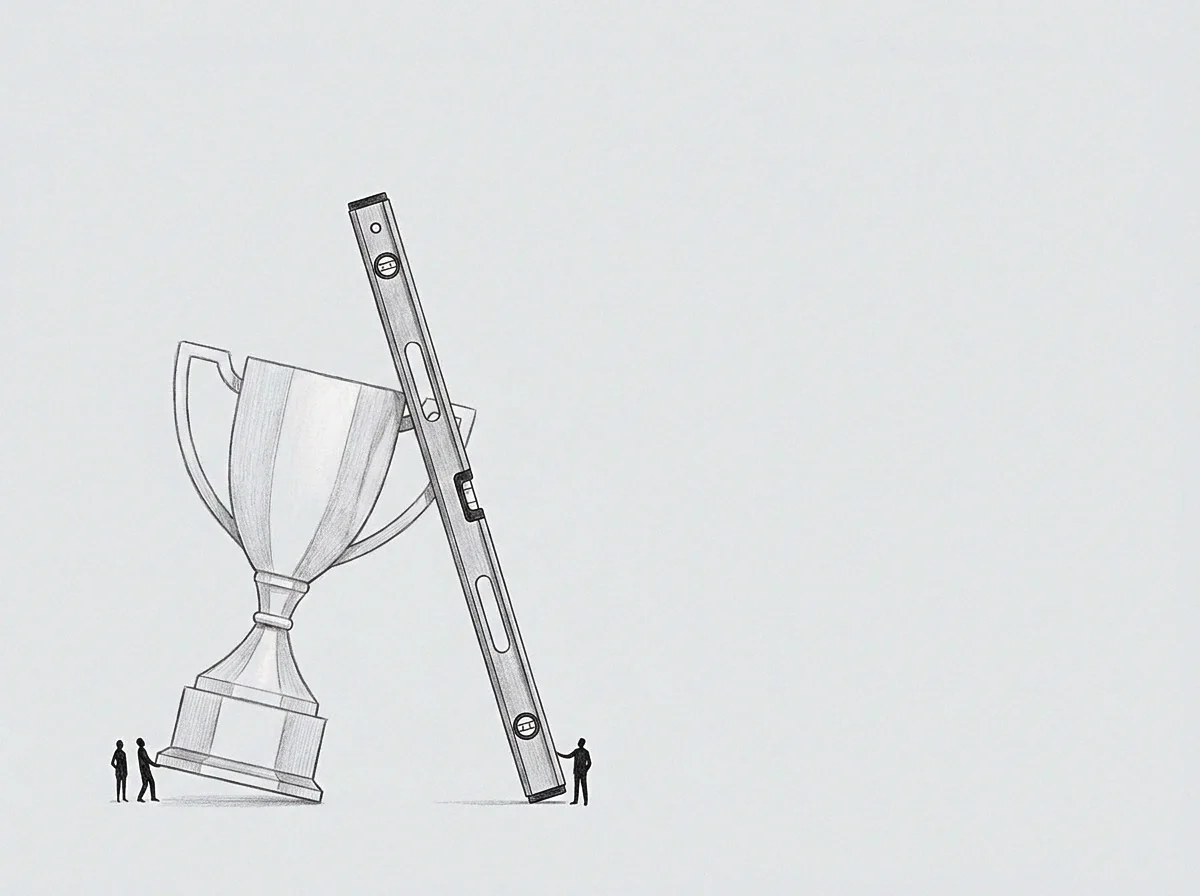
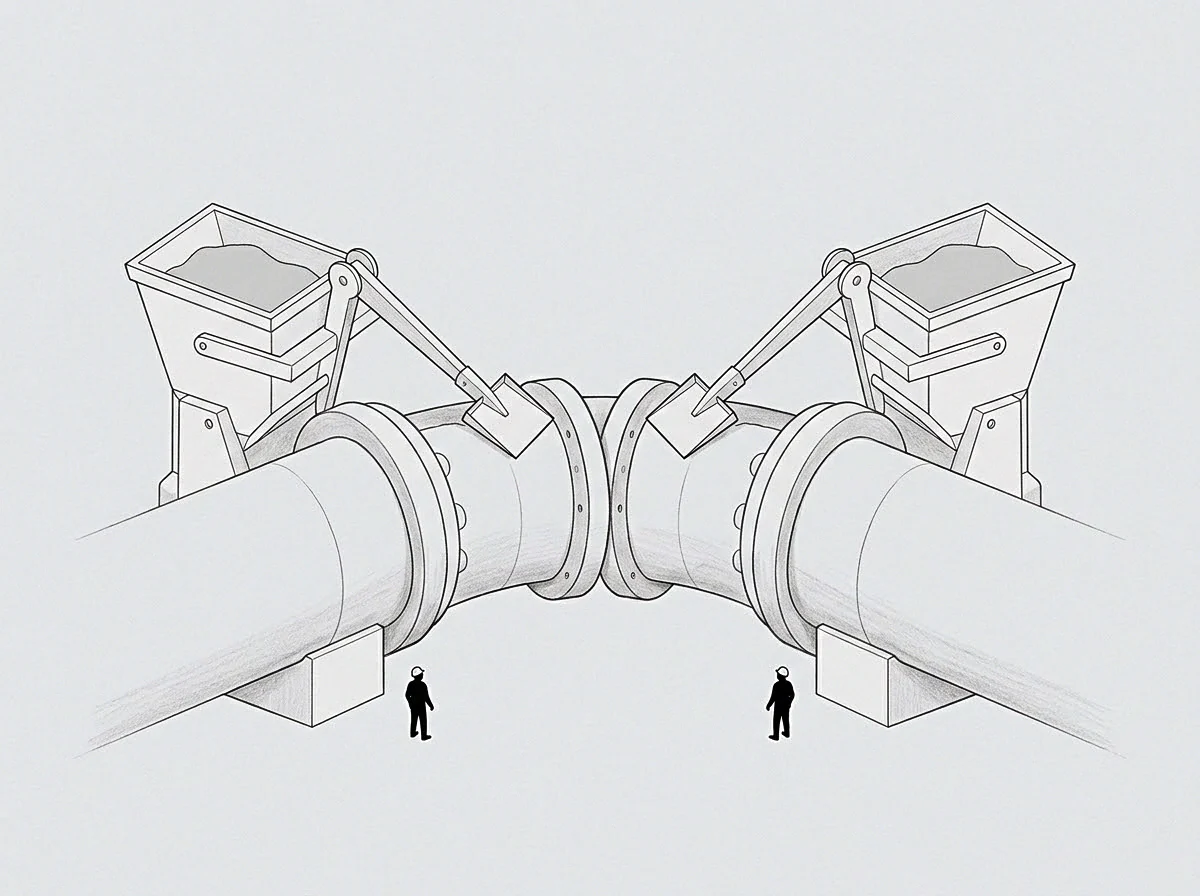
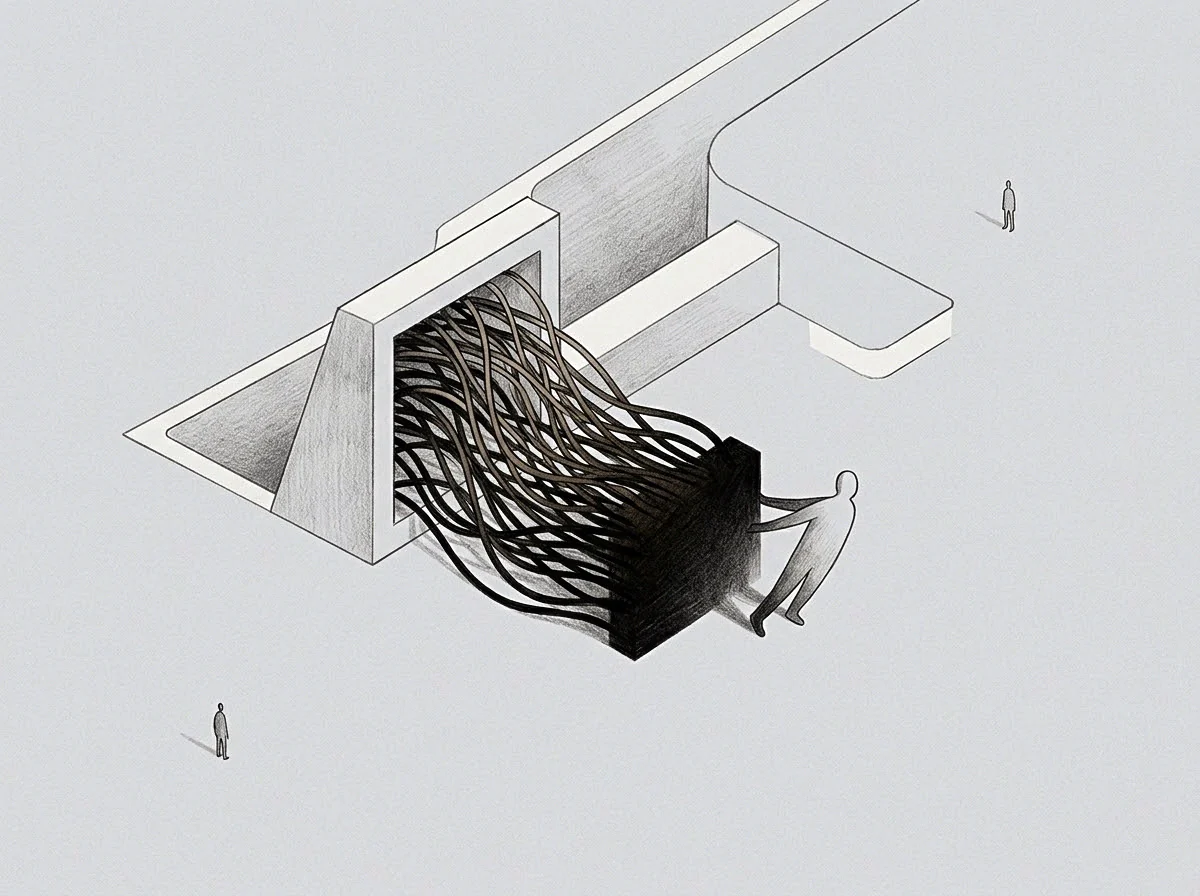
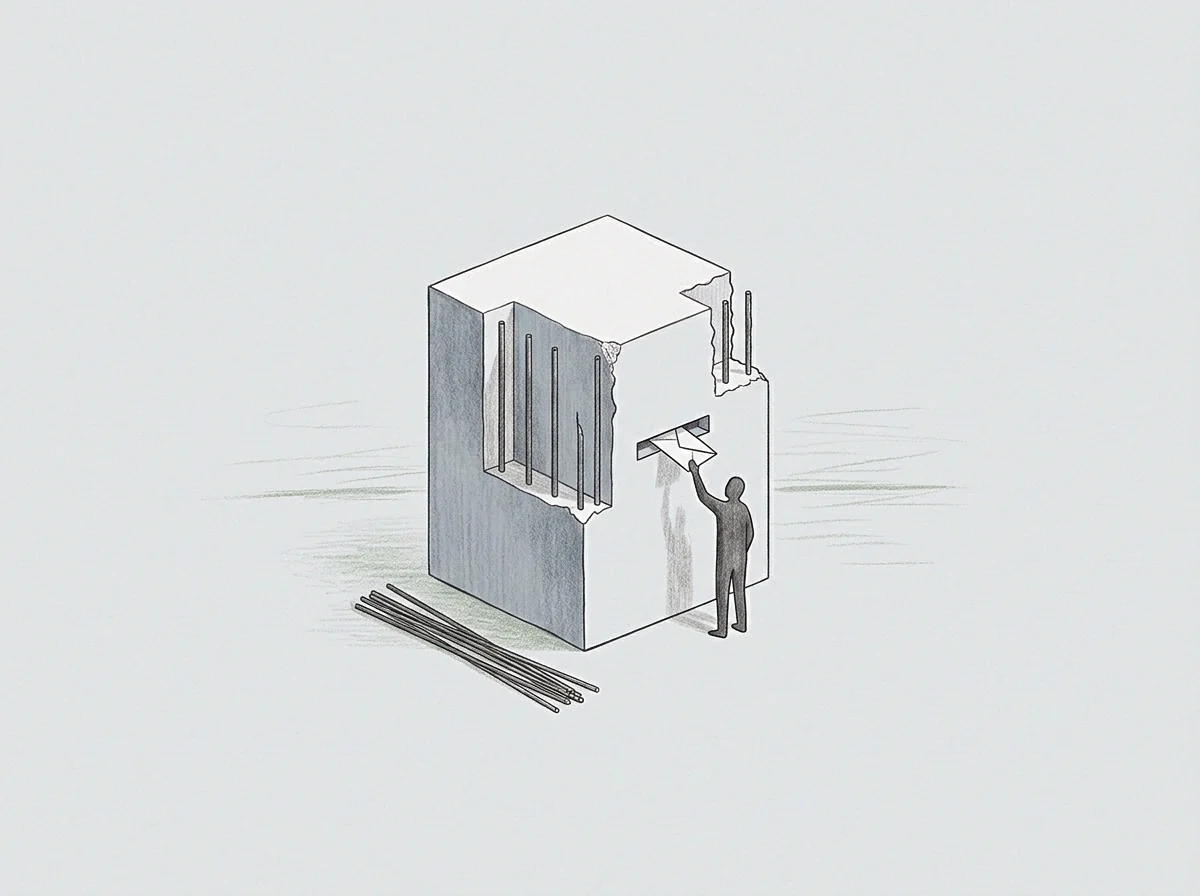
A stated limit is a wall, not a person: a load-transferring system pushes until it meets something that is not the regulator. Availability lives in the silence of a position and a cost. The channel that does not ping was not a priority for either side.
Investor reserved matter thresholds impose legal caps on contractual liabilities, establishing fixed financial boundaries for maximum sustainable operational run rates.
Corporate governance charters translate into daily spending limits by mapping board legal delegations to hard merchant category codes and payment authorization gates.
Downstream autonomous execution accelerates incoming volume while funneling concentrated edge cases to human supervisors, causing cognitive collapse without hard limits.
Unannounced upstream processing delays force downstream teams to buffer work, inflate batch sizes, and substitute informal lateral agreements for direct review.
A mechanical capacity threshold rejects incoming operational requests automatically once active execution slots reach a predetermined physical concurrency cap.
Formal operating constraints protect human nodes in distributed capital networks by mechanizing transaction latency and boundaries before biological exhaustion.
A stated capacity wall establishes an operational intake limit before workload transfers, forcing collaborative systems to route surplus demand elsewhere.
Structural corporate deficiencies transfer directly into human physiology when organizational buffers are absent, terminating in autonomic threshold failure.
Counterparties derive operational availability through stated structural terms and response signals rather than relying on unstated individual capacity.
Stated operating limits function as structural walls that reallocate load, ending implicit emotional absorption across pressurized executive partnerships.
Executive workload distribution requires structural interface impedance to prevent operational overload from routing directly into executive attention.
Stated position limits isolate execution channels to prevent one co-founder's allostatic overload from triggering reciprocal nervous system exhaustion.
Structural availability is derived by measuring actual task queue drain rate and completion latency against arrival volume rather than message acknowledgment speed.
State gated task routing restricts execution intake to verified physiological reserves, arresting load transfer through impersonal mechanical boundaries.
Mechanical circuit breakers decouple saturated leaders from operational escalation loops by enforcing rigid structural thresholds and automated communication quarantines.
Stated operational parameters replace personal endurance with unyielding institutional walls, allowing availability limits to be derived from objective rules.
Capacity partitioning protects executive reserves under high operational load by replacing personal tolerance with mechanical boundaries and throttles.
Contractual operating limits replace individual stamina by turning operational limits into non-negotiable legal and mechanical constraints across layers.
Strategic direction survives founder depletion when operating priorities transfer from active daily presence to explicit negative constraints and written terms.
Executive capacity contracts predictably under allostatic load, collapsing to serial processing when organizational systems fail to provide co-regulation.
Executive capacity survives through cold structural throttles, latency gates, and stated terms that absorb organizational load without personal negotiation.
Credit underwriting models elevate capital hurdle rates when concentrated operational assets face statutory throughput limits and discretionary regulatory reviews.
Six fields, each writing its own terms
The terms are written where they belong. Each field holds three desks, and every entry a desk writes raises the terms it uses, each term given a meaning, a mechanism and the places it appears. The record on these pages stays first person and hand made; the fields grow the nomenclature.