

Quantifying Balance Sheet Impairment Triggered By Fatigue Bottlenecks In Executive Approvals
Executive fatigue delays capital authorizations, creating inventory carrying penalties, forfeited supplier discounts, and mandatory asset write-downs.
Executive fatigue delays capital authorizations, creating inventory carrying penalties, forfeited supplier discounts, and mandatory asset write-downs.

Centralized corporate governance depresses enterprise value through a key person discount factor derived from authority concentration and transferability rates.

Graduated throughput covenants allocate operational liability across leadership when physical decay diminishes executive capacity before legal breach occurs.

A springing fiduciary covenant transfers executive signing authority to a designated committee upon verifiable non-judicial evidence of physical incapacity.

Operational latency results when input volume exceeds executive working memory, turning saturated leadership nodes into compounding organizational queues.

Automated governance circuit breakers decouple exhausted operator biology from capital authority through objective biometric triggers and treasury lockouts.

Executive biological strain sets the physical limit on capital deployment speed, converting unmonitored stress into misallocated corporate treasury funds.

Capital authorization requires verifying operator cognitive headroom and execution bandwidth before releasing balance sheet funds into complex assets.

Executive attention under concurrent operational stress behaves as a finite processing queue requiring non-preemptive time blocks and explicit load shedding.
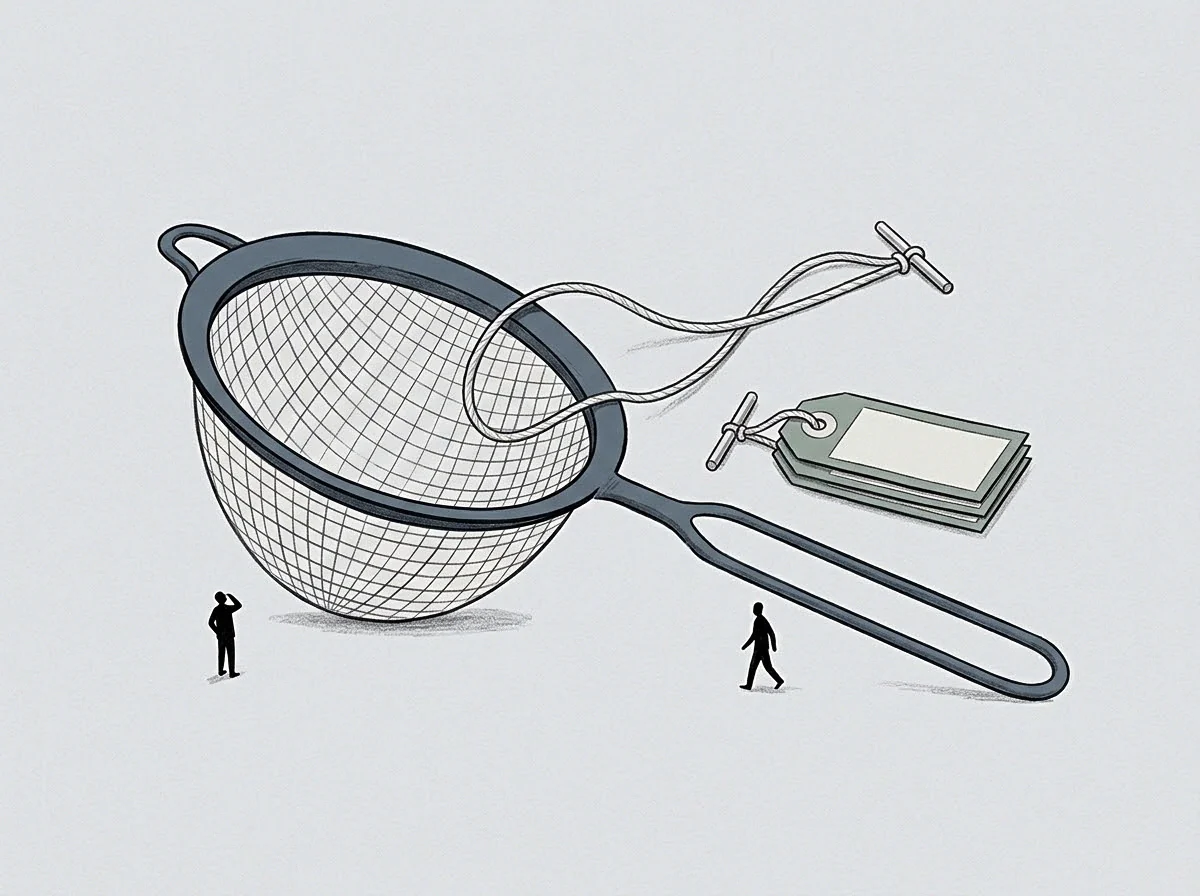
Asynchronous filter structures preserve executive headroom during outages by converting intrusive escalations into batch updates at enforced physical boundaries.

Stated escalation boundaries prevent telemetry feeds from converting executive attention into an unmetered triage buffer for routine technical events.

Counterparties adapt to enforced latency boundaries by probing alternative channels, consolidating query payloads, and shifting toward internal problem resolution.

Executive attention decays under continuous synchronous communication because rapid context switching saturates working memory buffers and accelerates decision fatigue.

Structural latency protocols enforce mandatory temporal delays between message receipt and evaluation, preserving working memory headroom for executive function.
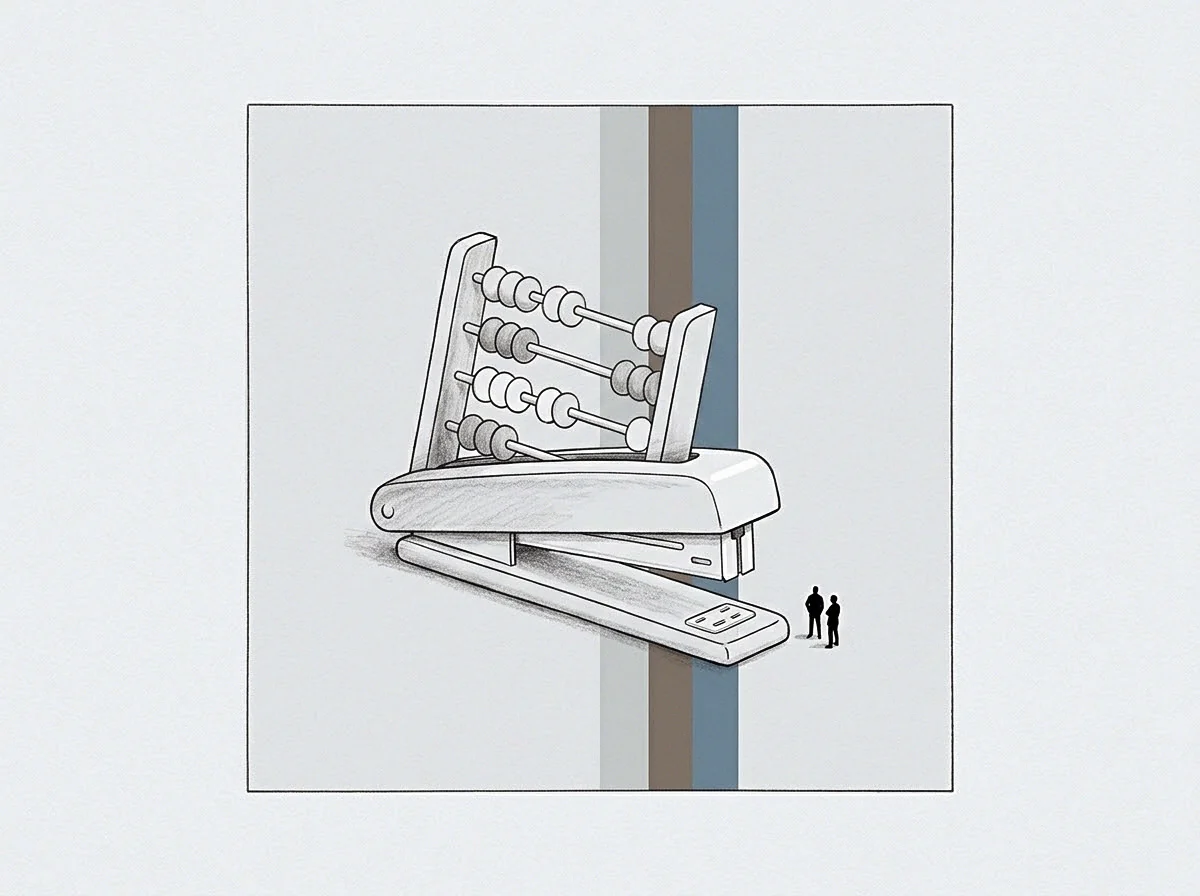
Executive transition from shock absorber to hard terms redistributes operational load by converting continuous personal availability into explicit structural limits.
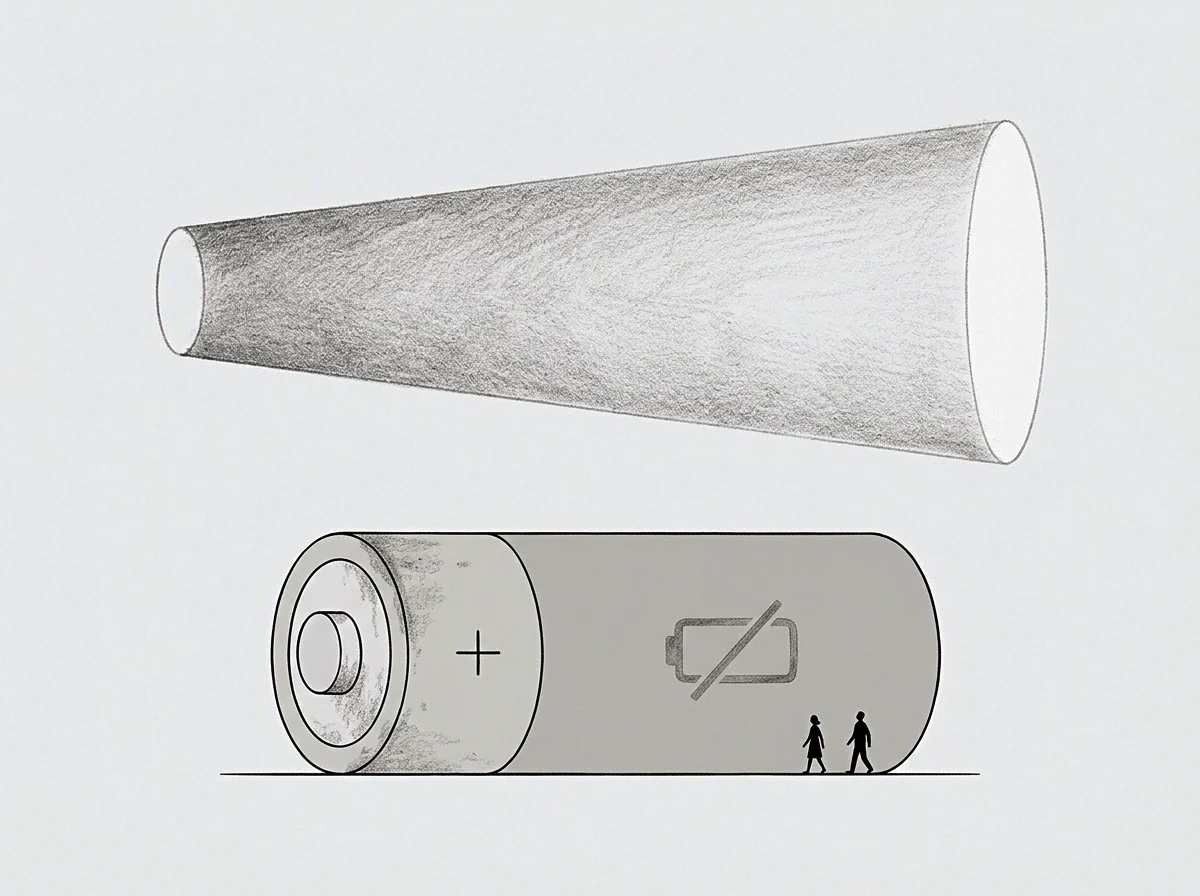
Structural terms replace human endurance with explicit operational constraints, rerouting institutional demand before it depletes biological reserves.

A stated limit acts as a structural wall that transfers operational load back to its source by establishing clear friction for unbudgeted capacity demands.

A stated limit acts as a structural wall that forces operational tiers to compute resolutions locally rather than transferring cognitive load upstream.

State-gated authorization protocols evaluate system telemetry rather than human discretion to permit or reject transactions during extreme operational load.

Stated capacity bounds protect executive governance by replacing human endurance with explicit structural refusal rules that halt external load transfers under strain.

Physical fatigue delays risk processing across governance boards, converting decision latency into unmonitored structural exposure that preset limits contain.
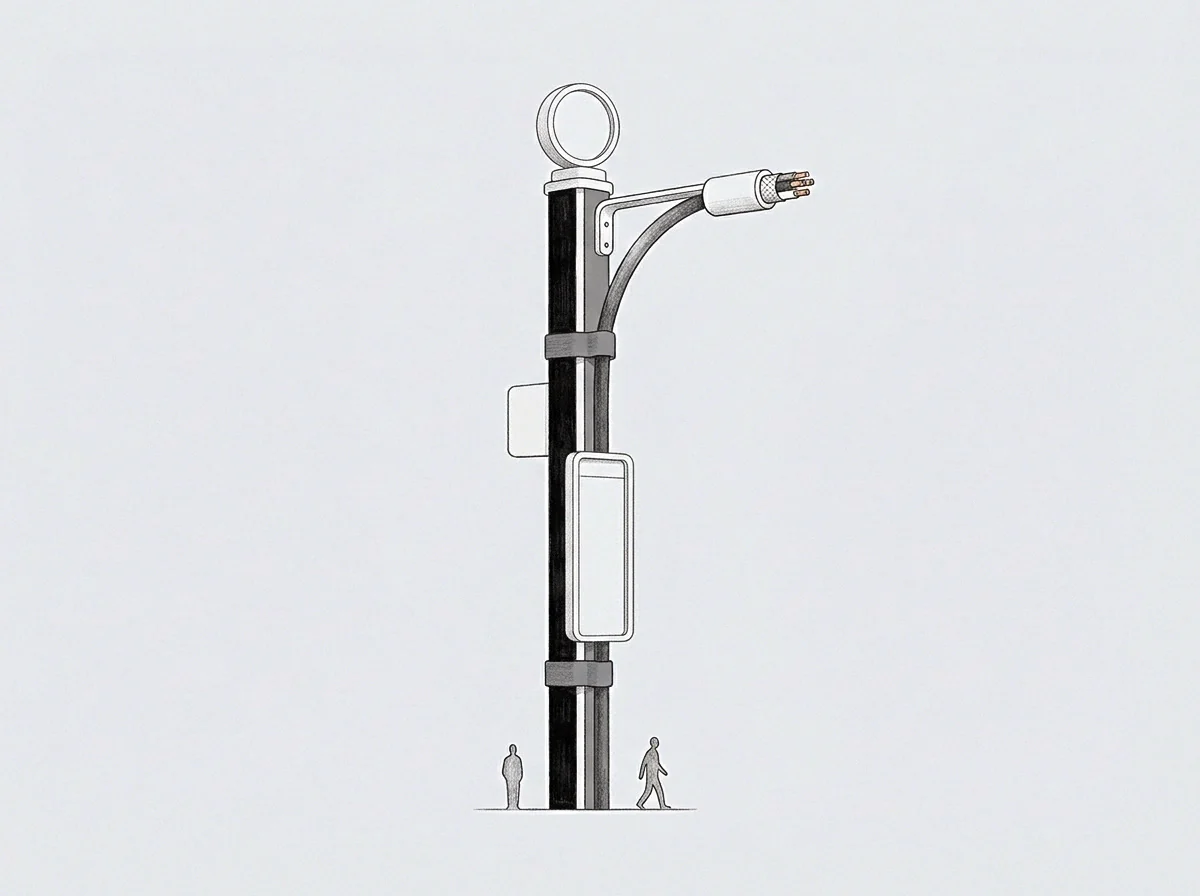
Governance processing latency expands exponentially under chronic allostatic load as high-dimensional executive synthesis yields to operational triage.

Executive cognitive latency measures the elapsed duration between risk dossier delivery and formal authorization to diagnose cognitive saturation and governance friction.

Organizational delegation thresholds must align with biological working memory limits of four chunks to prevent executive bottlenecks and cognitive collapse.
Continuous communicative concurrency injects background noise into neural processing, degrading evidence accumulation rates and forcing premature decision boundary collapse.

Executive cognitive latency reflects working memory saturation and allostatic setpoints, shifting real-time processing to asynchronous throttling under load.

Unstated executive regulatory strain forces depleted leaders to deploy capital as an energetic shock absorber to bypass high-friction interpersonal decisions.
Executive threshold breaches trigger automatic downstream attention rationing, shifting cognitive processing depth to protect core physiological setpoints under ceiling load.

Stating operational limits as fixed structural terms stops lateral load transfer by forcing adjacent leaders to resolve ambiguities internally.
Structural jurisdiction disputes resolve through deterministic time-bounded leases and state-gated write constraints during executive recovery blackouts.
The terms are written where they belong. Each field holds three desks, and every entry a desk writes raises the terms it uses, each term given a meaning, a mechanism and the places it appears. The record on these pages stays first person and hand made; the fields grow the nomenclature.