
Enforcing Mechanical Capacity Thresholds Across Operational Intake Gates
A mechanical capacity threshold rejects incoming operational requests automatically once active execution slots reach a predetermined physical concurrency cap.
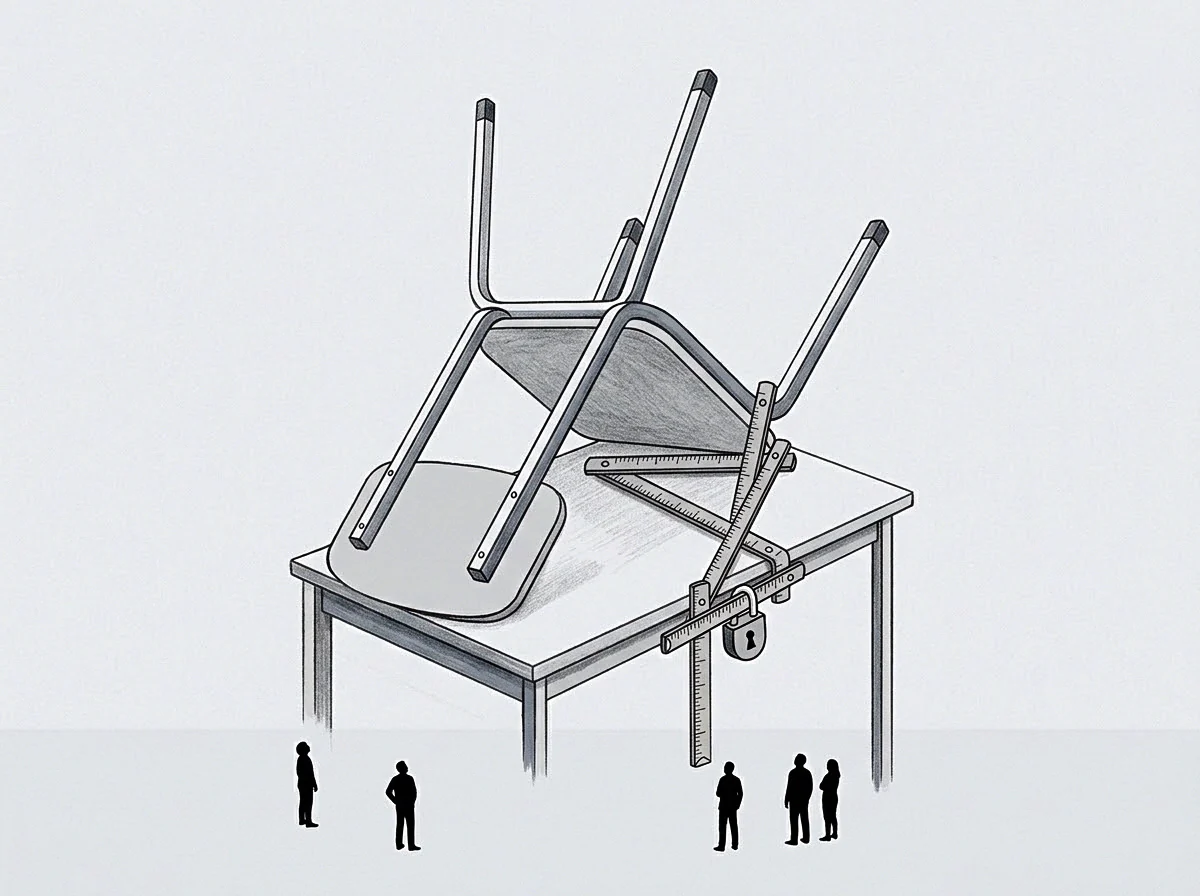
Lock
An intake gate separates external demand from internal capacity using strict operational boundaries. Without clear physical limits, external requesters treat internal capacity as an infinite pool. Incoming requests arrive through separate channels, creating scattered queues that disrupt focused work.
A fixed capacity threshold replaces individual discretion with predetermined stops. The intake gate closes whenever work in progress reaches the established ceiling.
The operational lock relies on structural limits rather than personal negotiation. A team lead managing twenty active projects across four contributors cannot evaluate project twenty-one on its isolated merits while utilization is high. Assessing new demand during peak periods imposes heavy context-switching costs on contributors.
The intake lock measures active projects against available capacity slots before anyone reviews a new proposal.
A mechanical intake gate rejects incoming work whenever concurrent execution slots reach saturation.
Production boundaries work predictably when capacity limits remain physical. Cognitive output depends on uninterrupted focus, reliable allocation of working memory, and clear delivery intervals. When intake remains fluid, the organization pushes scheduling friction onto contributors through ad hoc prioritization meetings and constant interruptions.
Hard gating holds incoming volume outside the delivery team, protecting the execution cadence from external pressure.
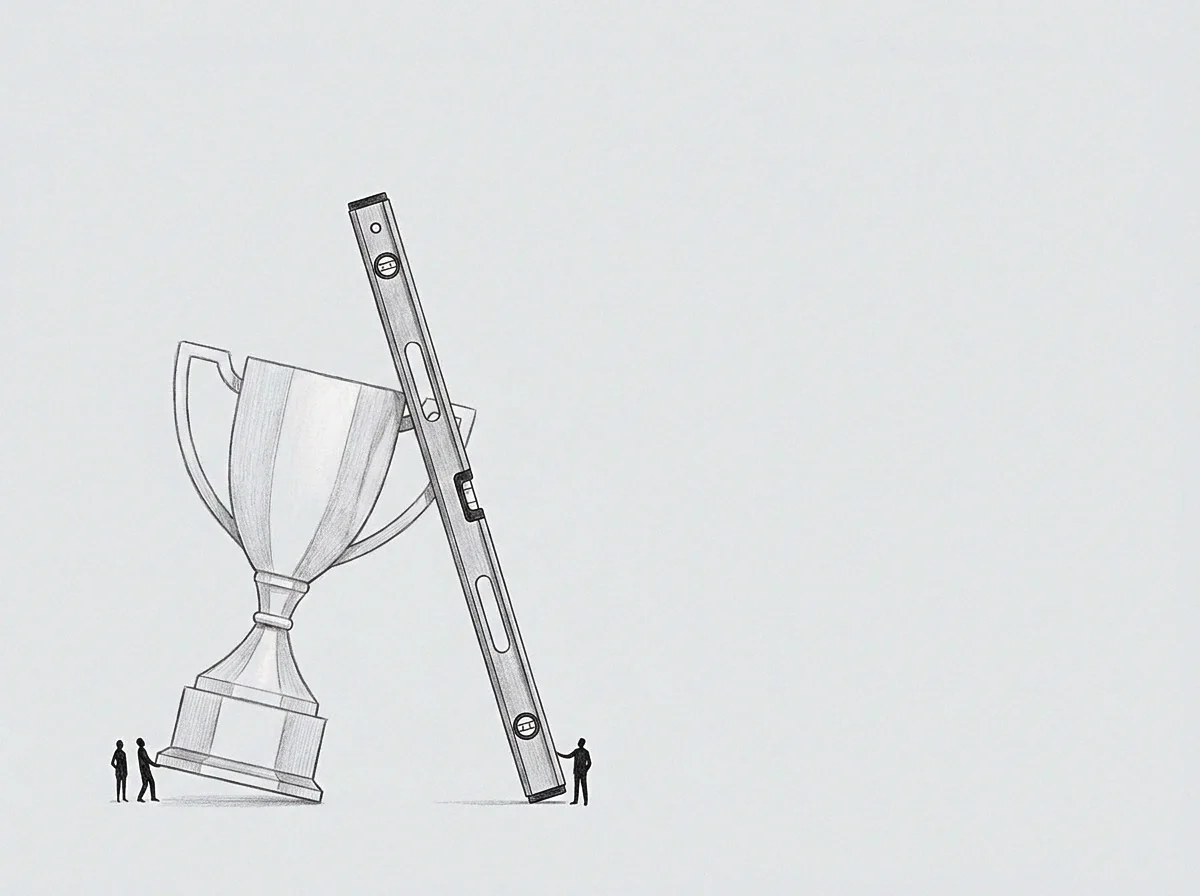
Structural Boundaries Over Social Compliance
Teams often try to manage incoming work with polite reminders and loose expectations. Soft warnings fail because external stakeholders have every incentive to hand off pending tasks as soon as possible. Offloading a request shifts the responsibility for delivery timing from the requester to the operations team, letting the requester step away while operations assumes the schedule risk.
A mechanical intake gate shifts this dynamic by removing individuals from the intake negotiation. Rejections or queueing happen at the boundary through automated capacity checks, structured request forms, or strict intake windows. The team stops absorbing incoming volatility, forcing upstream departments to prioritize their requests before sending them over.
This physical barrier creates operational safety without asking team members to serve as personal gatekeepers. Contributors keep their full attention on committed tasks until a verified slot opens in the production queue. Upstream teams adjust to these visible constraints by managing their own pipelines more carefully.
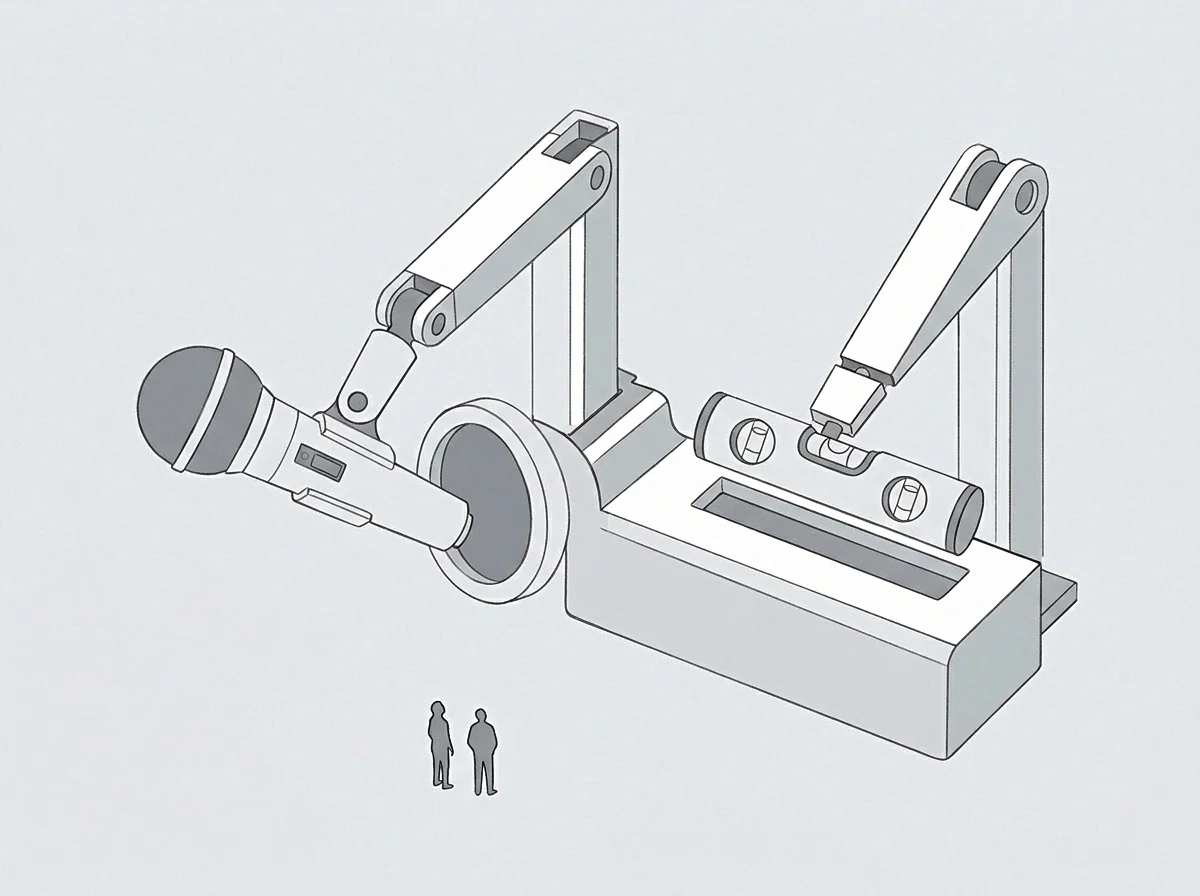
Pressure
External demand behaves like fluid under pressure, seeking any open gap. When one department builds a firm boundary around its schedule, upstream teams redirect raw requests toward units with softer perimeters. Teams without mechanical gates end up absorbing exploratory inquiries, rushed requests, and ill-defined handoffs as incoming pressure follows the path of least procedural resistance.
Operational leaders often mistake surges in demand for proof of value, accepting work well beyond sustainable limits. Throughput drops sharply once active work exceeds system capacity, sending completion times upward. Contributors spend more time writing status reports on delays than finishing work, leaving the team in constant firefighting mode.
Intake volume invariably concentrates against the operational perimeter offering the least systemic friction.
Systemic strain shows up in operational metrics long before a total breakdown occurs. Cycle times stretch on routine tasks, error rates rise during review, and context-switching breaks up continuous blocks of focus. Quantifying these indicators lets leadership put hard intake stops in place before delivery fails.
Comparative Operational Responses Under Intake Load
Different intake designs produce distinct operational outcomes when request volume exceeds base capacity. Examining how intake mechanics function clarifies how threshold limits preserve stability.
| Intake Model | Rejection Point | Throughput Stability | Context Switching Overhead |
|---|---|---|---|
| Unbounded Ingestion | Internal task delivery failure | Collapses under high volume | High switching across active tasks |
| Managerial Discretion | Ad hoc leadership negotiation | Fluctuates with social stamina | Medium coordination cost during reviews |
| Batched Intake Window | Scheduled calendar perimeter | Stable across predictable cycles | Low switching bounded by calendar slots |
| Mechanical Capacity Gate | Automated queue ceiling | Consistently high under peak load | Minimal disruption to active execution |
Unbounded intake models degrade capacity as tasks multiply without control. A mechanical gate forces upstream requesters to manage their own request volume before submission. Operations teams protected by strict boundaries maintain steady cycle times and predictable delivery schedules.
Operational performance drops quickly whenever teams remove structural intake protections to handle short-term administrative emergencies.
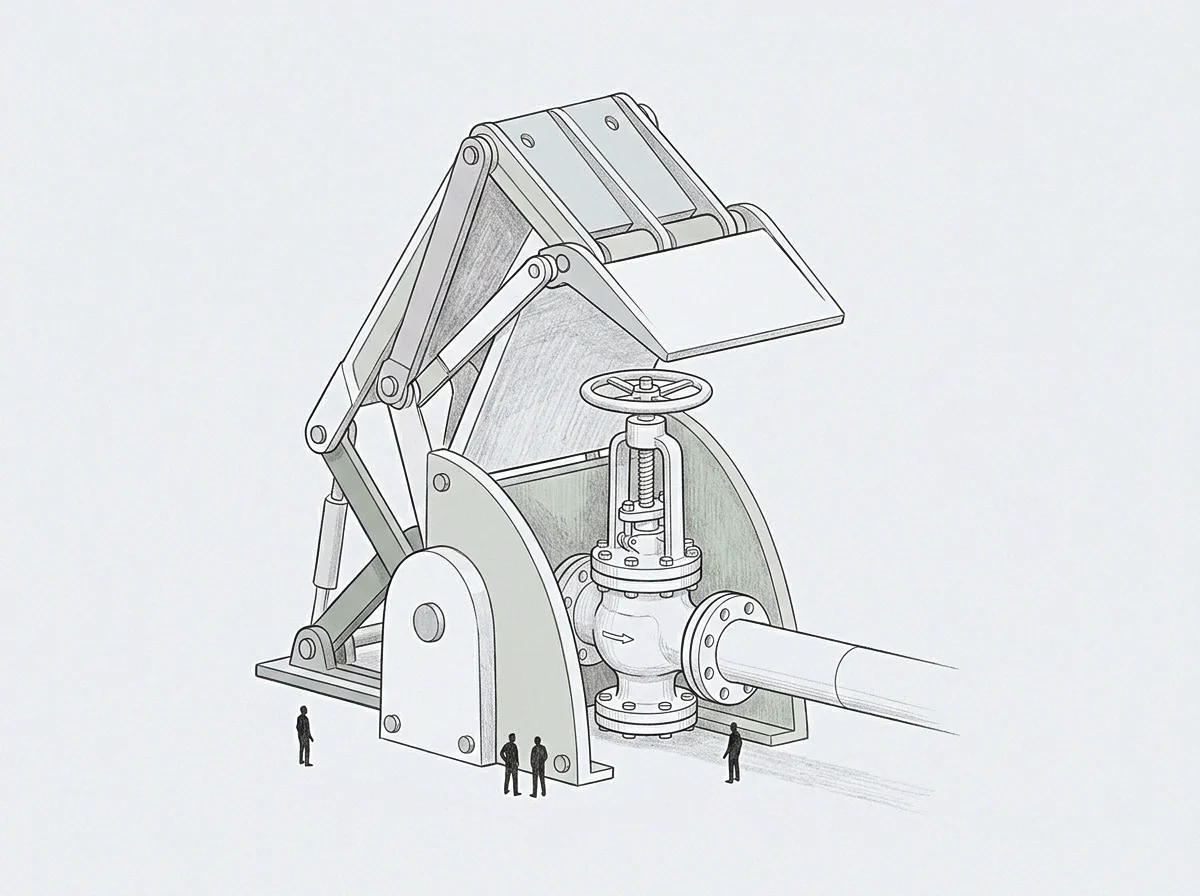
Switch
A capacity threshold operates like a binary circuit breaker rather than an adjustable valve. When active work reaches the established limit, the intake switch trips immediately. New items cannot enter until an active task completes and exits the queue.
This physical limit prevents teams from relying on extra effort to cover structural capacity gaps.
Tripping the switch makes operational limits explicit to leadership. Stakeholders often assume internal capacity can stretch to match whatever volume urgency demands. A tripped circuit shows that bandwidth is finite, measurable, and fully used, shifting discussions from requests for extra effort to practical trade-offs.
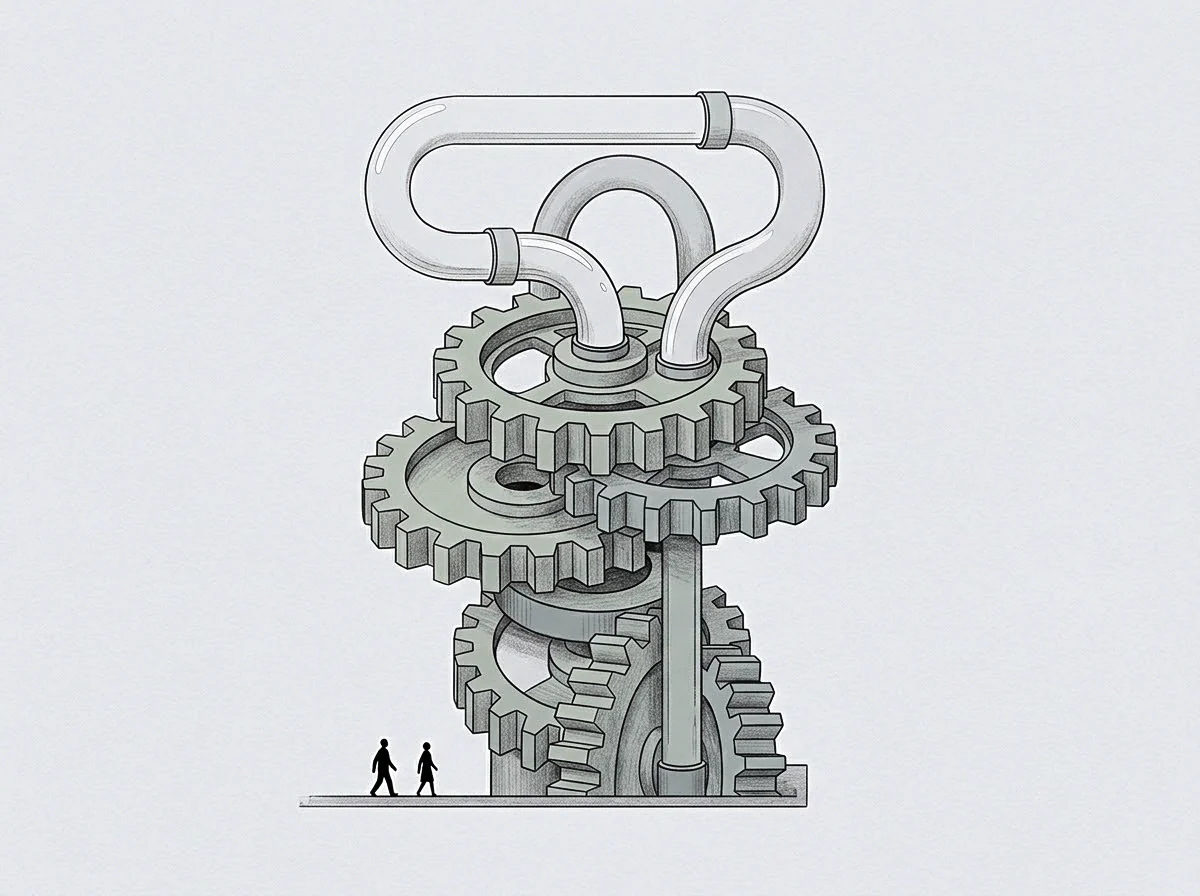
Can Incoming Volume Break Hard Circuit Enclosures?
Upstream teams frequently attempt to bypass tripped switches through direct messages, backchannel requests, or executive escalations. An intake boundary holds only when exceptions follow the same rules as standard requests. If a sponsor pushes an emergency item into a system at capacity, an active task of equal scope must pause immediately, making the trade-off visible to everyone.
Circuit breakers operate without guilt, defensiveness, or compensation. Operators treat the mechanical stop as a fixed limit of the production environment, establishing that operational reliability comes before short-term convenience.
- Hard Concurrency Caps set the maximum number of active work items allowed in production at one time.
- Explicit Substitution Protocols require incoming emergency requests to pause an active task of equal scope.
- Automated Queue Stoppage freezes intake webhooks and portals when work reaches the defined capacity threshold.
- Standardized Definition Gates reject incoming tickets missing required delivery specifications before review starts.
Tripping the switch preserves the team’s long-term capacity. Contributors produce clear work within defined parameters, avoiding the defects and rework caused by rushed intake.
Operational limits become meaningful only when exceeding them produces immediate systemic refusal.
A reliable circuit breaker protects delivery commitments over multiple quarters. When operations teams refuse unhedged requests, their timeline estimates remain credible. The broader organization learns to trust completion dates because work runs within clear physical limits.
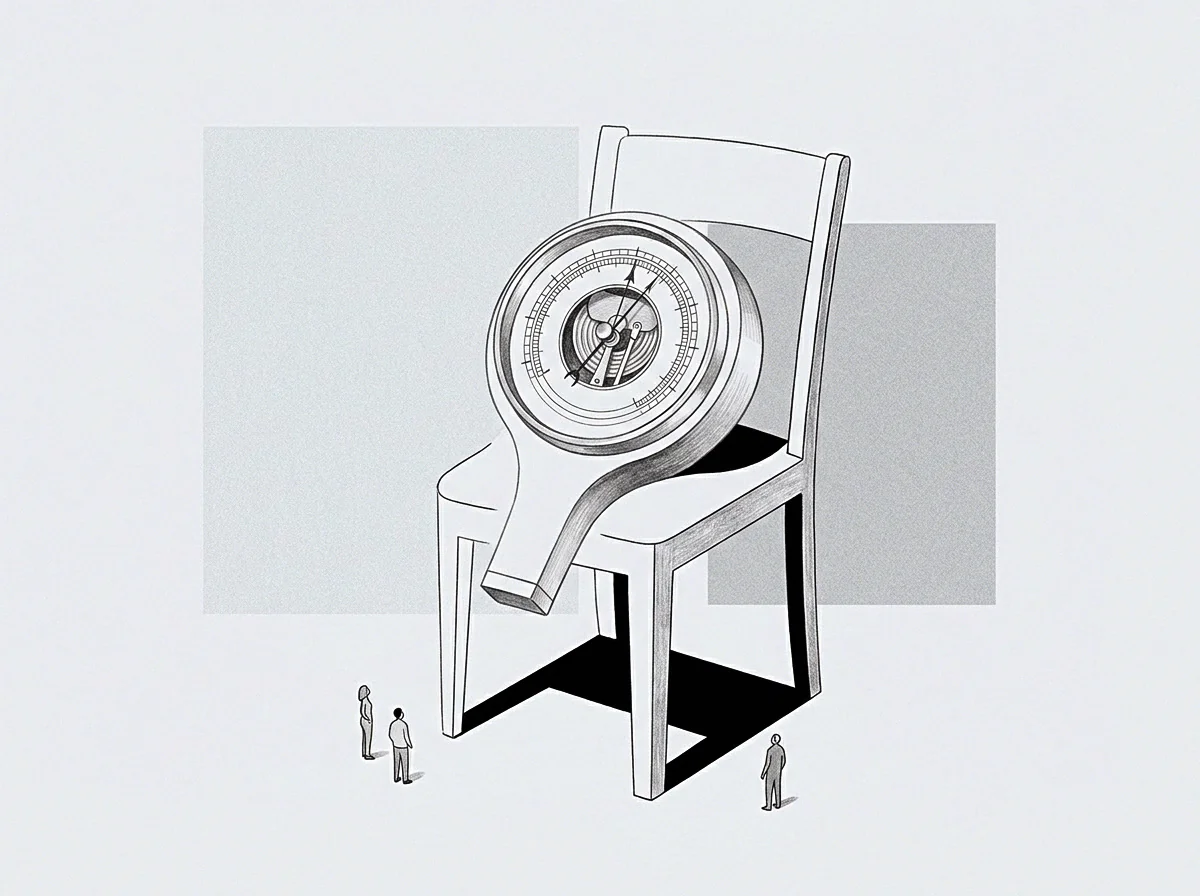
Metric
Setting operational thresholds requires measuring throughput in discrete units rather than estimated hours. Knowledge work rarely fits subjective effort estimates. Teams build reliable intake boundaries by tracking completed items through defined workflow stages, identifying the exact point where adding volume slows down total output.
Capacity reflects available focus. A team calculating intake limits looks at completion velocity, active task counts, and queue wait times. If a team completes five complex units per week, capping concurrent work at ten units creates a two-week buffer while preventing congestion.
Volume beyond that limit remains with upstream teams.
Little’s Law applies directly to operational intake: average cycle time equals work in progress divided by average throughput. Adding active work without increasing delivery capacity extends completion times for every task in the system. Capping work in progress remains the most direct way to keep cycle times predictable.
Fixed concurrency limits hold cycle times stable even during erratic surges in external market demand.
Operational data from gated environments shows low variance and predictable patterns. Teams forecast delivery milestones accurately because work proceeds without heavy context-switching penalties. The gate transforms erratic external requests into a steady internal workflow.
Does sustained operational gating risk alienating commercial stakeholders who demand total scheduling flexibility?
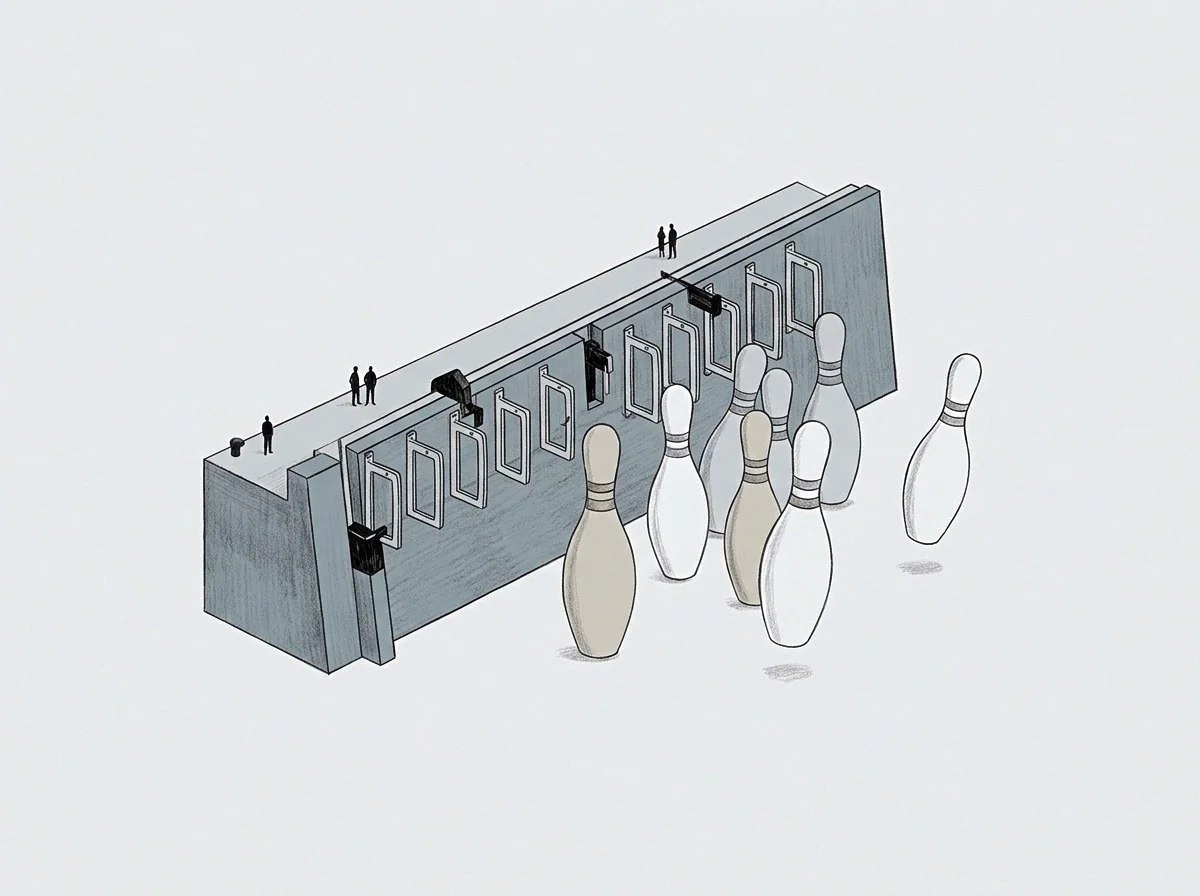
Terms
Mechanical gates require explicit agreements governing cross-departmental work. Ambiguous arrangements allow intake boundaries to erode over time. When expectations, schedules, and capacity limits are unwritten, the department with greater influence dictates workload.
Clear terms create an objective framework that holds up through leadership changes.
A complete operational agreement specifies entry requirements, team capacity caps, and what happens when capacity is reached. Requesters must provide complete technical specifications, verified dependencies, and executive sign-off before a request enters the queue. Submissions missing required details trigger automated rejections without manual review.
When a request arrives outside approved channels, team members avoid ad hoc responses. Answering informally validates the bypass and encourages future perimeter breaches. Directing the requester to the standard intake gate using an automated response maintains operational boundaries and professional standards.
Specifying maximum concurrent project allocations per contributor changes how project managers negotiate timelines with clients.