
Autonomic Recovery Latency Parameters and Parasympathetic Vagal Tone Rebound
Autonomic recovery latency measures the elapsed time for parasympathetic vagal tone to re-engage cardiac muscarinic braking following operational stress cessation.

Autonomic recovery latency measures the elapsed time for parasympathetic vagal tone to re-engage cardiac muscarinic braking following operational stress cessation.

Asymmetrical executive teams stabilize when the primary regulator converts unspoken physiological holding into explicit structural limits and measured latency.

Prolonged insolvency restructuring causes chronic catecholamine surges that downregulate endothelial receptors, impairing microvascular function and executive capacity.

A stated limit acts as a structural wall that forces operational tiers to compute resolutions locally rather than transferring cognitive load upstream.

Systemic glucocorticoid resistance emerges when chronic elevated cortisol downregulates peripheral receptor sensitivity during sustained insolvency negotiations.
Rebuilding relational receptors across power asymmetry requires external peers who share structural parity without holding financial or operational leverage.

Prolonged solitary responsibility forces the brain to budget regulation without social damping, locking neural circuits into autonomous threat appraisal.
Physical co-presence lowers neural vigilance by distributing regulation costs across stable bodies, reducing solitary allostatic load.

Autonomic recovery requires replacing solitary metabolic threat vigilance with repeated non-demanding physical co-regulation to restore parasympathetic tone.
Shared domestic regulation requires updating defensive internal templates through repeated low-stakes reliance and structured daily physical predictability.

Chronic executive strain drives continuous cortisol saturation that downregulates receptor sensitivity, halting steroid signaling and fueling inflammation.
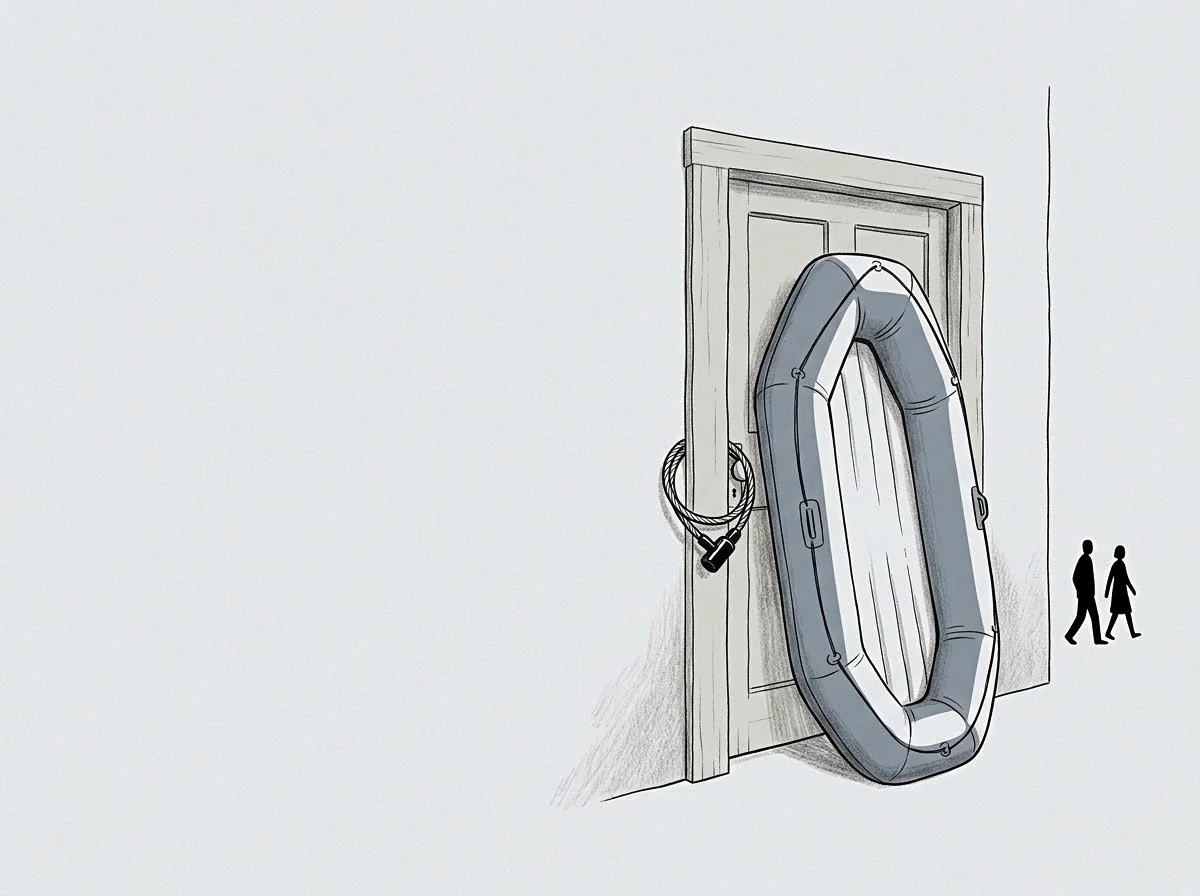
Prolonged executive overload downregulates prefrontal glucocorticoid receptors, breaking stress inhibition; recovery requires strict thread gating to restore receptor sensitivity.

State-gated authorization protocols evaluate system telemetry rather than human discretion to permit or reject transactions during extreme operational load.
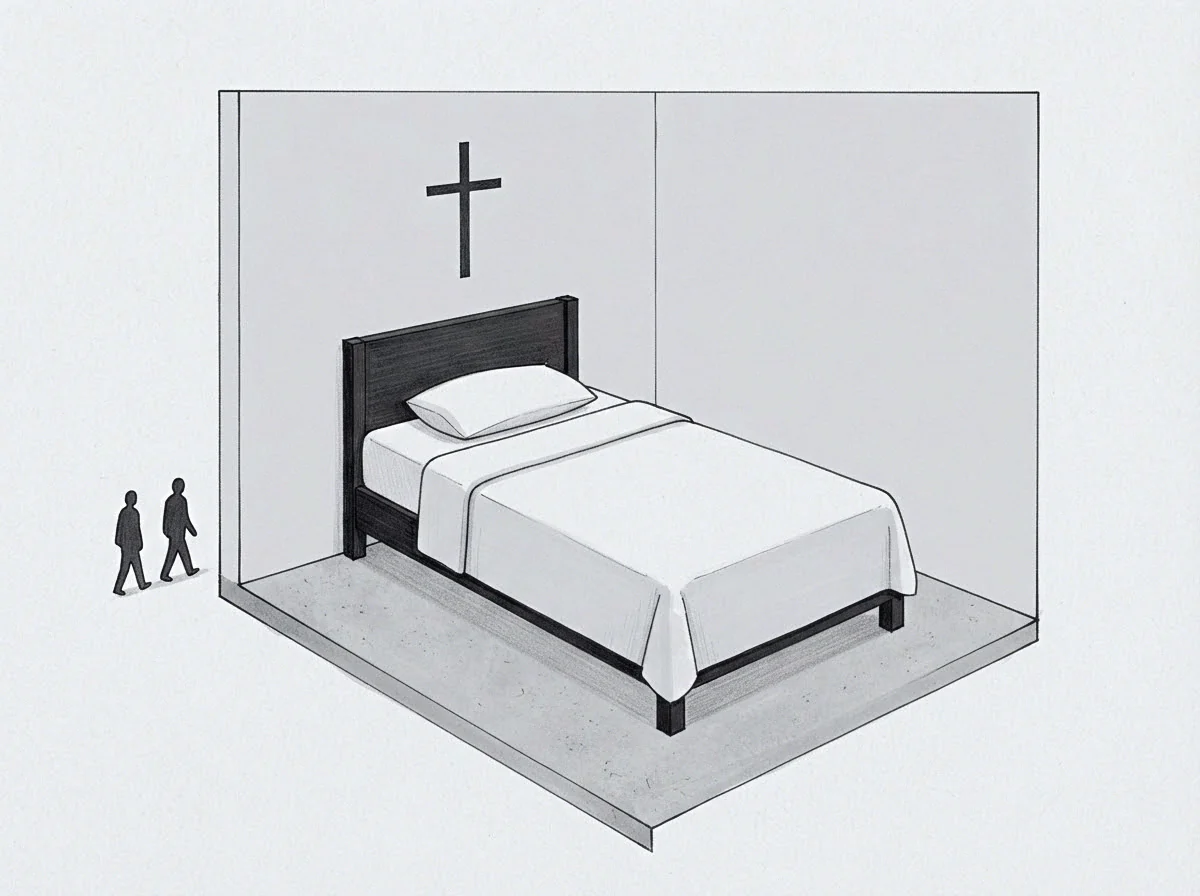
Stated capacity bounds protect executive governance by replacing human endurance with explicit structural refusal rules that halt external load transfers under strain.

Physical fatigue delays risk processing across governance boards, converting decision latency into unmonitored structural exposure that preset limits contain.
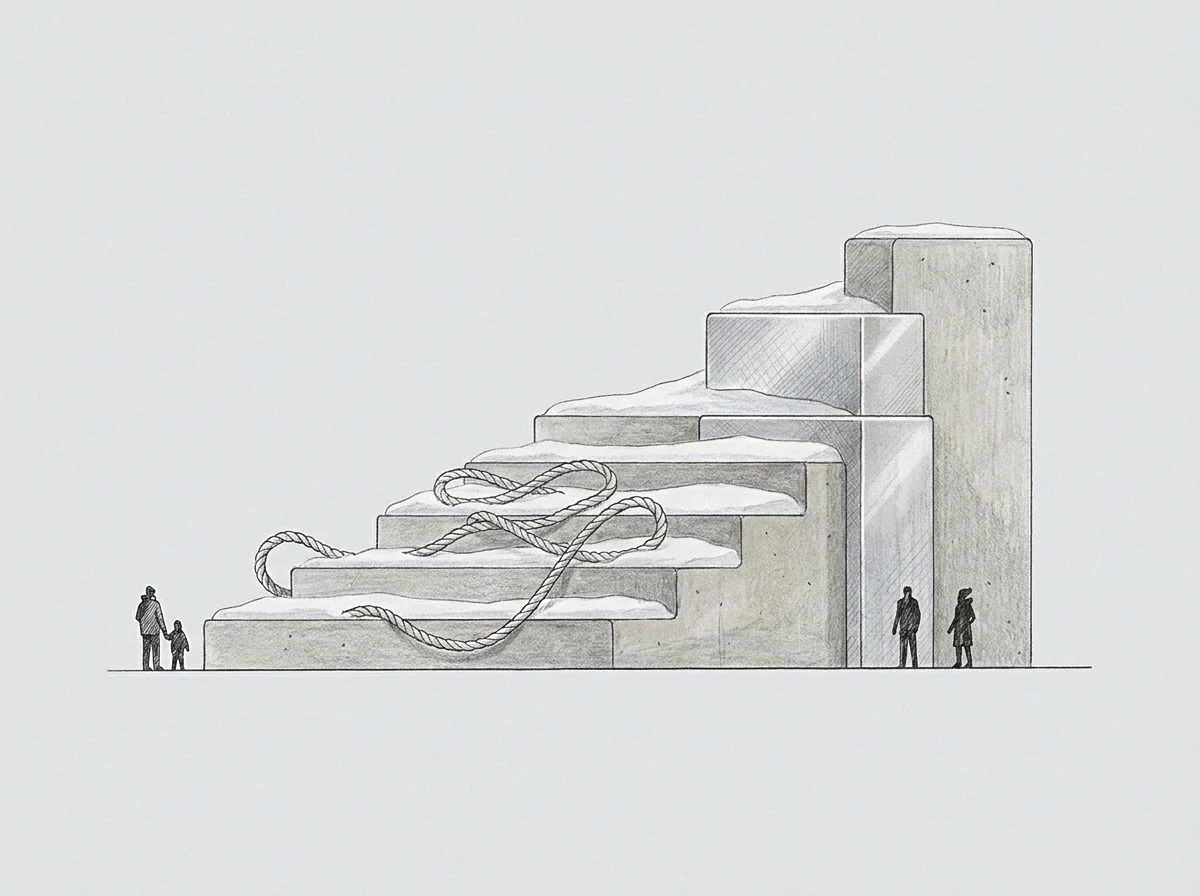
Structured decompression protocols isolate high sympathetic arousal during re-entry, preventing allostatic load transfer and domestic co-regulation friction.
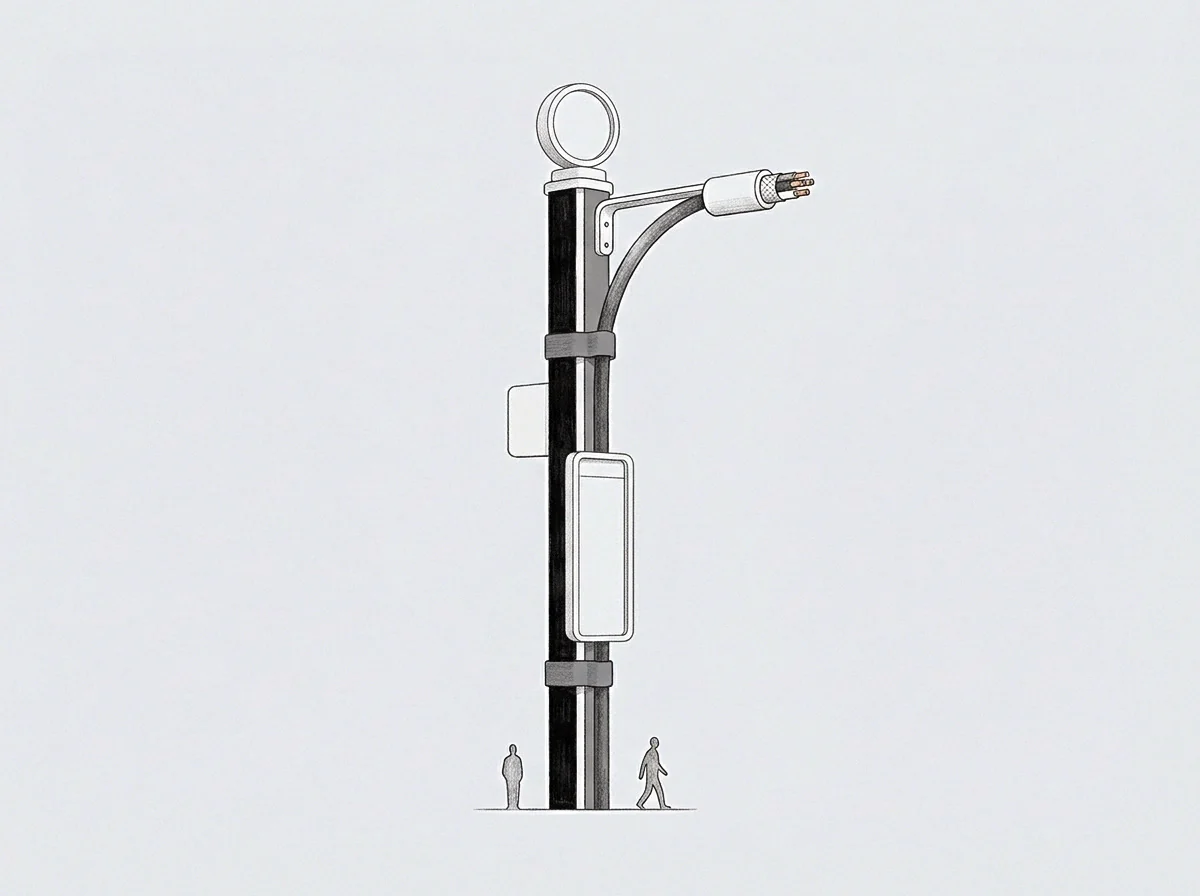
Governance processing latency expands exponentially under chronic allostatic load as high-dimensional executive synthesis yields to operational triage.

Prefrontal exhaustion reduces central executive capacity, requiring deterministic external gates and explicit concurrency limits to maintain regulatory headroom.

Chronic endocrine stress throttles executive function by reducing prefrontal working memory capacity while preserving automated procedural subroutines.

Executive biological tissue saturation during commercial crisis is resolved by gating open cognitive threads to protect neurochemical headroom.

Executive cognitive latency measures the elapsed duration between risk dossier delivery and formal authorization to diagnose cognitive saturation and governance friction.

Enterprise communication gates throttle incoming message frequency to reduce chronic glucocorticoid elevation and preserve executive endocrine receptor sensitivity.

Continuous executive overload induces adrenocortical receptor downregulation, requiring structured load reduction and circadian synchronization to restore hormonal sensitivity.

Continuous operational stress demethylates FKBP5, over-producing the co-chaperone, blocking hypothalamic cortisol sensing, and disabling endocrine feedback.

Concurrent ungated operational threads sustain sympathetic activation, flattening the diurnal cortisol slope and suppressing the morning awakening response.

Persistent cortisol exposure downregulates glucocorticoid receptor expression, unbraking proinflammatory gene transcription and causing deep executive fatigue.

Missing social baseline regulation increases executive energy expenditure by forcing neural capacity to fund autonomic balance under load.

Organizational delegation thresholds must align with biological working memory limits of four chunks to prevent executive bottlenecks and cognitive collapse.
Continuous communicative concurrency injects background noise into neural processing, degrading evidence accumulation rates and forcing premature decision boundary collapse.
Autonomic depletion during home transitions occurs when external operational demands suddenly vanish, exposing unmasked sympathetic exhaustion before parasympathetic deceleration can engage.
The terms are written where they belong. Each field holds three desks, and every entry a desk writes raises the terms it uses, each term given a meaning, a mechanism and the places it appears. The record on these pages stays first person and hand made; the fields grow the nomenclature.