

Autonomic Influence On Risk Perception In Venture Underwriting
Autonomic nervous system strain alters risk perception during underwriting by converting metabolic exhaustion into defensive aversion to commercial uncertainty.
Autonomic nervous system strain alters risk perception during underwriting by converting metabolic exhaustion into defensive aversion to commercial uncertainty.
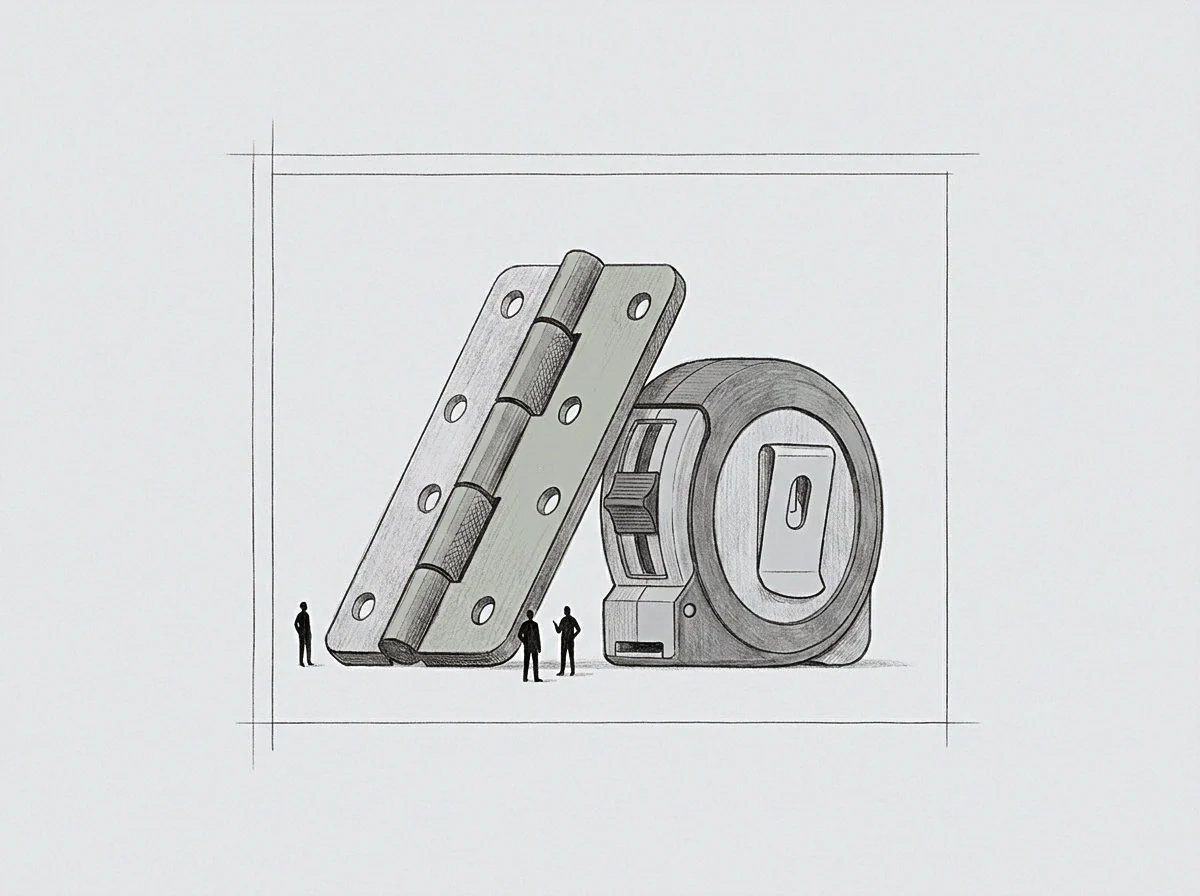
Continuous executive stress imposes measurable multisystem biological wear that forces neurological throttling when ungated cognitive loops overwhelm physical margins.
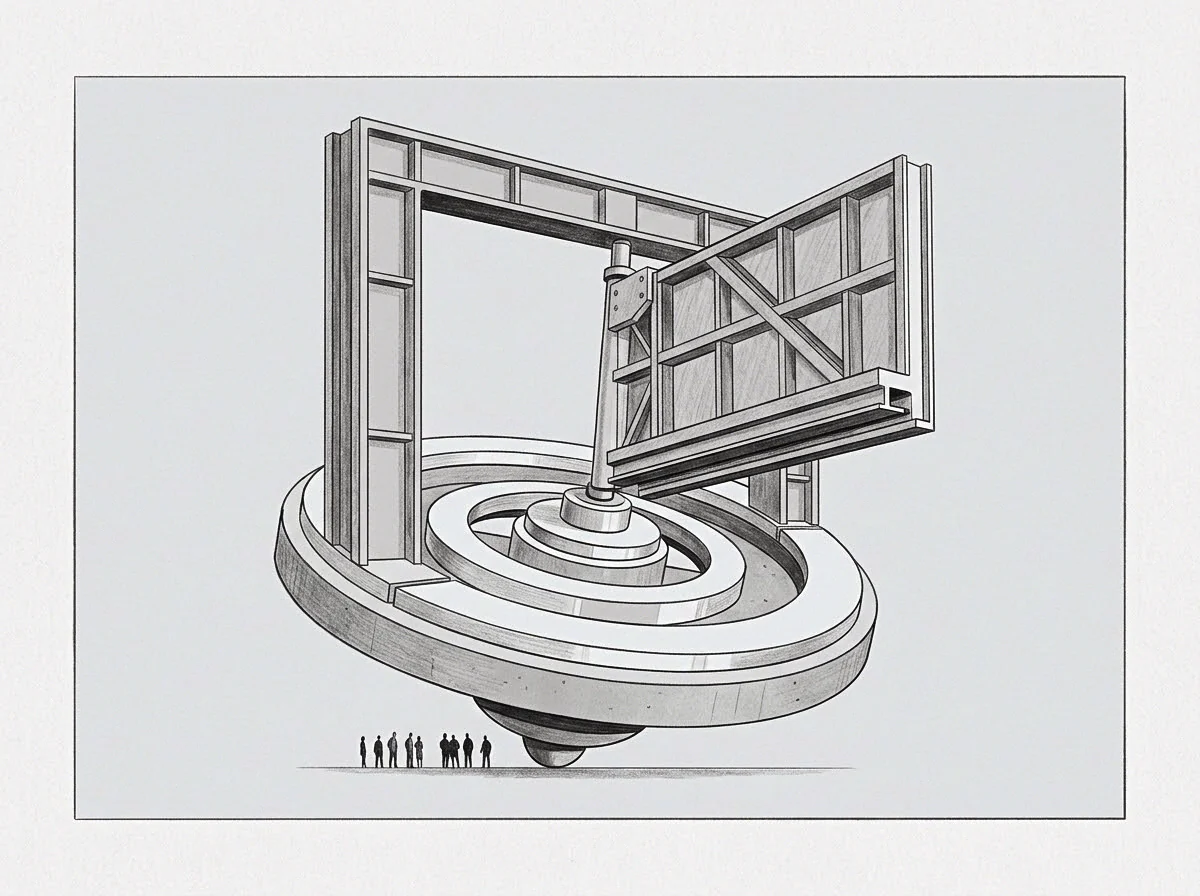
Concurrency limits cap active bilateral communications, forcing pending topics into dormant external queues to preserve prefrontal processing headroom.
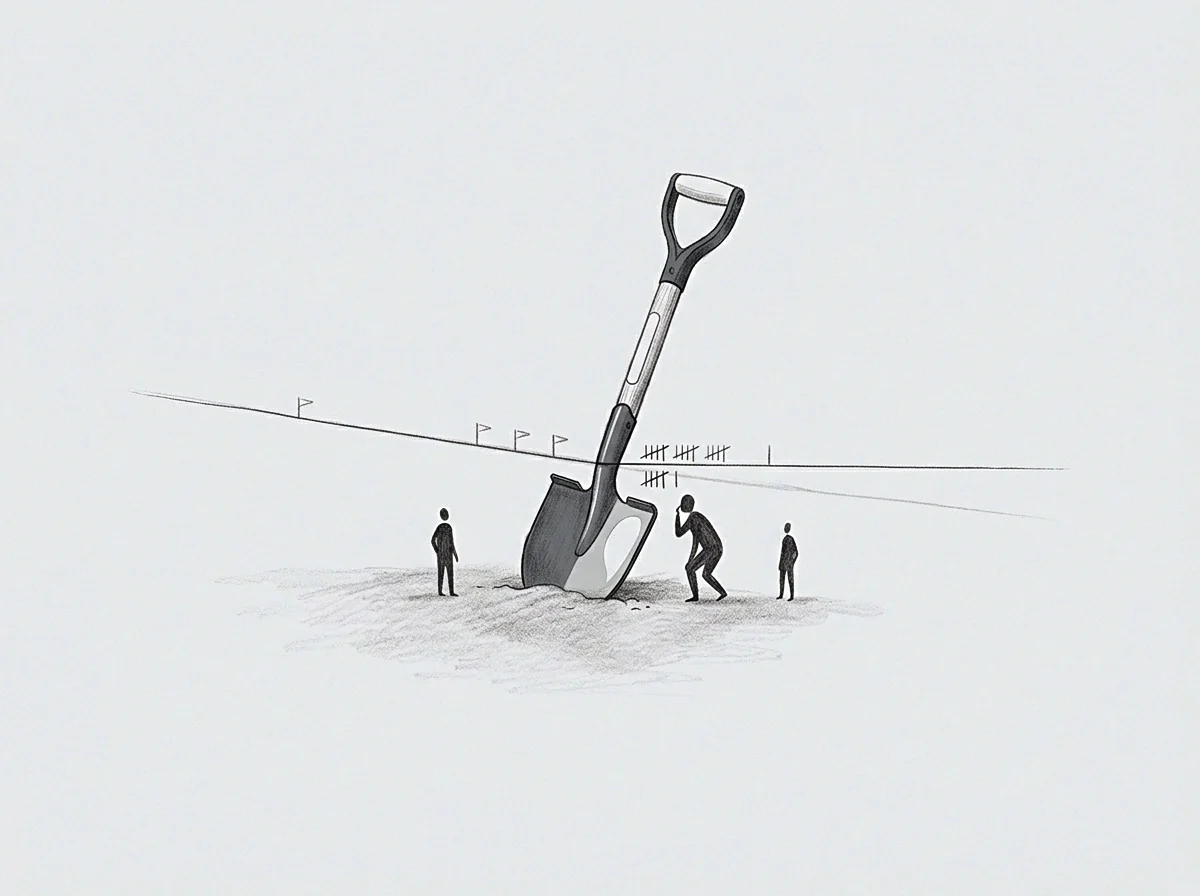
Chronic allostatic load in founding teams occurs when unconstrained, ungated operational threads exceed executive neurobiological capacity, forcing systemic throttling.

Structural concurrency limits restrict active executive board initiatives to match the measured processing headroom of dysregulated leadership.
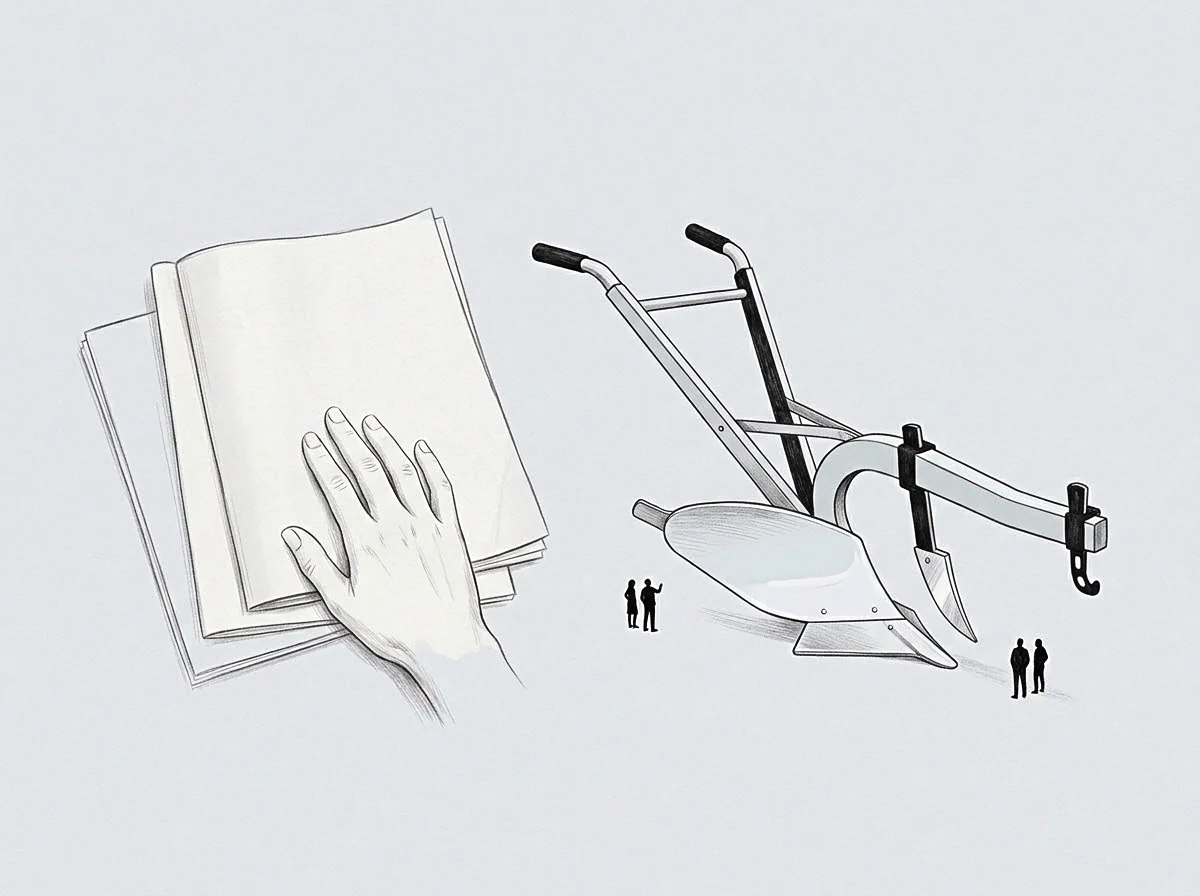
Bounded operational gates convert chaotic, unpredictable demands into discrete, scheduled inputs, lowering perceived threat signals and sympathetic tone.

Continuous operational stress demethylates FKBP5, over-producing the co-chaperone, blocking hypothalamic cortisol sensing, and disabling endocrine feedback.

Intense enterprise insolvency induces cellular glucocorticoid receptor resistance through chaperone shifts and altered phosphorylation, blunting tissue sensitivity.

Stating explicit limits on availability converts open incoming demands into scheduled operational loops, preserving executive function from allostatic wear.
The terms are written where they belong. Each field holds three desks, and every entry a desk writes raises the terms it uses, each term given a meaning, a mechanism and the places it appears. The record on these pages stays first person and hand made; the fields grow the nomenclature.