
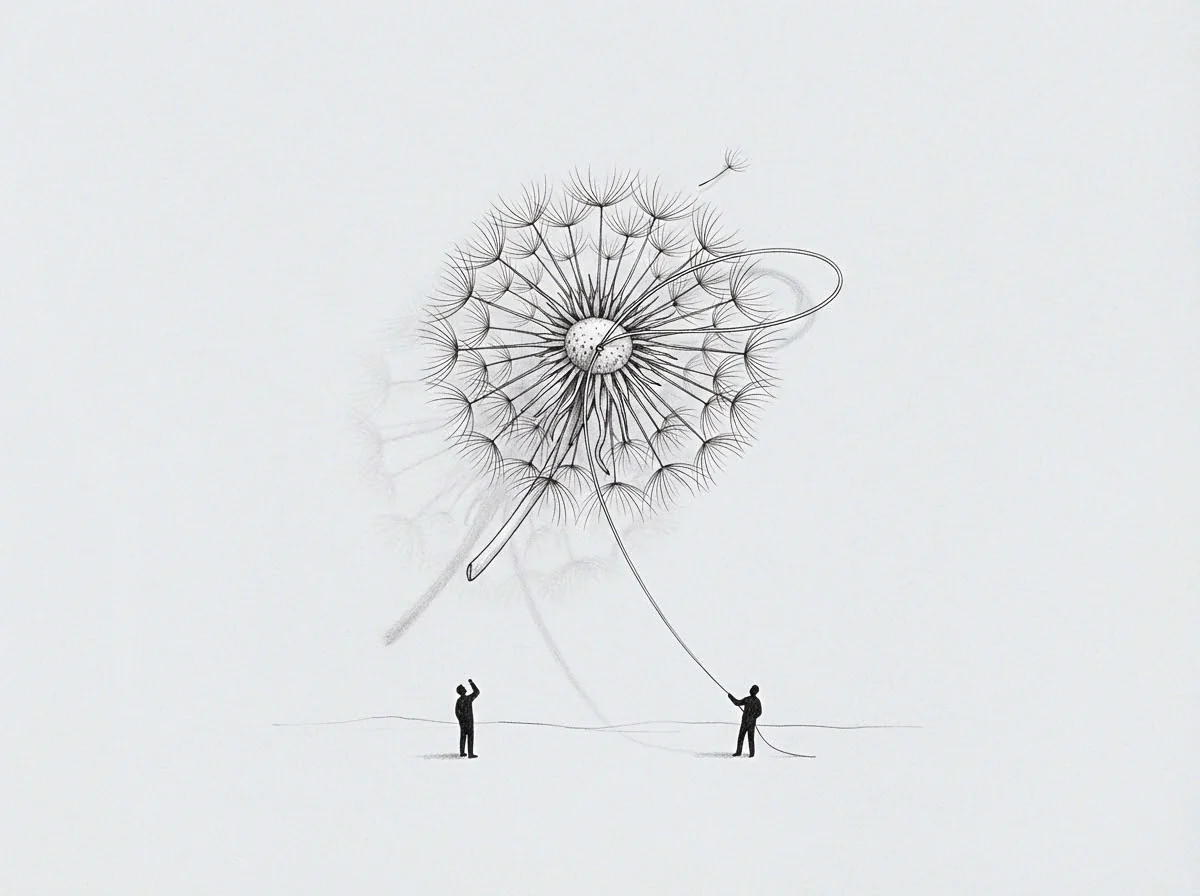
Updating Relational Working Models Through Undemanding Shared Physical Space
Undemanding shared physical space resets relational working models by providing social baseline proximity that reduces threat vigilance without interactive demands.
Undemanding shared physical space resets relational working models by providing social baseline proximity that reduces threat vigilance without interactive demands.
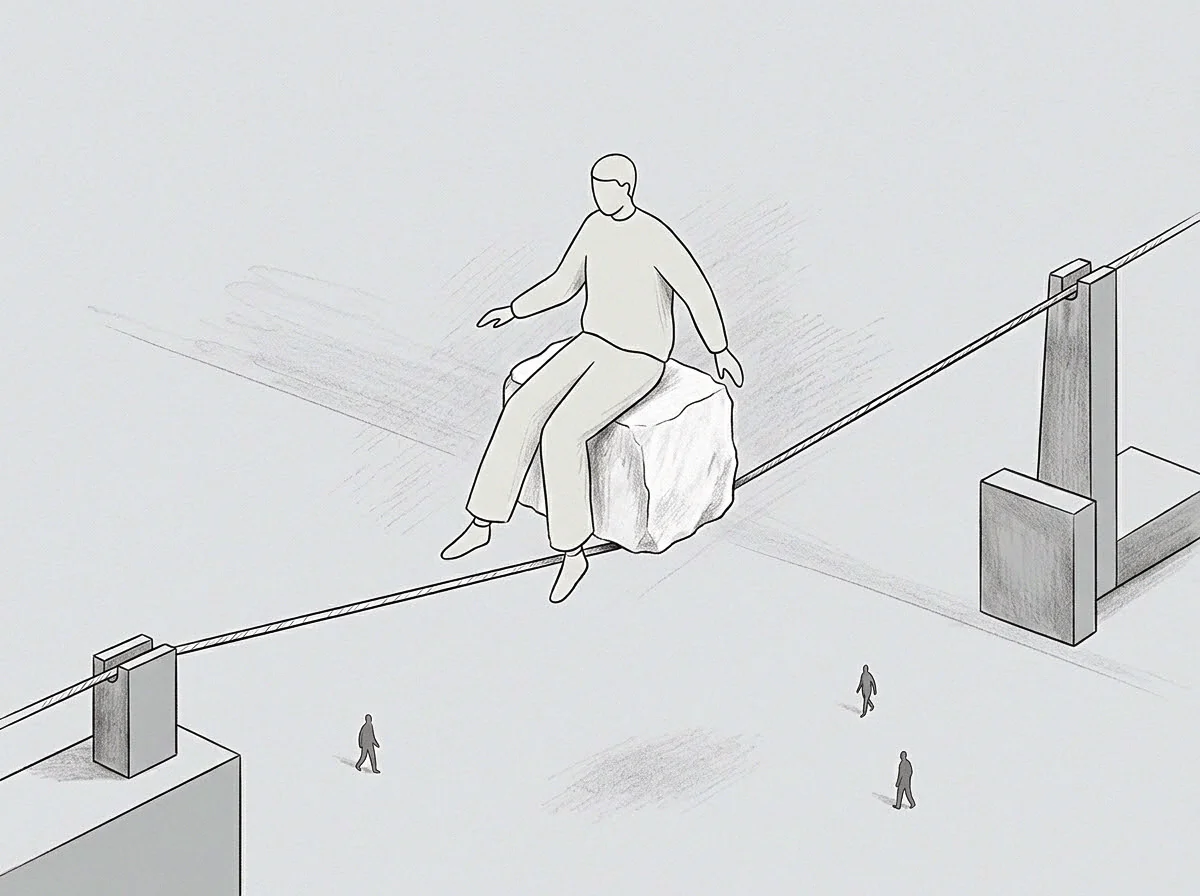
Unilateral templates treat human proximity as vigilance work, blocking somatic offloading and forcing the nervous system to bear allostatic strain alone.
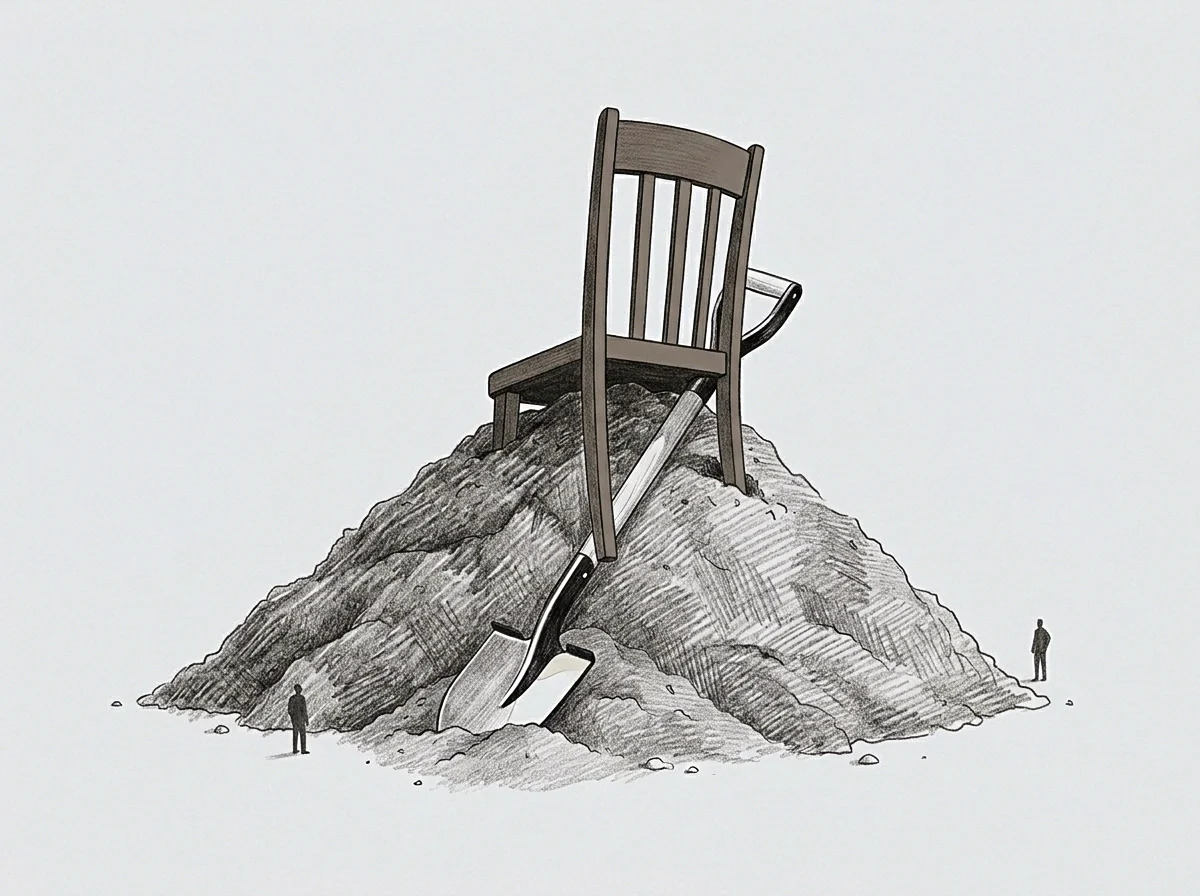
Chronic executive threat suppresses parasympathetic tone; shared social baseline protocols restore ventral vagal regulation and lower decision costs.
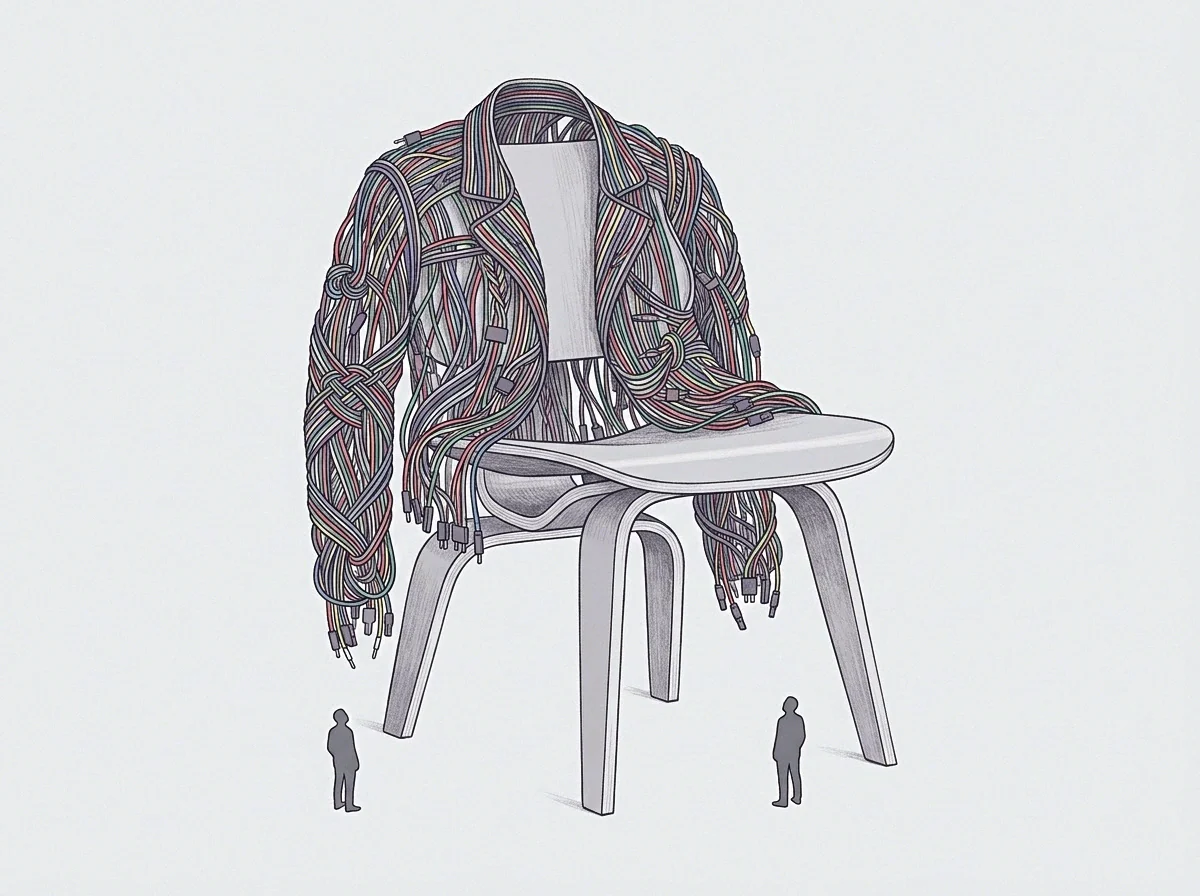
Distributed executive regulation shifts threat appraisal from an isolated nervous system to a collective social baseline, preserving strategic capacity under duress.
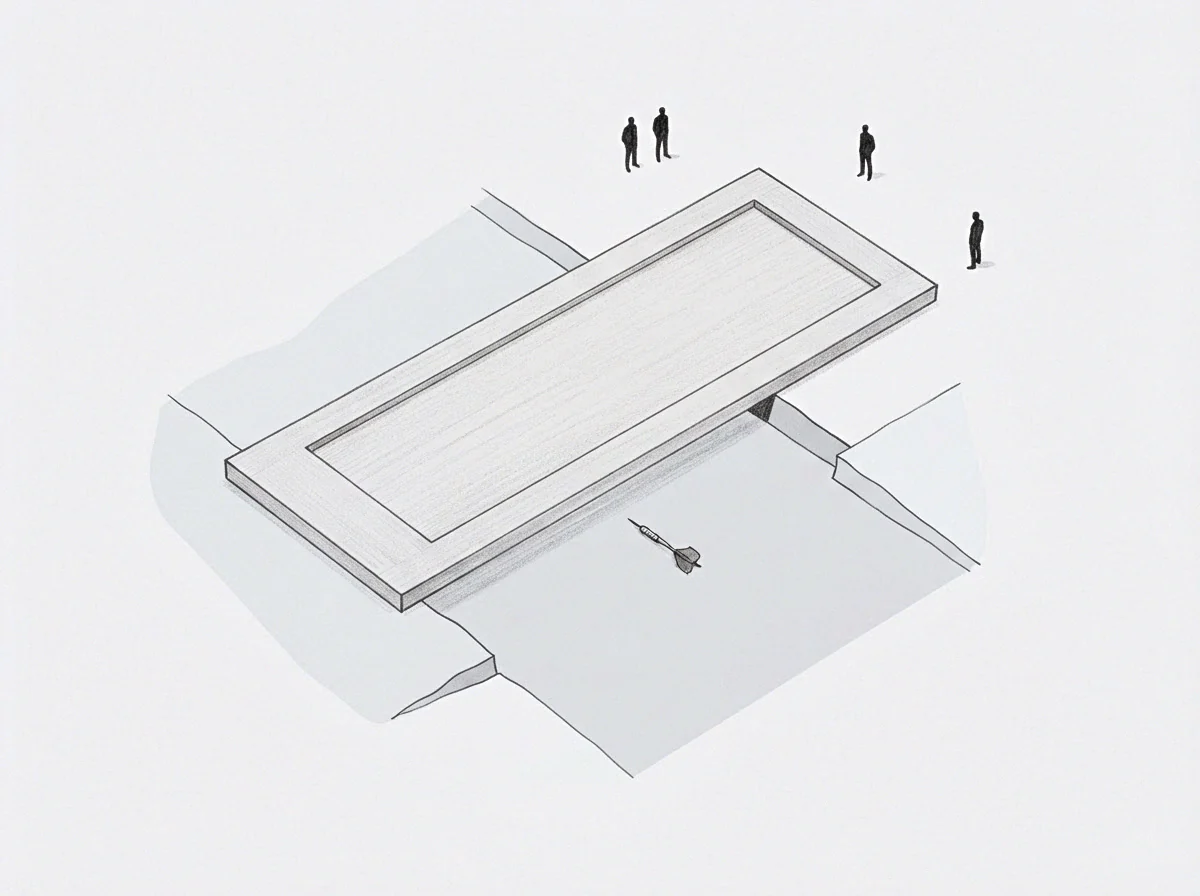
Extended solitary building dismantles social baseline regulation, forcing the nervous system into high-cost vigilance that updates only through calm physical proximity.
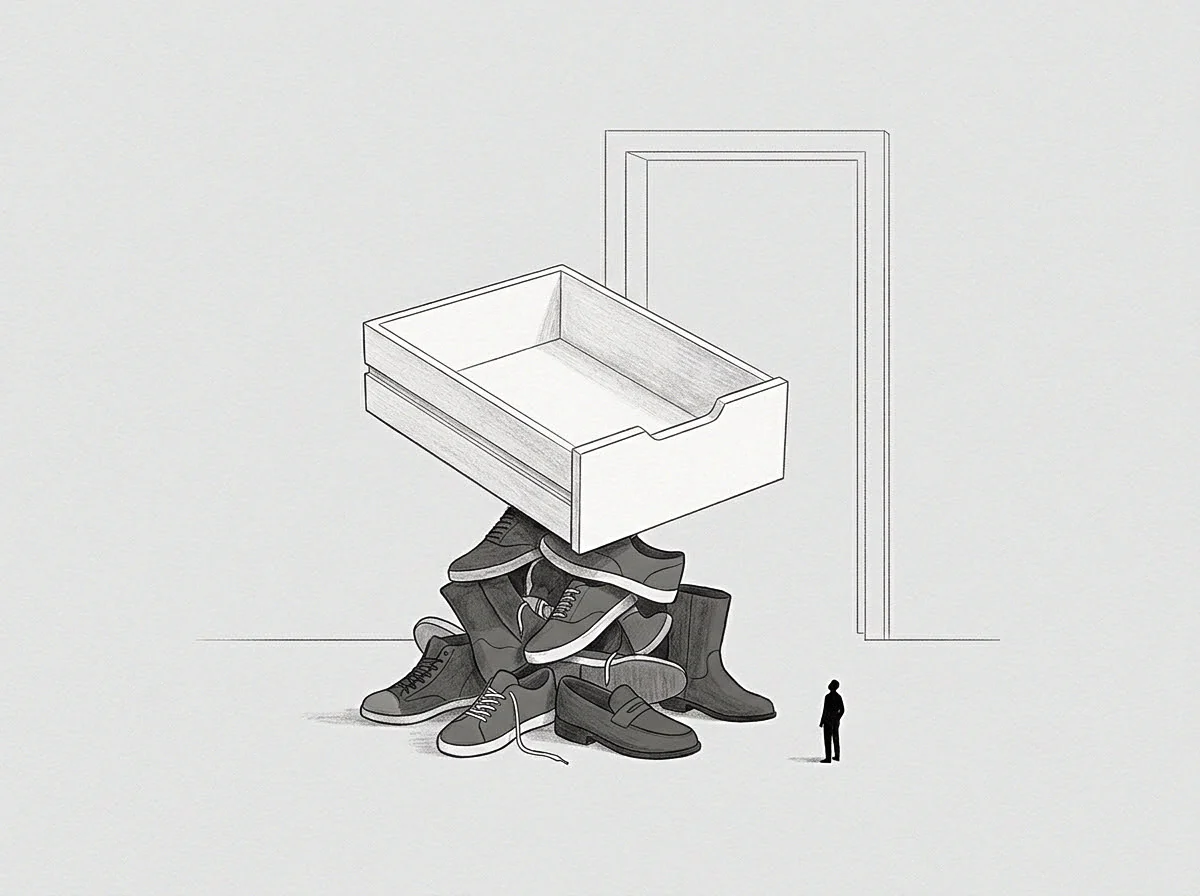
Human brains budget threat assuming proximity to reliable peers; scaling distributed teams removes this baseline, dumping crushing allostatic debt onto founders.
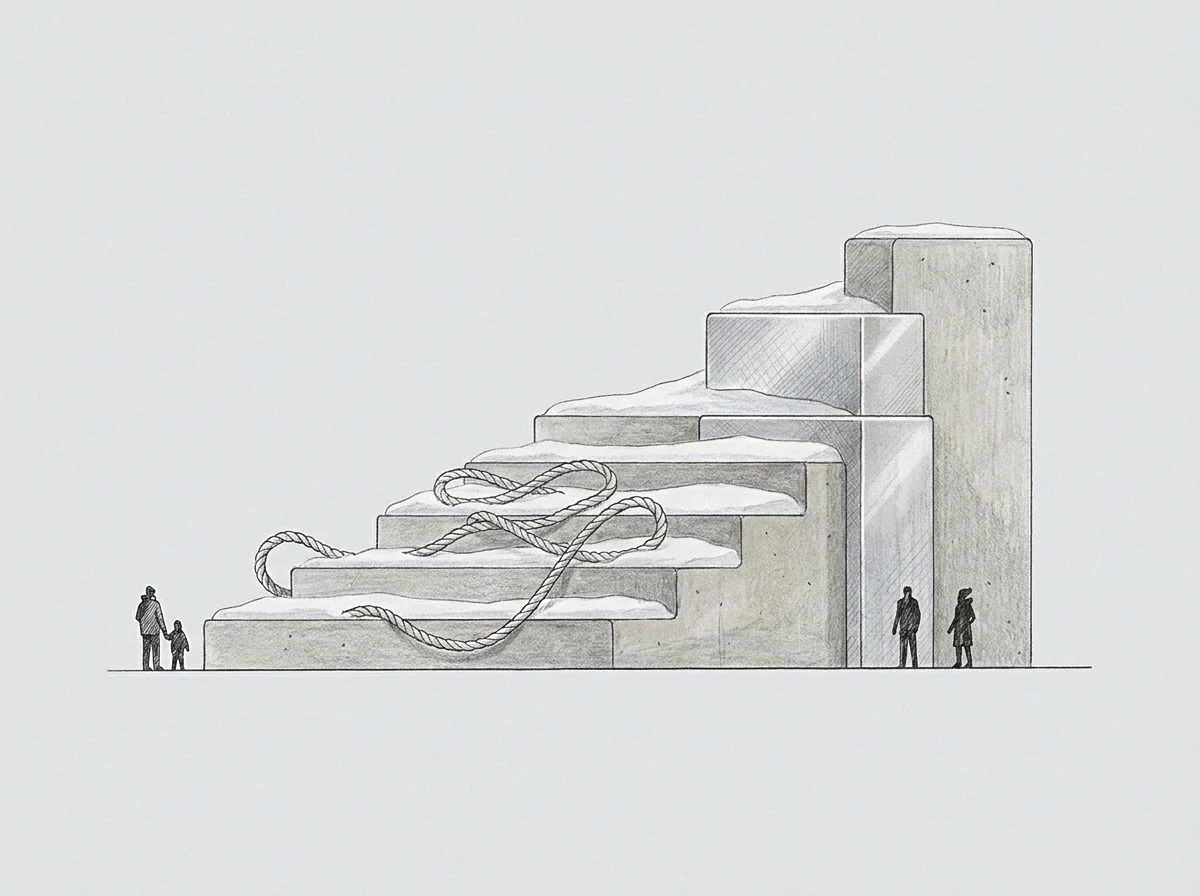
Structured decompression protocols isolate high sympathetic arousal during re-entry, preventing allostatic load transfer and domestic co-regulation friction.
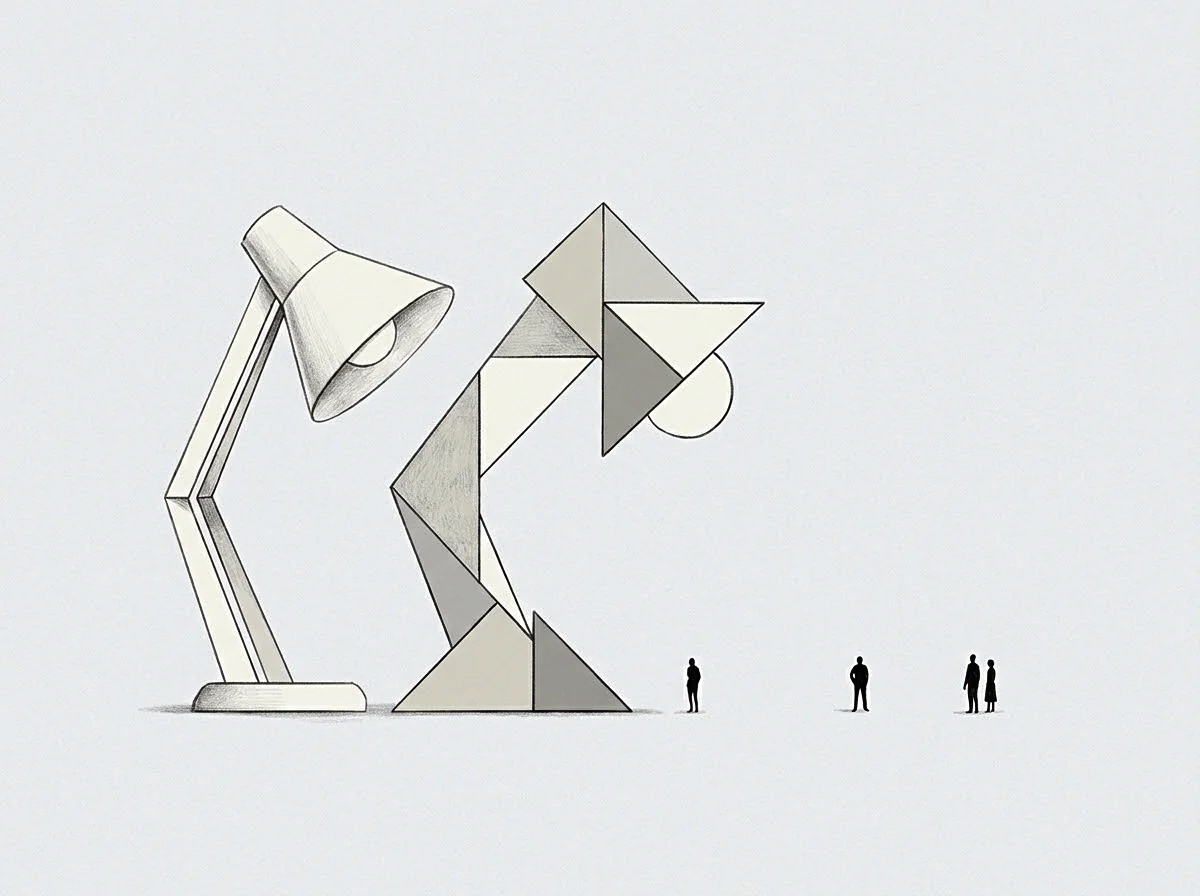
Isolated executive self-regulation restructures neural templates to downregulate co-regulatory receptors, turning solo containment into an expensive biological baseline.
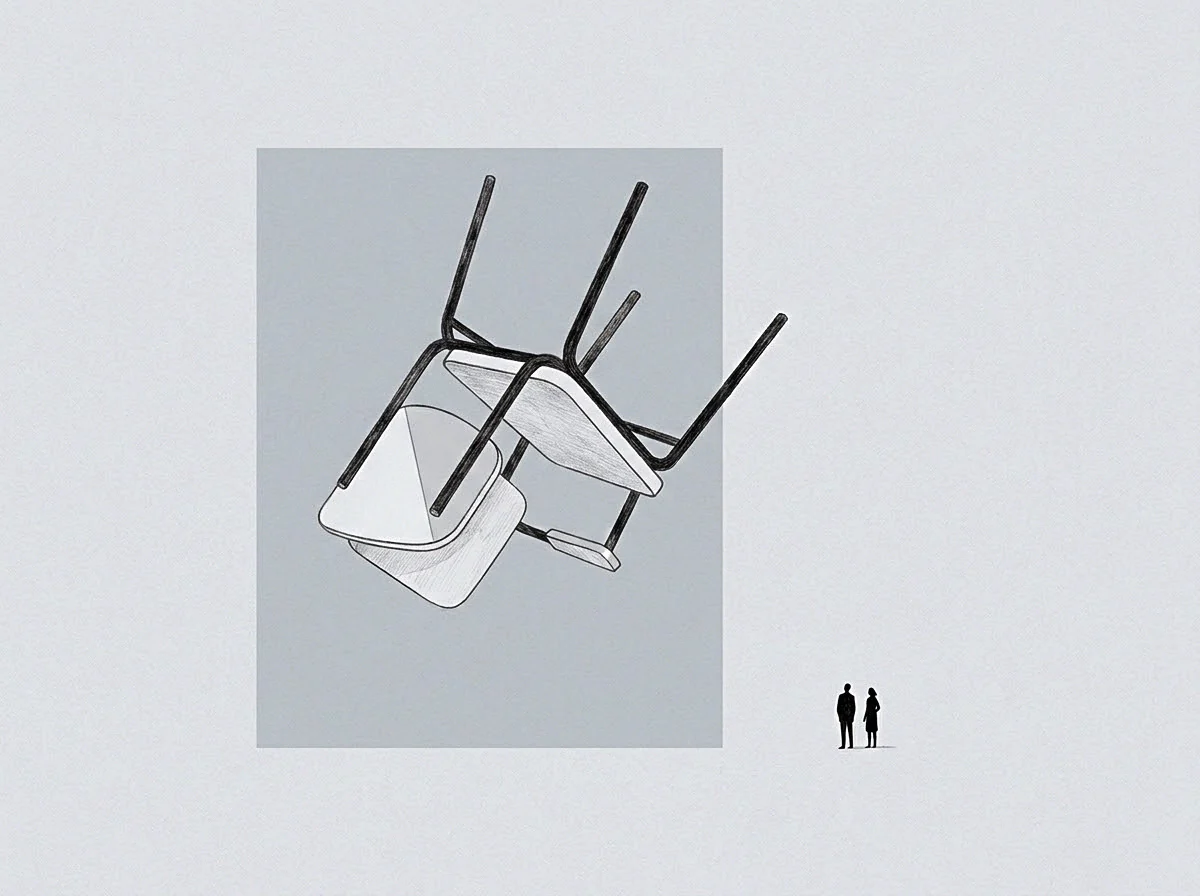
Unreciprocated leadership alarms force continuous prefrontal metabolic expenditure, burning executive neural reserves to subsidize organizational calm.
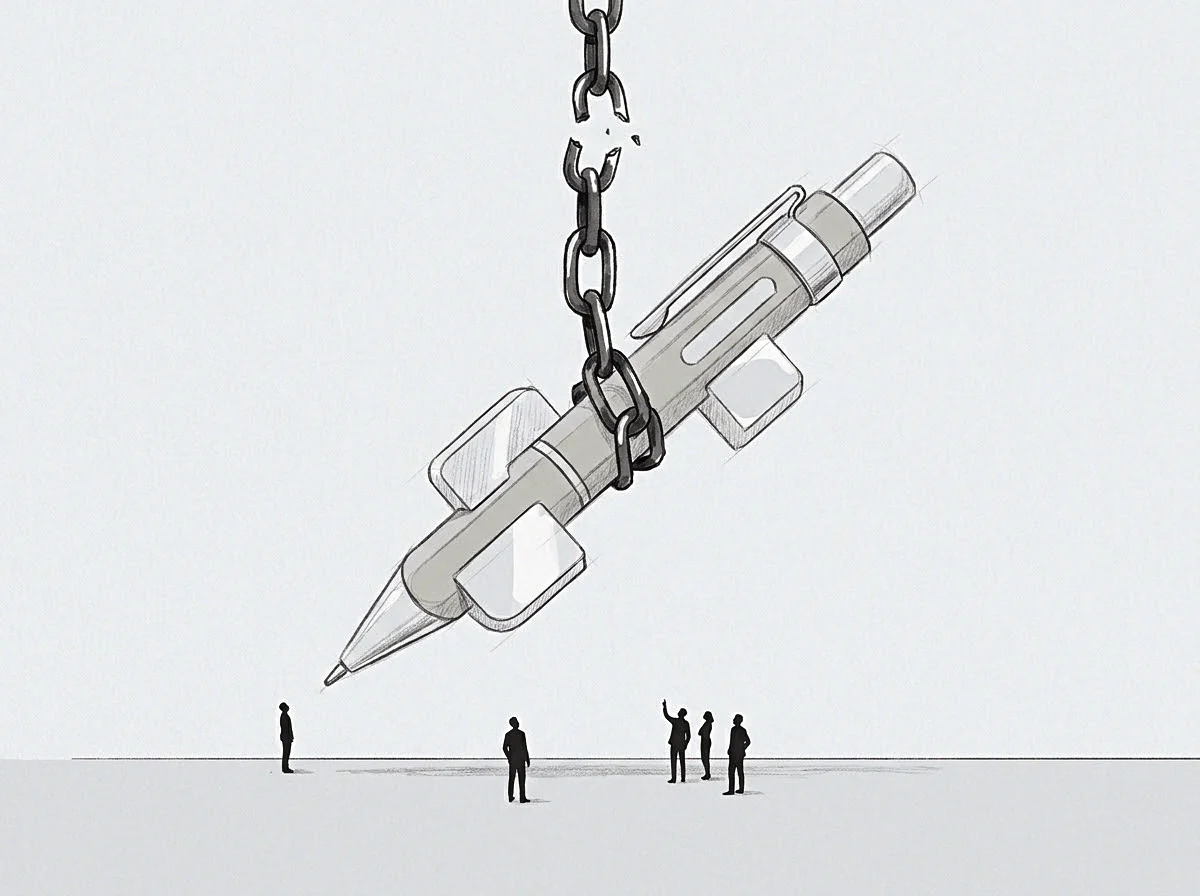
Autonomic safety after high-stress isolation requires repeated low-demand physical proximity to downregulate chronic sympathetic vigilance.
The terms are written where they belong. Each field holds three desks, and every entry a desk writes raises the terms it uses, each term given a meaning, a mechanism and the places it appears. The record on these pages stays first person and hand made; the fields grow the nomenclature.