Meaning
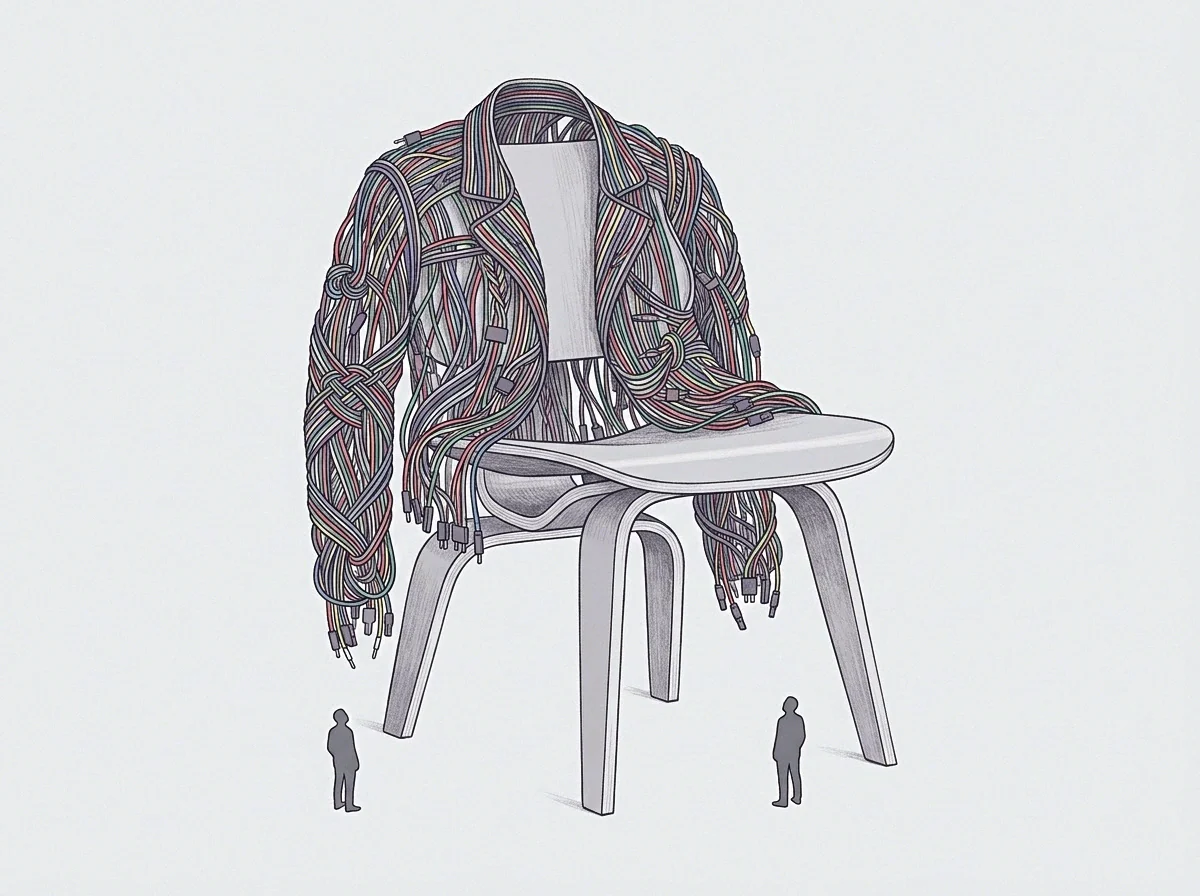
Systemic pressure arises within an organization when its operational demands exceed its physical and financial capacity. This structural duress forces trade-offs between quality and speed, often leading to long-term damage. It indicates that the current business model is unsustainable.
System Pressure
Internal resources are stretched to their absolute limit as employees try to meet unrealistic targets. Under structural duress, the pressure is not a result of individual failure but of a poorly designed system. The continuous stress leads to high turnover and equipment failure.
Resource Scarcity
A lack of capital or human resources exacerbates the existing systemic problems. When structural duress is present, the organization cannot invest in maintenance or training. This neglect causes a gradual decline in operational efficiency and increases the risk of critical errors.
Operational Limit
The point is eventually reached where the system can no longer function without a complete overhaul. Recognizing structural duress allows leaders to intervene before a catastrophic breakdown occurs. This intervention requires a reduction in workload or an increase in resources.
Without these changes, the organization will eventually fail to deliver on its commitments, damaging its reputation and its financial standing. The long-term recovery depends on redesigning the workflow to ensure that demands are balanced with the organization’s actual capacity.