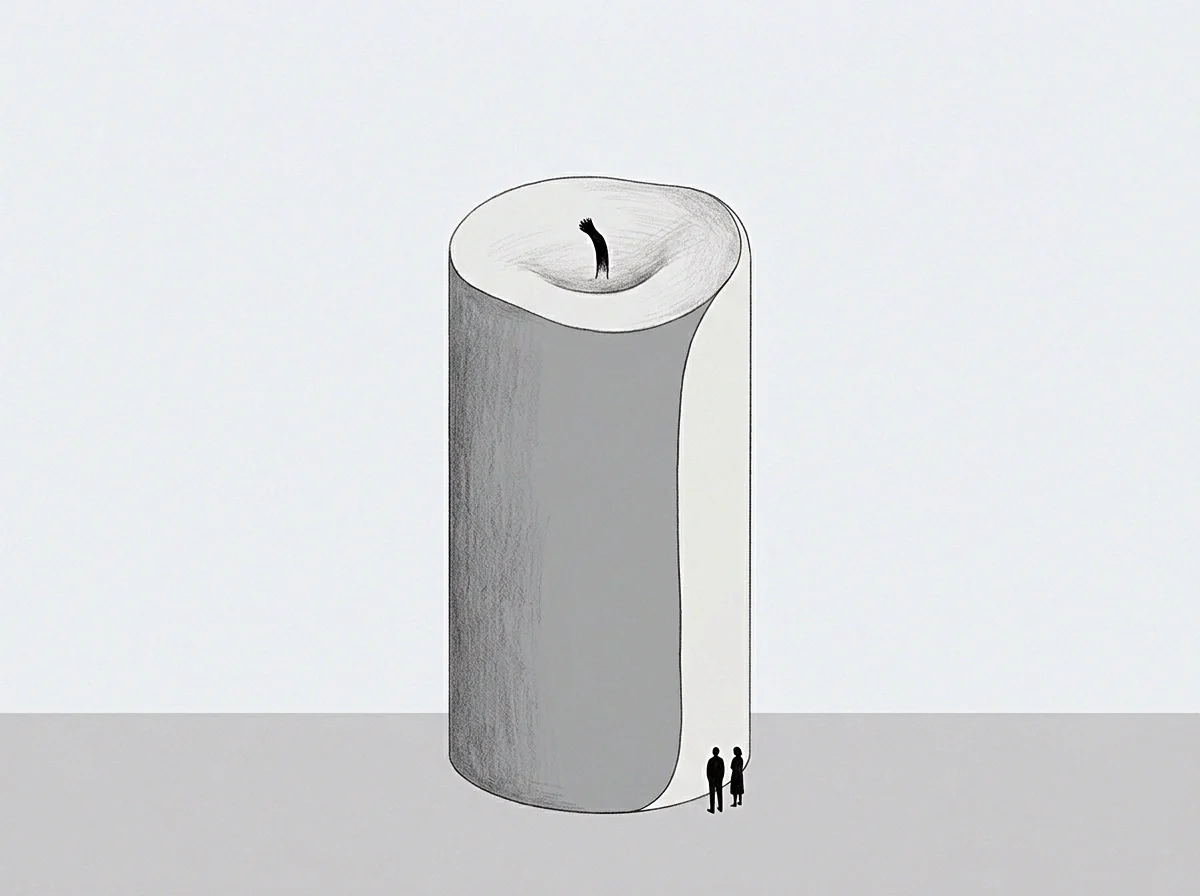
Meaning
Metabolic capacity represents the total biological reserves available to an individual for processing high-intensity cognitive and emotional demands. Physiological headroom defines the delta between current autonomic nervous system arousal and the functional ceiling of a person before somatic degradation begins. This buffer allows for rapid recovery after acute stress events like fundraising cycles or product launches.
When this margin narrows, the ability to regulate heart rate variability and maintain executive function drops toward a failure state.
Regulation Mechanics
Biological systems maintain stability through continuous adjustment of neural and hormonal outputs. Physiological headroom fluctuates based on sleep quality, caloric intake, and the interval between stressors. Founders operate by drawing down this resource to navigate complex decision environments.
Consistent depletion without adequate downtime shifts the body into a chronic state of sympathetic dominance.
Systemic Constraints
Diminishing availability alters the threshold at which routine work triggers a physiological stress response. A narrow margin necessitates frequent detachment from professional tasks to prevent permanent exhaustion. Excessive demand eventually forces an involuntary shutdown that prevents further high-stakes participation.
Structural limits on personal capacity exist independently of the perceived importance of any specific business objective.
Operational Consequences
Sustained reliance on thin reserves leads to a measurable decrease in the accuracy of long-term strategic projections. Reduced biological bandwidth narrows the scope of available behavioral responses during crisis periods. Decision quality tracks closely with the quantity of latent energy held in the autonomic system.
Proper management of this physical constraint determines the duration of a career in intense leadership roles.