Meaning
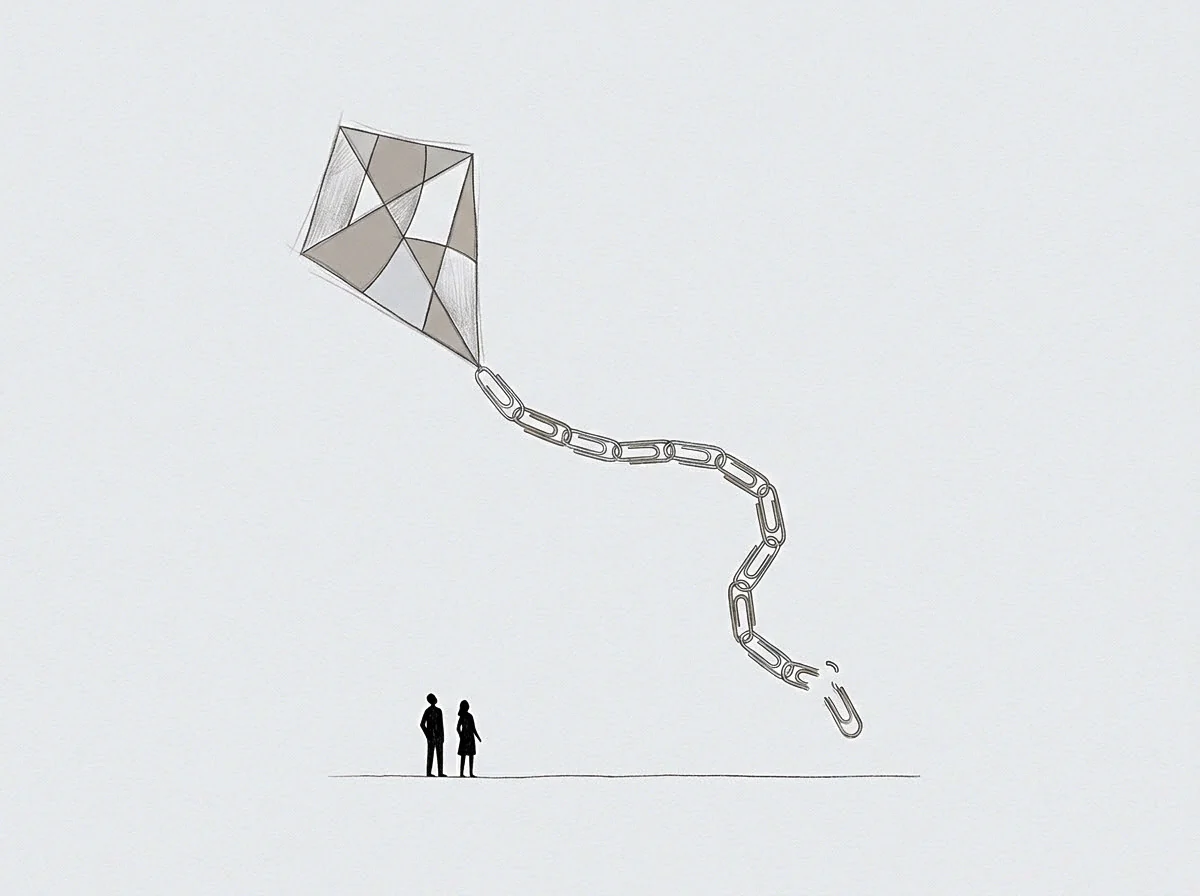
The gradual divergence of actual operational practices from the formal structures and data models originally established for a system. As an organization scales, schema drift occurs when employees find workarounds for rigid rules or when new data types are introduced without updating the core architecture. It measures the inconsistency between the intended design and the lived reality.
This drift increases the cost of maintenance and the risk of catastrophic failure during a transition.
Operational Divergence
Divergence happens as local teams optimize for their own immediate needs. Within the context of schema drift, these small changes accumulate until the original manual no longer describes how the business actually functions. The attention required to map these unofficial processes is a hidden drain on executive capacity.
Cumulative Incoherence
Incoherence is the end result of unmanaged schema drift over several years. Different departments begin to speak different languages, and the integration of their data becomes impossible without a total system overhaul. This state makes the organization fragile and slow to respond to market changes.
Formal Realignment
Formal updates are necessary to bring the stated limit back in line with the actual performance. Correcting schema drift requires a significant investment of hours to document the current state and rewrite the underlying rules. The realignment process often reveals deep structural flaws that were hidden by the drift.