Meaning
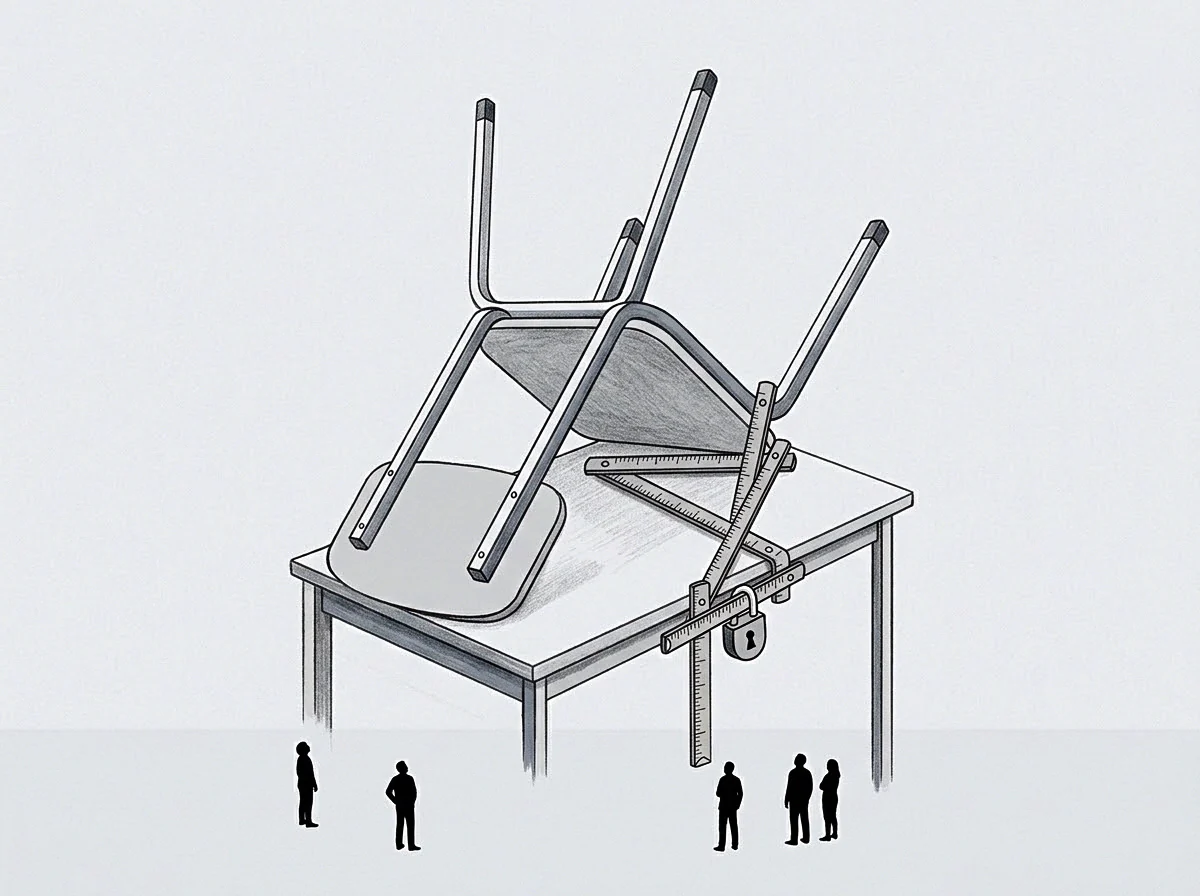
A receiver slot describes the temporal buffer or specific communication window allocated within an organizational system to process incoming requests from external stakeholders. The receiver slot defines the period during which a founder allocates attention and cognitive bandwidth to address incoming inquiries before closing the connection to preserve operational focus. This mechanism functions as a defensive filter against constant fragmentation of the daily schedule.
Capacity Limit
Individual founders possess a finite cognitive supply for context switching when managing high volumes of incoming correspondence. Once a receiver slot reaches its maximum saturation point, the remaining incoming signals divert to automated systems or wait for the next scheduled interval. This boundary prevents the depletion of focus during tasks that require deep concentration.
Frequent adjustments to the frequency or duration of these slots influence the overall responsiveness of an operation.
Regulatory Function
Internal protocols dictate how these windows function to stabilize the workload of the person in charge. A receiver slot acts as a formal constraint that prevents the constant ping of communication from dictating the priorities of the day. By batching responses into designated times, the system reduces the hidden costs of task switching on mental stamina and decision quality.
Organizations rely on these prearranged intervals to maintain a predictable cadence for both the sender and the recipient.
System Impact
Variations in slot density generate measurable differences in the rate at which an organization clears its queue of pending decisions. When the density decreases, the accumulated volume of requests exerts pressure on the next available interval. Large backlogs increase the attention cost for the founder because each item requires a reevaluation of current urgency levels.
Efficiency improvements in this area result from aligning the slot duration with the natural arrival rate of essential tasks.