
Neural Receptor Slot Recoupling Dynamics In Primary Operators Facing Prolonged Dyadic Load
Neural receptor slot recoupling restores reciprocal co-regulation capacity in primary operators by replacing high-cost self-regulation with earned security.
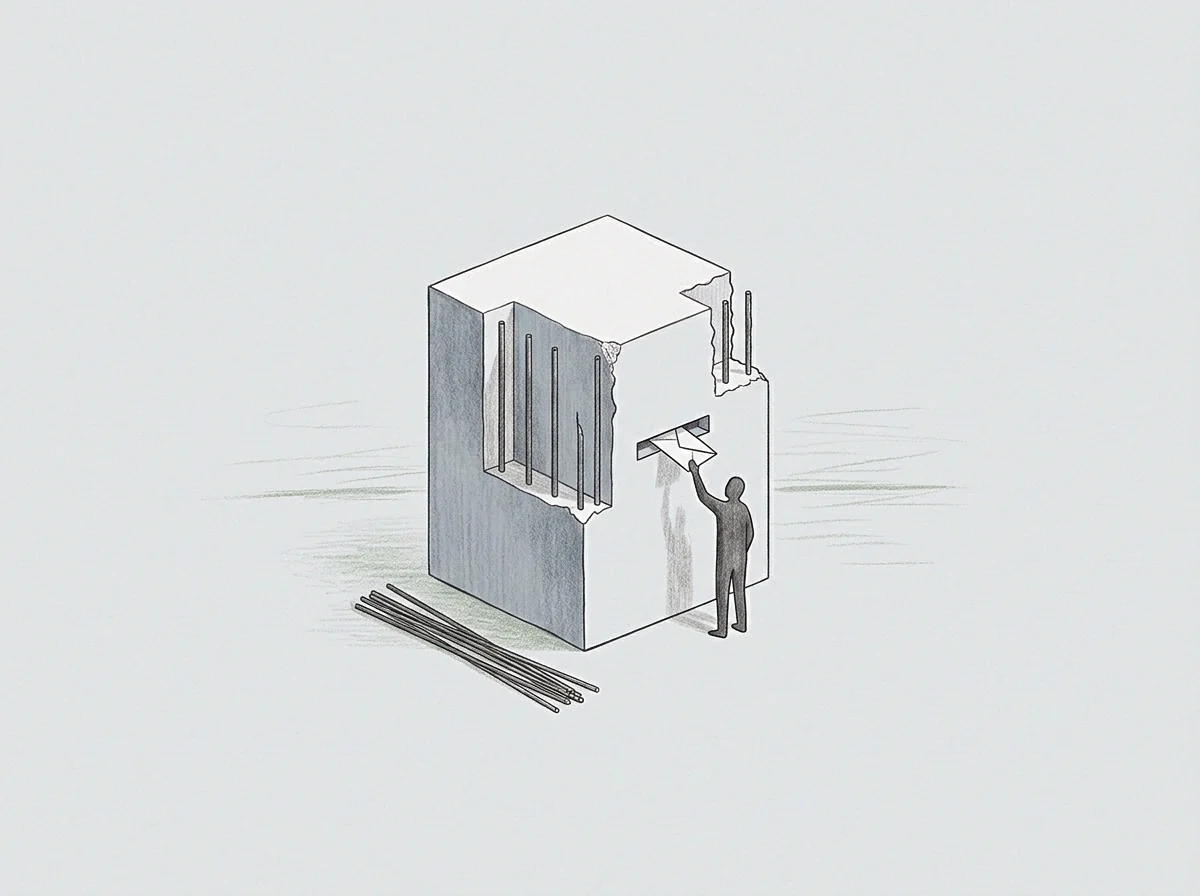
Capacity
Four messages sit unread on a phone screen in a parked car at midnight. The primary operator completed a fourteen-hour operational surge, resolving an infrastructure outage while managing an equity division argument between executive leads. The phone pings again with a voice note from a co-founder who requires reassurance about a pitch draft scheduled for eight in the morning.
The operator feels no immediate anger. The nervous system defaults to absolute physical stillness, holding a flat, predictable presence so the dyad mate can drop their elevated pulse rate. The co-founder absorbs the operator’s steady vocal cadence and returns to sleep.
The operator remains awake in the vehicle for two hours, unable to downshift into metabolic rest.
The economy of human regulation treats proximity to a steady human being as the primary mechanism for suppressing threat response. In social baseline theory, the human brain budgets metabolic expenditure under the assumption that a reliable second person is present to share environmental load. Self-regulation without an external anchor is the most expensive physiological mode available to an organism.
Proximity to an individual who maintains structural baseline calm lowers heart rate variability, suppresses cortisol secretion, and reduces prefrontal cortex exertion. When a primary operator consistently maintains an unyielding exterior, dyad partners begin to use that operator as an external regulatory asset. The partner does not register the operator as a person with an independent allostatic budget.
The partner registers the operator as a fixed piece of environmental calm.
A person who displays steady baseline presence under stress attracts incoming load from every dyad mate who lacks internal regulatory structure.
This operational distribution generates an immediate structural asymmetry. The partner transfers their internal volatility onto the primary operator, using the operator’s voice, presence, and decision certainty to lower their own systemic strain. The partner experiences this interaction as a stabilizing, high-trust collaboration.
The operator absorbs the incoming volatility without a corresponding channel to discharge the metabolic cost. Over months of dyadic load, the operator’s systemic baseline shifts into chronic high-cost self-regulation.
Primary operators who carry dyadic load without a functional receiving mechanism display distinct operational failure modes:
- Vagal suppression masking occurs when an operator holds a calm heart rate tone externally while maintaining maximum internal autonomic arousal to keep the room stable.
- Somatic isolation develops when the operator interprets incoming offers of assistance as administrative friction or emotional noise rather than regulatory support.
- Asymmetric baseline shift appears when the dyad mate reports feeling steady and productive precisely as the primary operator reaches total metabolic exhaustion.
- Unilateral load absorption takes place when every operational variable in the dyad is routed through one person’s capacity reserve before any limit is declared.
The secondary party in this dyad describes the arrangement as an effortless operational alignment built on total mutual trust.
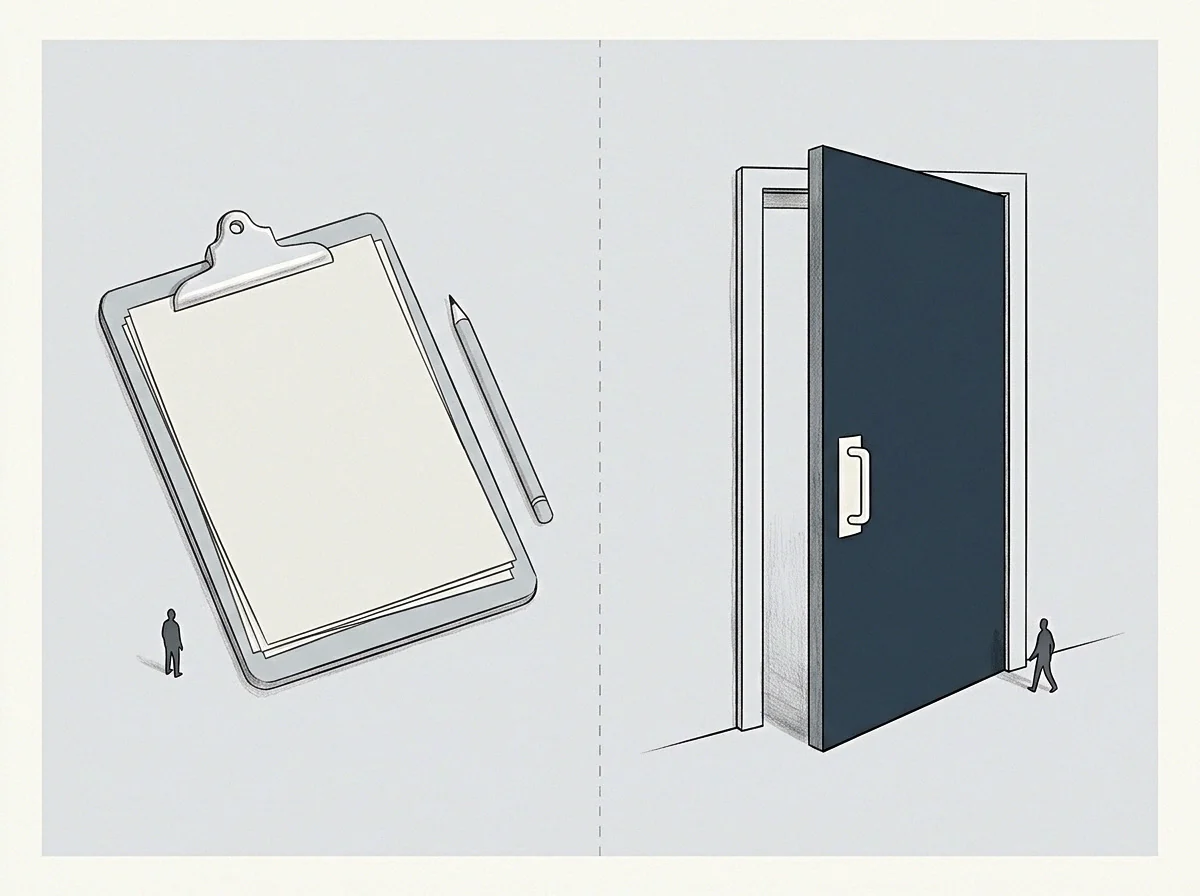
Circuit
The neural mechanics of dyadic regulation depend on internal working models formed through early attachment cycles. An internal working model functions as an automated blueprint for how the brain predicts safety and distress resolution in proximity to others. When an individual experiences early relational environments where the primary caregivers were unreliable, absent, or volatile, the internal model updates to a specific defensive configuration.
The individual internalizes a template where they operate exclusively as the caregiver. The slot for a responsive other closes. The neural circuitry required to register, receive, and utilize another person’s stable state for self-soothing goes dormant.
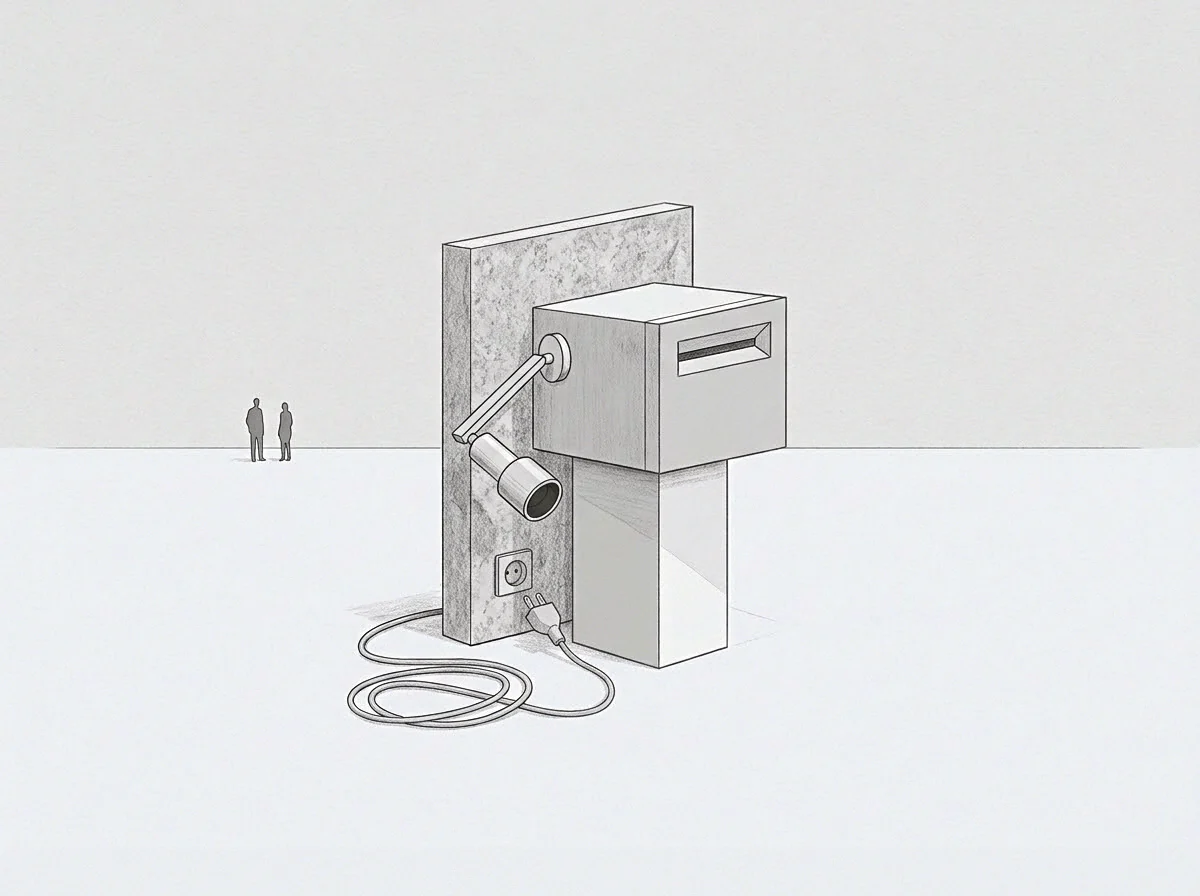
Receptor Slot Suppression Mechanics
Receiving co-regulation demands a functional neural receptor slot. This slot is an array of biological and neurochemical mechanisms that permit an organism to downregulate its autonomic nervous system in response to another person’s vocal tone, physical proximity, and eye contact. The ventral vagal complex relies on sensory cues of safety to signal the sinoatrial node of the heart to slow down.
In a primary operator with a suppressed receptor slot, incoming signals of safety from a dyad partner are processed through a hyper-vigilant threat filter. The brain interprets an offer of support as a potential obligation, an incoming demand, or an indicator of the partner’s incompetence.
Controlled trials measuring autonomic reactivity during dyadic stress tasks establish that individuals with uncoupled receptor templates maintain elevated skin conductance and restricted inter-beat intervals even when placed in direct physical proximity to a calm, supportive partner. The data rest on functional magnetic resonance imaging and electrocardiography collected across structured threat-appraisal tasks in laboratory dyads. If researchers introduce an explicit task where the operator must yield operational control to the partner, prefrontal oxygenation spikes immediately.
The brain spends metabolic energy to maintain vigilance rather than allowing the partner’s presence to drop the baseline cost of threat monitoring.
When the neural receptor slot is uncoupled, incoming stability from a partner registers as an operational anomaly rather than a physiological resource.
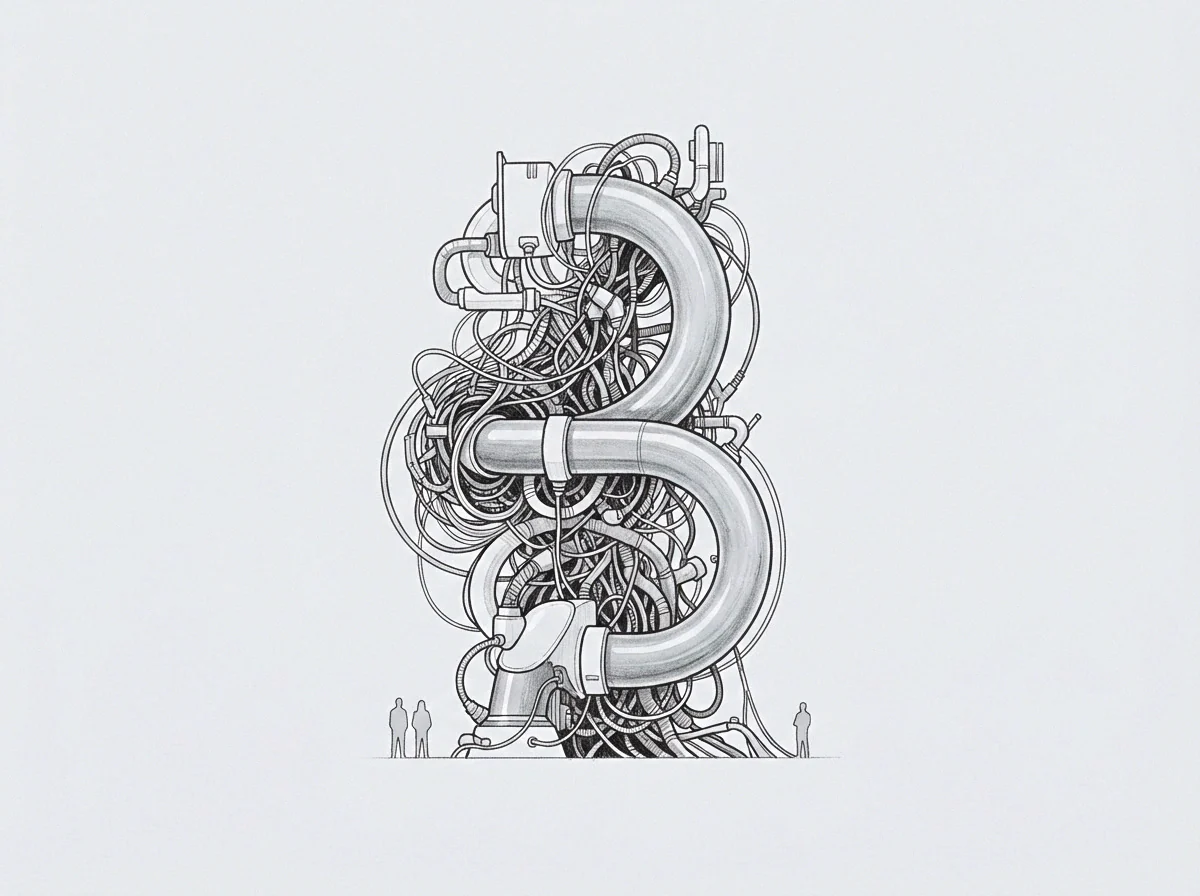
Allostatic Accumulation Under Asymmetric Dyadic Pressure
Prolonged dyadic load without slot recoupling accelerates allostatic strain. Allostatic load measures the cumulative physiological wear and tear on organ systems under sustained adaptation to stress. A primary operator who acts as an unyielding baseline for a co-founder, spouse, or key lieutenant runs their neuroendocrine system in continuous high-output mode.
Cortisol output flattens into a elevated diurnal curve. Inflammatory markers climb. The anterior cingulate cortex, tasked with monitoring discrepancies between expected and actual relational inputs, remains continuously active.
The operator stays stuck in high-cost self-regulation because the internal model dictates that letting down the exterior produces structural collapse. The partner, benefiting from the lower regulation cost provided by the operator’s steady presence, naturally increases their reliance on the dyad. The partner pings more frequently, brings raw unmanaged emotion into operational discussions, and relies on the operator to establish emotional ground.
The operator absorbs this demand through sheer force of will, unaware that the physical machinery responsible for recoupling the neural slot is starving from lack of reciprocal input. The failure to address this dynamic results in sudden cardiac, immune, or psychological collapse at the exact moment the venture requires maximum operational clarity.
Asymmetry
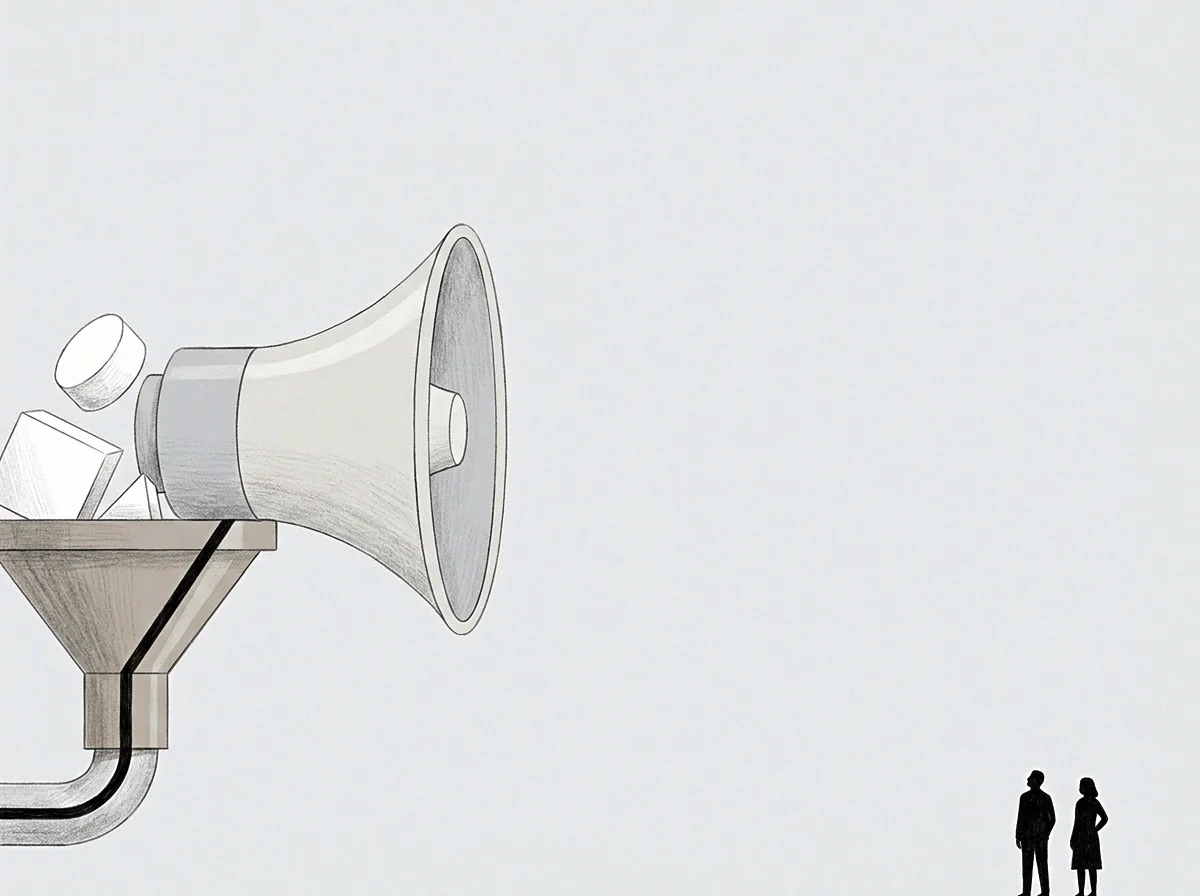
Dyadic structures operate under strict physical laws. The distribution of physiological load between two leaders determines the operational tenure of the business itself. When an operator runs an uncoupled receptor template, the arrangement creates a predictable systemic divergence over time.
When Does Dyadic Load Exceed Structural Headroom?
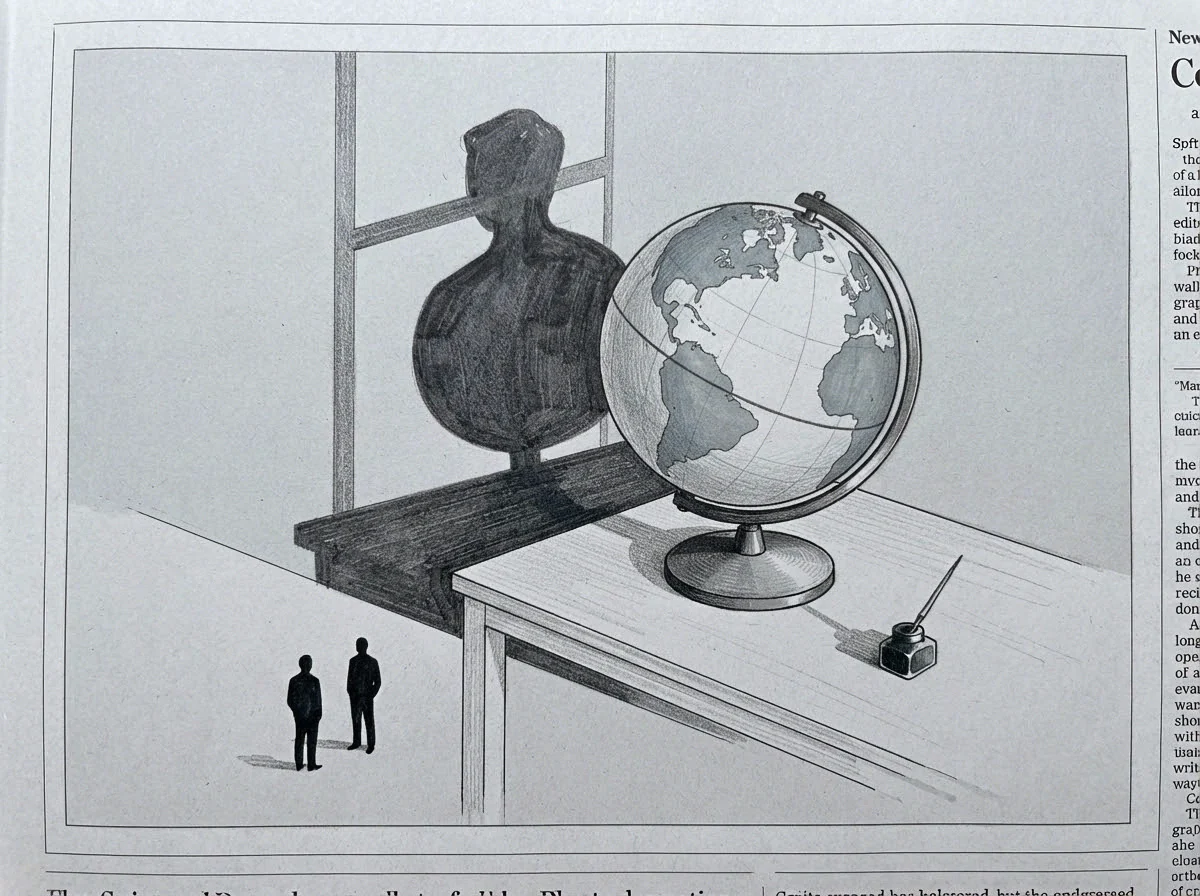
The moment dyadic load exceeds the operator’s structural headroom is rarely marked by an argument. It is marked by sensory shutdown. The primary operator stops processing nuance in communications, responds to complex strategic questions with terse monosyllables, and experiences physical touch or friendly check-ins as severe tactile intrusion.
The operator has run out of metabolic currency to maintain the external baseline for two people.
The operational field lacks long-term empirical tracking for the precise break point where unrecoupled operators transition from high-functioning overload to complete baseline exhaustion. Current observational data confirm that operators sustain this state for twelve to thirty-six months before somatic or operational failure forces a structural pause. Under this uncertainty, an operator tracks changes in physical sleep efficiency and autonomic recovery metrics rather than relying on subjective feelings of toughness.
| Evaluation Criterion | Uncoupled Receptor State | Recoupled Receptor State |
|---|---|---|
| Primary Metabolic Mode | High-cost solitary self-regulation; continuous prefrontal exertion under stress. | Low-cost co-regulation; autonomic downregulation via mutual baseline access. |
| Response to Incoming Support | Interpreted as administrative friction, vulnerability risk, or operational threat. | Registered as valid regulatory grounding; immediate reduction in cardiac tone. |
| Dyadic Load Distribution | Unilateral; operator absorbs volatility while partner consumes operator calm. | Bilateral; load shifts based on real capacity and stated operational limits. |
| Signal Processing Efficiency | Degrades over time; sensory fatigue leads to cognitive bottlenecking and withdrawal. | Maintains operational headroom; clear signal segregation during crises. |
| Data reflects physiological and organizational dynamics observed in co-founder and primary operator dyads. | ||
A primary operator who maintains an uncoupled slot while carrying maximum dyadic load inevitably converts the business partnership into a unilateral protection contract. The partner grows dependent on the operator’s regulatory floor, while the operator grows resentful of the partner’s unrestrained expression of panic. The debt accumulates silently on the operator’s biological ledger.
A stated limit is the first physical barrier a load-transferring system encounters that is not the primary operator’s soft tissue.
The contract changes completely when the primary operator explicitly declares an operational limit on regulatory availability, forcing the partner to develop independent self-soothing mechanisms or find alternative grounding structures.

Recoupling
Updating an internal working model is not an intellectual exercise. A primary operator cannot think, read, or strategize their way into recoupling a neural receptor slot. Intellectual understanding of attachment patterns leaves the underlying physiological architecture completely untouched.
The brain updates its baseline budget only through repeated, lived physical experiences that contradict the predictions of the original template.

Physical Experience Against Cognitive Insight
Earned security is the term given to the developmental process of building a functional attachment template later in life. It occurs when a person who grew up with an unrecoupled or defensive template engages in sustained, real-world interactions with a responsive, steady other. For a primary operator, this requires entering controlled conditions where they experience distress, refrain from activating their defensive self-reliance shield, and allow another steady human presence to downregulate their nervous system.
The delta over time measures the slow shift between what the old template predicts and what the body actually experiences. In the first phase of recoupling, receiving support feels dangerous. The heart rate rises when a partner offers presence during an operational crisis.
The operator’s impulse is to push the offer away and reclaim sole control of the room. If the operator stays in physical contact or proximity with the steady other without executing the defensive retreat, the autonomic nervous system eventually registers the lack of catastrophe. The Sinoatrial node slows.
The prefrontal cortex disengages from high-alert monitoring. This micro-cycle must repeat hundreds of times across real operational hours before the neural slot opens permanently.
Sequential Phases of Slot Recoupling
The transformation of an operator’s internal working template follows a precise structural progression across distinct operational milestones:
- The operator identifies moments where incoming support triggers immediate somatic irritability, recognizing the reaction as a template defense rather than an objective evaluation of the partner’s competence.
- The operator executes a deliberate hold, remaining in physical or vocal contact with a stable partner during elevated load without taking over the operational steering wheel.
- The body registers a measurable drop in autonomic arousal during shared load, establishing the first physical proof that proximity can lower regulation costs.
- The operator updates their operational communication, moving from unilateral load absorption to clear statements of present internal state and real capacity boundaries.
- The receptor slot couples permanently, allowing the operator to shift fluidly between supplying baseline calm to others and receiving co-regulatory support when their own load hits ceiling.
In experienced operators, template updates happen through somatic disarming during actual operational stress rather than quiet reflection during calm hours.
Longitudinal attachment tracking indicates that re-patterning internal working models requires eighteen to twenty-four months of consistent, high-frequency relational input. An operator who expects instant template updates after a weekend retreat misjudges the biological durability of neural threat circuits.
Withholding strength under load allows the dyad mate to feel the actual weight of the operational environment for the first time.

Tenure
A recoupled primary operator changes the entire operating system of an enterprise. When the operator stops functioning as a unilateral shock absorber for dyadic volatility, the organization is forced to build real operational structures. Processes, clear authority boundaries, and stated limits replace the hidden emotional labor that previously kept the venture stable.
Structural Limits as Regulation Architecture
Setting a limit with a dyad partner is a biological necessity. When an operator states a precise operational boundary—declining midnight calls, refusing to referee interpersonal disputes between team leads, or demanding structured written briefings instead of verbal panic dumps—they remove the secondary party’s primary cheap source of regulation. The partner experiences this removal as a severe rupture.
The partner may accuse the operator of stepping back, dropping commitment, or breaking trust. These reactions are predictable responses to the sudden increase in the partner’s internal regulation costs.
The operator’s task during this phase is to hold the boundary without validating the partner’s panic narrative. The operator remains calm, physically accessible within agreed parameters, but absolutely firm on the structural limit. Over time, the partner either builds independent regulatory baseline capacity or the partnership reorganizes around real operational facts.
In both cases, the primary operator reclaims the metabolic headroom required to execute high-level strategic tasks.
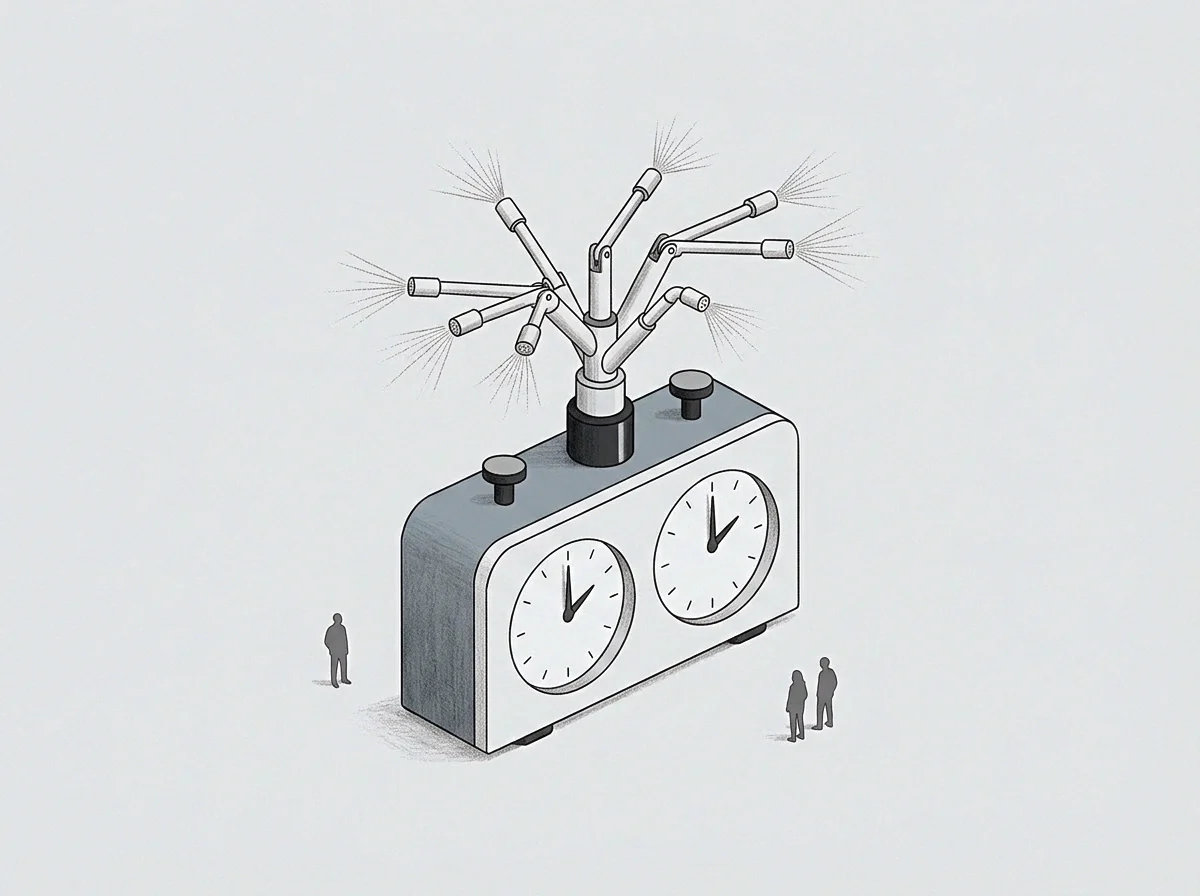
Sustained Dyadic Balance
Sustained dyadic health requires ongoing mutual access to borrowed regulation. A recoupled operator no longer views vulnerability as operational weakness. They recognize that sharing distress with a steady, capable peer is the most efficient method for preserving long-term capacity.
The dyad transitions from a parasite-host arrangement into a true mutual baseline structure. Both parties monitor their own allostatic budgets, state their limits before reaching exhaustion, and allow the other person to hold the room when capacity drops.
Dynamic balance in high-load dyads requires two operational slots capable of alternate signaling and reciprocal receiving without metabolic debt accumulation.
Reaching this operational state requires twelve months of steady structural enforcement after initial slot recoupling. The primary operator who successfully couples their receptor template protects their physical health, secures their cognitive tenure, and builds an enterprise capable of surviving real market volatility without consuming the people who built it. The car parked in the dark is no longer an escape pod for an exhausted operator.
It is simply a vehicle parked outside a quiet home.