

Structural Triage Mechanics for Engineering Teams Facing Upstream Escalation
Structural triage protects downstream engineering velocity by replacing informal upstream interruptions with state-gated intake bounds and explicit interrupt budgets.
Structural triage protects downstream engineering velocity by replacing informal upstream interruptions with state-gated intake bounds and explicit interrupt budgets.
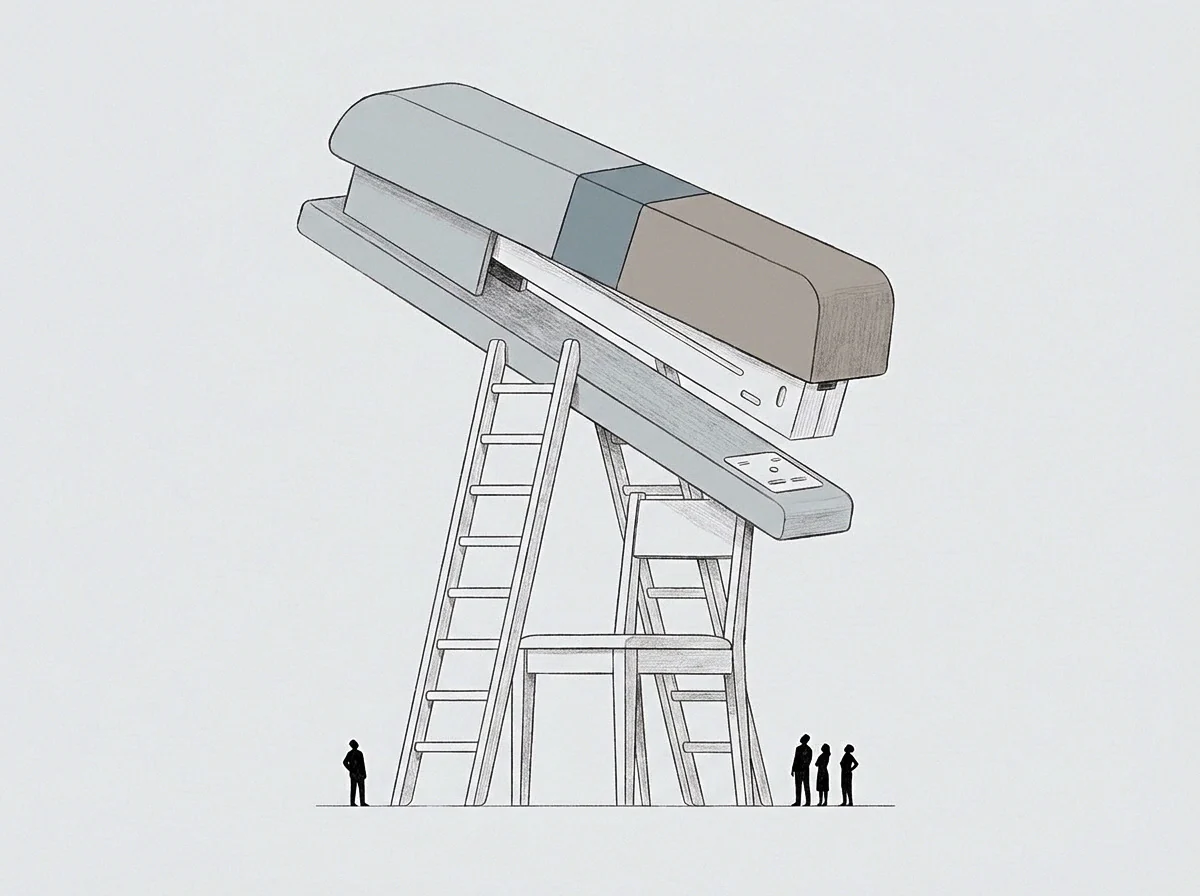
Continuous unthrottled operations force internal execution queues past capacity limits, shifting failure points from edge ingress to downstream thread pool exhaustion.
Rigid intake constraints preserve downstream enterprise velocity during surges by converting external commercial pressure into perimeter qualification friction.
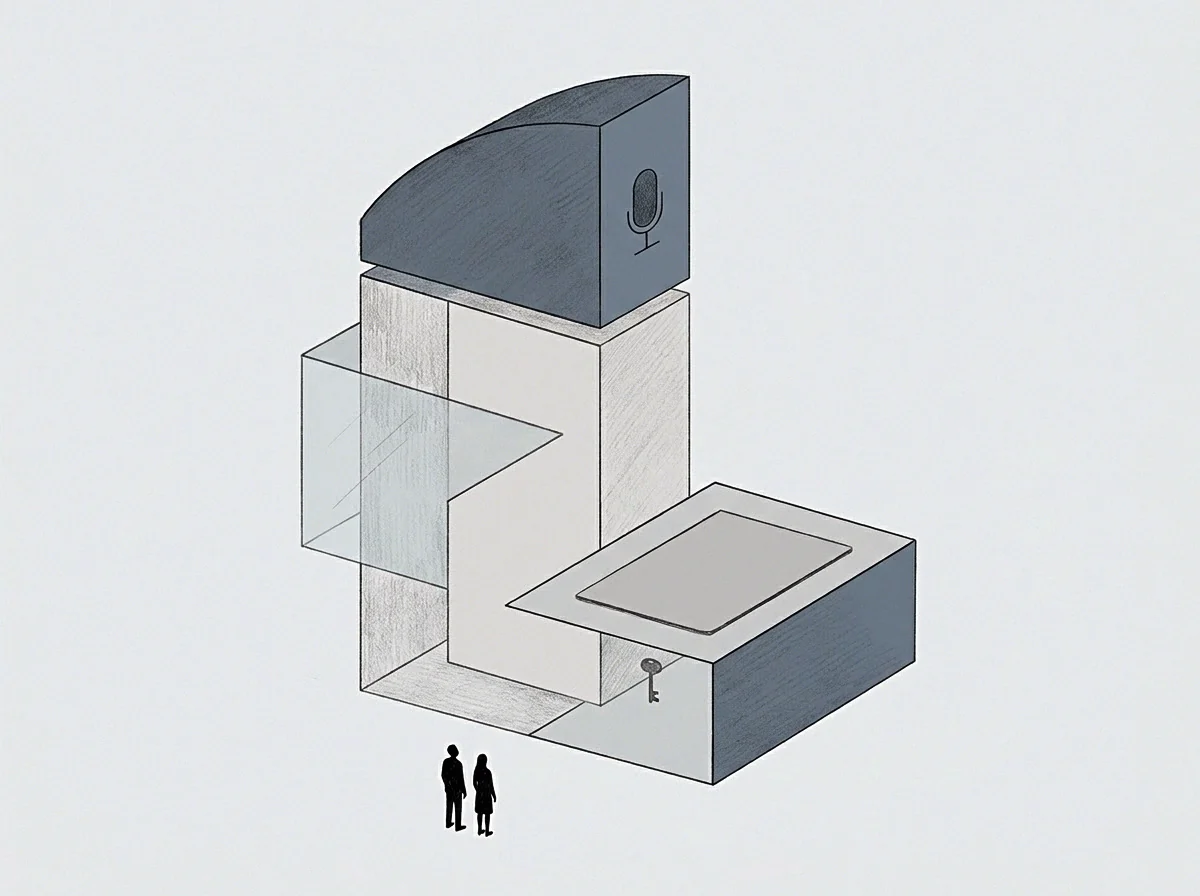
Automated backpressure and state-gated escalation routing protect engineering capacity during unexpected volumetric spikes by shedding non-critical operational load.
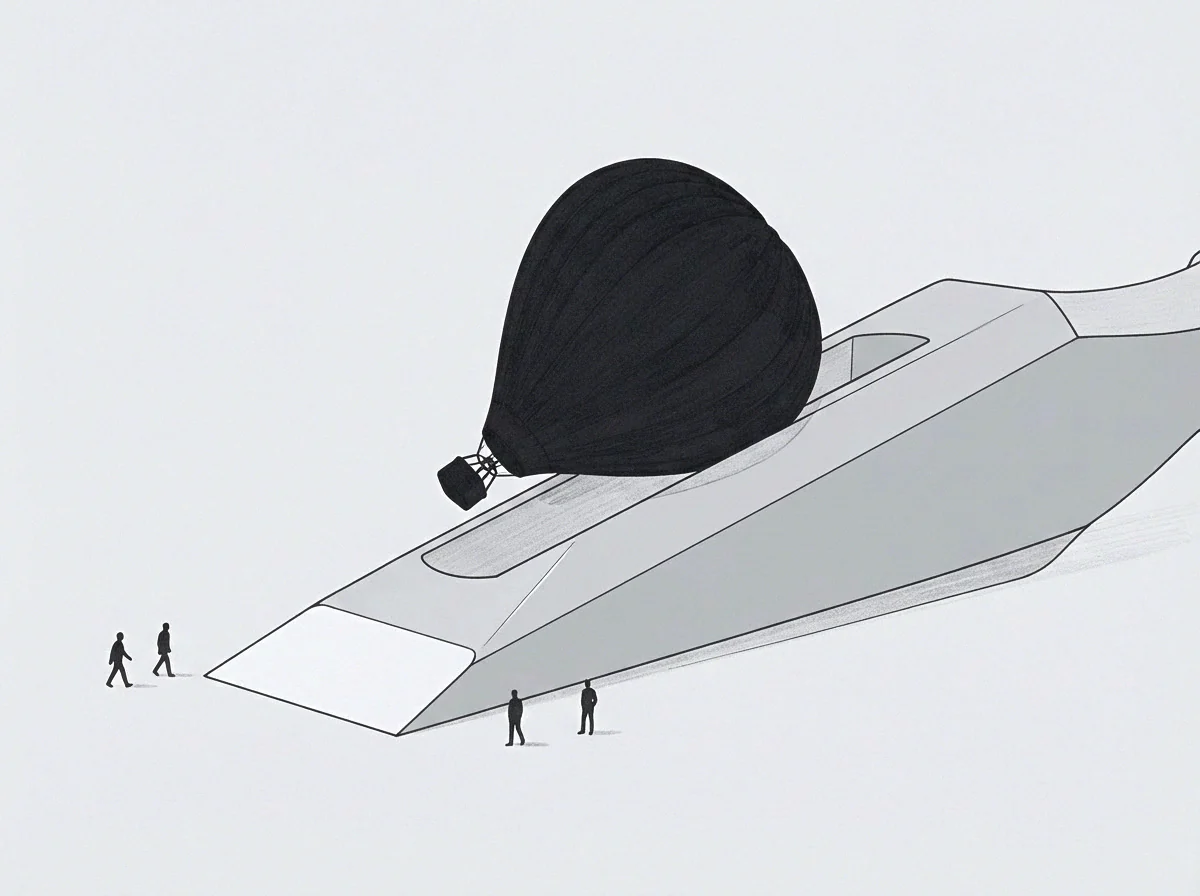
Dynamic allostatic load constraints protect multi-tier supervisory architectures through automated throttling and hard concurrency limits during volume spikes.
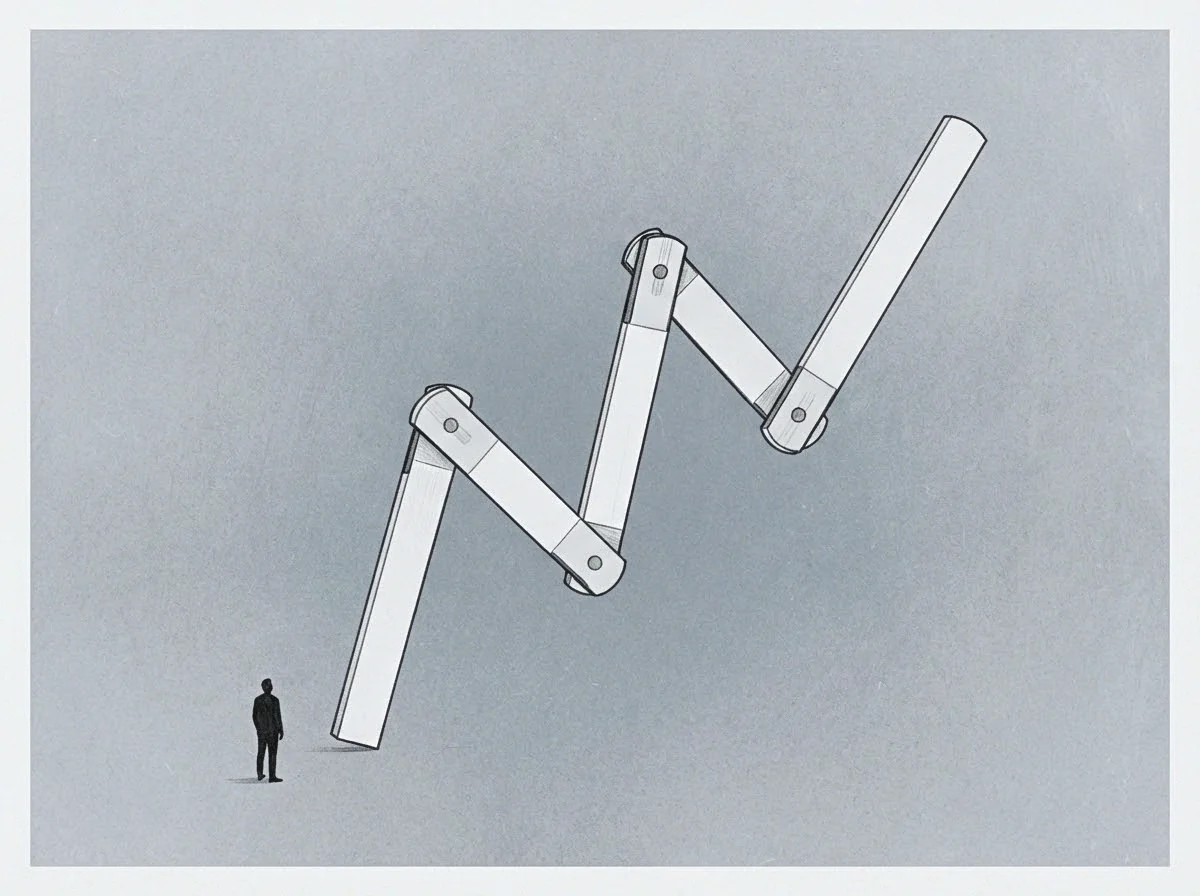
When unthrottled client streams hit fixed capacity limits, system stability requires structural rate regulation rather than internal load absorption.

State-gated concurrency limits block incoming operational threads at defined physiological capacity thresholds to preserve cognitive headroom.

A mechanical capacity threshold rejects incoming operational requests automatically once active execution slots reach a predetermined physical concurrency cap.

Executive fatigue delays capital authorizations, creating inventory carrying penalties, forfeited supplier discounts, and mandatory asset write-downs.
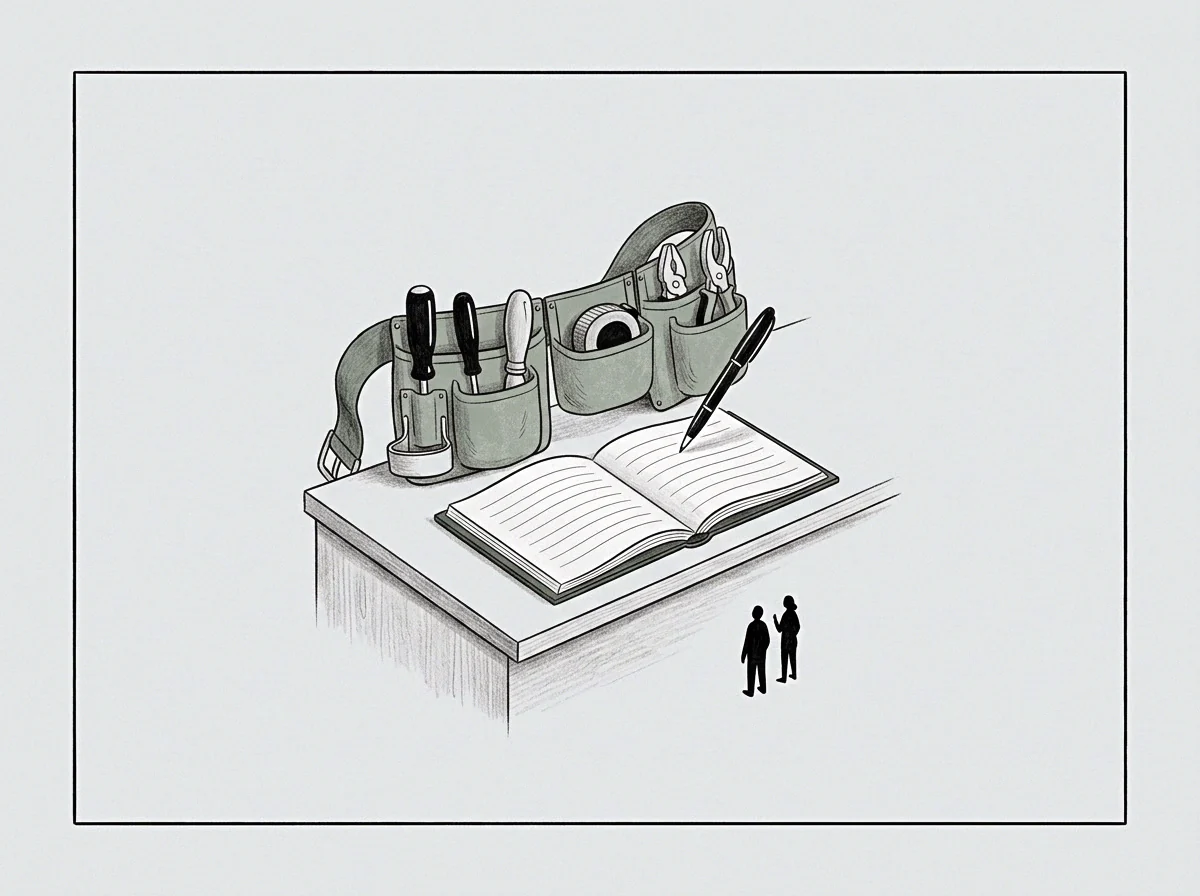
Structural latency protocols enforce hardware setpoints by shedding excess load and propagating backpressure upstream when queues saturate under heavy load.

Stated operational intake limits convert incoming channel load into structured queue latency rather than internal cognitive depletion.

A concurrency cap converts open incoming queues into state-gated processing channels to prevent structural operational overload.

Executive systems manage high operational ingress by configuring strict intake parameters, throttling queues, and enforcing state-gated routing boundaries.
The terms are written where they belong. Each field holds three desks, and every entry a desk writes raises the terms it uses, each term given a meaning, a mechanism and the places it appears. The record on these pages stays first person and hand made; the fields grow the nomenclature.