
Structural Triage Mechanics for Engineering Teams Facing Upstream Escalation
Structural triage protects downstream engineering velocity by replacing informal upstream interruptions with state-gated intake bounds and explicit interrupt budgets.
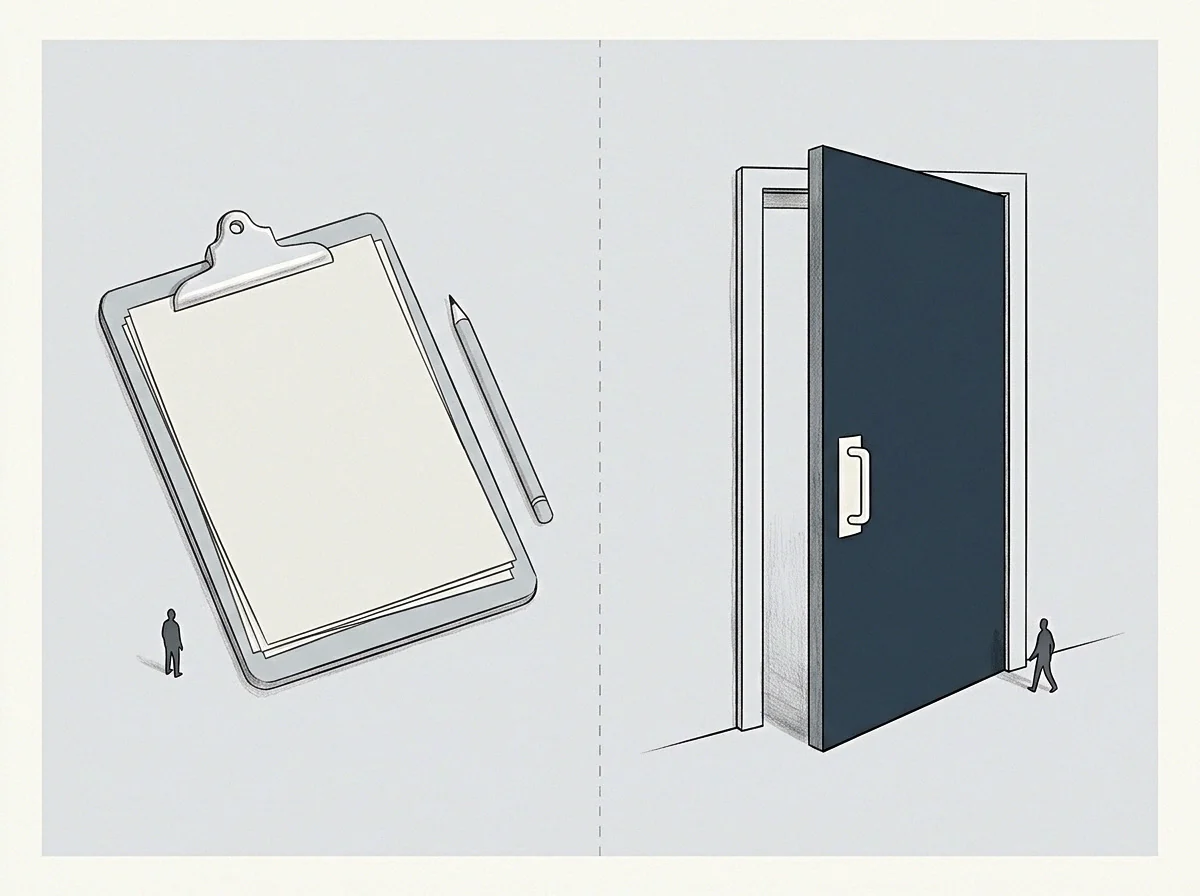
Screen
Four direct messages arrive in an engineering manager’s queue during an active sprint cycle. One message requests an immediate hotfix for an enterprise account, another asks for a design change from product leadership, a third demands architectural validation from security, and the fourth seeks timeline acceleration from executive sponsors. Each sender bypasses the central backlog, framing their request as an isolated emergency.
Downstream capacity vanishes under the weight of these unvetted commitments. The team switches context repeatedly, abandoning active feature tasks to service informal requests.
Upstream teams push work downward whenever their own operational pressure mounts. Without a physical barrier between incoming demand and downstream execution, engineering velocity degrades into reactive firefighters work. The push continues until it encounters a boundary that does not yield to urgency phrasing.
A human supervisor acting as the sole filter absorbs this allostatic load, attempting to negotiate priority through daily conversations. Human negotiation fails under continuous volume because mood and executive authority override verbal resistance. Upstream stakeholders simply increase signal frequency until the supervisor yields.
The backlog grows continuously. Upstream demand accelerates constantly. When structural triage mechanics are absent, the engineering team functions as a passive buffer for organizational instability.
The cost of this pattern accumulates in uncommitted work-in-progress and degraded code quality.
Upstream pressure expands to fill every unmonitored intake channel until execution collapses.
Structural triage requires an external boundary rather than personal boundary enforcement. The boundary takes the form of an intake screen that accepts input only under defined protocol parameters. Requests entering through informal channels remain unaddressed until submitted through the formal interface.
This arrangement strips urgency framing from the request, converting emotional volume into structured metadata about impact, dependencies, and business trade-offs.
Allowing upstream escalations to directly modify active sprint scope destroys the predictability of engineering delivery, forcing teams to pay continuous context switching penalties that double the operational cost of every delivered feature.
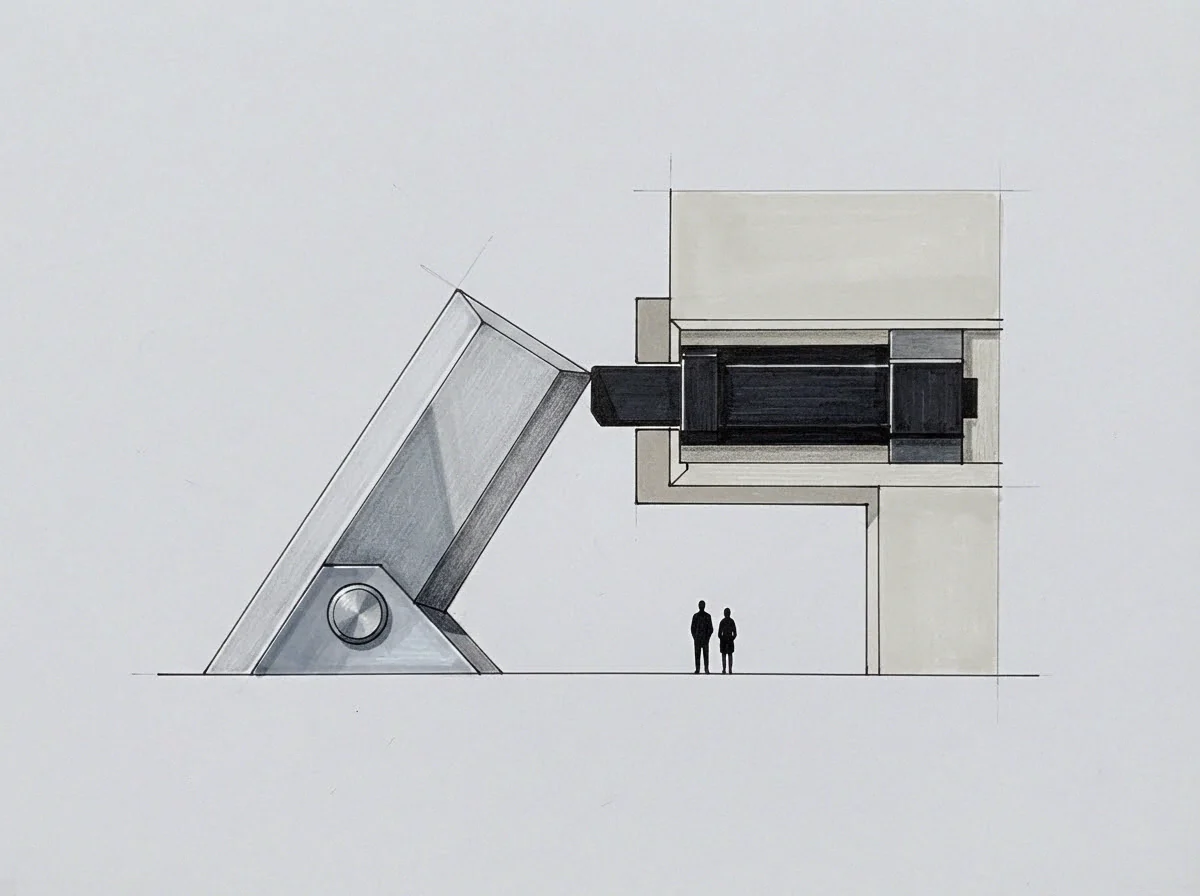
Intake
Intake mechanics define the exact rules by which work crosses from upstream discovery into downstream execution. An effective intake system separates the evaluation of a request from its scheduling. When evaluation and scheduling occur simultaneously during an escalation, urgency drives selection rather than value or capacity.
State dictates execution pace. High-performing engineering teams deploy state-gated intake mechanisms. A state-gated mechanism evaluates an incoming request against systemic headroom metrics before allowing the item into an active planning queue.
If downstream capacity sits below defined operational setpoints, incoming items pause in an intake buffer regardless of sender title.
| Operational Mode | Context Switch Cost | Latency to Decision | Capacity Protection | Upstream Signal Clarity |
|---|---|---|---|---|
| Direct Interruption | High | Immediate | None | Distorted by volume |
| Asynchronous Intake Queue | Moderate | Bounded by review cycle | Partial | Normalized by template |
| State-Gated Structural Triage | Low | Calculated by capacity | Complete | Strictly economic |
The transition from direct interruption to state-gated intake shifts organizational behavior. Upstream teams must complete economic justification artifacts before engineering review occurs. This friction filters low-value escalations before they touch engineering bandwidth.
A stated capacity limit converts unstructured escalation into an economic trade-off.
A request that lacks stated trade-offs remains in pending state within the triage interface. The engineering lead declines verbal negotiation, pointing instead to the unfulfilled fields in the intake record. Priority reflects real urgency.
Unfunded requests wait outside.
If the engineering intake form requires executive sign-off for mid-sprint scope changes, the requesting manager will look for alternative resources before completing the documentation.
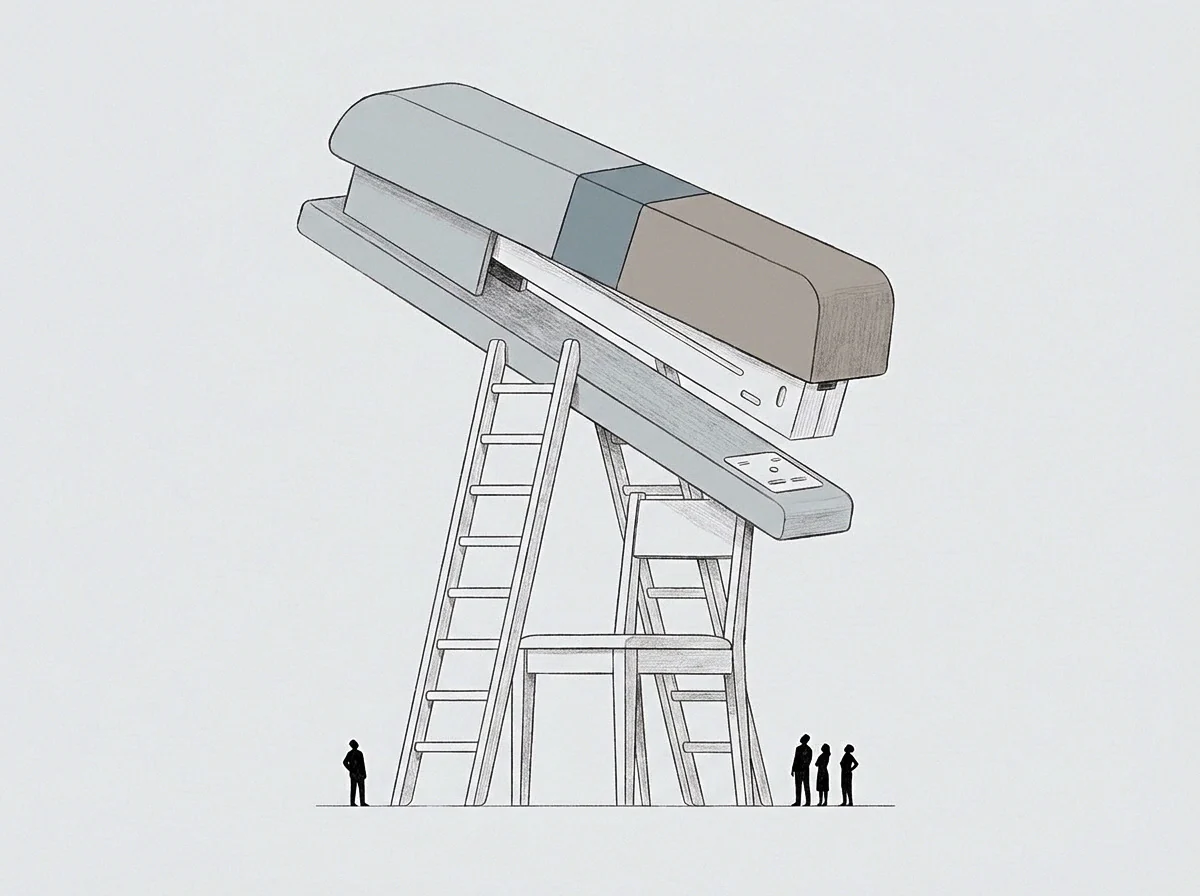
Capacity
Engineering capacity is a hard mathematical constraint rather than a flexible operational target. Context switching incurs cost. When an engineer switches focus between unrelated codebases due to an upstream escalation, cognitive re-alignment consumes significant bandwidth before productive output resumes.
Industrial studies on task interruption demonstrate recovery times extending up to twenty-three minutes per interruption event.
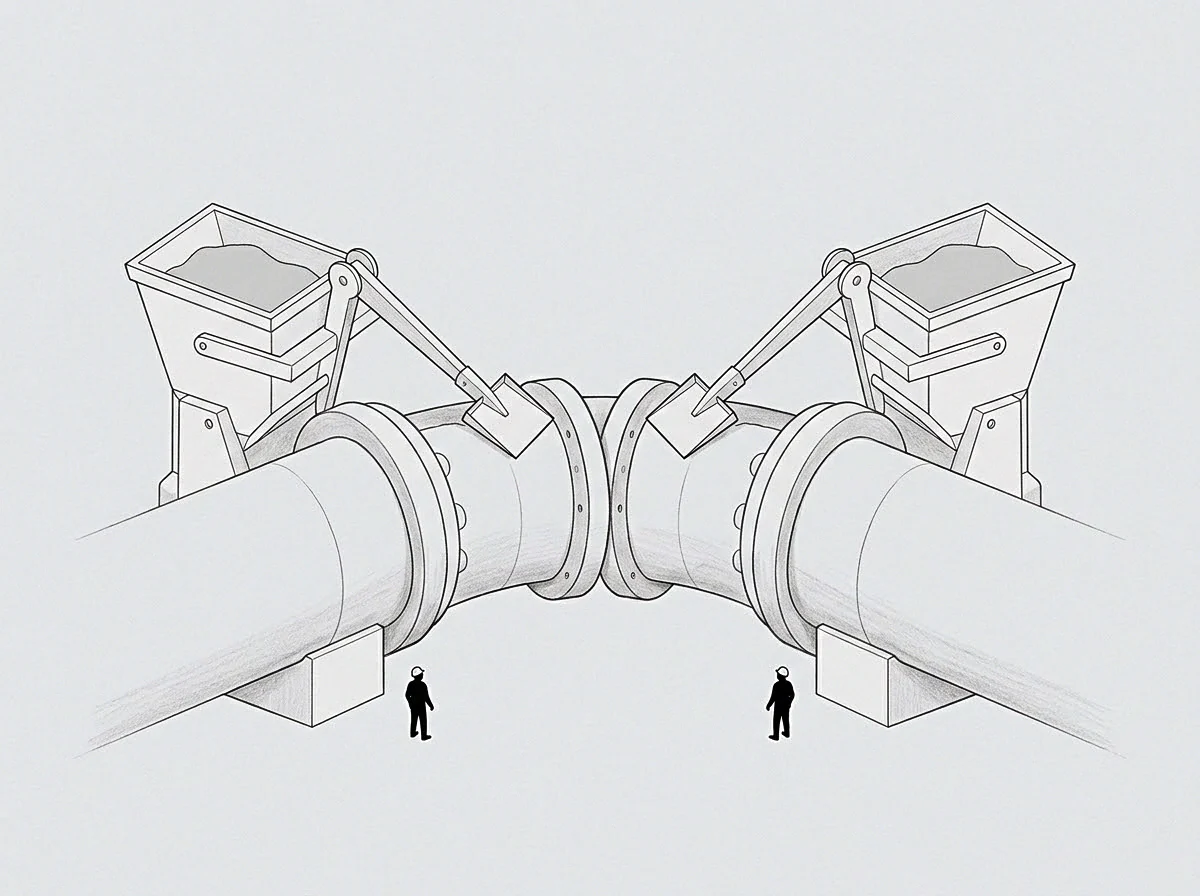
Why Upstream Context Distorts Downstream Velocity Estimates?
Upstream leaders frequently view engineering capacity through the lens of headcount rather than concurrent focus threads. Adding work to an already saturated engineering system creates queue expansion. Little’s Law governs this behavior: cycle time equals work-in-progress divided by throughput.
Increasing work-in-progress via mid-cycle escalations increases overall cycle time for all active items, including the escalated task itself.
Queue saturation reduces output. Interruptions consume available bandwidth. When sprint capacity allocation sits at one hundred percent, any incoming escalation pushes existing commitments past delivery deadlines.
Structural triage reserves an unallocated capacity margin specifically for operational remediation and triage processing. This margin prevents system instability when valid high-severity events hit the team.
Queue length doubles context switching costs once active work exceeds cognitive capacity thresholds.
Managing capacity demands clear visibility into active load metrics. The engineering team publishes live metrics detailing queue depth, current context counts, and available triage slots. Upstream teams viewing these metrics see the immediate impact of their escalation on existing commitments.
The conversation shifts from personal responsiveness to systemic trade-offs.
What structural metric determines whether an incoming escalation warrants displacing an existing release candidate when both carry high commercial value?

Harness
A triage harness provides the mechanical enforcement tools required to maintain intake discipline over extended operational periods. Relying on team discipline alone leads to atrophy during high-stress business moments. Structural mechanics automate enforcement, removing interpersonal friction from priority disputes.
The triage harness operates through explicit rules of engagement agreed upon by engineering, product, and operational leadership. These rules establish clear circuits for request authorization, budget allocation, and escalation resolution.
- State-Gated Intake Interface establishes a single entry door where all incoming work must present complete impact metrics before engineering review proceeds.
- Explicit Interrupt Budgets allocate a fixed number of emergency story points per cycle, automatically rejecting additions once the quota depletes.
- Upstream Economic Transfer requires requesting units to fund escalations by swapping out equal-sized items from the current backlog.
- Asynchronous Review Batches restrict intake evaluations to fixed daily windows, protecting deep work hours from continuous fragmentation.
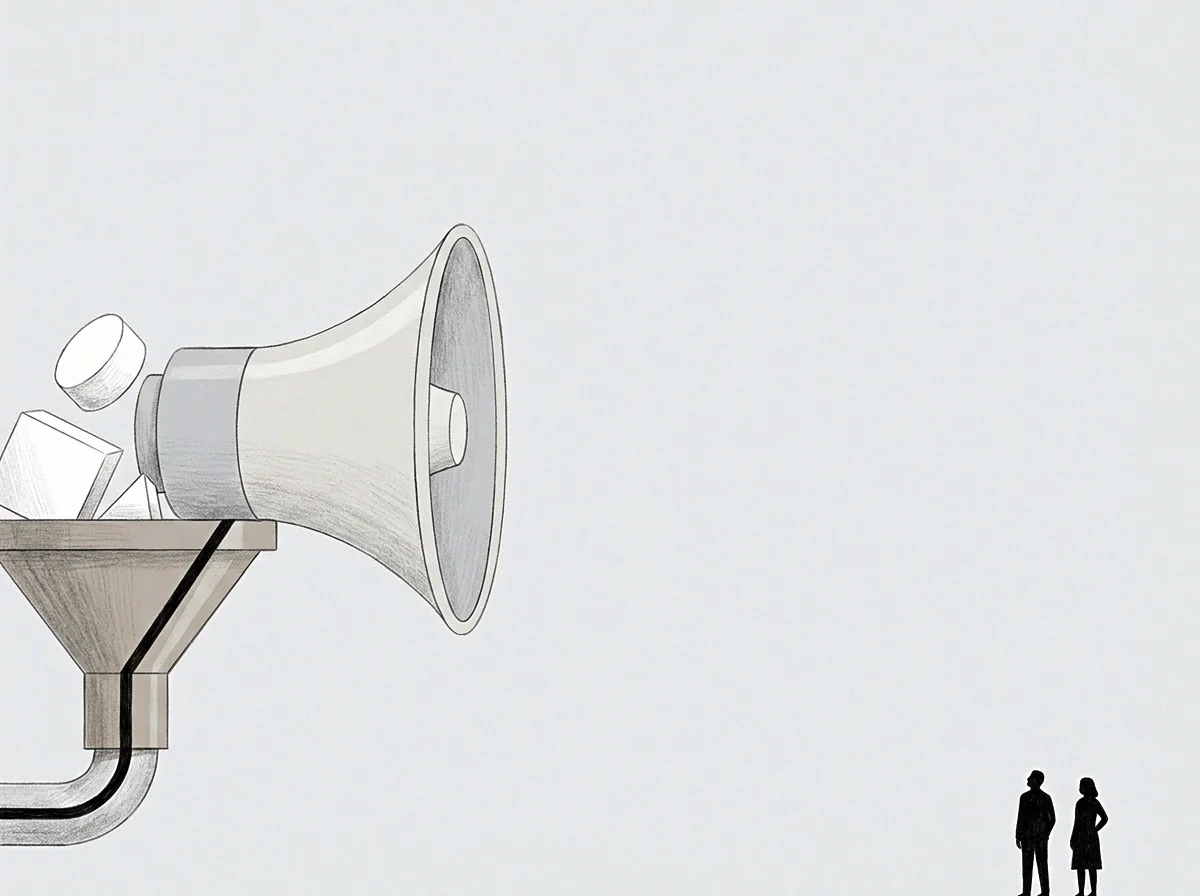
The triage interface holds. The boundary remains active. Execution protects systemic capacity.
Interruptions diminish when the cost of escalation lands on the requester rather than the engineering team.
An interrupt budget transfers the prioritization decision back to the requesting authority.
When an upstream escalation exceeds the allocated interrupt budget for a sprint cycle, the intake system automatically pauses processing until executive sponsors approve a formal scope drop from the primary delivery commitments.
Balance
Long-term operational balance emerges when structural triage mechanics mature into standard organizational behavior. Upstream teams adapt their planning cadences to align with downstream intake velocity. The friction introduced by formal triage acts as a stabilizing force across the enterprise, discouraging impulsive shifts in strategic direction.
The engineering team shifts from a reactive stance to a predictable execution pattern. The wall is visible. Pressure pushes against capacity.
The intake system provides clear data on escalation sources, frequency, and resolution costs. Organizational leadership uses this data to identify root causes of upstream volatility, such as incomplete product discovery or premature sales commitments.
Sustaining this equilibrium demands continuous alignment between technical leadership and business stakeholders. When engineering teams demonstrate consistent delivery within protected boundaries, upstream trust increases. Trust reduces the perceived need for informal escalations, reinforcing the effectiveness of the triage harness.
The structural intake interface transforms raw organizational energy into disciplined engineering execution.