

Calibrating Concurrency Limits Under Asymmetric Authority and Emergency Escalations
Calibrating concurrency limits under asymmetric authority relies on gating emergency overrides and enforcing explicit scope terms to protect cognitive headroom.
Calibrating concurrency limits under asymmetric authority relies on gating emergency overrides and enforcing explicit scope terms to protect cognitive headroom.

Intake barriers reduce architectural debt by replacing continuous human load absorption with explicit structural entry terms and batch processing queues.

Governance latency creates decision queues that exhaust executive concurrency limits, requiring deterministic latches and hard bounds to prevent throttling.

Stated intake terms filter operational load by enforcing objective submission standards before unrefined tasks enter executive processing channels.
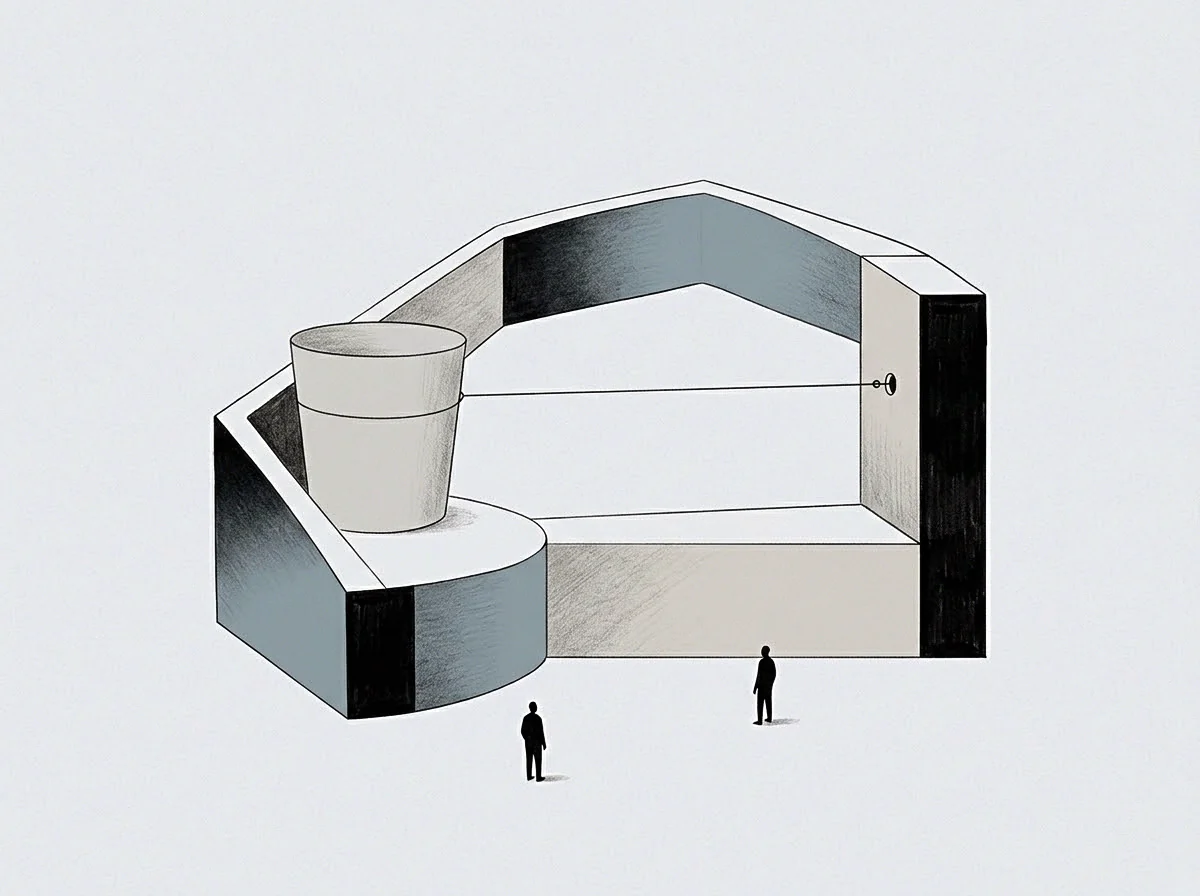
Counterparties adapt to enforced latency boundaries by probing alternative channels, consolidating query payloads, and shifting toward internal problem resolution.

Structural latency protocols enforce mandatory temporal delays between message receipt and evaluation, preserving working memory headroom for executive function.
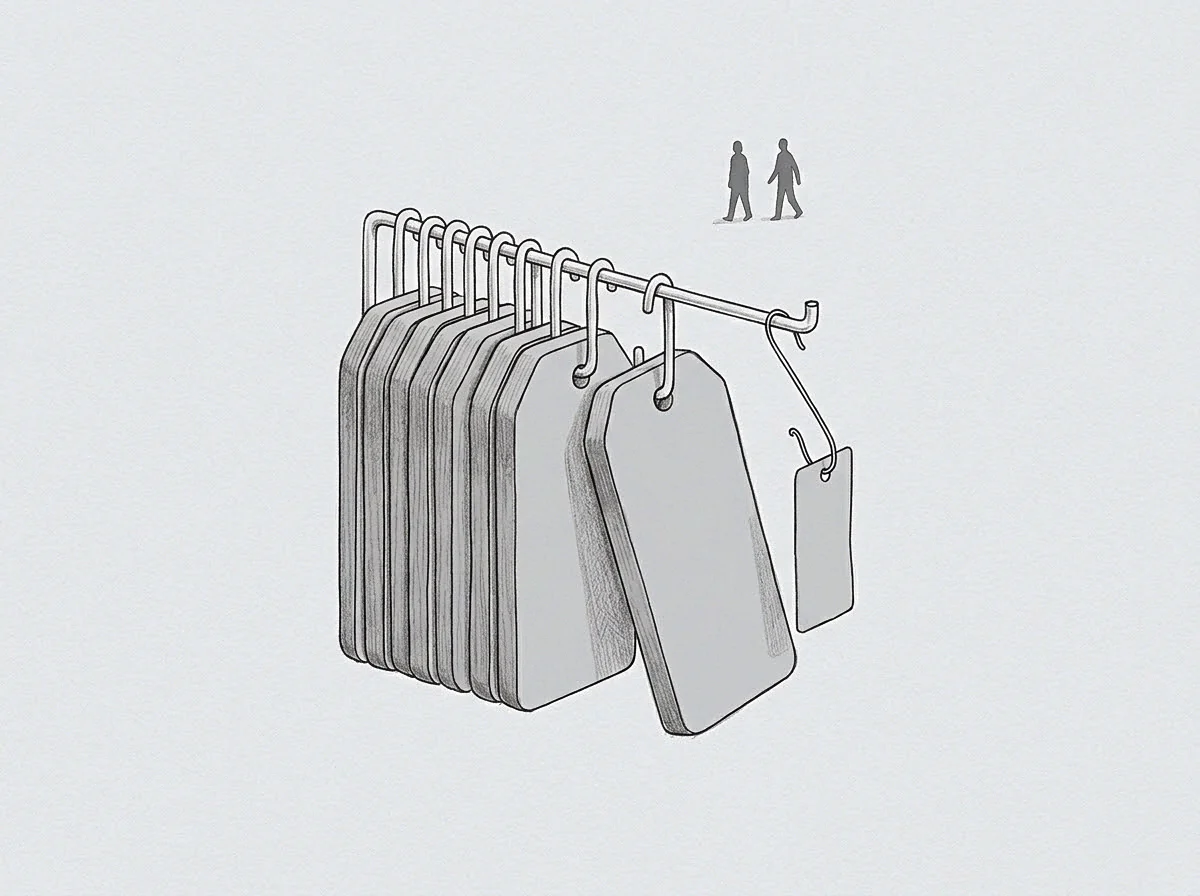
Active intake parameter configuration establishes structural barriers that preserve executive cognitive bandwidth by rejecting unstructured operational noise.
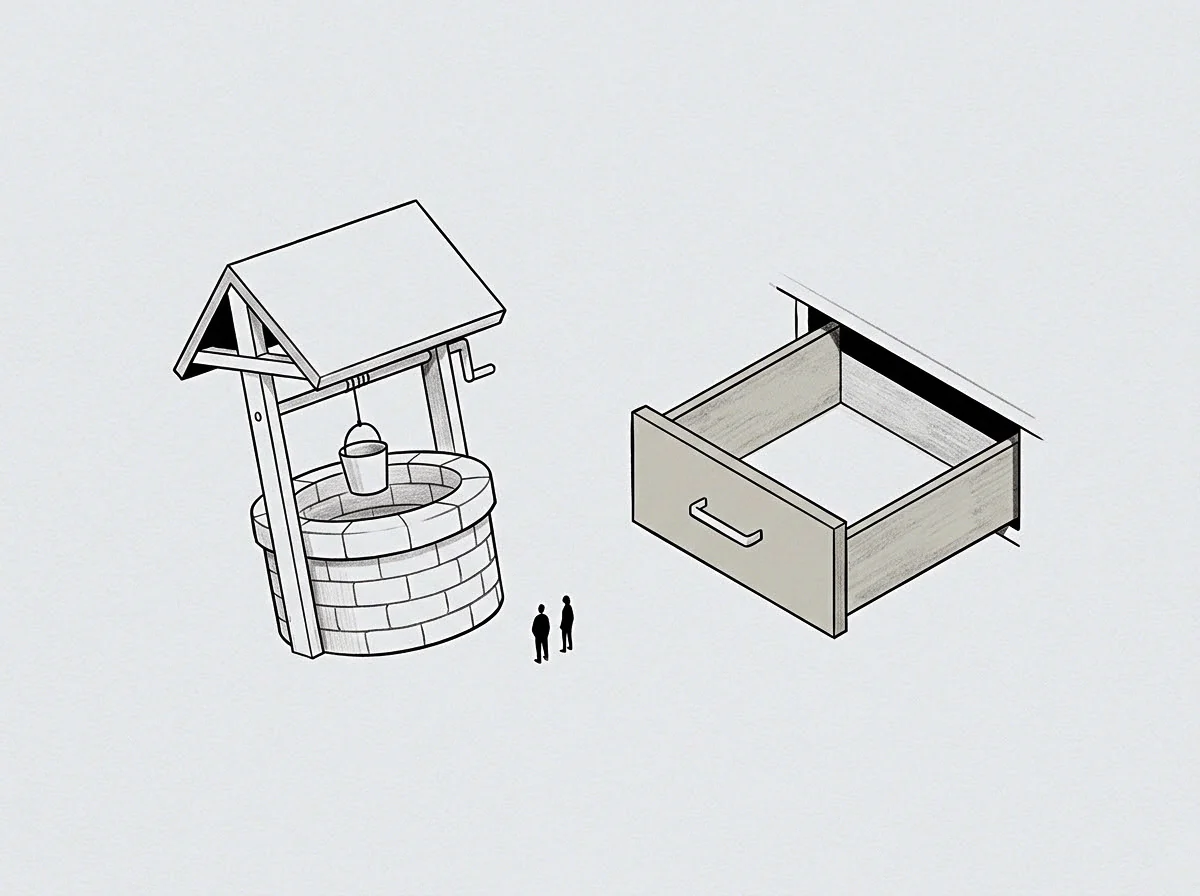
Explicit governance terms collapse into informal operational overload unless automated intake gates physically intercept and validate incoming work at the system boundary.

Systemic boundaries protect venture capacity by gating operational acts on objective system state metrics rather than continuous interpersonal decision making under load.
The terms are written where they belong. Each field holds three desks, and every entry a desk writes raises the terms it uses, each term given a meaning, a mechanism and the places it appears. The record on these pages stays first person and hand made; the fields grow the nomenclature.