
Restoring Shared Relational Baselines After Prolonged Autonomic Hyper-Vigilance In Founders
Prolonged operational threat locks the autonomic system in high alert, blocking relational co-regulation until explicit limits rebuild the baseline.
Prolonged operational threat locks the autonomic system in high alert, blocking relational co-regulation until explicit limits rebuild the baseline.
Autonomic contagion across shared workbenches occurs when micro-movements, acoustic transients, and mechanical vibrations transmit one occupant sympathetic hyperarousal directly to an adjacent worker threat detection system.
Repeated exposure to contingent co-presence during operational threat recalibrates neural budgets and constructs an earned regulatory template.
Human autonomic systems conserve energy through physical proximity, setting an absolute biological limit on how many decisions one body can stabilize.
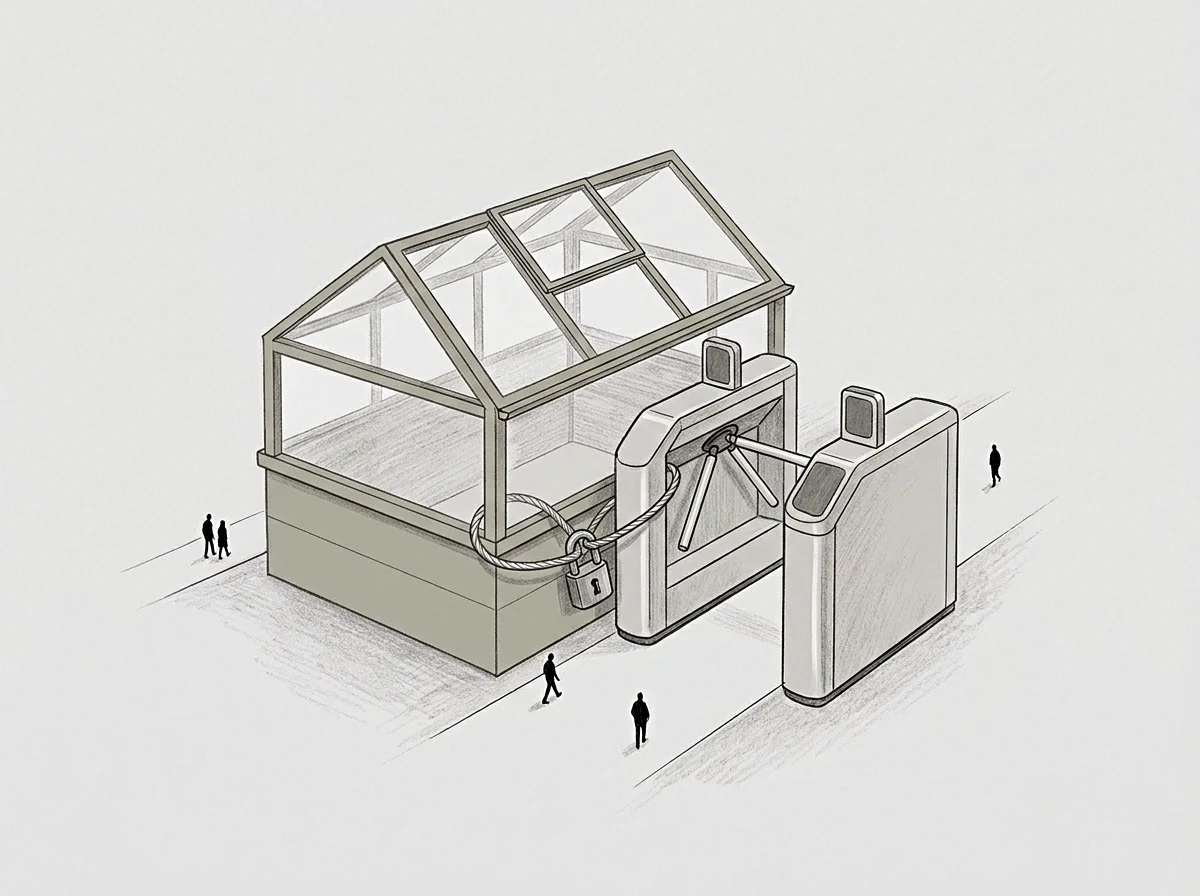
Local co-regulation capacity expands only when experienced leads absorb peripheral nervous system load through physical presence and explicit intake limits.
Shared domestic regulation requires updating defensive internal templates through repeated low-stakes reliance and structured daily physical predictability.
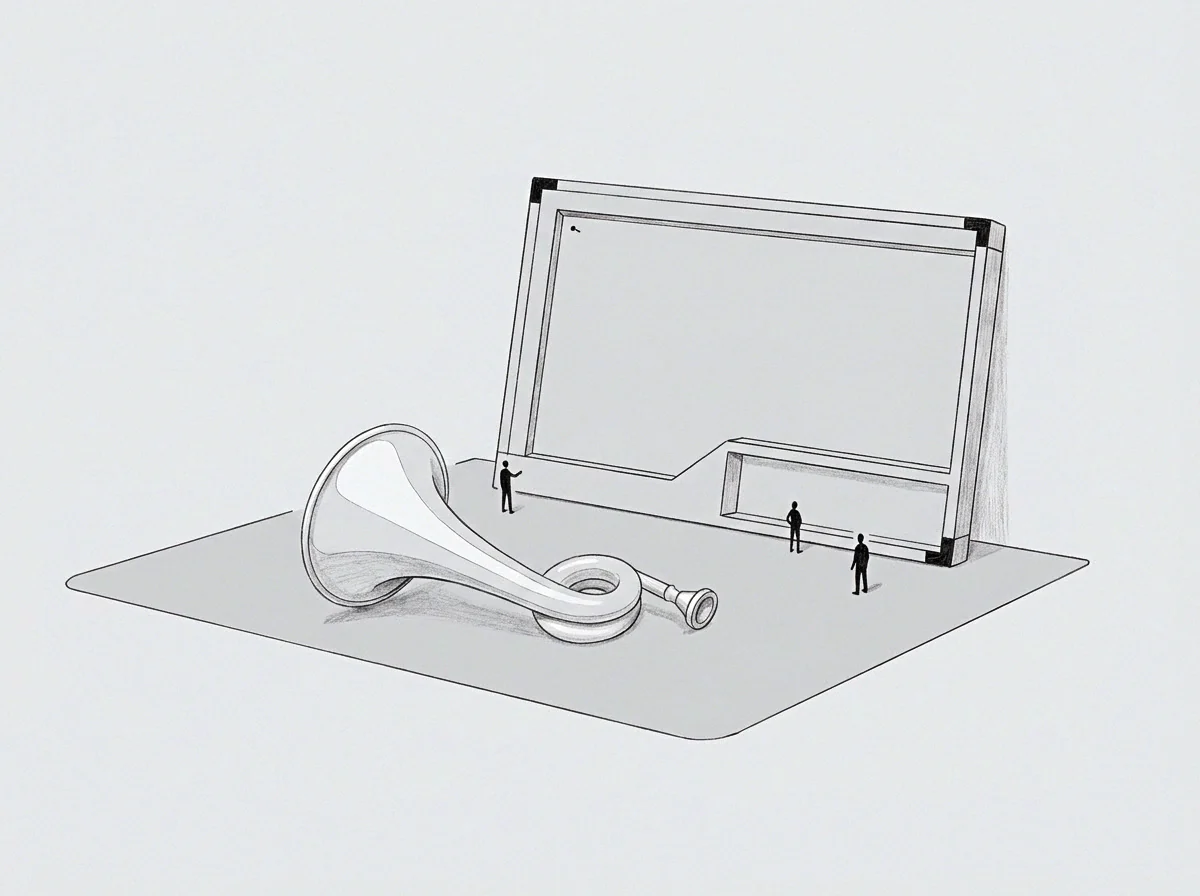
Extended structural isolation forces operators into high-cost solitary regulation, suppressing neural receptor slots needed for dyadic co-regulation.
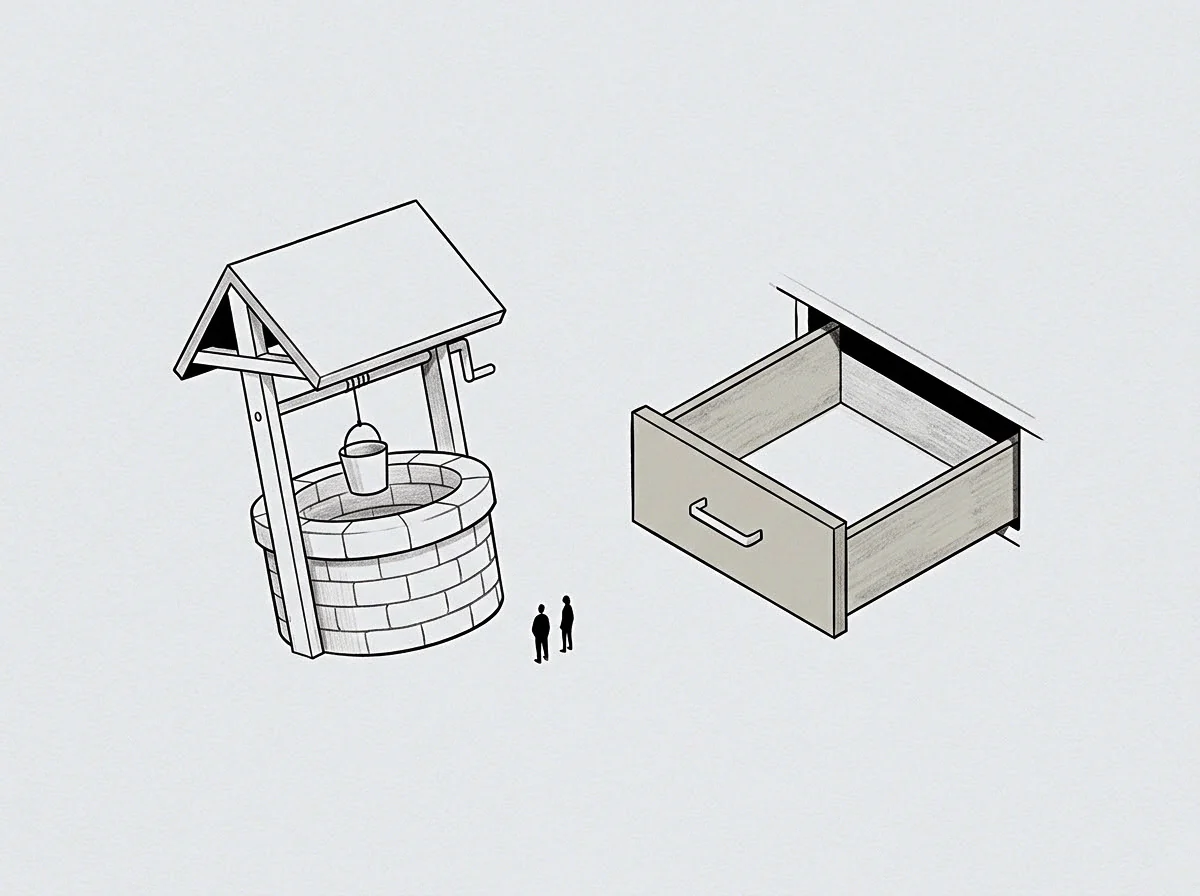
Deep strain floods threat networks, suppressing prefrontal channels and blocking the neural slots required to process external calm as a physiological subsidy.
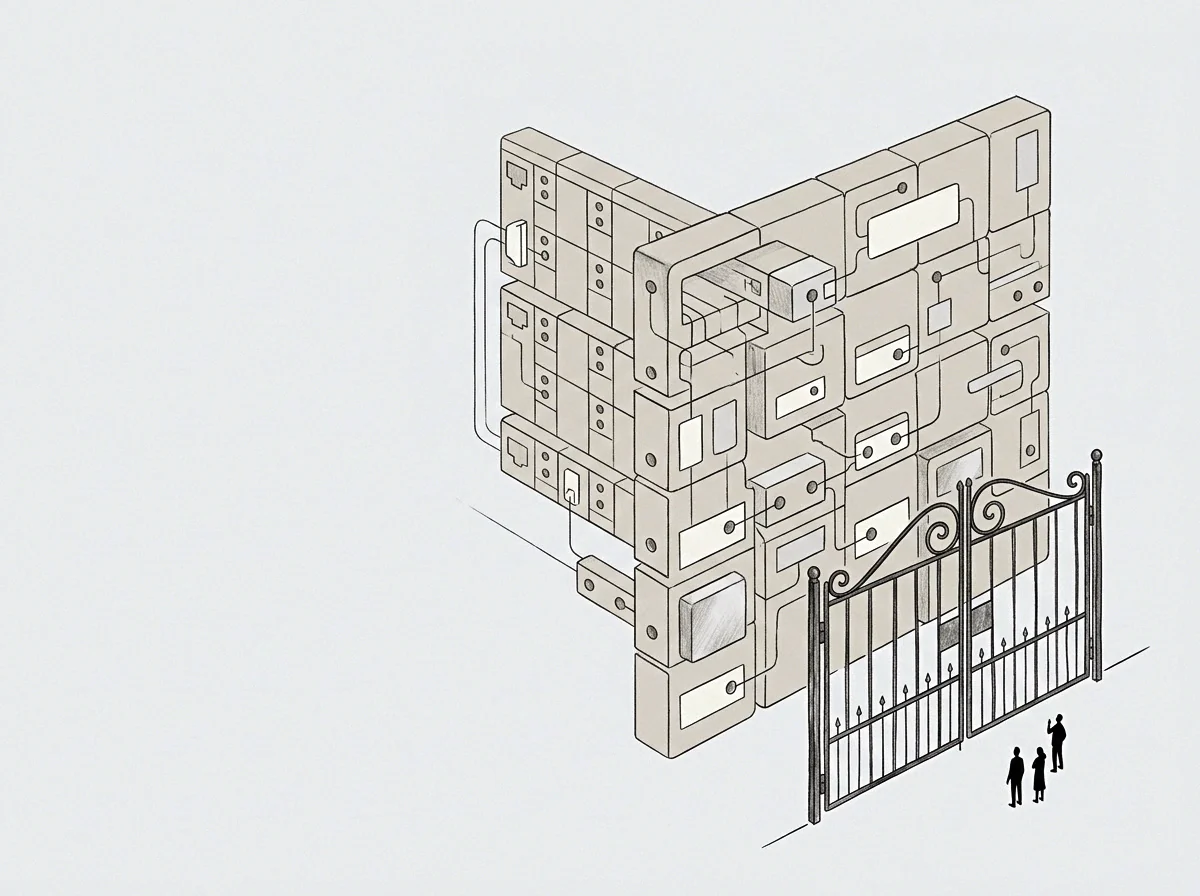
Physical proximity to a regulated partner lowers baseline autonomic threat expenditure by allowing the central nervous system to outsource environmental monitoring.
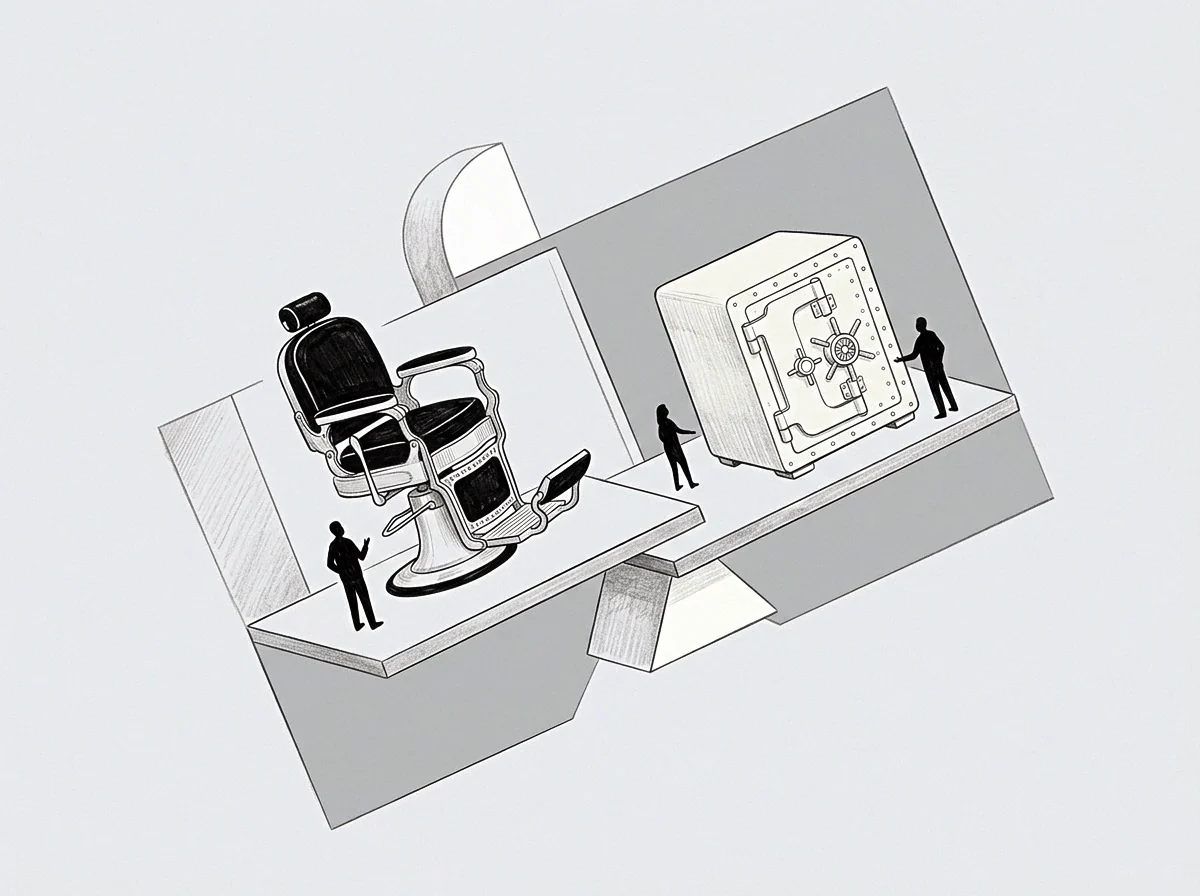
Unilateral load absorption exhausts executive neural reserves; updating internal working models requires earned security through reciprocal co-regulation.
The terms are written where they belong. Each field holds three desks, and every entry a desk writes raises the terms it uses, each term given a meaning, a mechanism and the places it appears. The record on these pages stays first person and hand made; the fields grow the nomenclature.