

Restoring Shared Relational Baselines After Prolonged Autonomic Hyper-Vigilance In Founders
Prolonged operational threat locks the autonomic system in high alert, blocking relational co-regulation until explicit limits rebuild the baseline.
Prolonged operational threat locks the autonomic system in high alert, blocking relational co-regulation until explicit limits rebuild the baseline.
Solitary executive seats collapse the receptor slot, requiring intentional exposure to symmetric non-operational presence to rebuild biological regulatory baseline.

Rebuilding adult templates under operational load requires explicit micro-contingency protocols and partner headroom to lower metabolic threat monitoring costs.

Extended solo regulation forces neural budgets to reallocate biological fuel from long-term maintenance to continuous prefrontal threat monitoring.
Executive concurrency limits emerge from biological working memory constraints when organizations offload systemic regulatory demands onto an isolated leader.
Structural authority blocks bilateral regulation by forcing lower ranks into threat monitoring, requiring explicit separation of evaluation from presence.

Solitary threat monitoring forces continuous autonomic elevation, whereas social baseline proximity distributes regulation costs across trusted counterparties.
Social baseline theory shows human brains treat proximate reliable state as energy savings, concentrating operational strain onto whoever remains regulated.

Solo regulation in executive seats raises neural threat monitoring costs, consuming prefrontal energy reserves that co-regulated structures preserve.

Capital scarcity accelerates executive exhaustion by converting financial buffer deficits into unsustainable interpersonal baseline borrowing across leadership dyads.
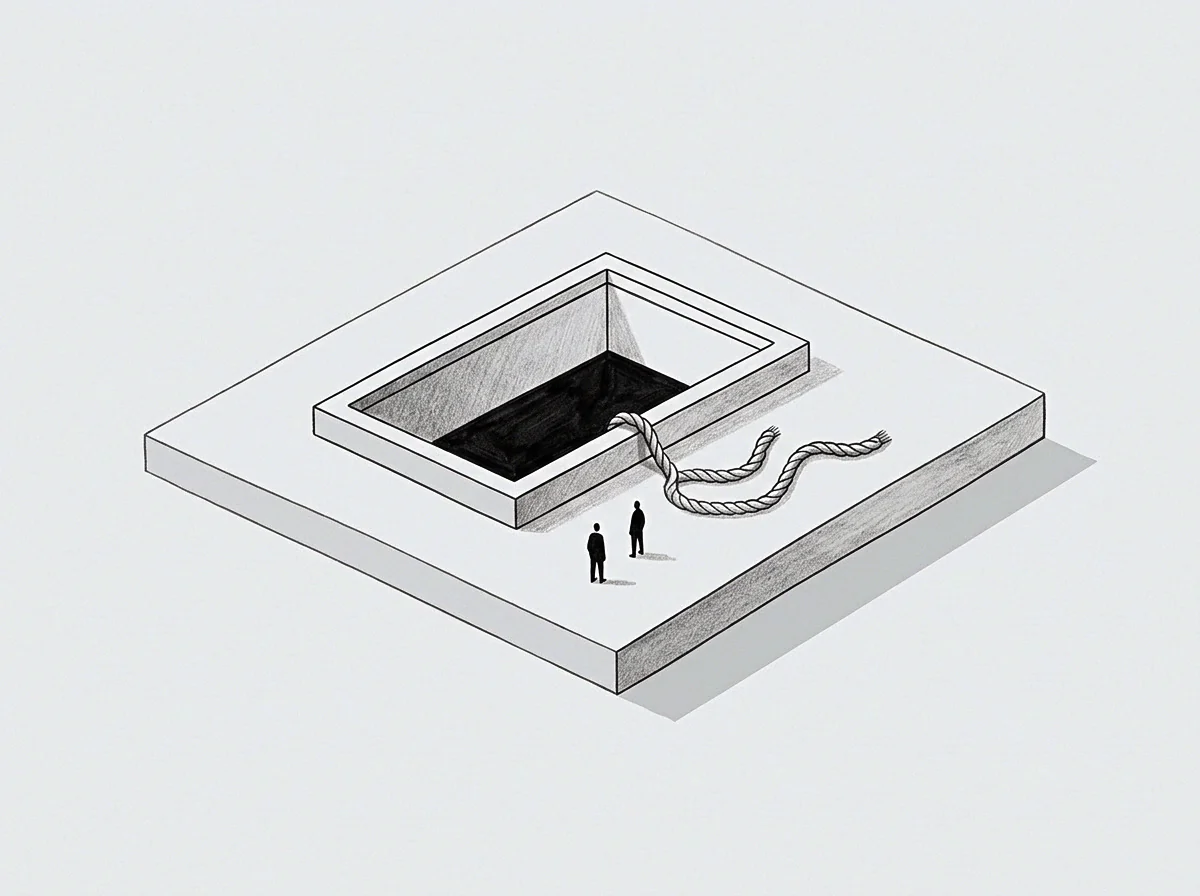
A backward regulator template compels founders to absorb team anxiety, misallocating capital to soothe executive friction rather than funding output.
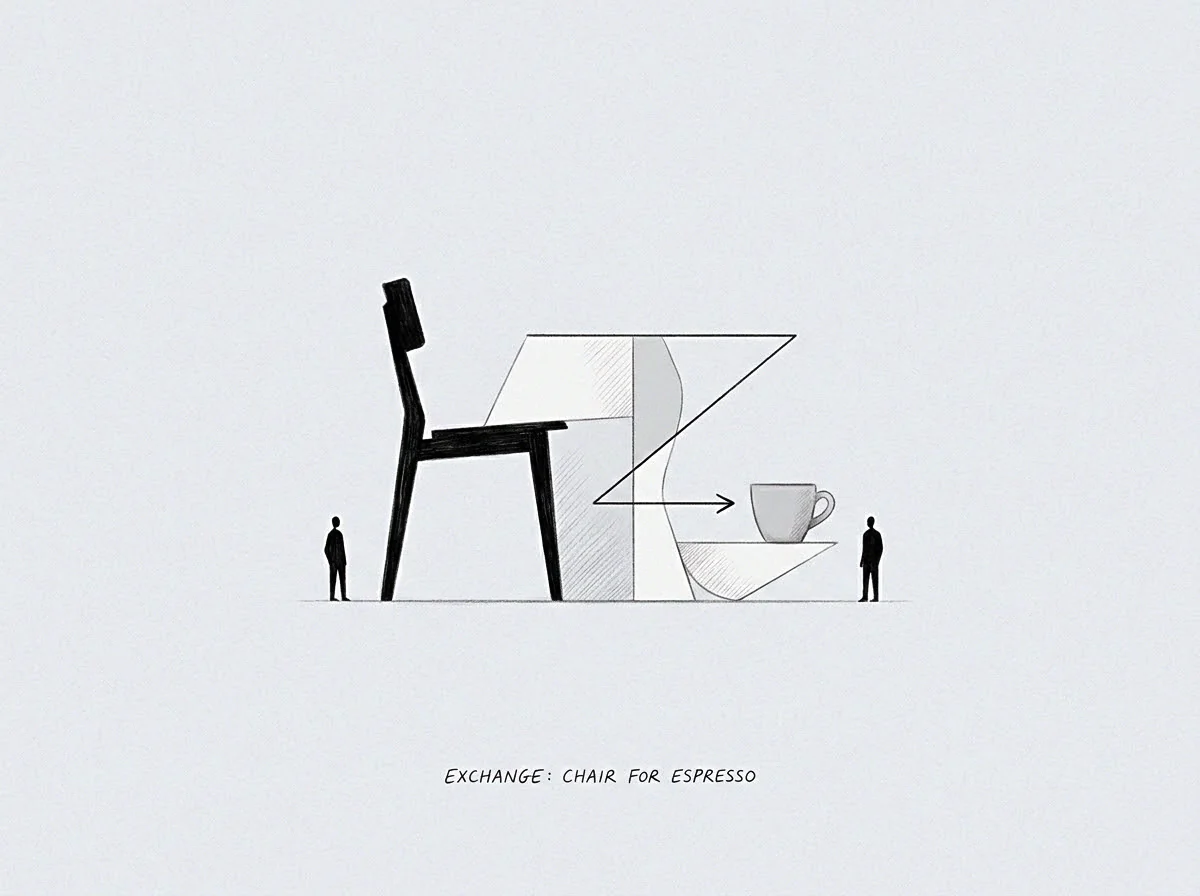
Social baseline economics shows that professional dyads share regulatory load, where one partner's steady physiological state lowers another's metabolic stress cost.

Extended isolation recalibrates the central nervous system to treat dyadic proximity as a metabolic load rather than a co-regulatory buffer.
The terms are written where they belong. Each field holds three desks, and every entry a desk writes raises the terms it uses, each term given a meaning, a mechanism and the places it appears. The record on these pages stays first person and hand made; the fields grow the nomenclature.