Meaning
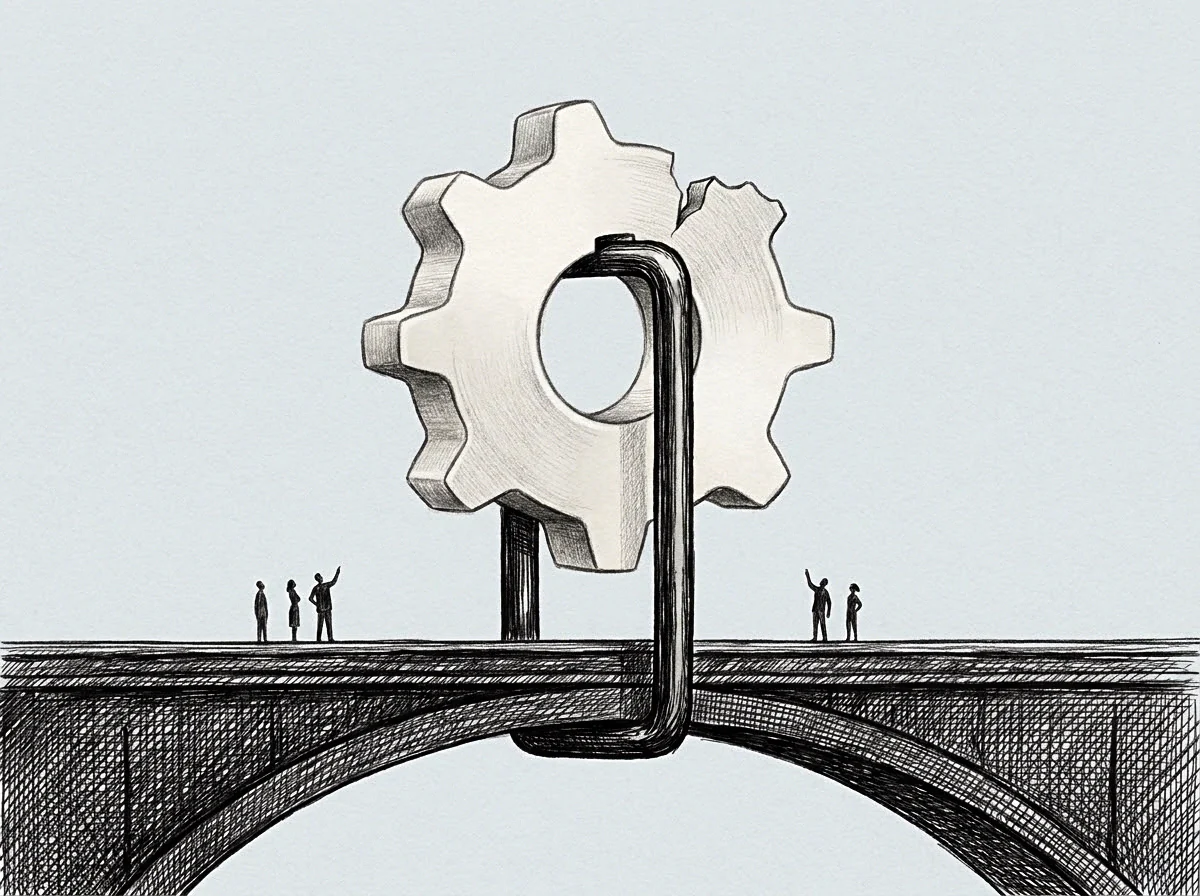
Structural rate-limiting architectures intercept incoming institutional signals before those signals reach executive attention surfaces. By establishing gated communications, an organisation introduces asynchronous staging buffers between operational disturbances and executive evaluation. The methodology governs the perimeter of founder attention, enforcing rigorous informational triage across every inbound request.
It ceases to apply when operational emergencies breach predetermined criteria and trigger raw signal bypass.
Filter Architecture
Intermediary screening layers apply invariant criteria to evaluate urgency, actionable scope and operational relevance. Under gated communications, inbound queries must carry complete diagnostic documentation and clear proposed solutions before landing on executive queues. Staff gatekeepers or automated rules intercept routine administrative noise, minor priority conflicts and ambiguous requests.
Incoming information undergoes compulsory compression and synthesis.
Attention Conservation
Deep preservation of continuous cognitive focus rewards the deliberate deployment of informational barriers. Reducing arbitrary interruptions lowers the metabolic tax incurred by involuntary cognitive context-switching. The founder spends focused blocks of uninterrupted time on high-leverage organizational architecture.
The system converts volatile ambient pings into scheduled, predictable review cycles.
Bypass Rupture
Severe systemic failures demand immediate, low-latency transmission channels that circumvent all screening protocols. When an acute security breach or regulatory crisis occurs, rigid gated communications can delay urgent interventions. The architecture must possess explicit, testable criteria for immediate escalation.
The efficacy of gated communications depends entirely on the disciplined maintenance of these emergency bypass paths.