Meaning
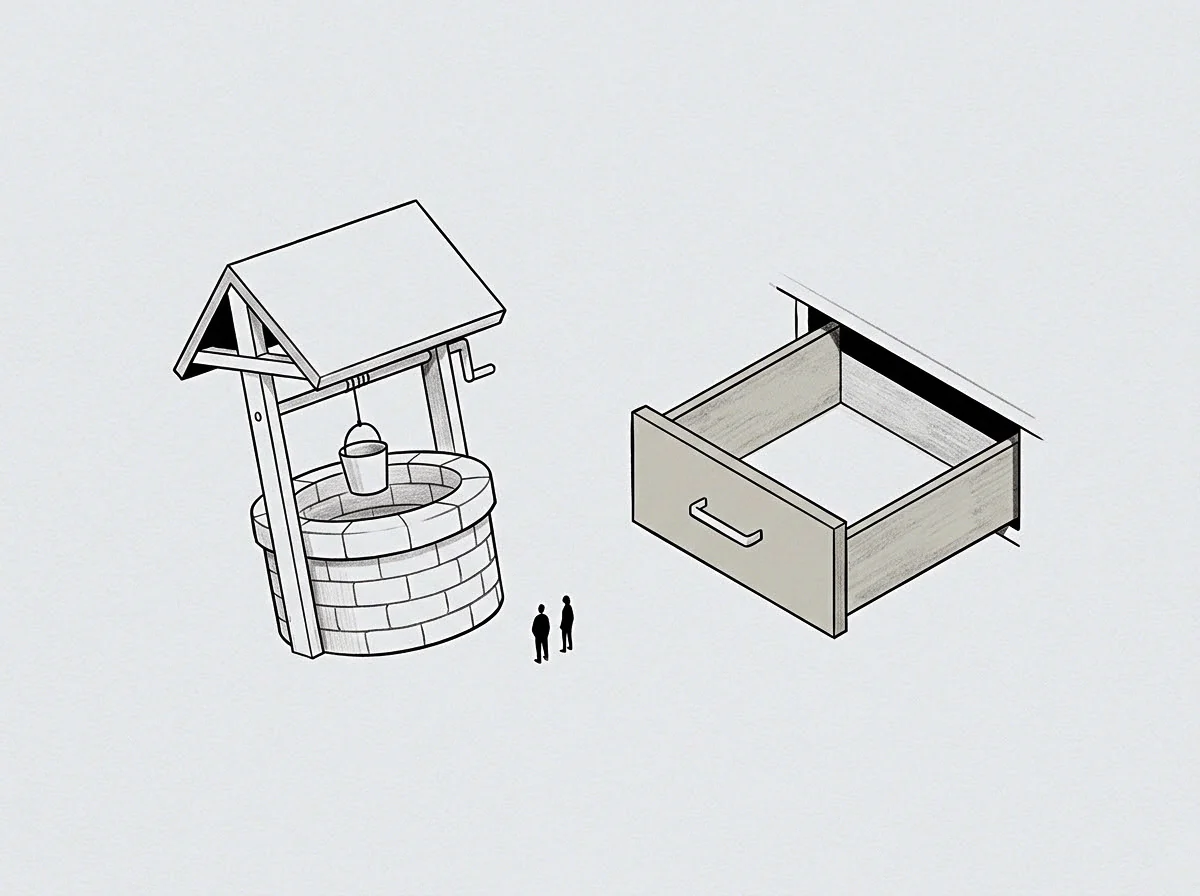
A systematic reduction in the baseline psychological or operational reserve occurs when persistent demands exceed restorative intervals. Under conditions of baseline compression, the founder operates with a permanently diminished buffer for decision making. This state restricts the capacity to absorb unexpected operational shocks.
Capacity Cost
High cognitive loads consume the remaining margin of safety required for long-term planning. When baseline compression takes hold, daily operational routines demand a disproportionate share of executive attention. The result is a persistent state of vigilance that increases the personal cost of routine operations.
An executive must dedicate scarce mental energy to simple tasks, leaving little room for strategic foresight. This depletion leads to slower response times and heightened sensitivity to minor disruptions, which further erodes the remaining operational reserves.
Restorative Action
Systematic recovery requires deliberate structural boundaries to prevent complete failure. A founder can counter baseline compression by delegating critical decision-making authority or establishing rigid periods of offline availability. These interventions restore the necessary operational buffer over time.
Boundary Condition
The phenomenon ceases to apply once the absolute volume of incoming demands falls below the threshold of natural recovery. While baseline compression persists during active scale-up phases, it dissolves when the organizational structure matures and stabilizes.