
Managing Operational Demands Against Stated System Limits
A stated limit functions as a wall only when operational intake halts automatically at capacity without relying on ongoing personal refusal.
Floor
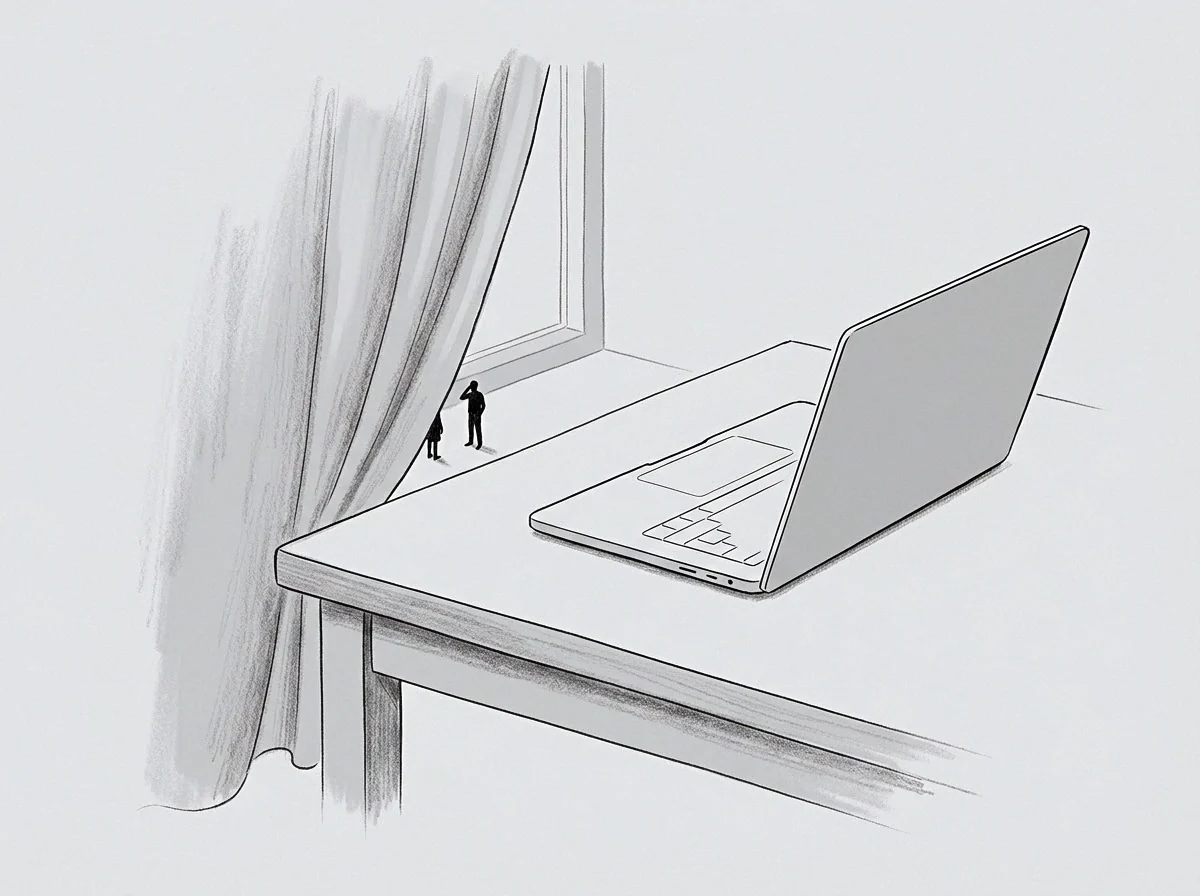
Four incoming client escalation notices sat unread across two messaging clients while a project lead requested a fifth release exemption before midnight. The operator had stated forty hours of engineering capacity for the sprint during the Monday planning assembly. Demands kept arriving at a sixty-hour equivalent run rate, directed straight into individual team members’ communication channels.
The stated limit existed on paper, yet incoming traffic moved as though capacity were infinite. Incoming load treated the boundary as fictional because past delivery had always absorbed overages through human elasticity.
When a system sets an intake threshold without a mechanical refusal point, outside parties treat the limit as an opening bid. Work naturally flows toward whatever node offers the least resistance. A stated ceiling has no practical reality until a task hits a hard boundary and stops.
The difference between a ceiling and a wall is simply whether overflow is absorbed through hidden effort or turned away at the perimeter.
A stated intake limit remains an operational fiction until incoming volume encounters an automated refusal independent of personal compliance.
A founder who absorbs emergency volume creates an immediate systemic distortion. Counterparties calibrate expectations against observed response times rather than formal service agreements. When an unbudgeted request receives immediate attention, the requesting party updates its model of capacity.
Overages absorbed without friction signal that the stated limit was precautionary language rather than a physical constraint. The operator carries the physical strain of compression while the external system registers total stability.
Intake friction belongs at the outer interface, not inside the core work cycle. When an organization relies on staff to absorb variance, the operational floor degrades quietly. Team members process secondary tasks during recovery intervals, shortening technical reviews and deferring maintenance.
Unmanaged demand ultimately drains discretionary attention across the entire unit.
Valve
Where Does Demand Go When Refused?
Rejecting operational volume pushes load back onto the sender. In basic queuing theory, a transaction exceeding limits is queued, slowed, or dropped. Many teams try to manage excess load through personal restraint rather than structural shedding, but self-restraint fails under repeated pressure.
Physical throttle valves operate mechanically, closing intake pathways automatically when pressure trips a threshold regardless of urgency.
A clear refusal creates immediate friction at the boundary. The requester hits an unexpected stop, forcing them to prioritize internally instead of offloading that work onto the receiving team. Biological systems do this constantly: when cellular intake saturates, membrane channels down-regulate receptors to halt transport.
In administrative teams, operators often bypass their own rules to spare counterparties the discomfort of waiting.
An operational limit stated once transfers intake prioritization back to the sender as soon as processing halts.
Systemic backpressure requires distinct behavioral configurations at the interface layer:
- Hard shedding drops incoming assignments as soon as quotas are met, skipping manual review.
- Buffered sequencing places incoming tasks into a fixed execution queue that rejects manual priority overrides.
- Tariff escalation charges high fees for requests demanding work outside standard turnaround windows.
- Asynchronous isolation cuts off real-time channels, forcing requesters to submit tickets through static forms.
A state-gated action works differently from a decision-gated one. A decision-gated setup requires an operator to evaluate circumstances and actively choose refusal every morning, draining energy over time. A state-gated action relies on preset conditions: when the system hits capacity, intake closes mechanically.
The operator makes no choices during a crisis. Resistance stops being a personal confrontation and becomes a feature of the infrastructure.
Refusing an assignment without mechanical enforcement invites negotiation. Declining verbally while leaving the channel open encourages counterparties to press harder, treating personal refusal as temporary hesitation. Ambiguity reads as latent availability.
When the intake valve follows fixed rules, bargaining stops against structural reality.
A process boundary left unguarded by automation turns every incoming request into a fresh negotiation over authority.
Table
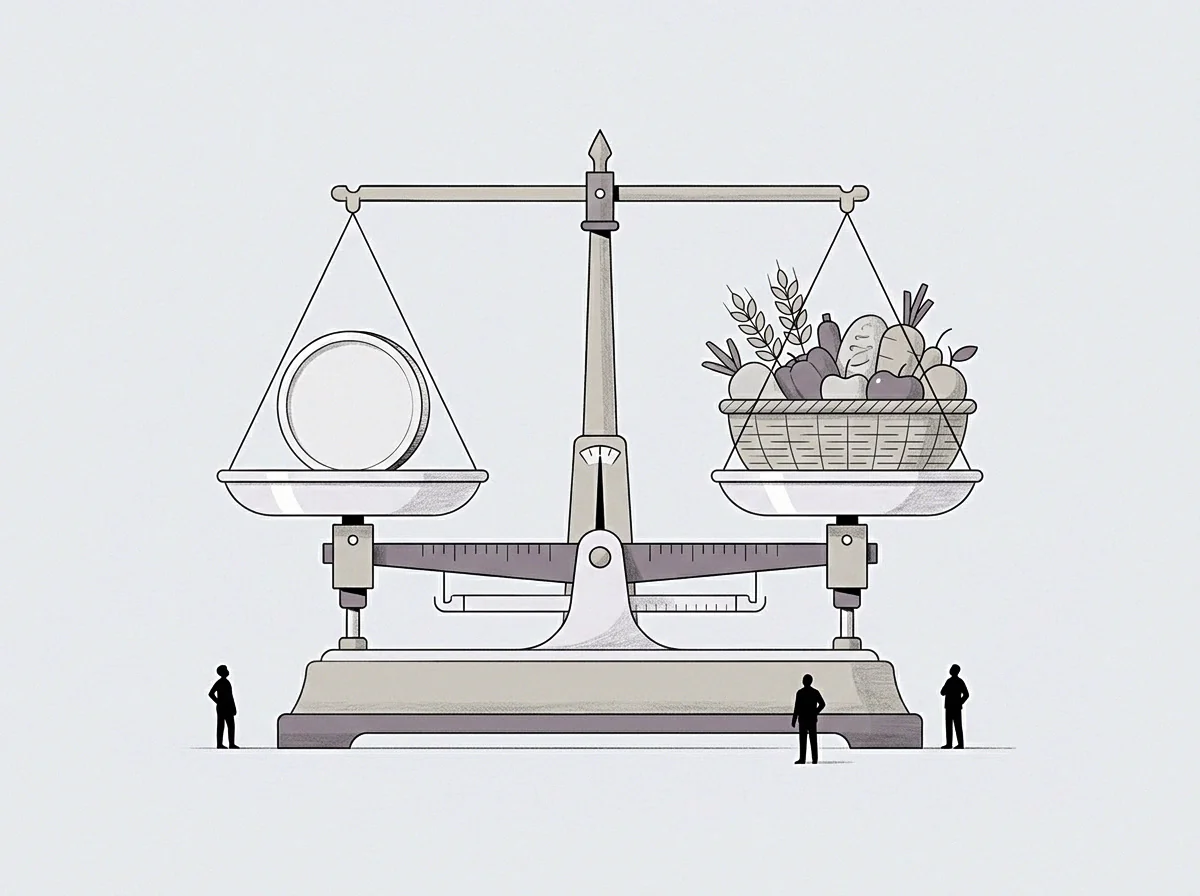
Comparative Capacity Protections Across Operational Interfaces
Systemic isolation methods vary in enforcement strength, maintenance overhead, and counterparty friction. Choosing an intake model requires evaluating how much authority a team holds relative to external stakeholders. A small vendor serving enterprise accounts faces different constraints than executive leadership managing department heads.
The design of the interface determines whether limits hold during volatile periods.
Consider two operational units in a tech organization handling custom feature requests. The first relies on informal agreements between project managers. The second uses fixed intake intervals governed by automated deployment pipelines.
When seasonal demand doubles, the first unit suffers severe delays and resignations. The second unit rejects forty percent of incoming briefs at the perimeter without human intervention, maintaining velocity on accepted work.
| Mechanism Type | Primary Enforcement Node | Counterparty Response Profile | Failure Condition |
|---|---|---|---|
| Discretionary Refusal | Individual operator judgment | Persistent interpersonal lobbying | Operator fatigue during high-friction periods |
| Contractual Quota Allocation | Legal service level agreement | Formal escalation through hierarchy | Executive concession during revenue renewals |
| Mechanical Pipeline Gate | Automated submission software | Self-directed triage of work packages | Creation of unauthorized shadow communication paths |
| Economic Friction Surcharge | Dynamic price adjustments | Selective submission of high-value tasks | Client willingness to spend unlimited budget |
Enforcement mechanisms that depend on constant personal advocacy collapse under high volume. An operator confronting six concurrent priority demands cannot maintain complete detachment. Counterparties take advantage of natural helpfulness, framing routine requests as emergencies.
Mechanical gates remove interpersonal leverage from the equation, declining input without apology or variance.
An operational charter holds authority only when the underlying contract specifies clear financial remedies for perimeter breaches.

Ping

Signal Density and Derived Availability
Availability is derived rather than announced. Outside counterparties do not evaluate capacity through policy documents or email signatures; they judge it by response latency. A founder who answers an inquiry within four minutes at eleven on a Sunday evening reveals actual capacity.
That response speed sets the real standard, while formal disclaimers are ignored because live behavior shows the boundary yields under pressure.
A silent channel communicates limits without negotiation. When an incoming notification encounters zero acknowledgment until the next scheduled intake cycle, the sender recalibrates. People adjust quickly to inanimate obstacles.
A pedestrian does not argue with a locked granite wall; they find another path. By contrast, a door that opens intermittently invites repeated knocks. Intermittent reinforcement produces persistent querying behavior.
A delayed response communicates structural unavailability far more clearly than a prompt explanation.
A channel that does not ping is rarely used for genuine emergencies. Removing real-time notifications from primary workspaces breaks the expectation of instant responses and forces outside teams to resolve routine issues internally. Across engineering organizations, roughly one-third of urgent operational queries resolve themselves if the receiving team enforces a ninety-minute response buffer.
Teams often confuse operational presence with control. Sitting inside a live communication stream creates a feeling of active management while destroying uninterrupted focus. A steady flow of micro-demands fragments attention, shifting work away from structural execution into shallow triage.
Maintaining focus requires treating incoming notifications like an untrusted network connection that needs strict filtering.
The task was flagged as critical, yet when left unanswered for four hours, the sender located the document in the shared drive and completed the work independently.
Shed
Shedding operational volume is necessary for overloaded teams. Physical systems operate within finite budgets, yet organizations often pretend those limits apply only to machinery. When a team reaches capacity, something drops.
If non-essential tasks are not dropped intentionally, quality, health, or retention will fail unpredictably. Deliberate shedding chooses the trade-off in advance.
Managing multiple operational streams conceals real structural liabilities. An operator handling sixteen open client engagements experiences high strain from constant context-switching. That cost builds up silently.
Sustained pressure degrades judgment long before failures become obvious, even while the individual believes they are managing the workload.
Deliberate shedding selects the operational loss vector rather than leaving systemic failure to ambient pressure.
Social baseline theory indicates that human nervous systems calculate effort based on perceived environmental support. Without reliable boundaries, the cost of everyday performance rises sharply, as the body treats an unmanaged intake channel as a constant threat. True stability comes from building external structures that divert incoming volume automatically without requiring continuous personal defense.
Establishing firm limits creates immediate friction and disappointment. While that short-term social discomfort feels high, it is the price of long-term operational viability. The alternative is a slow erosion of capability that eventually leads to sudden breakdown.
Whether an operational unit can permanently shed volume without losing commercial relevance is a question every team resolves through experience.