
Social Baseline Deficits in High Isolation Leadership Roles
Solitary leadership roles remove biological co-regulation cues, shifting threat management to expensive self-regulation and driving allostatic load.

Isolation
Four messaging channels sit open past midnight while thirty operational queries wait for sign-off. The founder sits alone in an office, reviewing liquid runway projections while reading emergency escalations from department heads. Each incoming message presents a state of friction that demands stabilization.
The operators on the other end of those threads receive clear instructions, steady tone, and explicit direction. They close their laptops with lowered physiological arousal. The founder remains in the seat, holding elevated heart rate and unmitigated neural threat vigilance long after the screens go dark.
Isolation alters physiological threat calculations. The structural removal of nearby competent peers leaves the executive brain as the single regulatory node for the enterprise.
Social Baseline Theory establishes that the human nervous system defaults to assuming proximity to reliable conspecifics. When physical or relational proximity is present, the brain offloads metabolic threat monitoring to the environment. In high isolation leadership roles, that environmental buffer disappears.
The seat demands continuous baseline stability for the organization, yet offers no incoming co-regulatory signal to the person occupying it. The body tracks distance. Without direct access to a counterpart who can share threat perception, the leader switches to primary self-regulation, the most metabolically expensive operating mode available to human physiology.
An executive seat structurally isolates the holder from the daily proximity cues that suppress physiological baseline arousal.
Structural Separations in Executive Seats
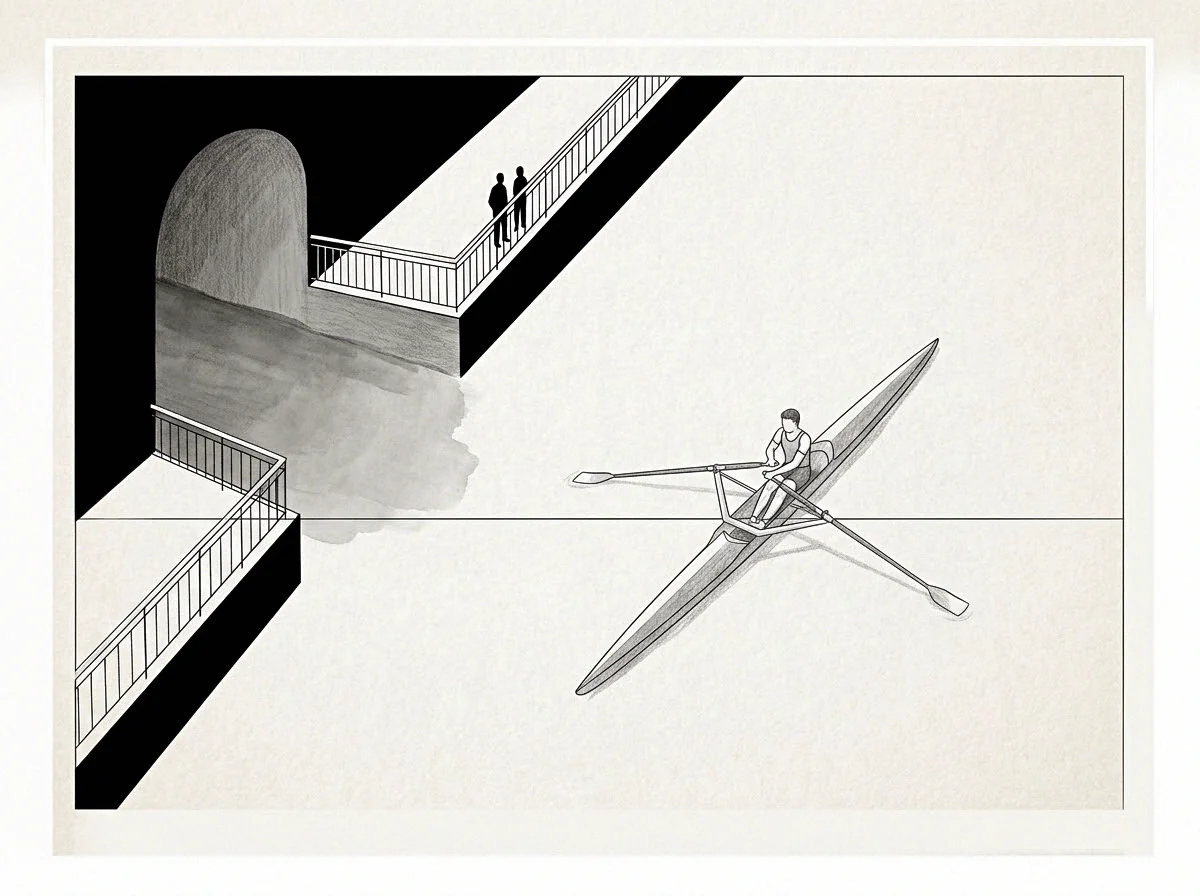
Isolation in chief executive or solo founder roles is rarely a matter of empty rooms. Executive calendars remain packed with continuous back-to-back interactions. These interactions are fundamentally asymmetric.
Every direct report, investor, and vendor enters the room to draw direction, assurance, or resolution from the leader. The leader functions as the environmental baseline for everyone present. The presence of twenty employees expecting direction increases baseline metabolic expenditure rather than lowering it.
Relational distance widens as organizational complexity expands. Governance requirements and fiduciary boundaries restrict what a founder can disclose to team members. The inability to share operational anxiety creates an invisible wall between the leader and the organization.
The leader suppresses distress signals to maintain institutional confidence. This prolonged emotional masking sends continuous feedback to the hypothalamus, signaling that the environment is unsafe and demands ongoing vigilance.

The Solitary Regulation Trap
Self-regulation costs real energy. The brain consumes glucose and oxygen at elevated rates when forced to manage environmental risk without social baseline resources. Over extended periods, this continuous expenditure produces allostatic load, the wear and tear on tissue and biological systems under chronic stress exposure.
The isolated leader experiences this load as cognitive fatigue, shortened decision horizons, and an inability to return to baseline calm during rest windows.
The trap deepens because high performance under isolation is culturally rewarded. Board members and investors interpret solitary endurance as executive strength. The organization adapts to the leader’s unyielding availability by transferring more complex friction upward.
Load shifts to self-regulation. The system treats the isolated leader as an infinite energy source, accelerating biological depletion while maintaining operational output until structural failure occurs.

Budget
The human brain calculates threat management through a strict biological budget. Social baseline research demonstrates that proximity to a trusted partner decreases neural activation in the ventral anterior cingulate cortex and right anterior insula when anticipating painful or threatening events. When isolation is maintained, the brain registers the environment as fundamentally harder to navigate.
The body treats solitary action as an exception state that requires maximum biological investment.
In high isolation leadership roles, this energy equation operates in perpetual deficit. The executive brain processes market shifts, cash flow constraints, and talent loss without the neural discounting that occurs in co-regulatory partnerships. The metabolic cost of predicting outcomes, suppressing panic, and maintaining operational momentum falls entirely on one physiological system.
Unilateral output drains capacity. The body cannot sustain maximum threat monitoring indefinitely without reducing expenditure elsewhere.
Metabolic expenditure scales exponentially when threat monitoring occurs without physical or relational proximity to a trusted counterpart.

Metabolic Conservation and Proximity Principles
Social baseline mechanisms function on conservation logic. Evolution optimized the nervous system to share the metabolic work of vigilance, foraging, and defense across a group. Proximity is not a comfort preference; it is a metabolic conservation strategy.
In a functioning peer baseline, the mere presence of an equal counterpart who shares accountability signals to the brain that threat load is divided. Neural threat monitoring scales down, cortisol secretion decreases, and executive function operates with lower energy consumption.
When a leader operates in structural isolation, the brain recalculates environmental risk as if the individual were entirely alone in a hostile landscape. The prefrontal cortex must work harder to synthesize information and manage risk. This extra work requires continuous glucose consumption, leading to metabolic exhaustion.
The isolated leader feels physically exhausted after a day of sitting at a desk because the neural expenditure of unshared threat regulation equals that of heavy physical labor.
The Price of Unshared Threat Perception
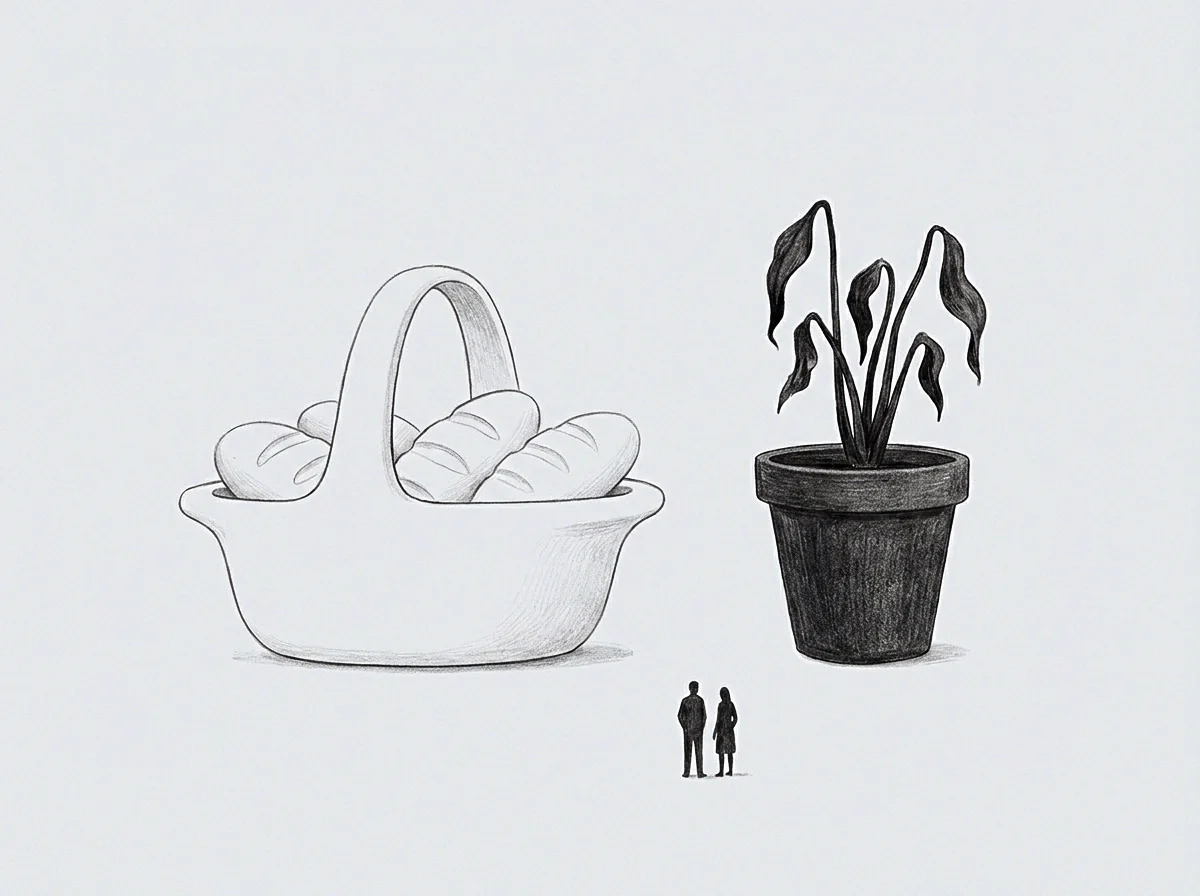
Threat management in a company involves continuous scenario planning. An isolated founder evaluates competitor moves, regulatory shifts, and runway limits in a cognitive silo. Without a co-regulatory counterpart to validate or soften risk signals, every potential hazard receives full biological priority.
The nervous system stays locked in sympathetic dominance, preparing for action that never resolves into physical release.
The baseline drops. Prolonged operation in this high-cost state leads to physiological throttling. The brain begins protecting its remaining energy reserves by down-regulating empathy, curiosity, and strategic perspective.
The leader becomes reactive, hyper-focused on immediate relief, and defensive against minor operational disruptions. The enterprise mistakes this state for poor leadership attitude, failing to recognize it as the predictable biological consequence of a depleted regulatory budget.

Template
Early relational experience shapes an internal working model of how regulation occurs. A person who learned that others are reliable sources of calm develops an open regulatory template. This template contains a functional receptor slot for receiving support, allowing the individual to attach to a counterpart’s calm state when their own capacity drops.
Conversely, a person who learned early that they must serve as the stabilizing presence for dysregulated caregivers develops a backward template. They internalize a model where regulating themselves and holding others are identical operations, leaving no structural opening for receiving co-regulation.
Founders and senior executives frequently possess this backward template. They naturally gravitate toward high-isolation roles because being the sole baseline feels familiar and controllable. In these seats, their capacity to hold stability for an entire enterprise looks like earned resilience.
Beneath that surface stability, the receptor slot remains closed. When a board member, partner, or executive peer offers genuine presence or shared burden, the isolated leader reads the offer as an anomaly or an additional operational demand. The offer fails to land, and the internal regulation budget remains unsupported.

What Sustains Social Baseline Deficits Over Time?
The continuous cycle of unilateral regulation is self-reinforcing. The isolated leader operates on an internal working model that equates safety with total control, preventing the very relational proximity that could restore biological baseline functioning.
- Initial Load Accumulation occurs when the executive absorbs organizational stress without establishing reciprocal regulation channels, relying exclusively on willpower and self-soothing mechanisms.
- Proximity Signal Rejection manifests when the leader interprets relational gestures or offers of help from colleagues as competence deficits or threats to operational autonomy.
- Allostatic Strain Escalation develops as prolonged solitary threat monitoring exhausts neuroendocrine reserves, elevating baseline inflammation and disrupting sleep architecture.
- Systemic Throttling Phase arrives when the nervous system forces operational shutdown, reducing cognitive scope and emotional availability to conserve remaining biological resources.
A regulator who interprets every relational offer as a task demand inevitably converts proximity into structural fatigue.
The One Way Regulator Architecture
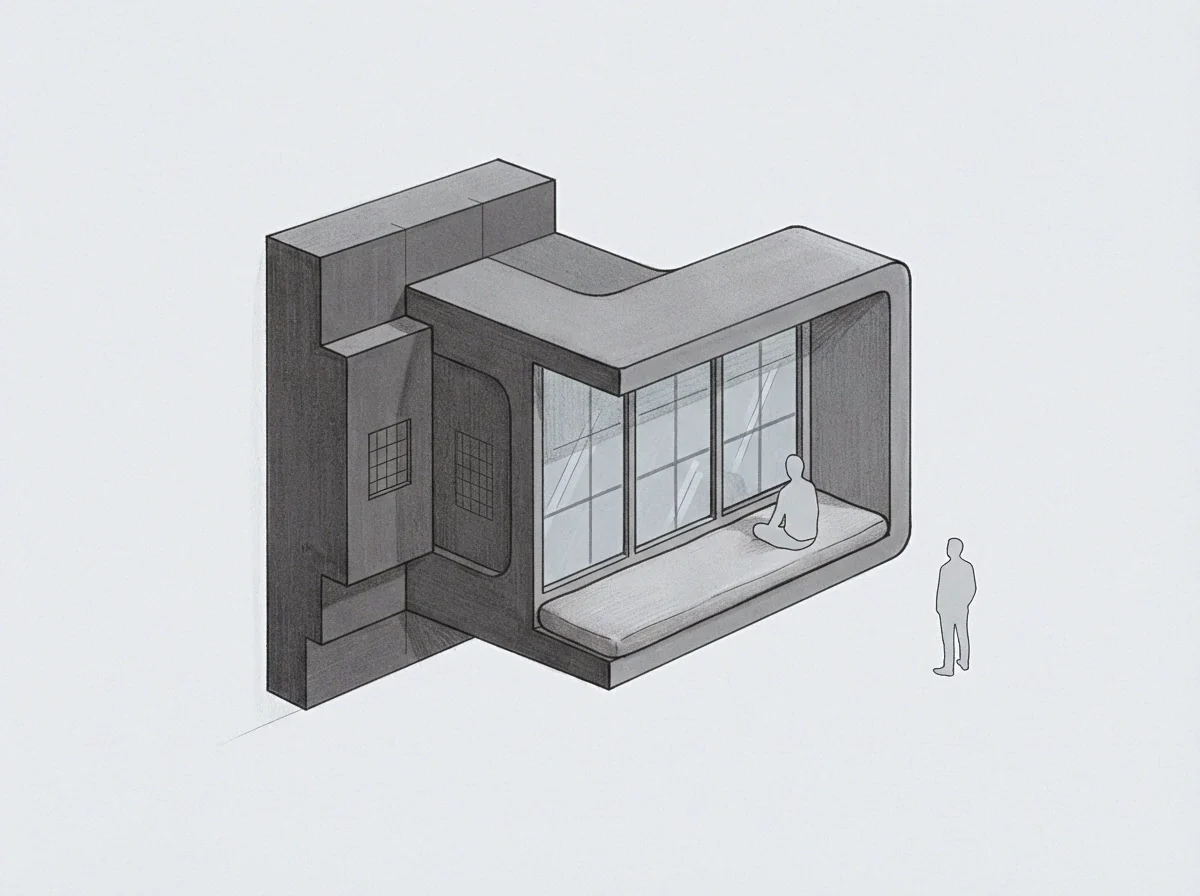
The one-way regulator operates as an energy sink for the organization. Information and distress flow upward; stability and direction flow downward. The structural asymmetry of the executive seat confirms the founder’s backward template: they are responsible for everyone’s state, while no one is responsible for theirs.
The seat demands steady presence. Over time, this architecture trains the leader to view relational connections exclusively through the lens of stewardship and burden management.
When an isolated leader with a backward template experiences fatigue, their instinct is to isolate further. They withdraw from personal relationships and peer networks, believing that removing social commitments will conserve energy. This strategy backfires because solitary rest does not supply the physiological benefits of co-regulation.
Passive isolation removes external demands but leaves the brain’s solitary threat monitor active. The leader remains biologically loaded even in quiet rooms.

Depletion
Continuous operation under social baseline deficits shifts biological depletion from an temporary state to a permanent structural baseline. When an isolated leader exhausts internal regulatory reserves, systemic dysfunction spreads throughout the enterprise. The leader’s physiological throttling manifests as erratic decision-making, defensive communication, or sudden operational paralysis.
The organization, designed to regulate against the leader’s calm state, begins to reflect the leader’s internal dysregulation.
The cost of this dynamic varies depending on the structural arrangement of the leadership seat. Comparing different executive structures highlights how relational proximity and reciprocal regulation affect long-term organizational and physiological stability.
| Leadership Configuration | Regulatory Primary Mode | Physiological Expenditure Rate | Capacity Duration |
|---|---|---|---|
| Isolated Solitary Node | Unilateral Self-Regulation | Maximum metabolic consumption per threat event | Short-term endurance leading to biological throttling |
| Asymmetric Co-Regulator | Downward Organizational Baseline | High continuous load with zero incoming coregulation | Medium-term stability mask covering systemic fatigue |
| Embedded Reciprocal Baseline | Mutual Social Baseline Access | Optimal metabolic conservation via shared load | Sustained long-term resilience and strategic scope |
When a leadership role lacks reciprocal regulatory channels, physiological expenditure converts operational capacity into systemic exhaustion.

Comparative Systems of Leadership Regulation
The Isolated Solitary Node model represents the highest risk profile for social baseline deficits. In this arrangement, a single founder or chief executive operates without a peer co-regulator on the executive team or board. The nervous system receives zero proximity cues that signal safety.
Distance forces self-monitoring. Every strategic pivot, financial threat, and internal conflict requires maximum prefrontal cortex engagement, leading rapidly to allostatic overload.
The Asymmetric Co-Regulator model appears functional on the surface but masks deep biological depletion. The leader maintains an open, supportive culture for employees, actively co-regulating managers and direct reports. However, because the interaction flows entirely one way, the leader functions as a human battery for the enterprise.
The organization thrives while the leader silently drains, eventually reaching a state of burnout that appears sudden to external observers but was biologically predictable.

Structural Friction Across Asymmetric Roles
The Embedded Reciprocal Baseline model provides the structural conditions necessary for long-term operational health. In this configuration, executive power and threat exposure are genuinely shared between equal counterparts who possess high relational trust. Proximity suppresses neural threat signals.
When one leader experiences capacity drops, the other absorbs environmental friction without increasing systemic anxiety. The nervous system registers the presence of an equal peer, enabling the metabolic conservation mechanisms described by social baseline theory.
Establishing an embedded reciprocal baseline requires overcoming the founder’s backward template. The leader must permit another person to see operational vulnerability without treating that disclosure as a failure of leadership. Where this structural shift is achieved, allostatic load drops immediately, strategic decision horizons lengthen, and the enterprise gains resilience that solitary leadership cannot produce.

Shift
Updating a backward regulatory template cannot be accomplished through cognitive understanding alone. Intellectual insight into social baseline deficits leaves the nervous system’s threat architecture unchanged. Rewiring the template requires earned security, a process driven by repeated, real-time experiences of relational proximity during stress.
The leader must experience remaining in proximity with a reliable counterpart while under load, without defaulting to unilateral control or emotional withdrawal.
This biological update demands deliberate structural modifications to how the leader engages with peer networks, executive teams, and governance boards. The goal is to build functional receptor slots for co-regulation, transforming the executive seat from a isolated node into an embedded node within a broader regulatory system.

Constructing the Secondary Regulator Template
Building a secondary template requires introducing structured micro-proximity interventions into the leader’s routine. Experience rewires the template. These interventions must involve real-time, face-to-face or high-bandwidth interaction with peers who carry no operational dependence on the leader.
Peer advisory groups, co-founder partnerships, and professional executive counterparts serve as effective environments for this recalibration, provided the interactions are structured around shared accountability rather than superficial networking.
The leader practices lowering defensive masking during active threat events. Disclosing operational uncertainty to a peer who does not require management or reassurance allows the executive brain to register that vulnerability does not produce catastrophic loss of control. Over time, these repeated low-stakes experiences train the amygdala to recognize social proximity as a primary mechanism for stress reduction.

Delta Metrics for Relational Availability
Progress on the update path is measured by structural changes in how the leader manages regulatory expenditure over time.
- The leader establishes explicit limits on unilateral availability, blocking calendar windows for solitary strategic deep work and peer co-regulation.
- The executive team adopts shared threat accounting practices, distributing risk analysis and operational ownership across multiple senior operators.
- The leader actively receives support during crises, allowing co-founders or board peers to hold external communication and investor management.
- The nervous system demonstrates faster heart rate recovery and reduced cortisol elevation following high-stress operational escalations.
As these structural modifications take root, the physiological cost of leadership drops. The leader moves away from perpetual reliance on metabolic self-regulation, drawing instead upon the biological efficiencies of a shared baseline. Strategic decision-making expands as allostatic load clears.
The enterprise transitions from a fragile system dependent on the endurance of a solitary individual into an adaptable organization backed by distributed regulatory strength.