
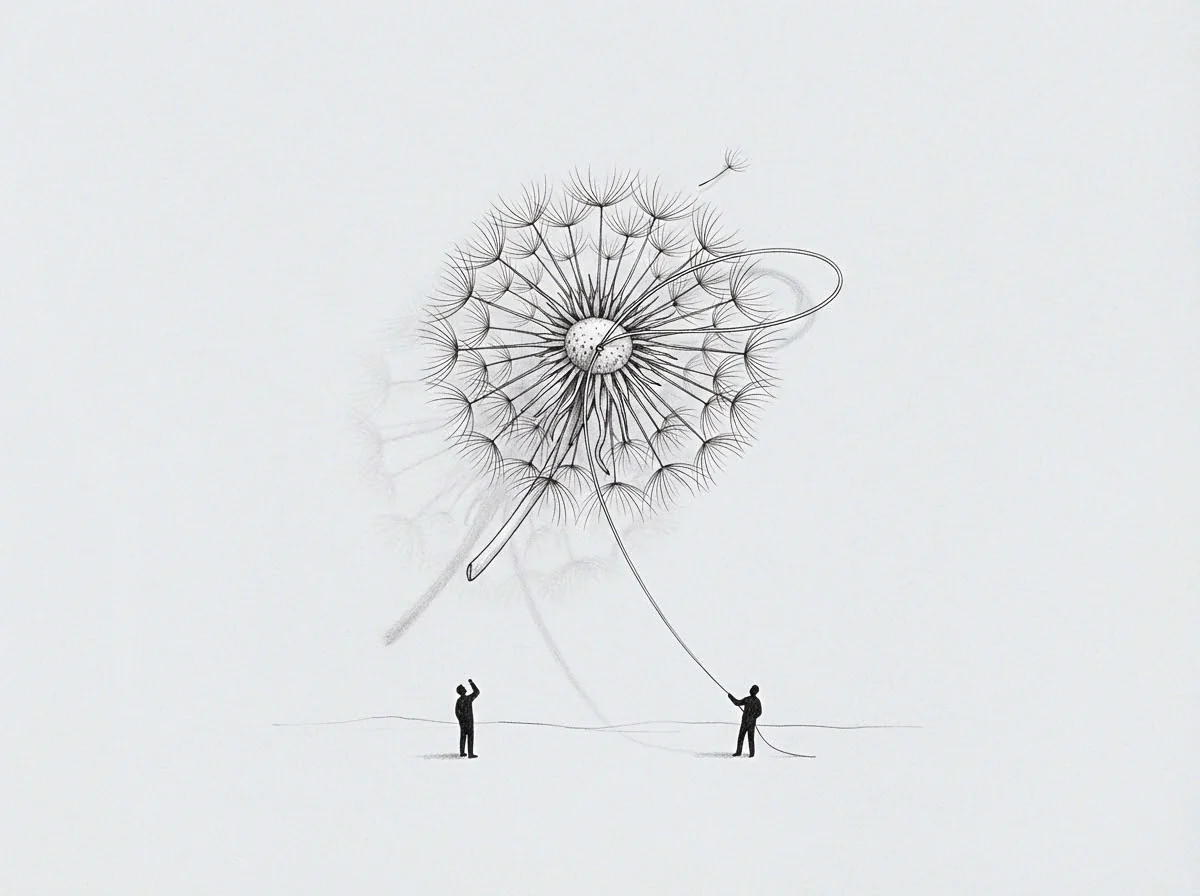
Updating Relational Working Models Through Undemanding Shared Physical Space
Undemanding shared physical space resets relational working models by providing social baseline proximity that reduces threat vigilance without interactive demands.
Undemanding shared physical space resets relational working models by providing social baseline proximity that reduces threat vigilance without interactive demands.
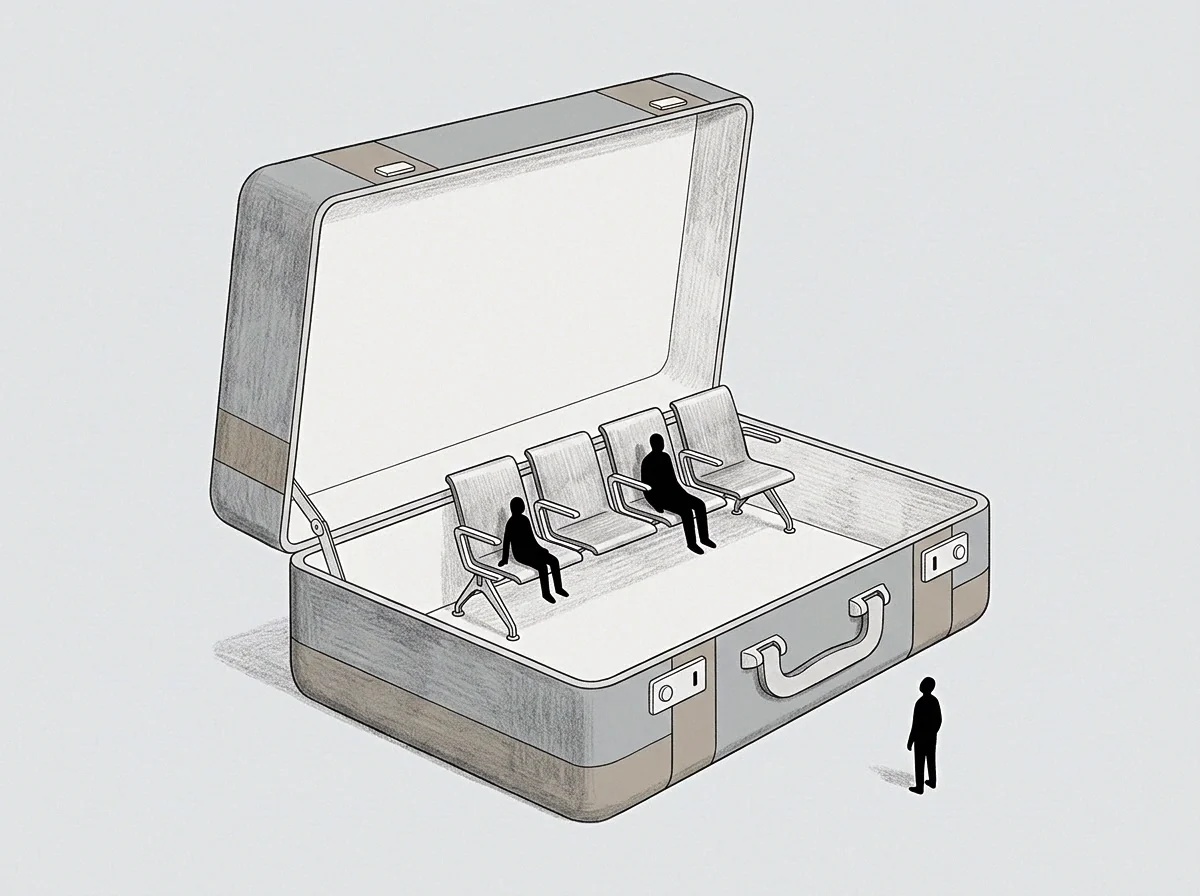
Sustained secondary partner co-presence fails to lower long-term baseline allostatic load when primary internal working models lack functional receptor slots for borrowed regulation.
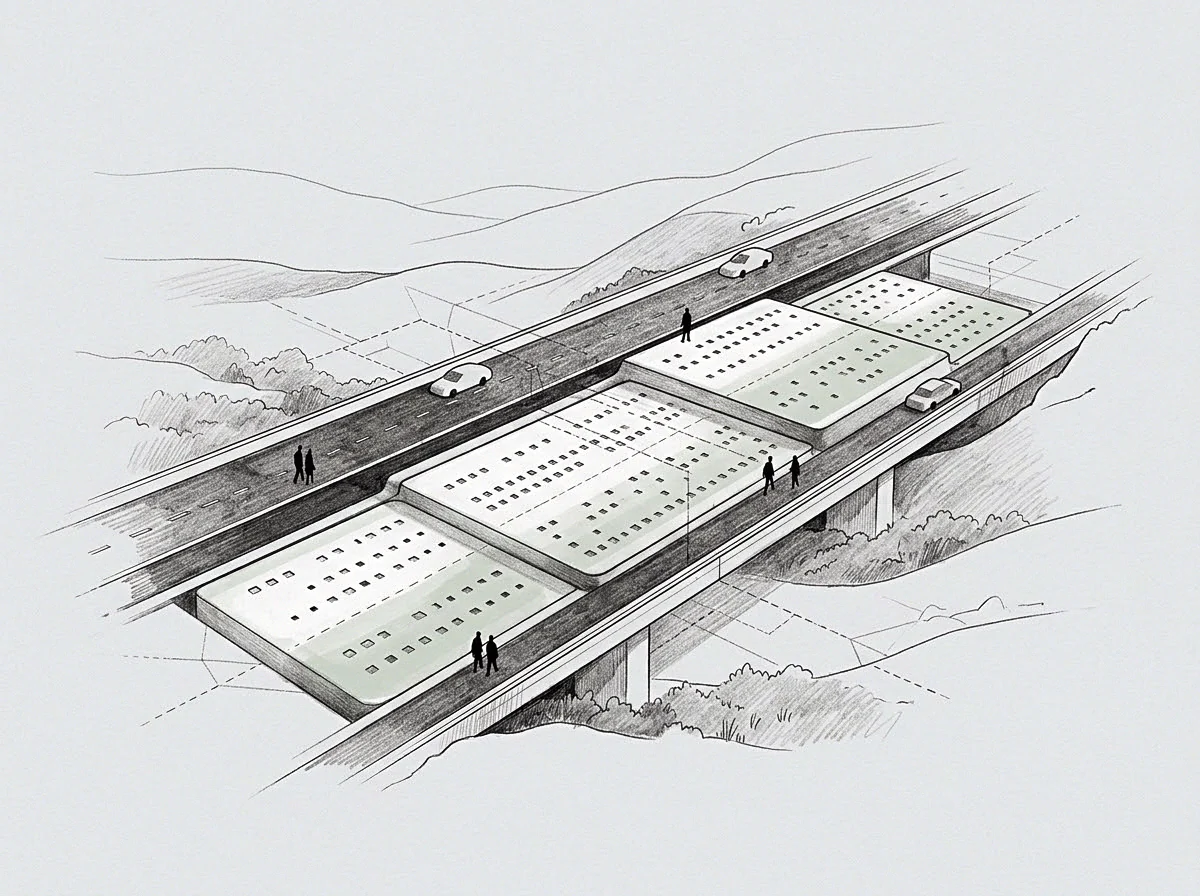
The brain budgets baseline regulation assuming social proximity, making isolated self-regulation a costly metabolic mode for operators under stress.
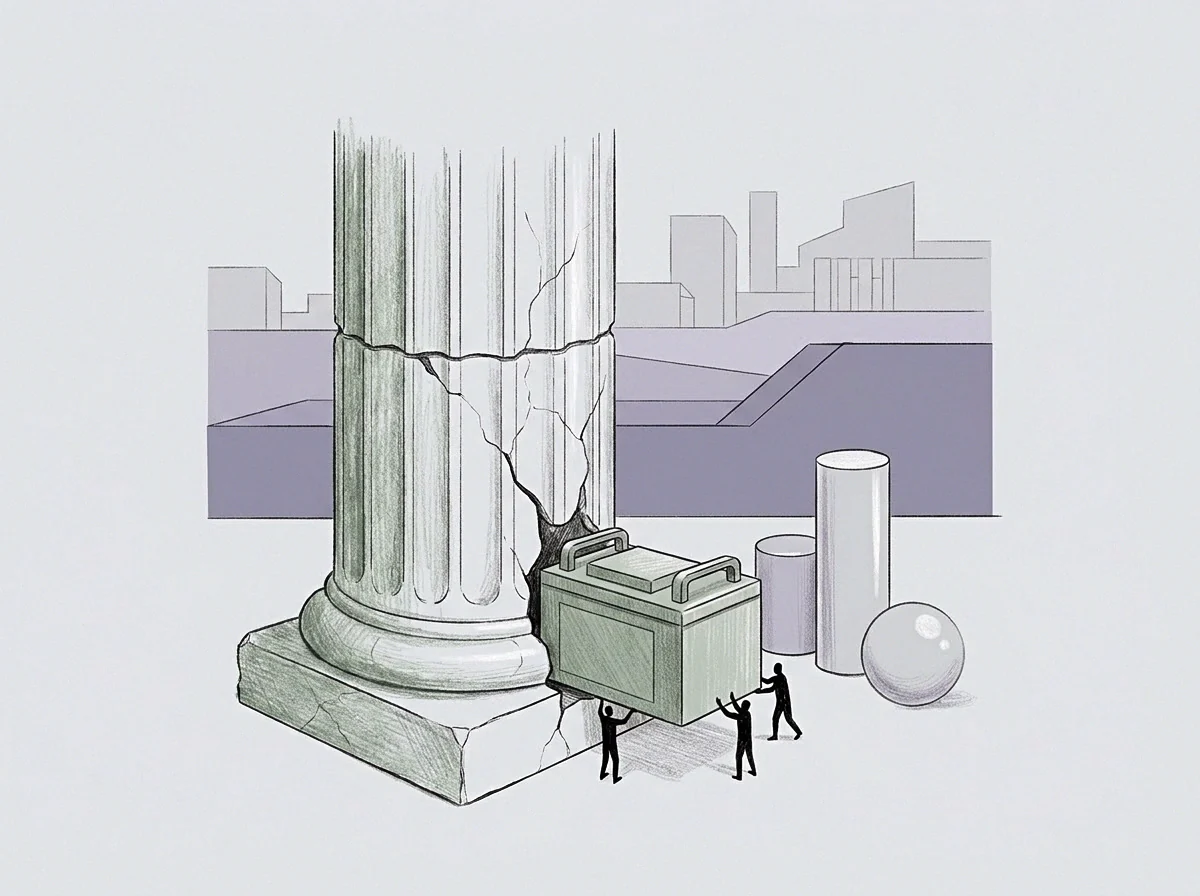
Protracted unassisted operational strain recalibrates autonomic templates toward solitary defense, shutting down relational down-regulation receptors.
The myelinated vagal brake slows the sinoatrial node during low demand proximity only when the internal model registers another person's presence as safety.
Leadership teams under severe threat burn prefrontal reserves unless they distribute autonomic stabilization across explicit operational structures.
Solitary accountability forces the nervous system to fund threat detection without social buffering, compounding autonomic wear and draining somatic reserves.
Reciprocal safety cues recalibrate threat budgets so an isolated regulator can rebuild neural receptivity for shared regulation.
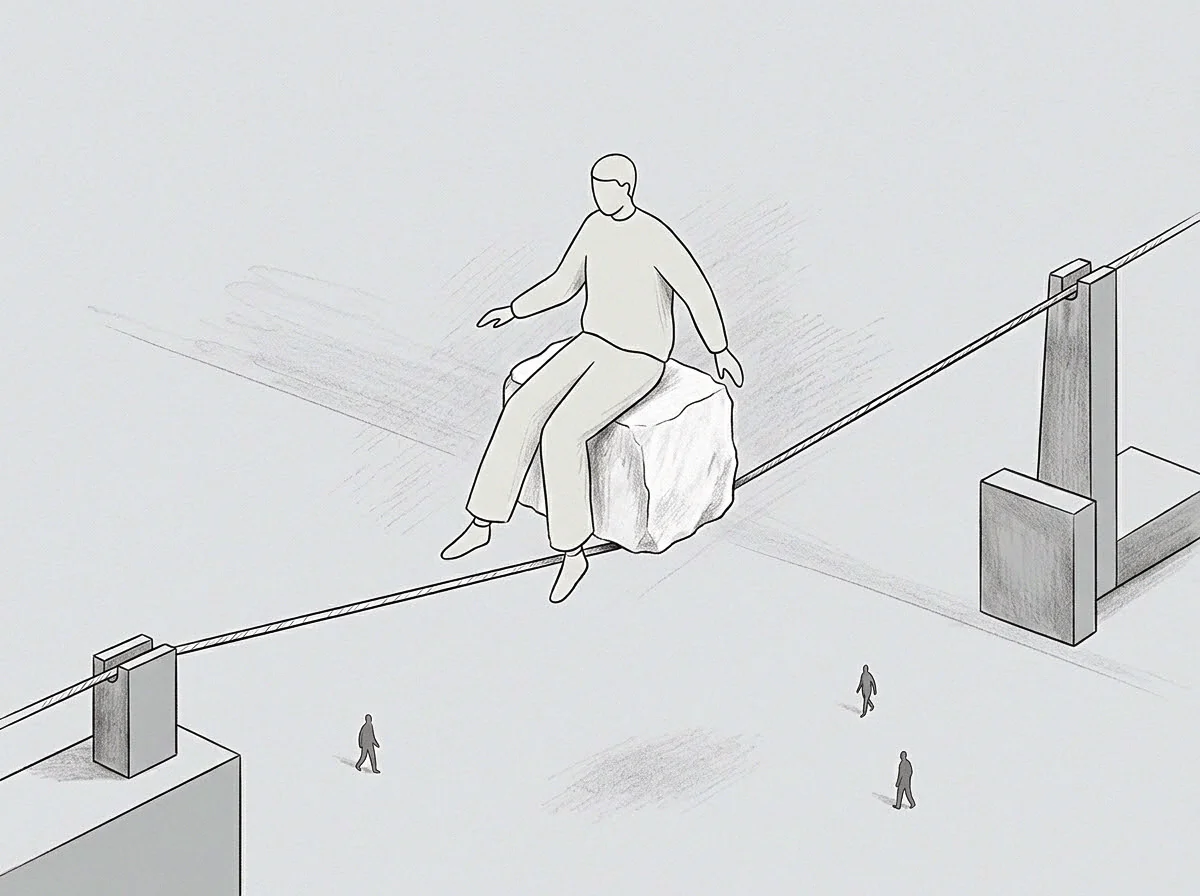
Unilateral templates treat human proximity as vigilance work, blocking somatic offloading and forcing the nervous system to bear allostatic strain alone.
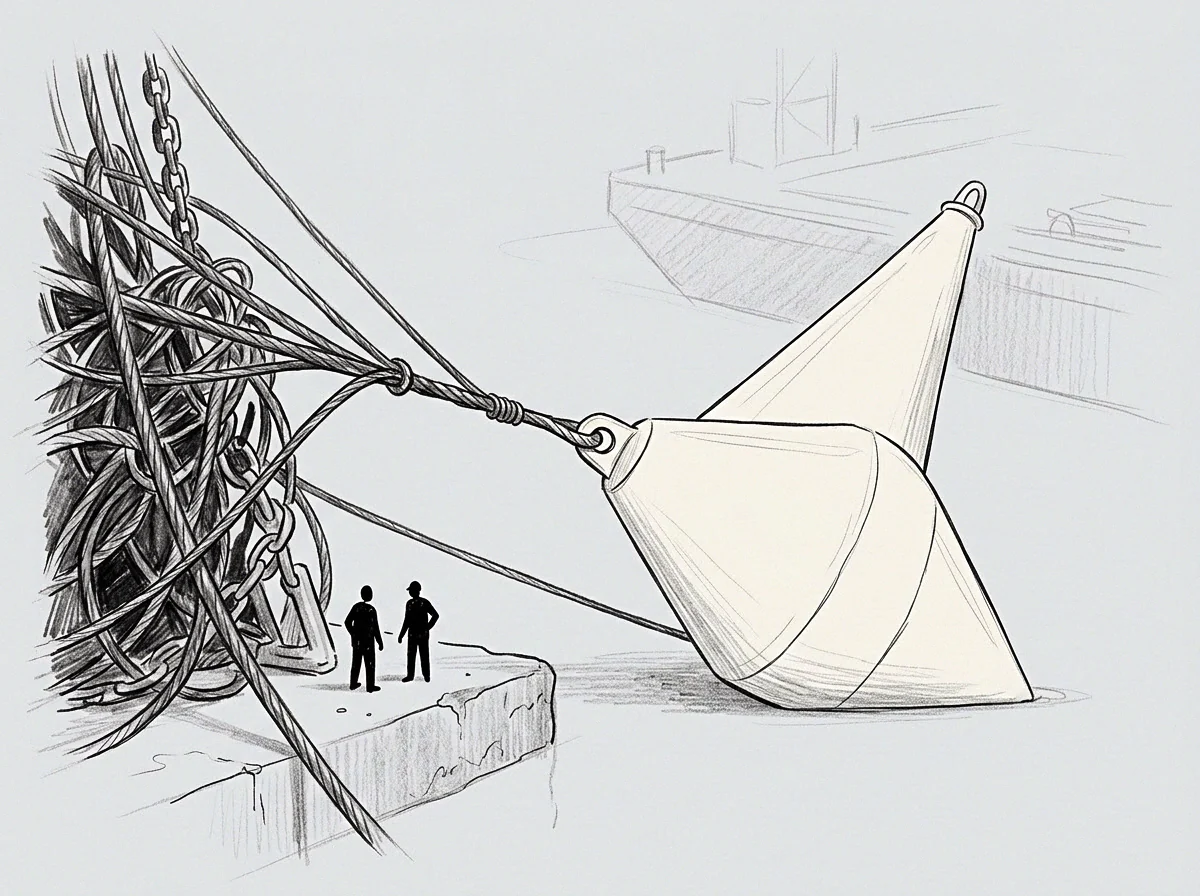
Allostatic load accumulates when technical leaders absorb operational volatility alone, depleting metabolic reserves until structural limits enforce biological recovery.
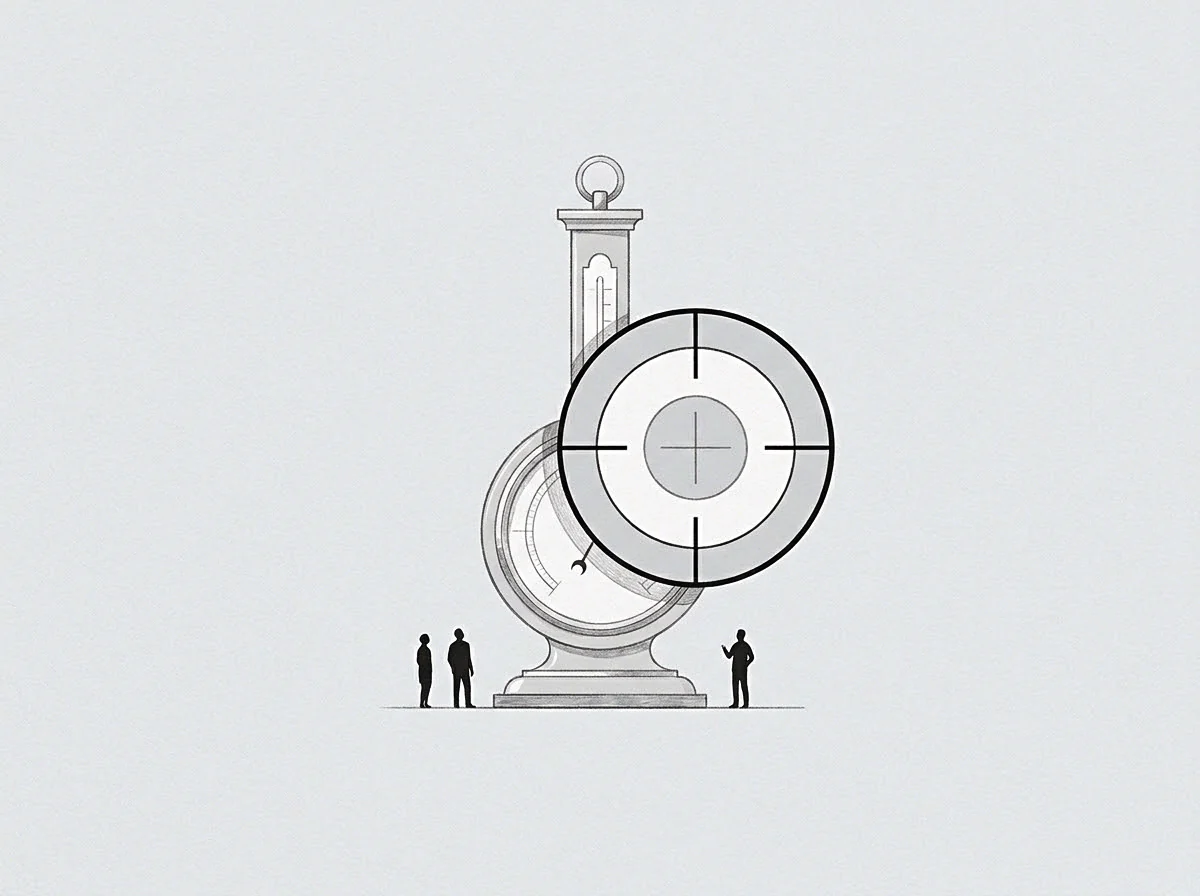
Concurrent burnout destroys the social baseline subsidy, turning shared presence into sensory overhead until extended allostatic clearance restores receptor capacity.

Prolonged operational threat locks the autonomic system in high alert, blocking relational co-regulation until explicit limits rebuild the baseline.

The human brain treats proximity to a reliable peer as its energy baseline, making solo regulation a metabolically expensive default under severe load.
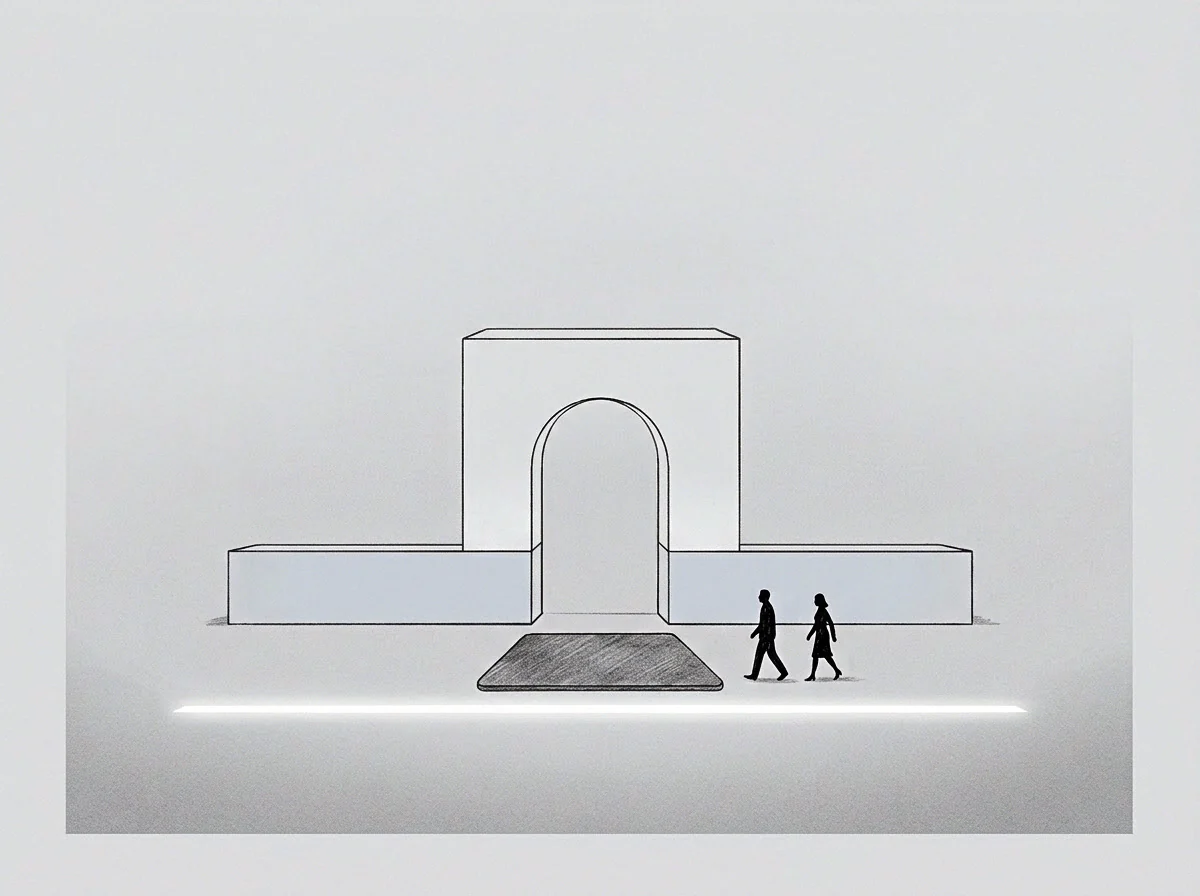
Asymmetric regulator templates fail during simultaneous depletion; updating requires explicit structural terms to replace non-existent autonomic co-regulation capacity.
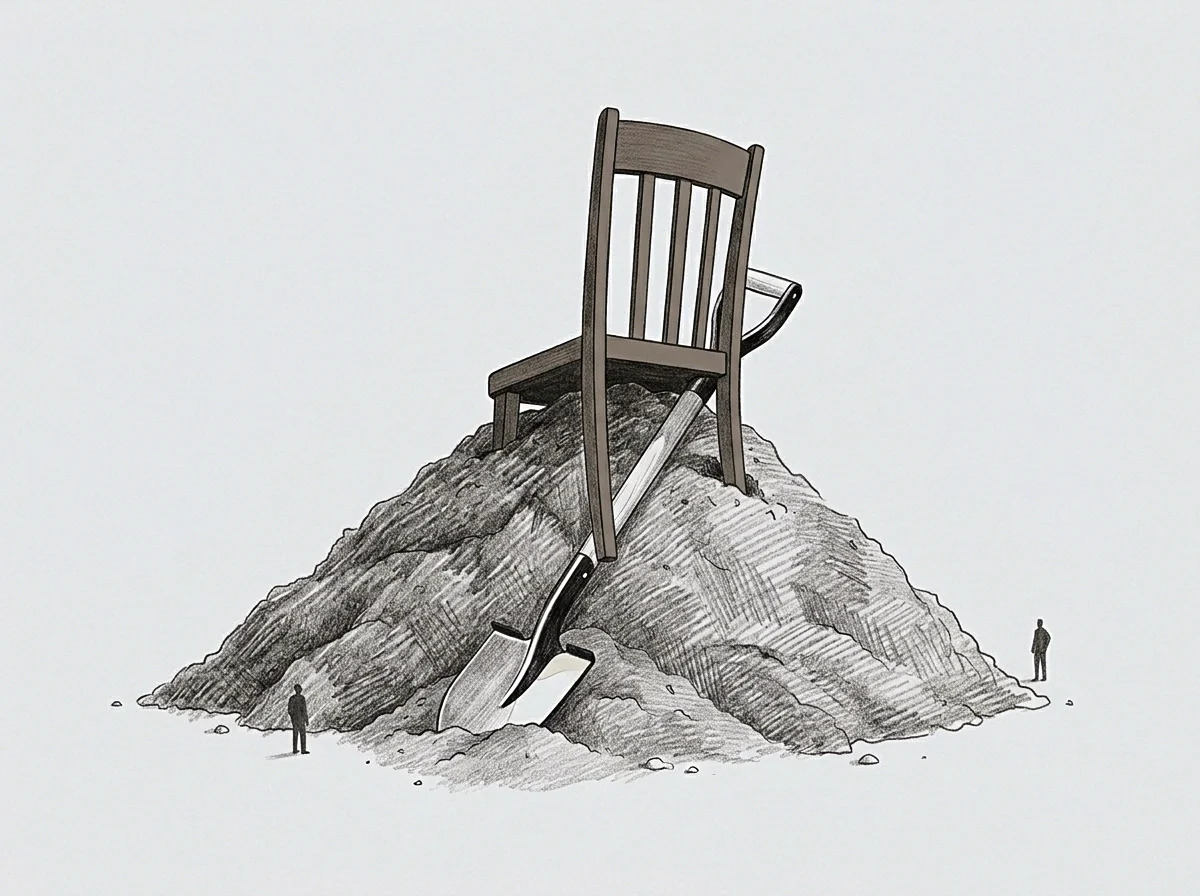
Chronic executive threat suppresses parasympathetic tone; shared social baseline protocols restore ventral vagal regulation and lower decision costs.
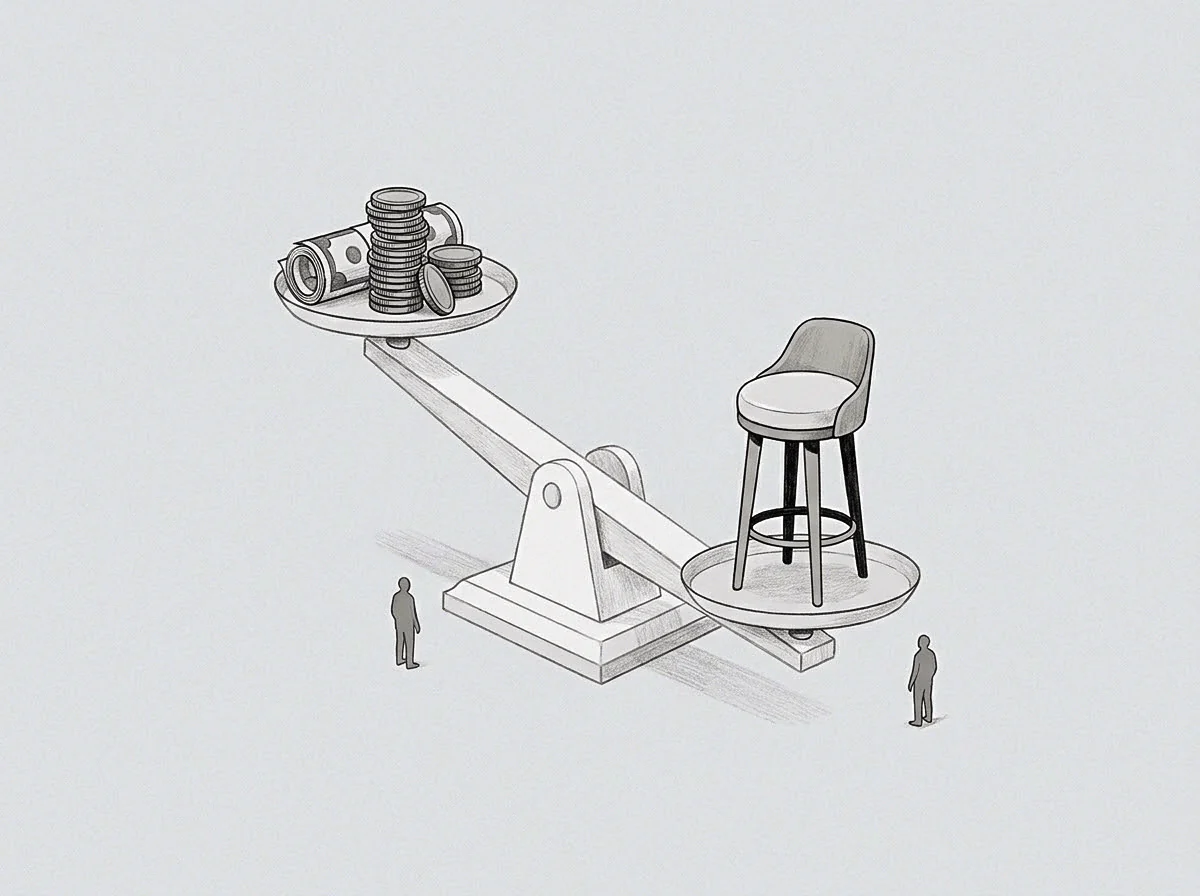
Shared physical proximity lowers team threat expenditure by allowing unconscious somatic co-regulation to stabilize autonomic baselines during operational crises.
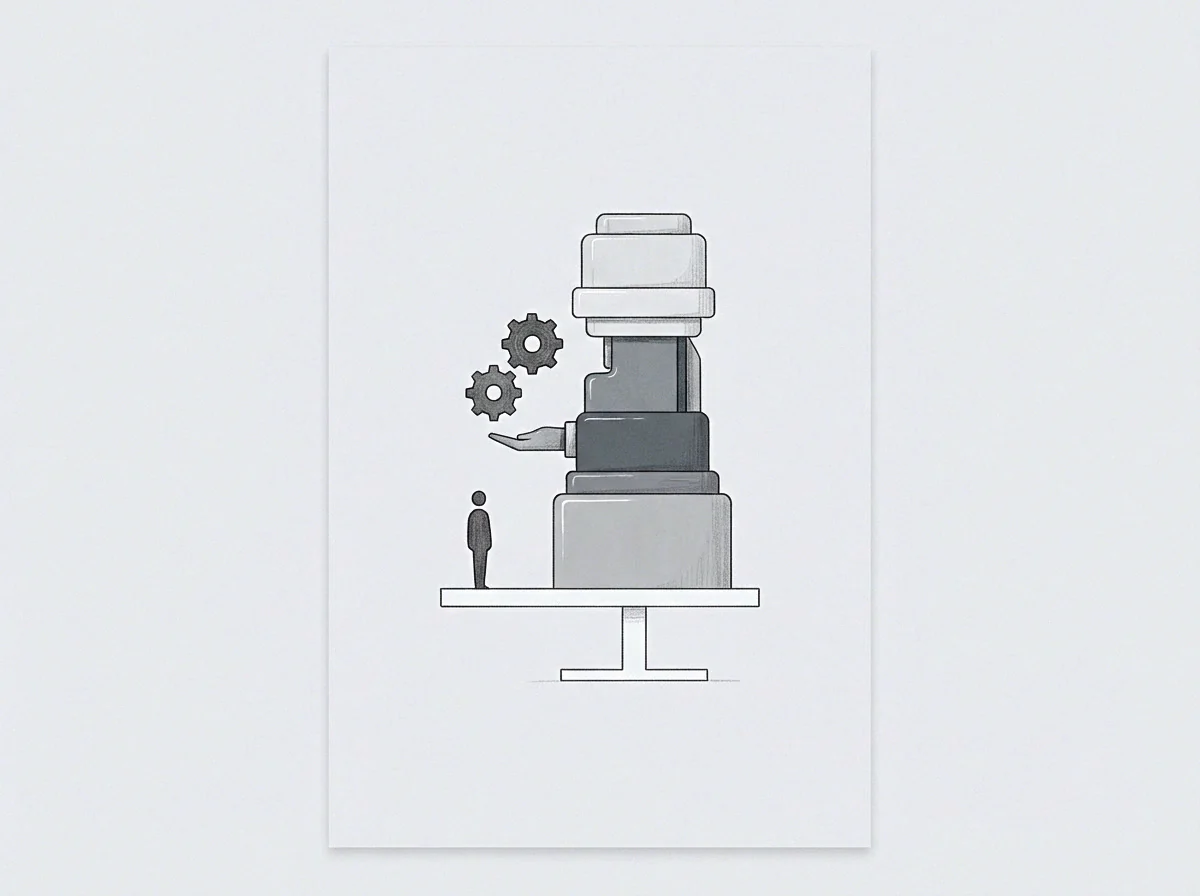
Extended structural volatility shifts neural regulation costs onto stable executive anchors, exhausting headroom and forcing systemic cognitive throttling.
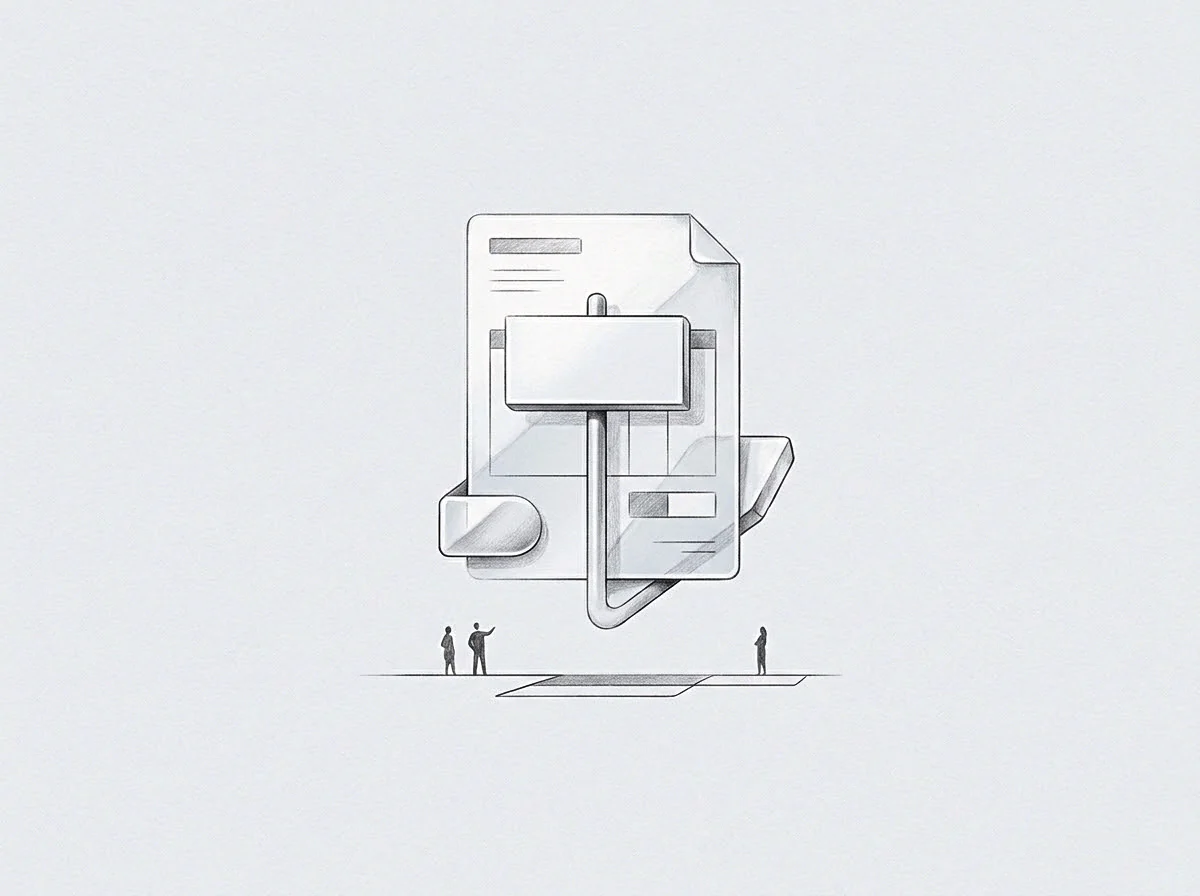
Unstated internal limits force operators to absorb team anxiety as personal allostatic load when baseline calm is borrowed rather than structurally defined.
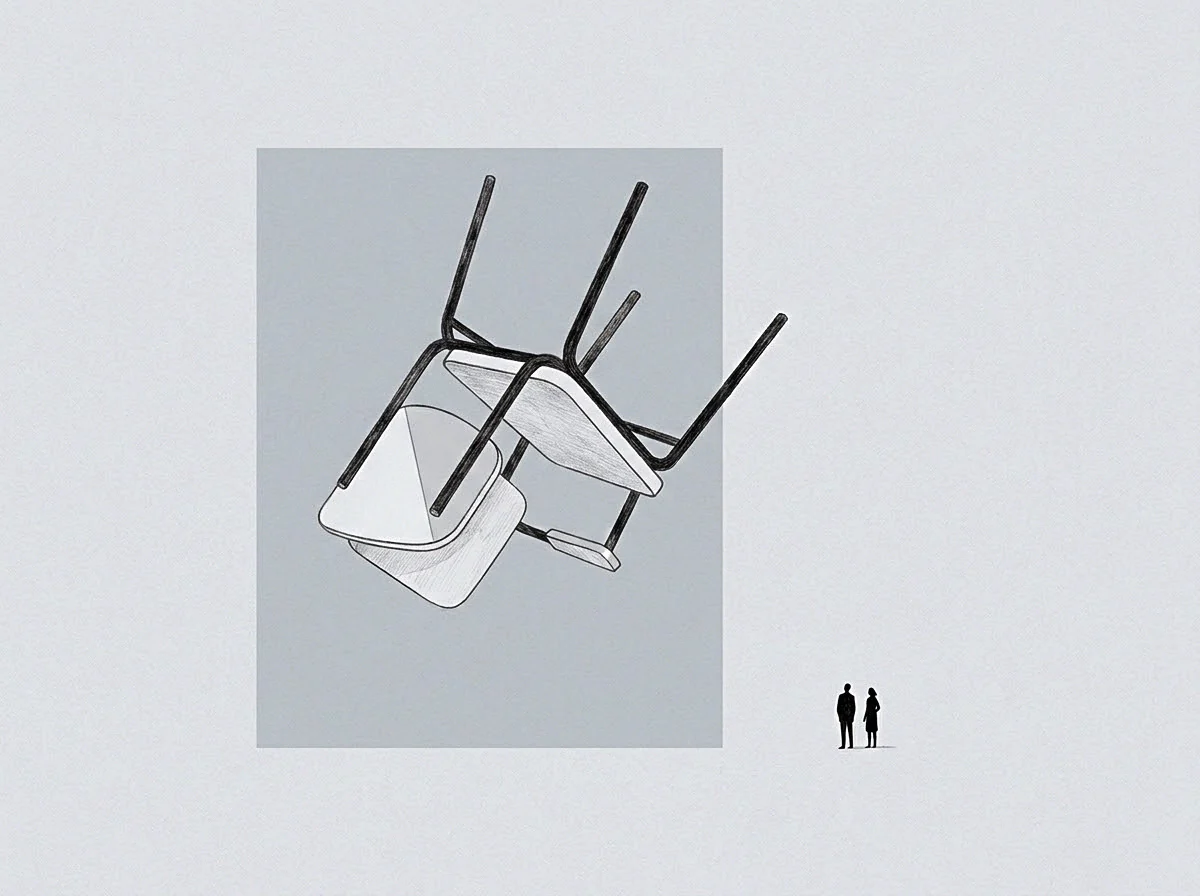
Executive leaders absorb organizational stress through social baseline co-regulation, providing borrowed calm to teams at measurable metabolic cost to themselves.
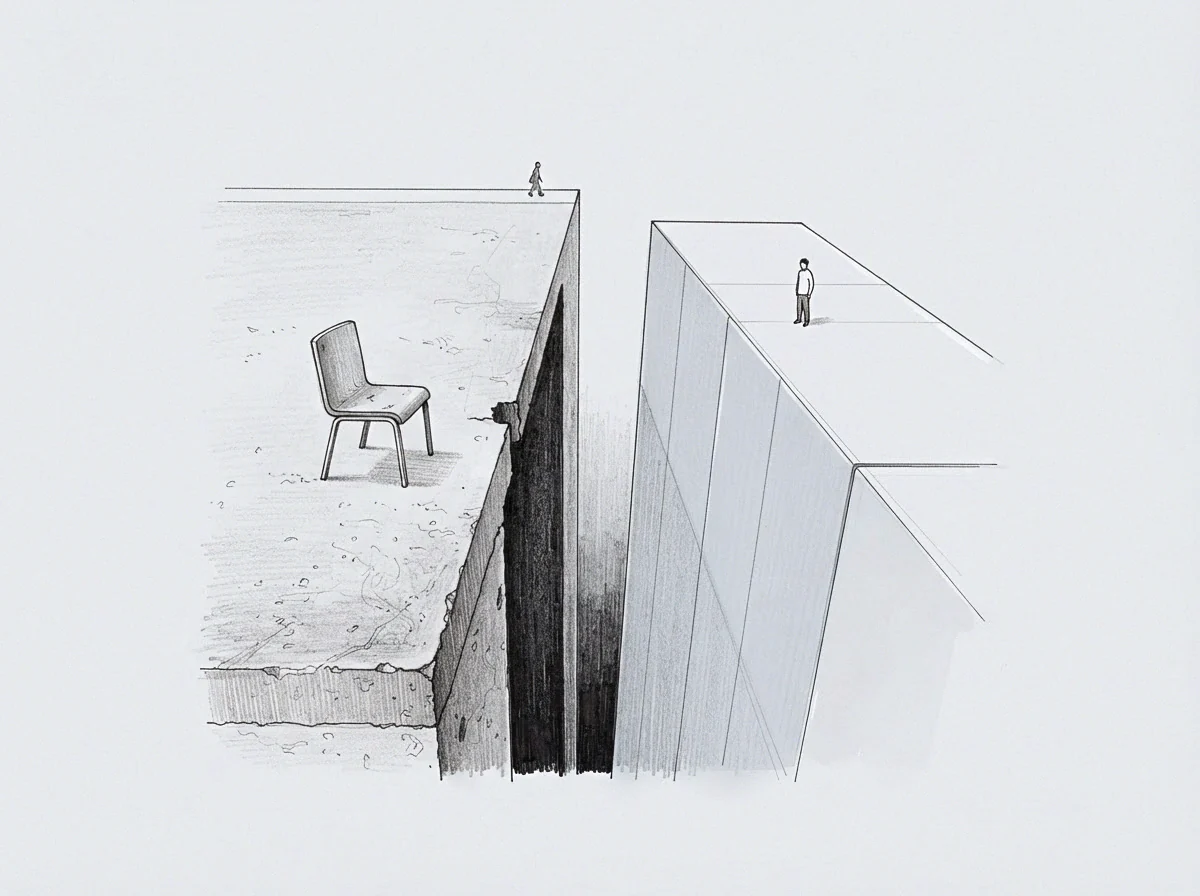
Structural separation interrupts shared sympathetic dysregulation in depleted founder pairs, restoring autonomic baselines through predictable boundaries.
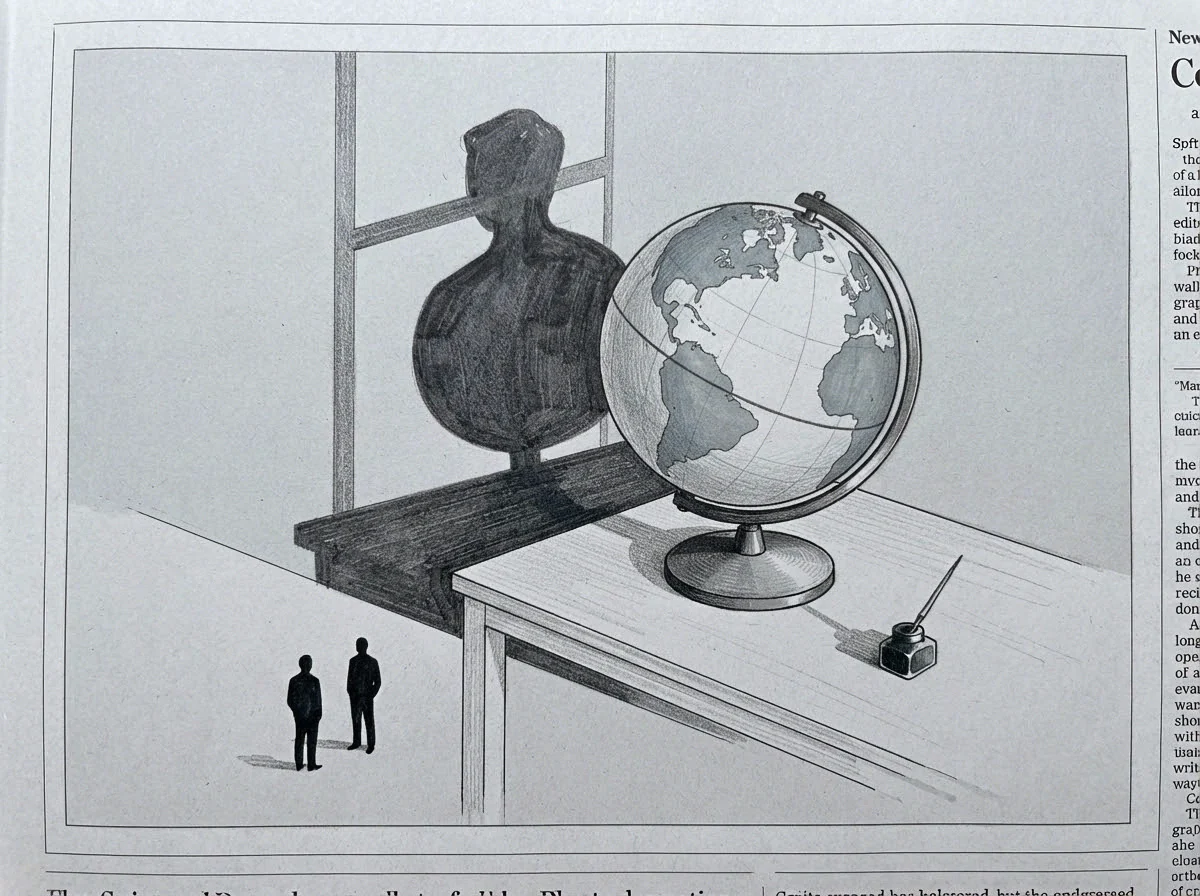
Shared workspace proximity forces exhausted executives into continuous autonomic co-regulation, causing metabolic depletion through involuntary micro-attunement.
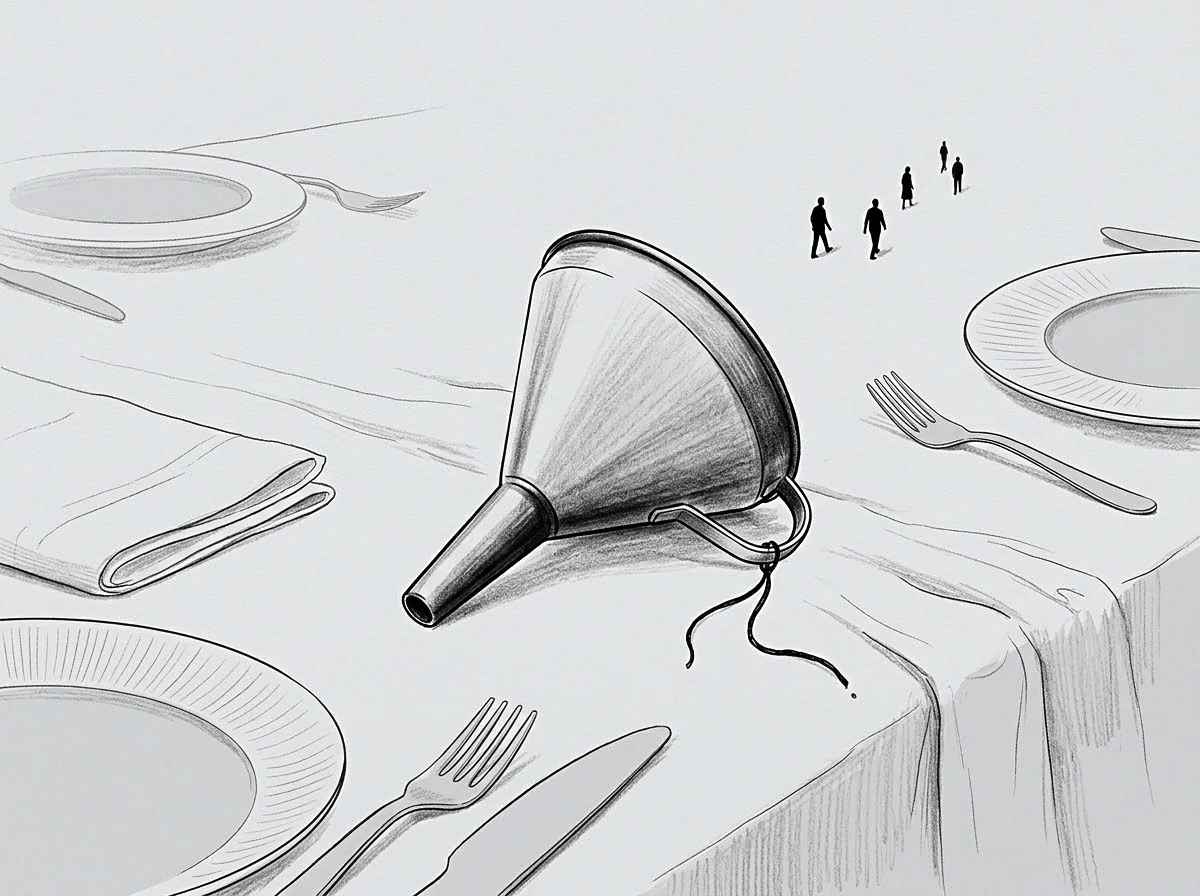
Co-locating depleted leaders forces mutual subcortical threat scanning, increasing autonomic regulation costs when neither person offers a baseline state.

Asymmetric autonomic regulation drains prefrontal metabolic reserves in central leaders, degrading strategic discernment into survival-driven operational triage.
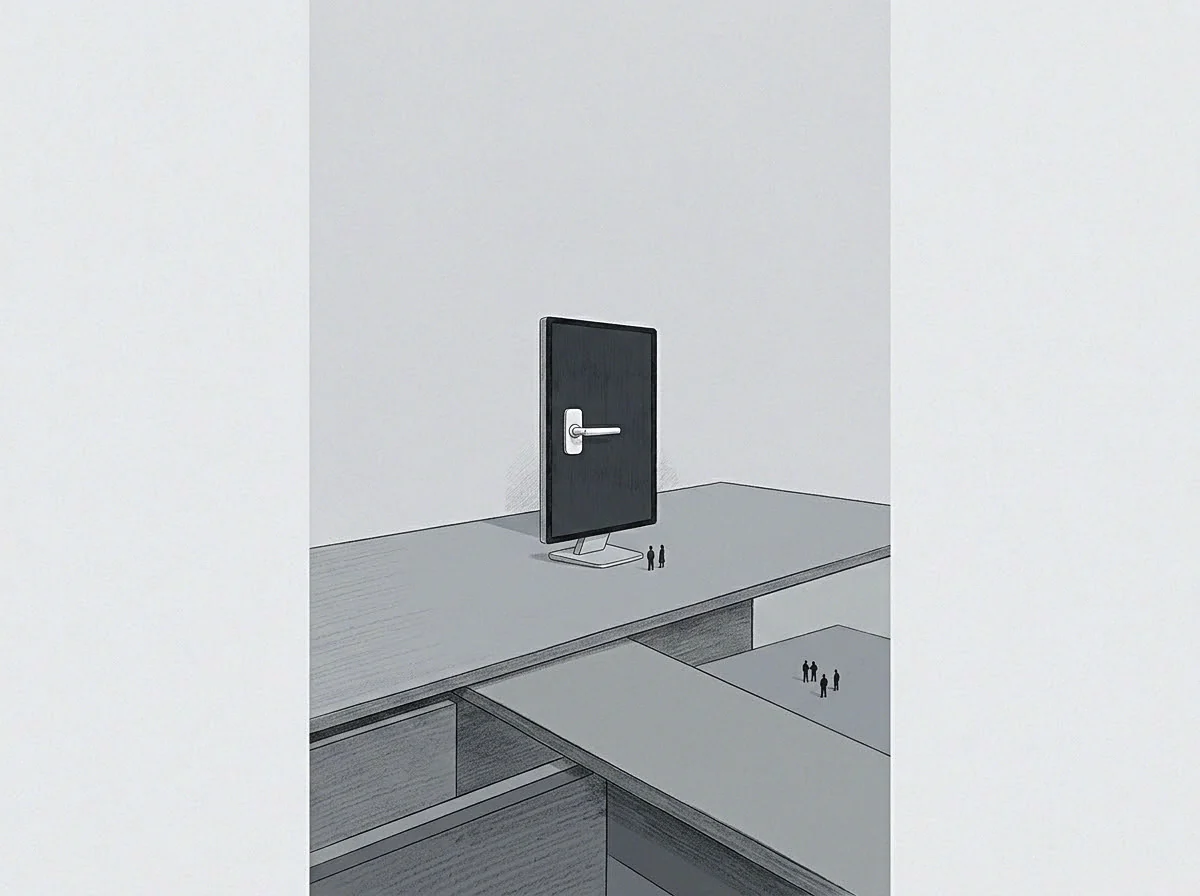
Open desk architecture increases autonomic regulation costs by replacing baseline physiological safety signals with persistent, unmanaged peripheral micro-threats.
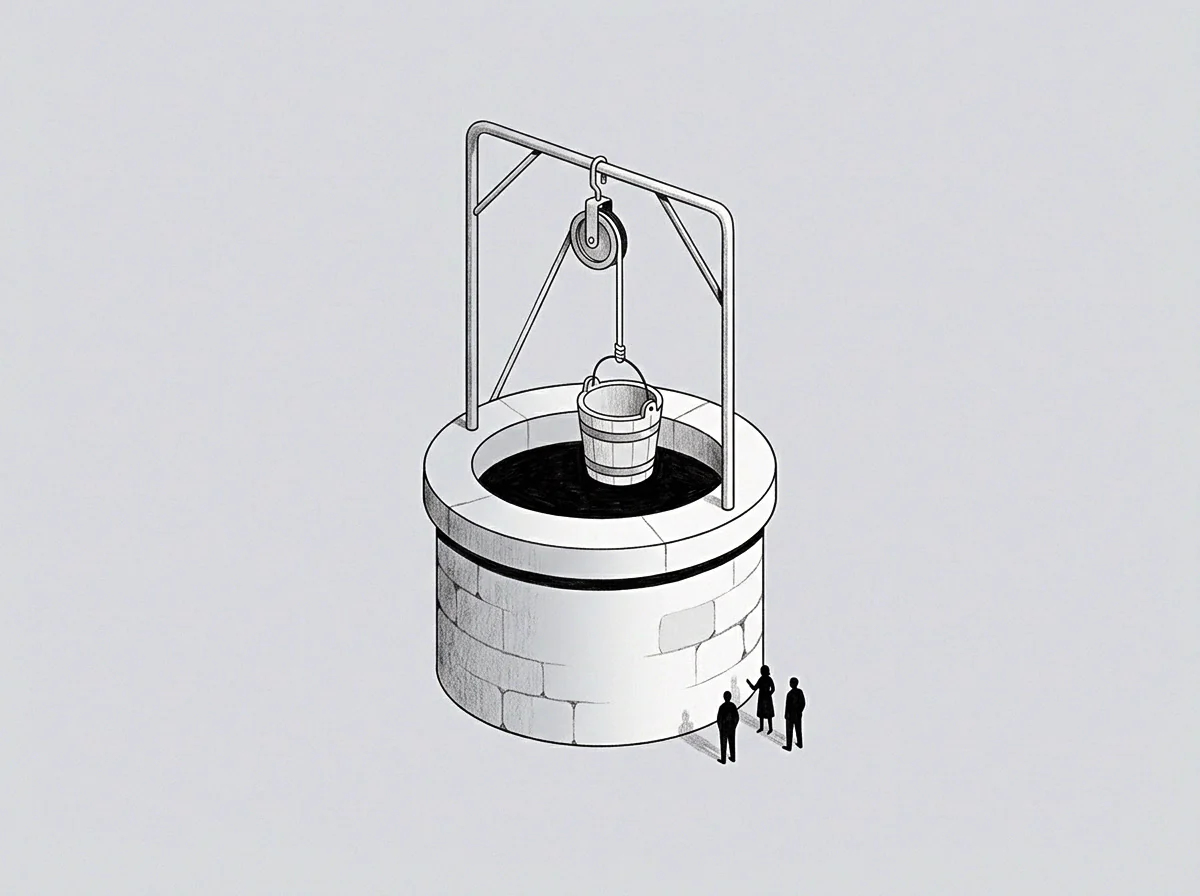
Autonomic contagion across shared workbenches occurs when micro-movements, acoustic transients, and mechanical vibrations transmit one occupant sympathetic hyperarousal directly to an adjacent worker threat detection system.
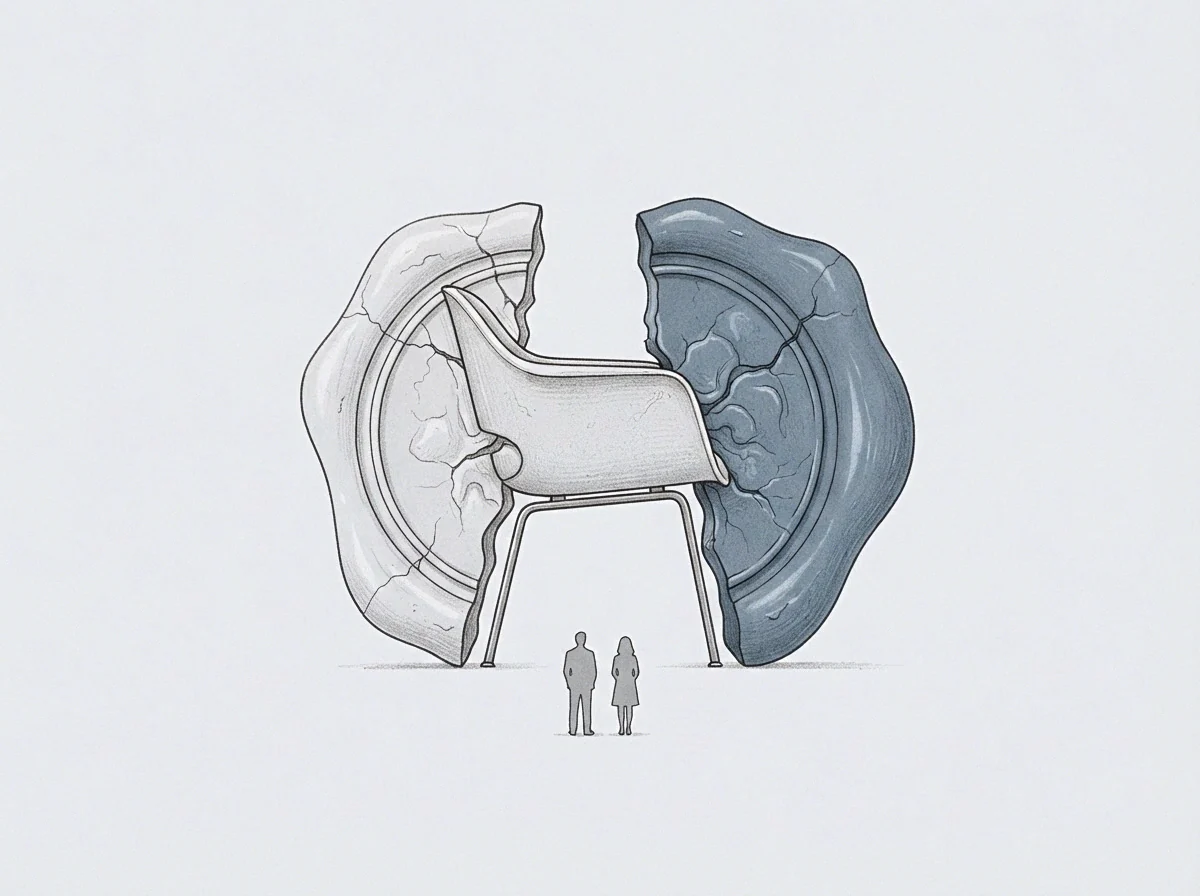
Solitary executive authority without operational buffering forces the central nervous system into chronic metabolic expenditure, accelerating allostatic collapse.
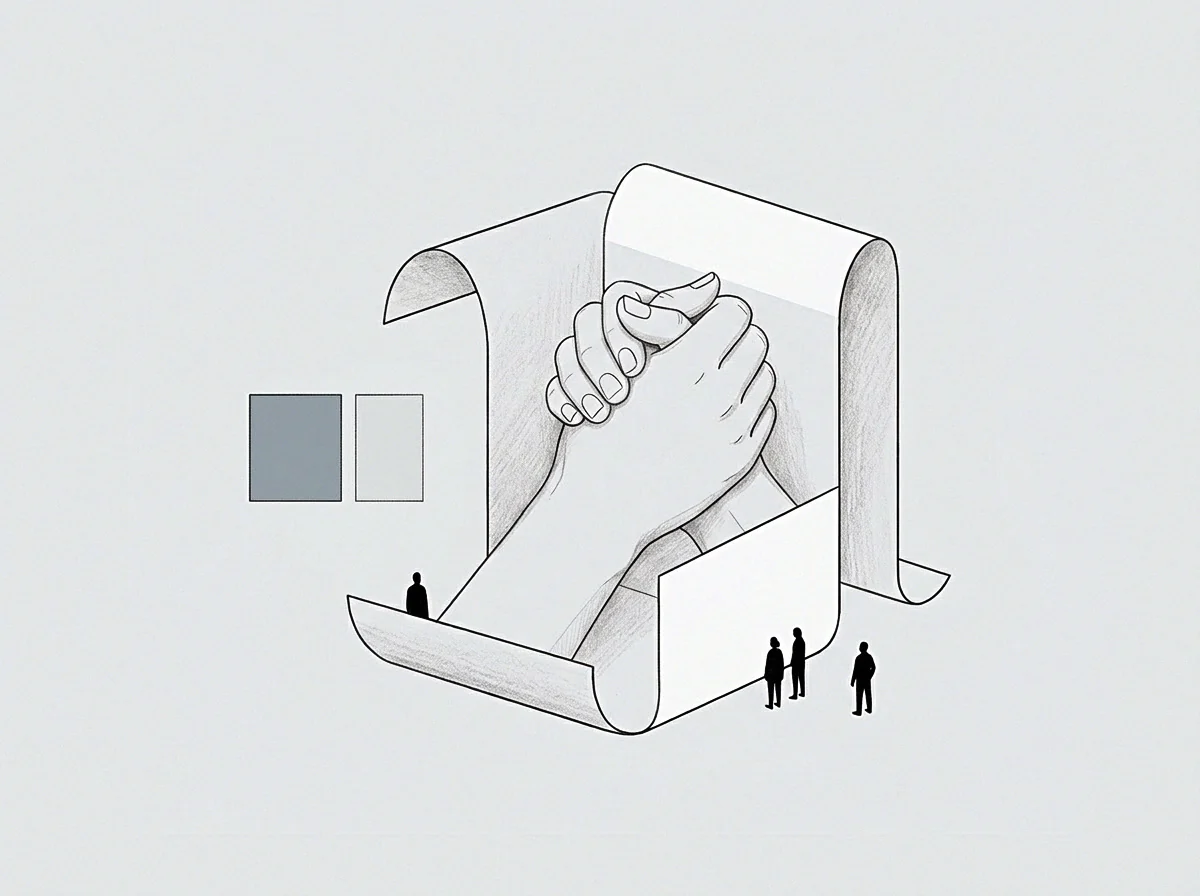
Executive tenure contracts incorporate structural co-regulatory mechanisms to lower autonomic load and prevent decision degradation in isolated leaders.
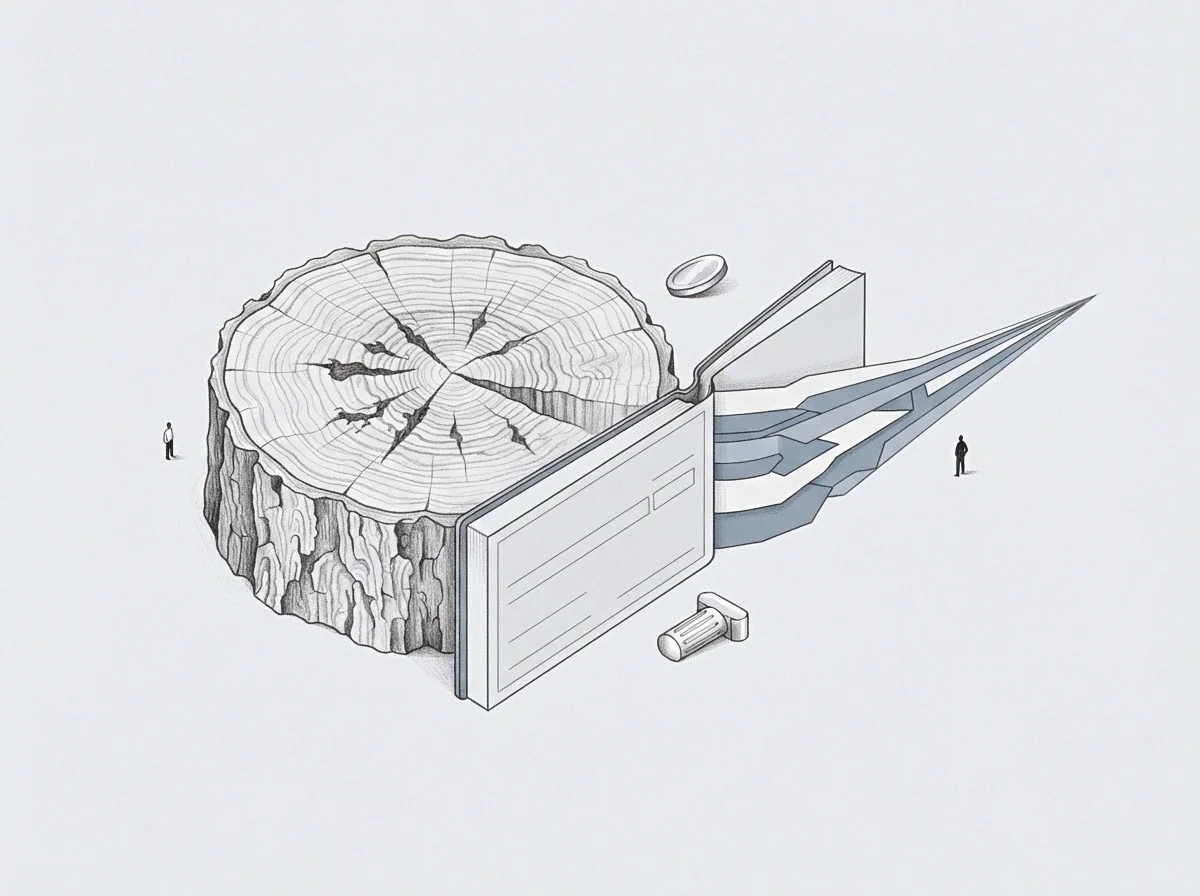
Extended isolation recalibrates the nervous system to treat self-regulation as the zero-cost baseline and social presence as a metabolic surcharge.
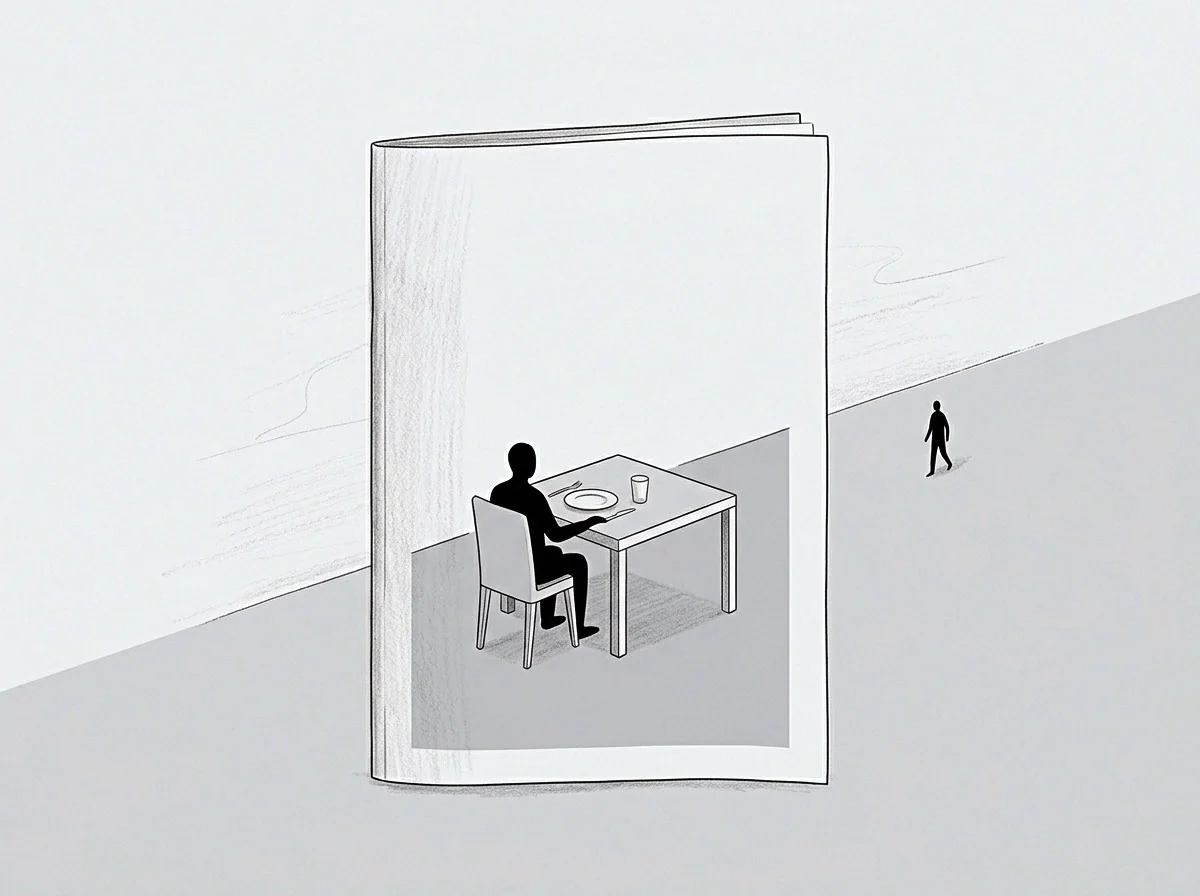
Repeated unhurried physical co-presence with steady peers gradually rewires a solitary leader's threat baseline from expensive isolation to shared bioenergetics.
Solitary executive seats collapse the receptor slot, requiring intentional exposure to symmetric non-operational presence to rebuild biological regulatory baseline.
The terms are written where they belong. Each field holds three desks, and every entry a desk writes raises the terms it uses, each term given a meaning, a mechanism and the places it appears. The record on these pages stays first person and hand made; the fields grow the nomenclature.