Meaning
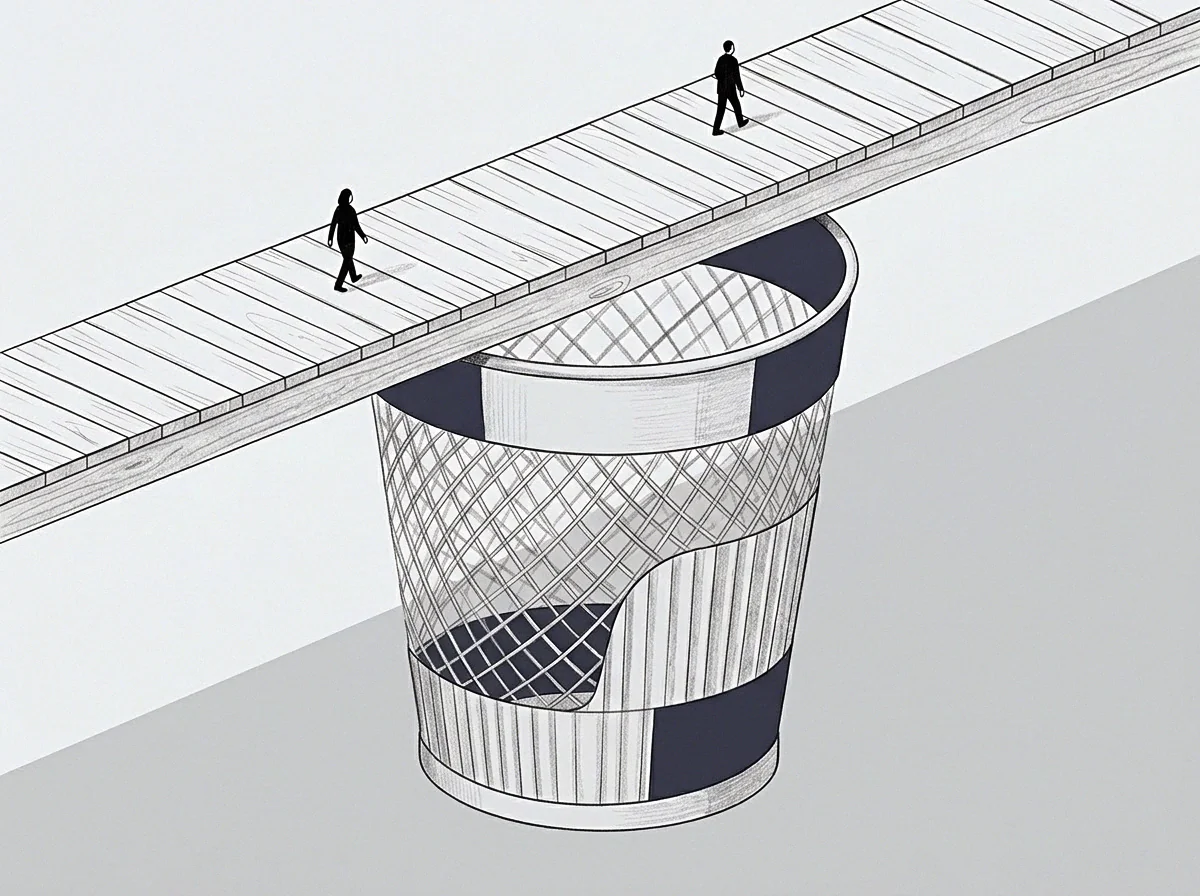
Liquidity shortfall constitutes a persistent condition where current assets fail to cover immediate obligations. This working capital distress forces a sudden restriction on operational spending because the cash required for daily activity remains locked in receivables or unsold inventory. The situation restricts the ability to pay staff or suppliers on time.
Liquidity Friction
Rapid growth frequently creates a temporary gap between revenue recognition and actual cash inflow. Because the business consumes funds faster than clients provide payment, working capital distress interrupts the procurement of materials or the delivery of services. Fixed costs continue to accumulate regardless of whether the internal accounts show positive or negative cash flow.
Operational Penalty
Executives experience a reduction in strategic capacity when the need to manage short-term payments consumes all available attention. This administrative burden limits the hours remaining for long-term product development or market expansion. Every hour spent negotiating payment extensions for minor vendors represents a drain on the creative resources needed to maintain market position.
Regulatory Constraint
Internal controls often trigger a mandatory freeze on all new hiring or discretionary projects once cash reserves drop below a predefined safety margin. Working capital distress acts as an automatic governor that prevents the organization from overextending its reach. This mechanical limitation ensures that the entity avoids insolvency by sacrificing velocity for the sake of survival.