
Updating Insecure Internal Working Models Through Repeated Experience
Repeated experiences of relational responsiveness physically down-regulate solitary threat baselines, replacing insecure working models with earned security.
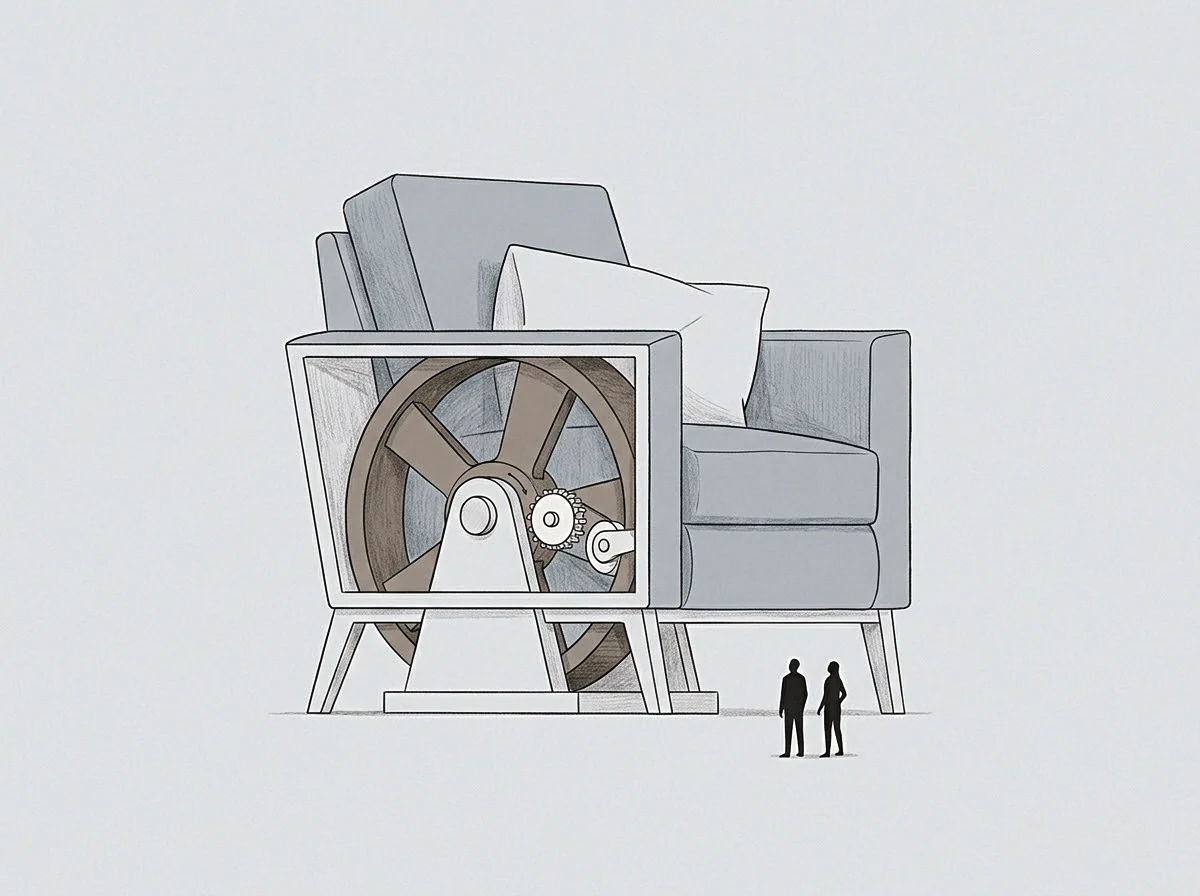
Dial
A founder sits up at three in the morning watching five incident reports come in while the rest of the company sleeps. A pulse steady at fifty beats a minute looks like composure to someone reading the timestamps at breakfast, but it marks a demanding physical adaptation. The brain’s baseline model assumes no help is coming.
When the system operates as if every threat has to be handled alone, neural vigilance stays locked at maximum, making solitary regulation expensive over time.
Social baseline theory shows that the nervous system views managing threats alone as a departure from its baseline. Being near someone familiar and predictable calms prefrontal cortex activity when anticipating pain, reducing metabolic load across cardiovascular and neuroendocrine systems. An insecure internal model upends that setup.
Growing up with inconsistent care or outright rejection conditions the system to budget energy assuming no one will share the burden, leaving solitary regulation as the default response.
A nervous system anticipating solitary problem solving expends three times the metabolic energy of a partnered brain.
Understanding this energy cost does not change it. Knowing one’s attachment style intellectually leaves the autonomic threat dial unmoved, because internal working models exist as procedural memory networks rather than conscious ideas. They run beneath deliberate thought, assessing safety within milliseconds of a cue.
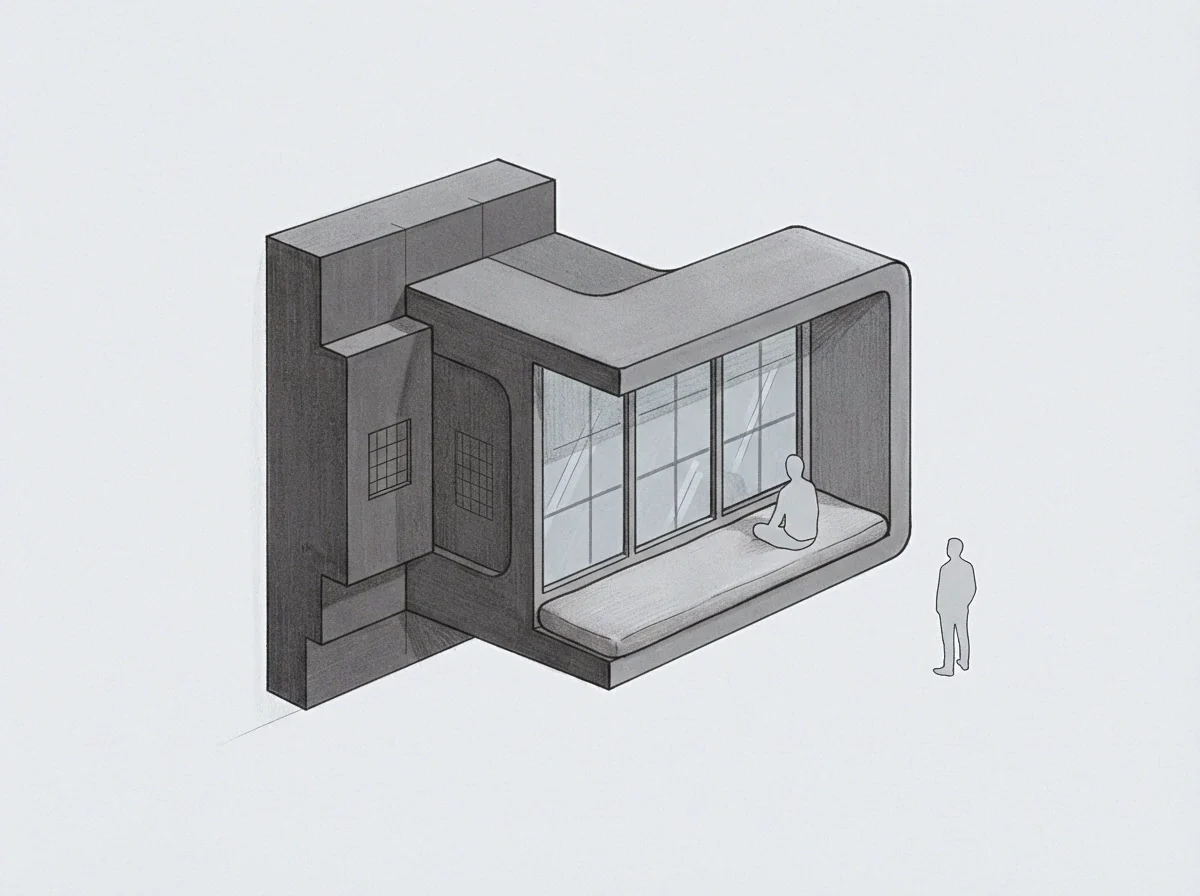
Predictive Baselines and Autonomic Calculation
Neural prediction errors happen when sensory input contradicts the brain’s internal expectations. If someone with an insecure model meets a responsive colleague or dependable partner, the primary predictive loop does not instantly absorb the new signal. Instead, it handles warmth as statistical noise or a threat, keeping the autonomic baseline elevated and eating up working capacity under constant vigilance.
That strain lands on specific systems. Sustained cortisol secretion alters insulin sensitivity, and persistent sympathetic tone raises systemic vascular resistance. To an outsider, an executive who steps through consecutive crises without visible distress looks effortlessly resilient, though they are seeing autonomic suppression while the founder absorbs the physical cost alone.
Predictive weights shift only when repeated experiences counter the internal model while under real physiological load.
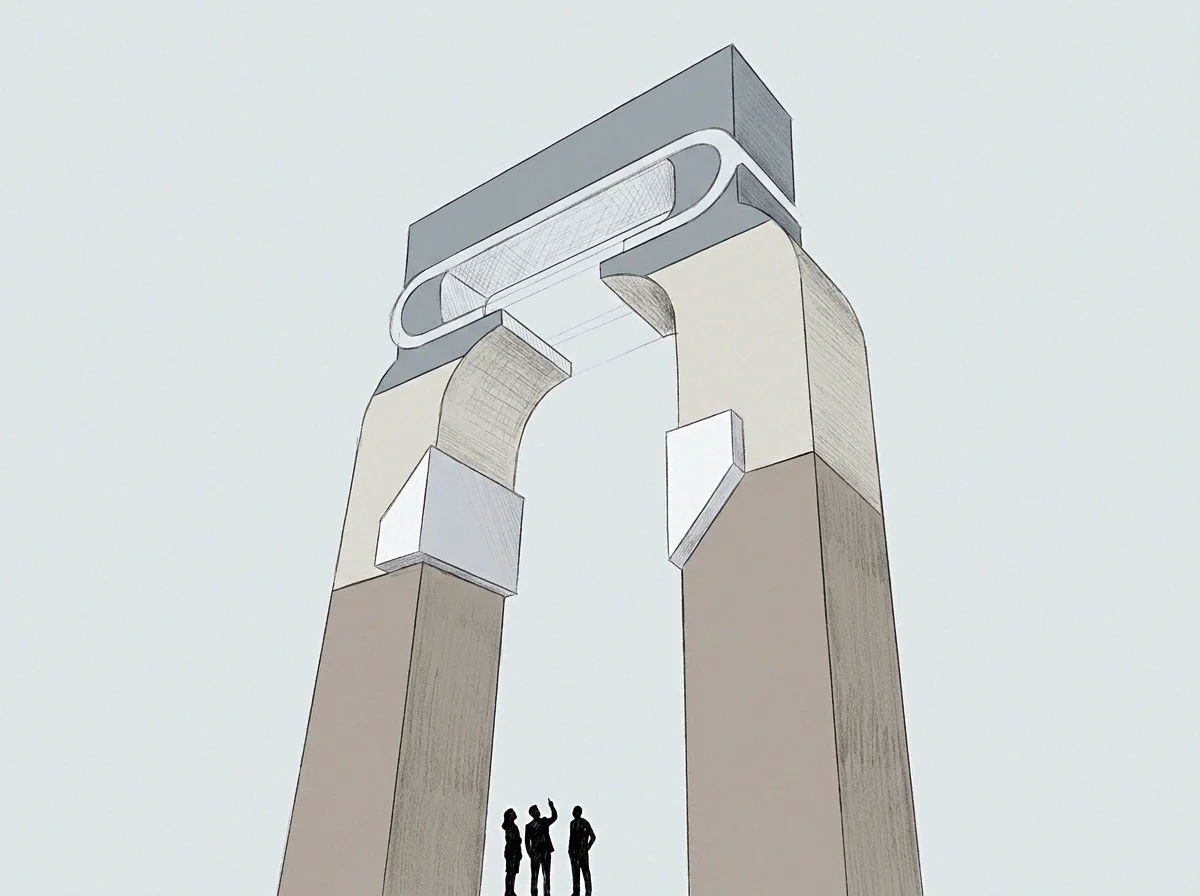
Post
Relational dynamics in high-stakes companies often mirror the early environments that shaped initial regulatory patterns. An operator conditioned to stabilize an anxious parent often selects co-founders whose volatility requires continuous balancing. Stepping into the anchor role feels familiar because it fits an old definition of safety: remain operational, absorb friction, and expect no support.
This arrangement creates an uneven equilibrium. Four team members lean directly on the operator’s steady presence during outages or negotiations, drawing on that stability to lower their own stress. They read an inability to ask for help as complete self-sufficiency, leaving the operator with little capacity to receive support in return.
Unidirectional regulation arrangements continuously drain the person serving as the baseline until physical exhaustion halts the system.
Over time, this dynamic weakens the broader organization. Relying on one person as a universal shock absorber stops the team from building shared resilience. These unbalanced environments tend to break along predictable lines.
- Hyperactivating vigilance loops drive up communication frequency while eroding decision quality during cash squeezes.
- Deactivating withdrawal sequences lead senior leaders to pull back from open communication channels when conflict arises.
- Compulsive caretaking patterns shift operational accountability from struggling executives onto an operator unable to set boundaries.
- Rejection anticipation reflexes turn routine board inquiries into signs of impending betrayal.
When the anchor operator eventually collapses under cumulative strain, colleagues often feel blindsided. The assumption was that everything was fine until the moment operations ground to a halt.
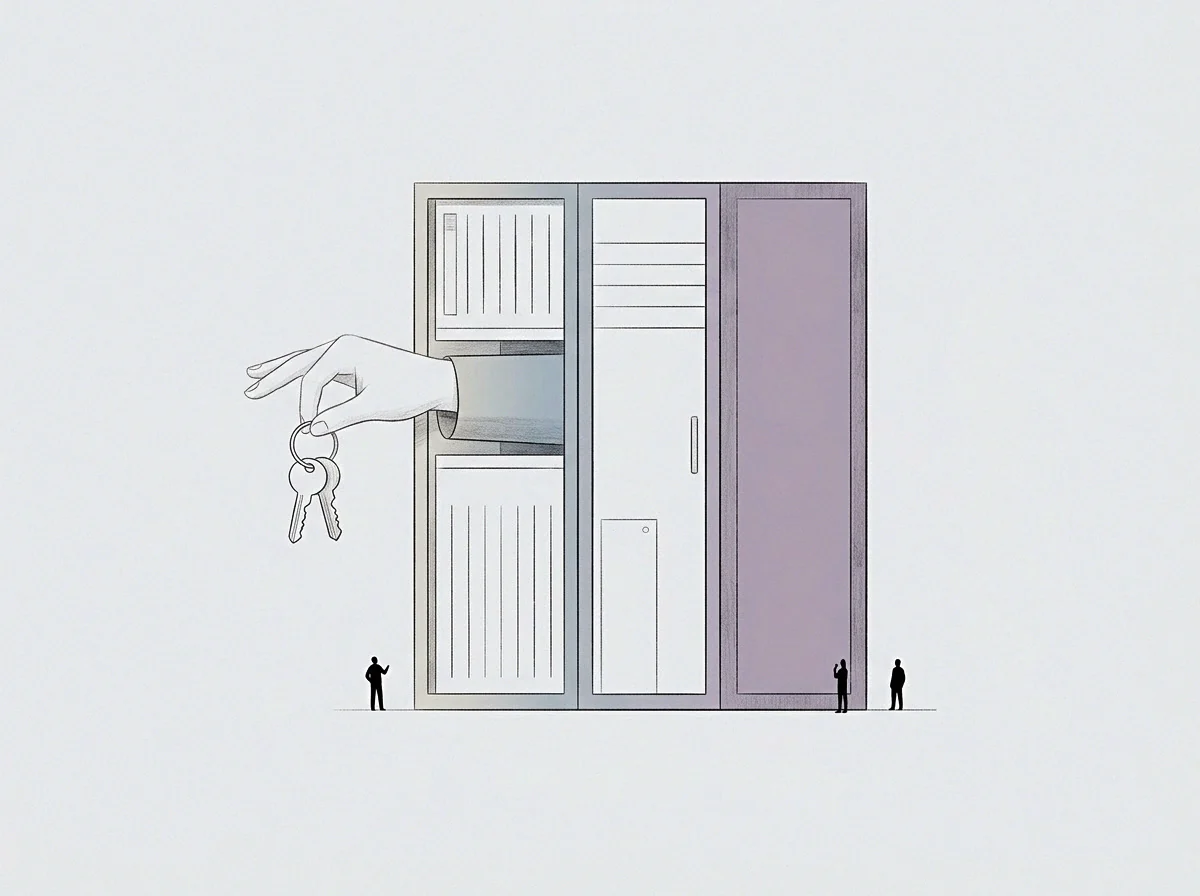
Touch
Physical proximity is the main biological path through which the nervous system updates its baseline assumptions. Lab tests tracking galvanic skin response and neural activity show that holding a partner’s hand clears the hypothalamic threat response when anticipating an electrical shock. Holding a stranger’s hand offers a partial reduction, while facing the threat alone triggers full hypothalamic-pituitary-adrenal activation.
Someone with an insecure working model encounters friction with this process. Offers of assistance or physical nearness are treated as added complication rather than relief, requiring a physical shift before cognitive acceptance can follow.
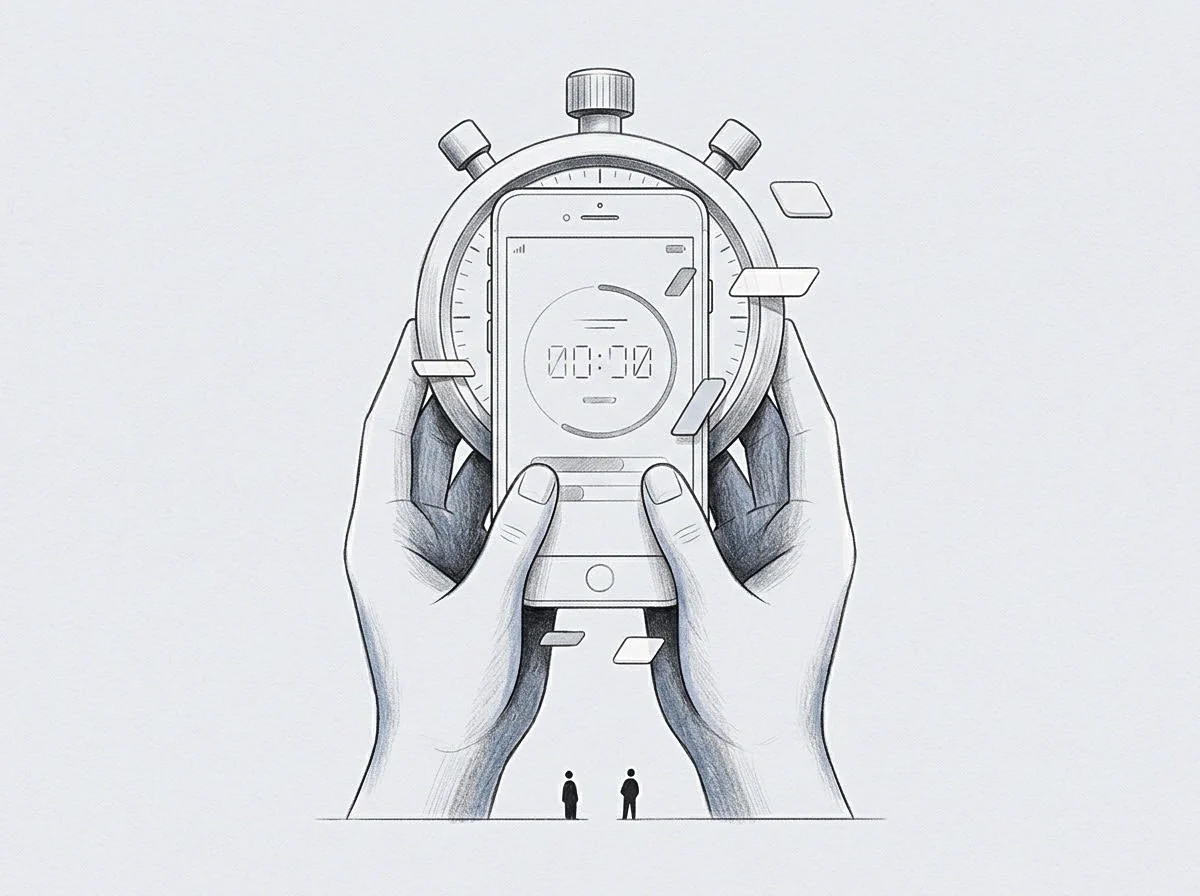
Has Repeated Physical Availability Altered Neural Threat Baselines?
Moving from an insecure model to earned security takes thousands of small interactions where vulnerability meets consistent attunement. That shift does not happen through isolated reflection in a quiet room; the autonomic system updates its baseline only through direct co-regulation.
During an operational failure, the habitual insecure response is to isolate and ruminate. Changing that pattern requires staying in the room with a calm counterparty rather than pulling away. When the other person speaks evenly and maintains steady eye contact, vagal tone gradually engages the parasympathetic brake to reduce muscle tension.
Repeated somatic safety in proximity gradually overwires historical threat expectations in procedural memory.
This revision unfolds through distinct behavioral shifts across attachment profiles.
| Working Model Classification | Initial Threat Baseline Assumption | Autonomic Metabolic Expense | Response to Interpersonal Proximity | Primary Update Catalyst |
|---|---|---|---|---|
| Anxious Insecure | Abandonment under operational stress is inevitable | Severe cardiovascular escalation and continuous hypervigilance | Compulsive seeking accompanied by rapid panic escalation | Predictable temporal cadence and unprompted verification |
| Avoidant Insecure | Assistance is unavailable and requests bring humiliation | Elevated sympathetic vascular tone masked by behavioral stillness | Physiological withdrawal and defensive somatic rigidity | Unobtrusive physical co-presence without relational demands |
| Earned Secure | Support is accessible while solitary capacity remains intact | Modulated autonomic balance with rapid homeostatic recovery | Spontaneous down-regulation in the presence of trusted peers | Accumulated evidence of non-punitive vulnerability |
Trying to bypass physical and relational experience with intellectual analysis leads to clear conceptual understanding while physical strain continues unchecked.

Weld
Developing a secondary internal working model is like joining green timber. The original pattern stays stored in subcortical circuits, firing whenever stress passes a given threshold. Earned security does not erase that template; it builds an alternative pathway with lower energy demands.
Building that pathway takes years of working through predictive mismatches. Consider two co-founders in their fourth year of operations. If the technical partner developed an avoidant pattern in an environment where showing distress invited mockery, a server failure triggers an impulse to drop communication, mute channels, and troubleshoot alone for eighteen consecutive hours.
Changing that response requires executing a clear sequence across multiple quarters.
- Threshold identification occurs when the operator catches physical signs of withdrawal before cutting off contact with the team.
- Micro disclosure testing involves sending a short note that capacity is full rather than going silent.
- Responsive receipt verification requires the receiving partner to acknowledge the update without giving unasked advice or expecting emotional reassurance.
- Physical co-presence endurance happens when the exhausted founder allows the partner to sit nearby while work continues.
- Post-incident somatic consolidation anchors the experience when both founders go over the recovery over a meal without reopening the stress.
Words alone leave the underlying template unchanged. Practical proof of safety, registered repeatedly while threat levels are elevated, gradually recalibrates the amygdala’s predictive responses.
A boundary stated in one clear sentence protects the relationship from the silent debts of unspoken compliance.
The underlying contract shifts when a founder clarifies operational limits before a crisis occurs.
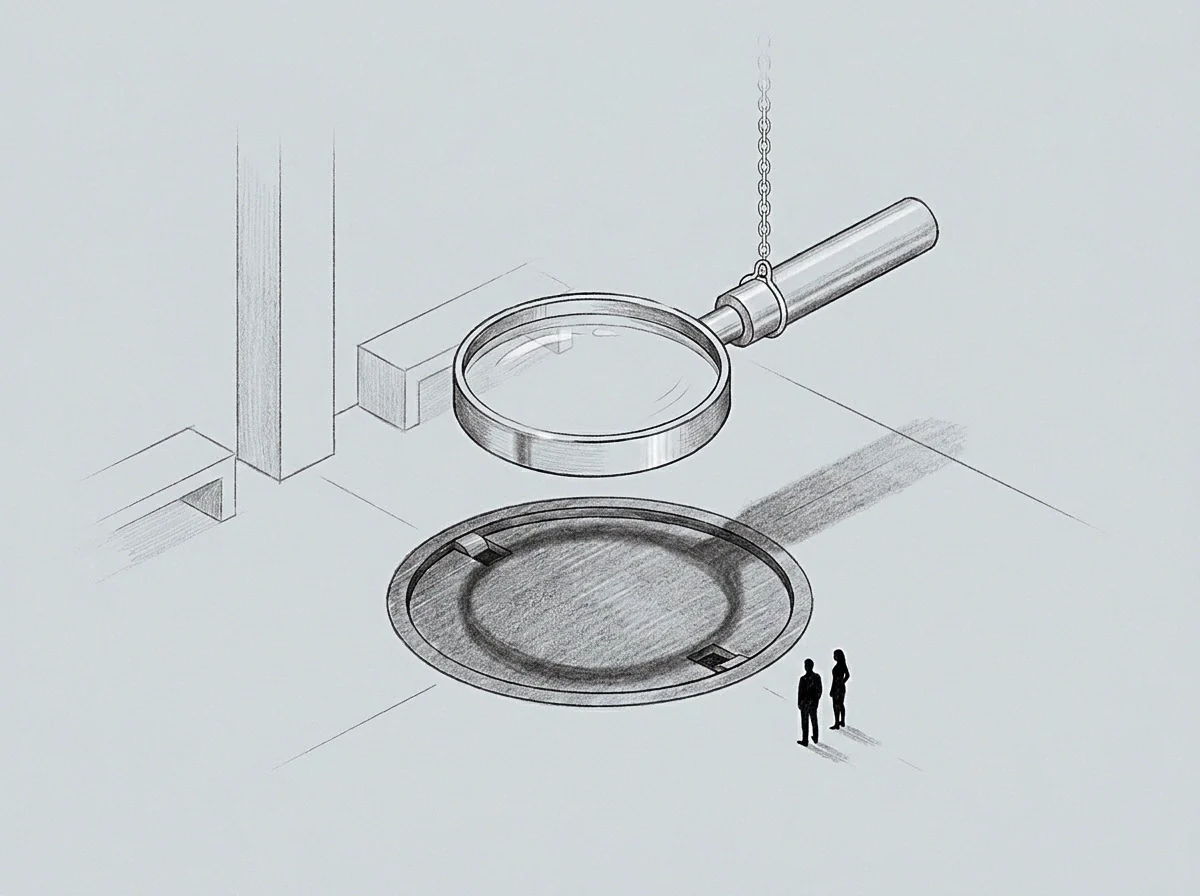
Harbor
An updated internal model changes how it feels to work alongside others. Persistent tension in the neck and diaphragm eases, freeing energy for complex planning and focus. Solitary regulation stops being the automatic reaction to uncertainty, making it possible to step back without constantly bracing for impact.
In high-pressure environments, this shift changes leadership dynamics. An executive operating from earned security avoids sending the subtle signals that push teams to overwork out of panic. Calm becomes a real presence in the room rather than a performed composure, allowing colleagues to stop treating the leader as an untouchable machine and engage as equal partners.
Even so, the line between an updated baseline and the original template remains vulnerable under severe stress. If severe sleep deprivation coincides with a major crisis, old pathways activate quickly, pulling the executive to isolate, reject support, and try to manage the crisis alone.
How many consecutive months of uninterrupted relational attunement are necessary before an ancient survival reflex permanently loses its capacity to seize control of executive function under systemic shock?