
Updating Internal Models Of Leadership Authority Under Stress
Executive authority under acute threat relies on internal working models that shift bioenergetic regulation costs onto individual leaders.

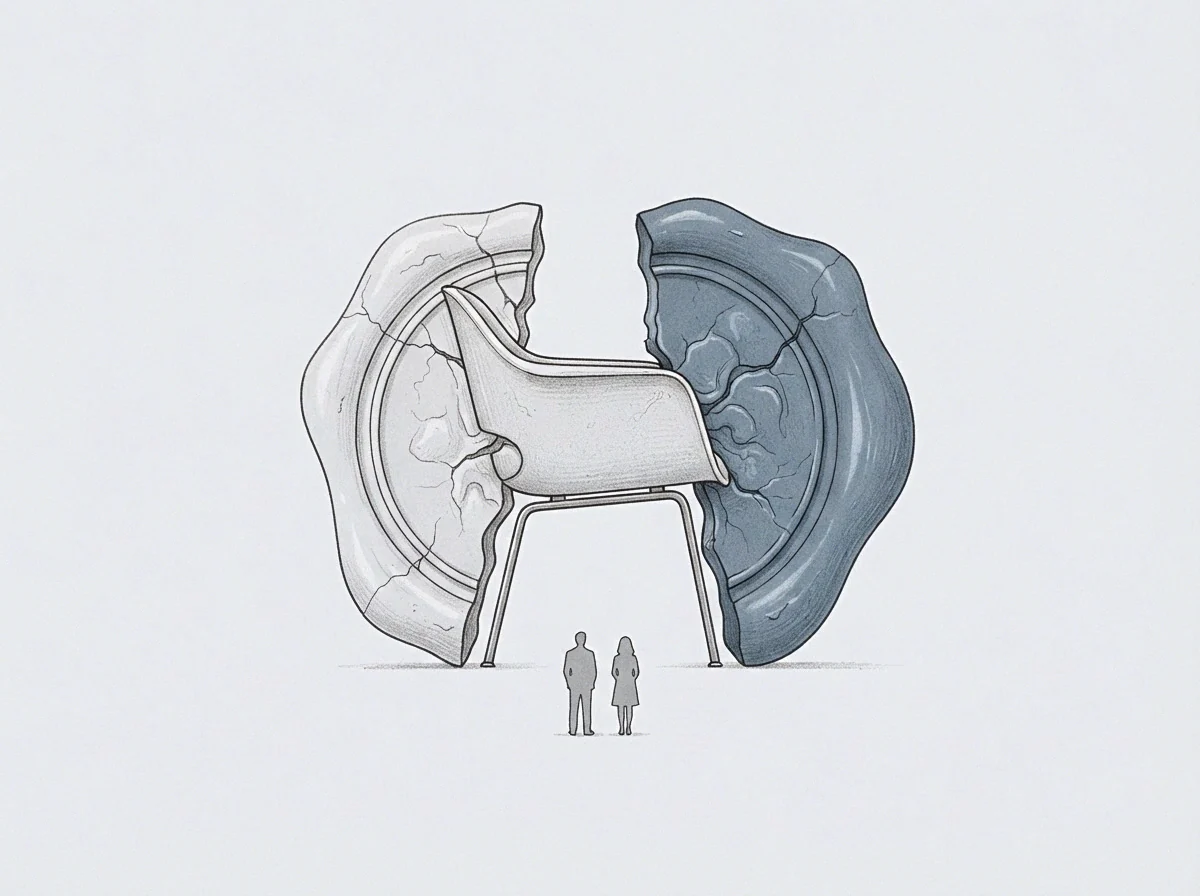
Weight

Physiological Baseline Under Threat
Four critical operational channels stall simultaneously on a Thursday evening while team leads wait for direction. The chief executive sits in an empty office, scanning incoming financial projections while absorbing the biological tension of forty employees. Neural threat calculation accelerates under acute environmental pressure.
The human brain manages threat and metabolic safety by assuming the presence of reliable social partners. When social support is perceived as reliable, the central nervous system offloads metabolic regulation to the environment, preserving prefrontal headroom for complex execution. Stress isolates the executive quickly.
Isolation forces the brain into solo regulation, which consumes vast bioenergetic resources. Self-regulation under organizational threat represents an expensive metabolic state. Threat perception increases sensory vigilance, elevates systemic cortisol, and restricts executive function to immediate survival patterns.
Leaders operating without accessible co-regulation experience rapid depletion of processing capacity. The biological system treats isolated responsibility as a continuous environmental hazard, expanding allostatic load across successive operational quarters.
Social baseline physiology establishes that neural threat calculation drops when a reliable presence is perceived within physical proximity.
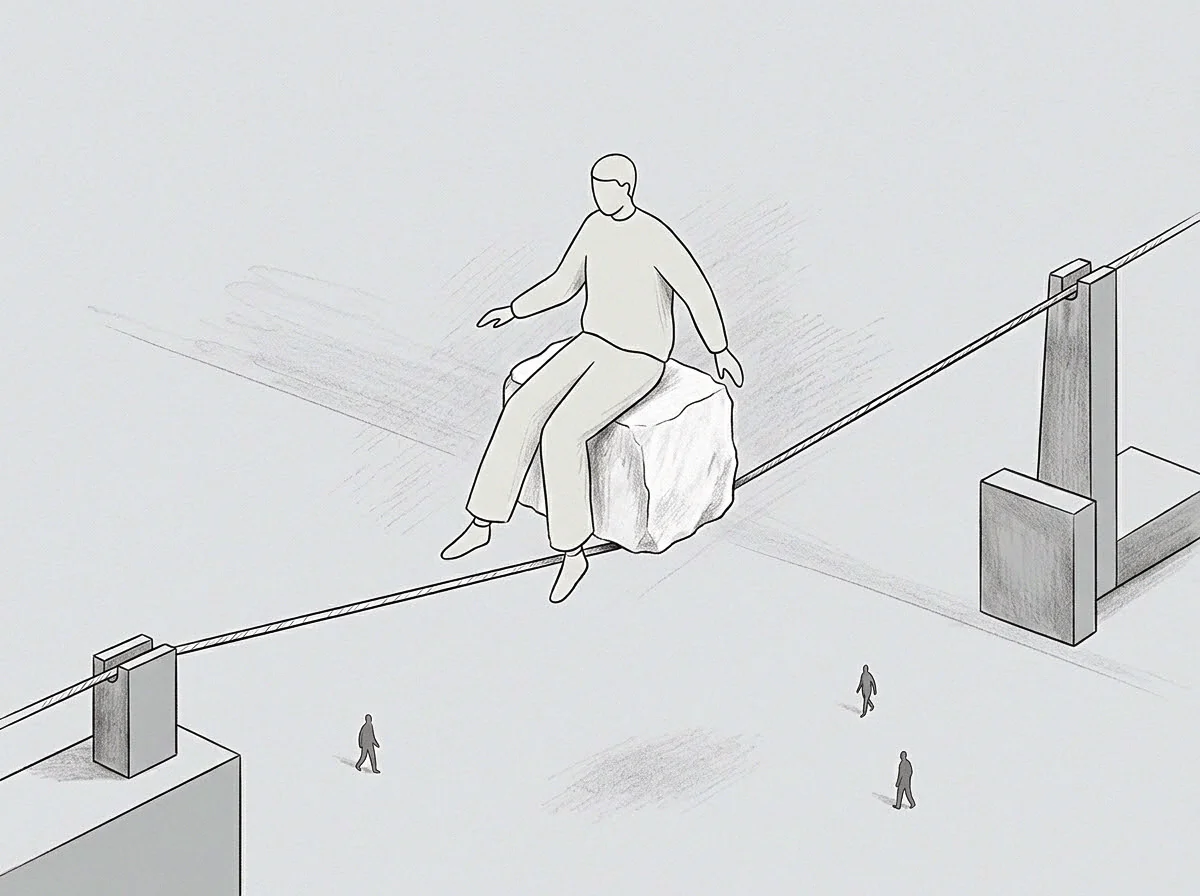
Metabolic Expenditure of Isolated Command
Stress isolates the person quickly. A leader holding an unresolved internal model of authority interprets team panic as an direct demand for unilateral stabilization. The baseline threat calculation shifts from shared environmental assessment to solitary defense.
In laboratory settings measuring ventral vagal tone and galvanic skin response, individuals facing physical or psychological threats in proximity to a supportive peer show diminished stress responses compared to those facing identical threats alone. The finding rests on physiological studies of small cohorts subjected to acute laboratory stressors; extending this mechanism to multi-year corporate authority dynamics assumes that organizational proximity mirrors interpersonal physical safety. A careful leader acknowledges this empirical gap and structures structural touchpoints around actual operational contact rather than assuming structural authority provides biological calm.
Continuous solitary regulation produces predictable performance degradation across executive functions. The threat lowers cognitive headroom. Working memory contracts under sustained physiological arousal.
Strategic decision horizons collapse from multi-year planning to immediate risk mitigation. When an organization faces acute market pressure, the internal model of authority determines whether the leader draws regulatory support from the team or absorbs the entire organizational anxiety into personal neural architecture. Sustained isolated regulation accelerates physiological exhaustion, resulting in premature structural breakdown of decision quality across the executive team.
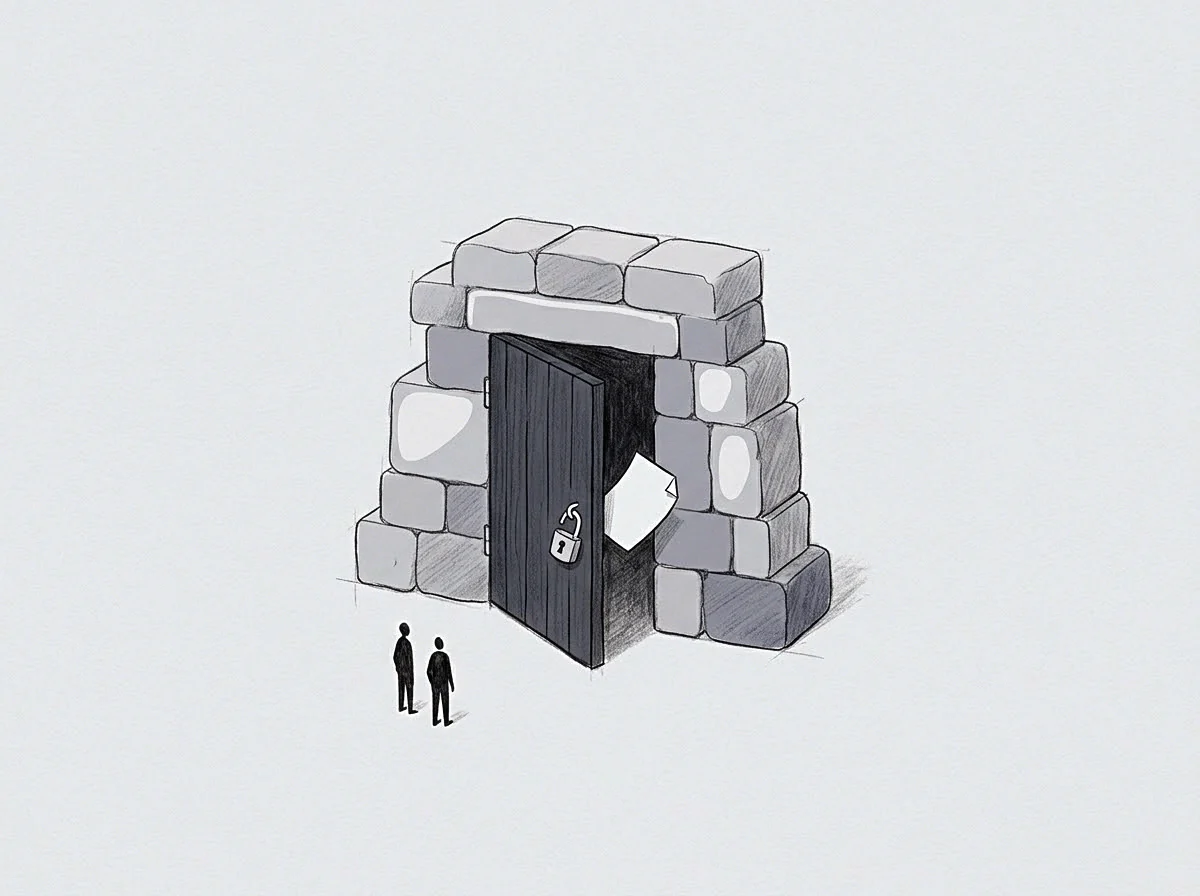
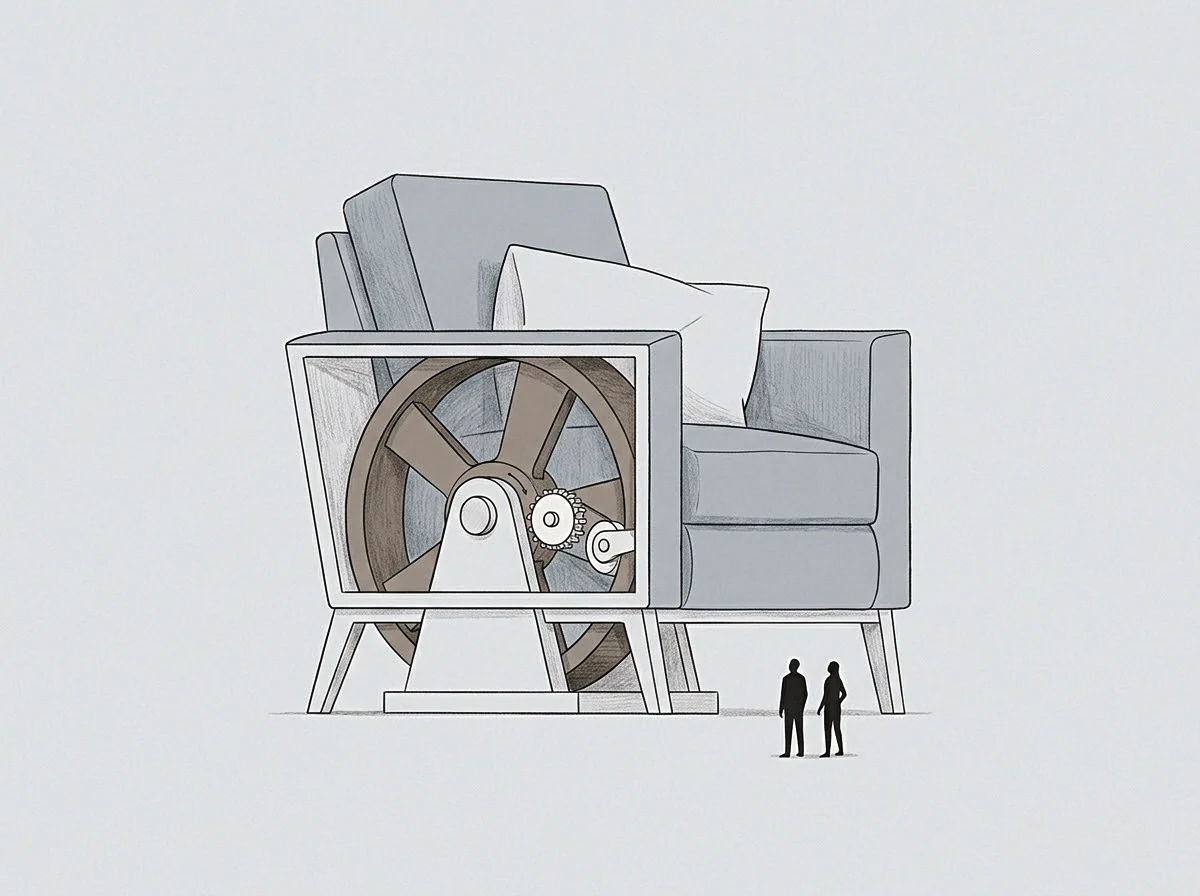
Slot

Which Internal Model Holds Under Strain?
Early developmental experiences establish internal working models of relational authority. A child who experiences consistent relational safety internalizes a template featuring a responsive secondary regulator. The internal architecture contains a dedicated receptor slot designed to receive stabilization from exterior sources during moments of distress.
Conversely, a child who experienced chronic relational unpredictability internalizes an inverted template. The individual learns to function as their own sole regulator while simultaneously stabilizing vulnerable adults in their immediate environment. Authority becomes synonymous with solitary burden.
Founders frequently emerge from backgrounds where this inverted template developed early. The individual internalizes a working model that merges self-regulation with the regulation of others while omitting any capacity to be held. The budget balances at baseline.
Under normal operational conditions, high functional competence conceals this structural omission. The leader appears exceptionally self-reliant, composed, and capable of handling high organizational volatility without visible strain. The internal model operates smoothly as long as environmental demands remain within normal limits.
An internal working model formed without a receptor slot forces the individual to absorb team volatility as personal allostatic load.
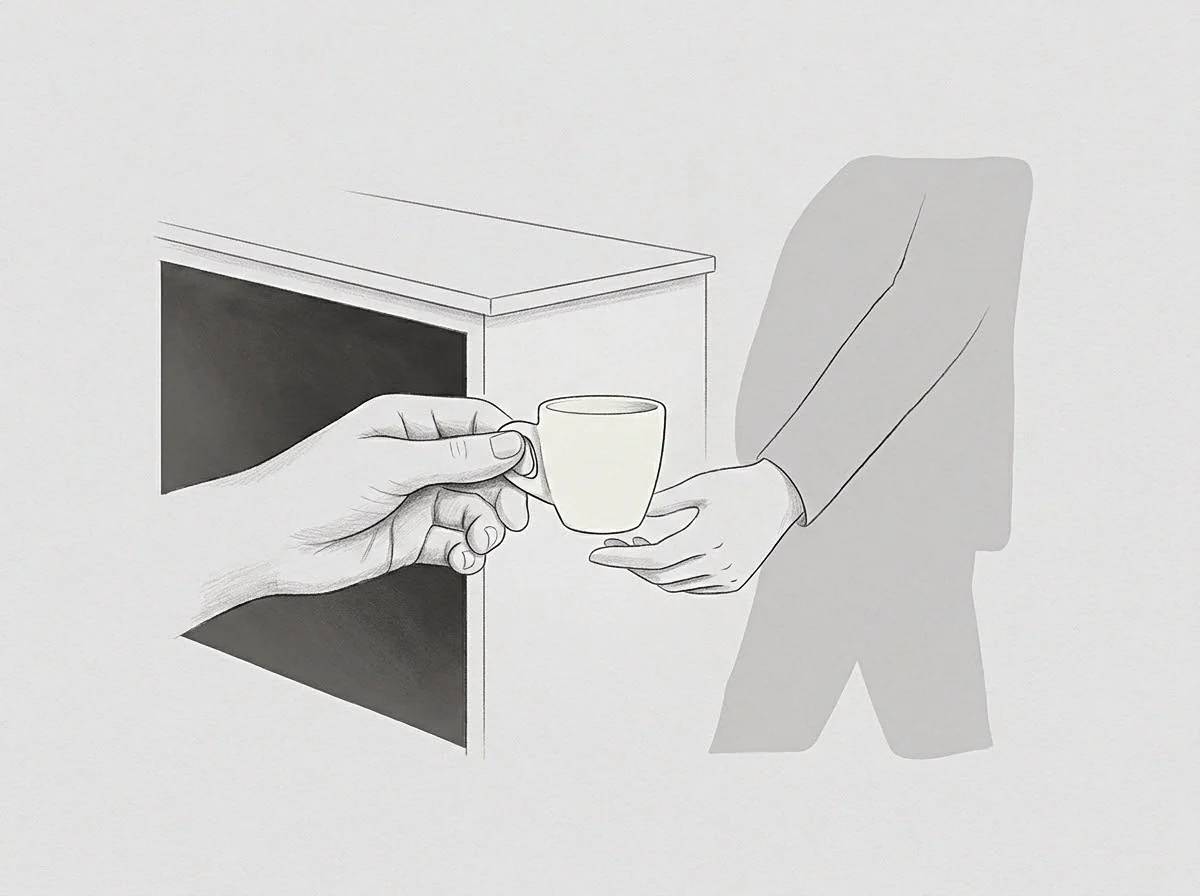
Structural Omission of the Receptor Slot
Acute stress exposes the structural limit of the inverted working model. When organizational pressure escalates, team members instinctively seek regulatory proximity from the leader. The leader’s internal template contains no active slot for receiving external calm, converting incoming relational needs into additional operational demands.
The executive experiences team distress not as a signal for mutual baseline alignment, but as an absolute requirement for unilateral heroic intervention. The system becomes biologically unsustainable.
- Isolated Regulation Model enforces complete metabolic self-reliance during crisis events while rejecting peer regulatory input.
- Inverted Template Structure treats incoming team panic as a personal debt that must be resolved through immediate solo exertion.
- Unilateral Authority Assignment prevents the formation of mutual co-regulatory support structures within executive teams.
The absence of a receptor slot creates a severe asymmetric load distribution across leadership teams. Executive peers attempt to offer support, but the leader’s internal model misinterprets non-directive assistance as incompetence or secondary burden. Presence alters threat perception immediately.
The leader maintains absolute control over all regulatory processes to prevent perceived structural collapse. The underlying operational environment remains volatile because team members cannot stabilize their own physiological states without authentic co-regulatory reciprocity from the executive. The team begins to feel that no matter how much support is offered, the executive remains entirely unreachable in moments of genuine crisis.
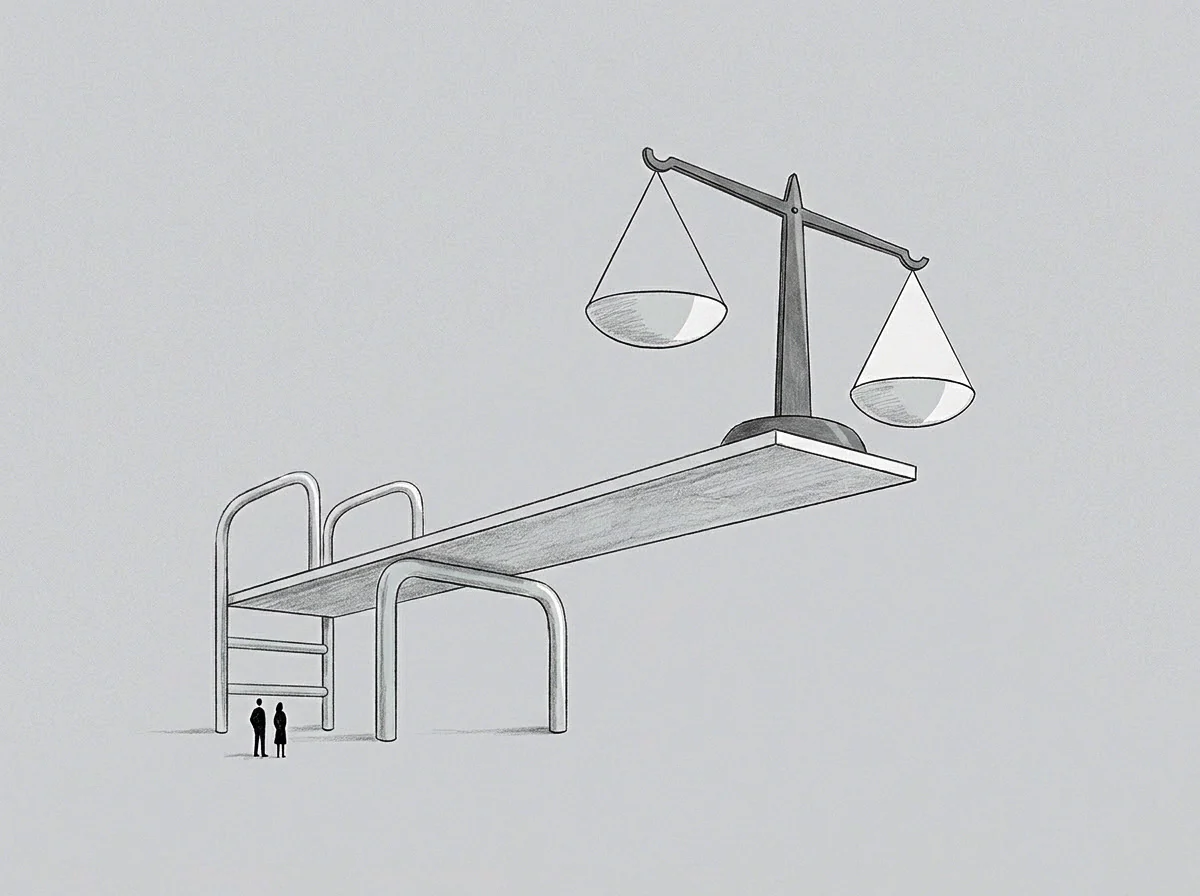
Table
Comparative Dynamics of Authority Structures
Authority structures under stress operate along distinct bioenergetic pathways depending on whether the internal working model permits shared baseline regulation. Take two executive teams operating through identical market corrections over six months. The first executive team relies on an isolated primary model, where the chief executive retains total regulatory responsibility for all strategic decisions.
The second team utilizes a co-regulated structural model, where relational presence and decision weight are distributed across senior partners. The bioenergetic expenditure differs sharply between these configurations across every measurable operational metric.
| Authority Model | Primary Regulatory Source | Allostatic Load Distribution | Capacity Under Sustained Stress |
|---|---|---|---|
| Isolated Primary Model | Self-contained internal regulation | Concentrated entirely on the single leader | Rapid depletion of cognitive headroom |
| Co-Regulated Structural Model | Shared social baseline presence | Distributed across executive peers | Sustained decision stability under threat |
The comparative data illustrates how authority structures influence systemic endurance. Bioenergetic cost accumulates under isolation. In the isolated primary model, threat processing remains highly centralized.
The leader absorbs organizational volatility without distributing regulatory tasks, causing rapid cognitive attrition. Threat alters neural resource mapping. In contrast, the co-regulated model uses peer proximity to buffer metabolic expenditure, preserving prefrontal capacity for complex problem-solving during extended operational emergencies.
Delegation under high stress fails when operational control transfers without a corresponding transfer of regulatory presence.

Operational Consequences of Centralized Authority
Centralized regulatory models create severe operational bottlenecks during high-stress periods. Internal models resist verbal correction. When an executive operates as the sole biological anchor for an organization, every operational dispute escalates to the executive office for emotional grounding.
Team members stop resolving conflicts at lower structural levels because their own internal systems require the leader’s direct presence to achieve regulatory baseline stability. The organization becomes hyper-dependent on a single neural architecture.
Distributed authority models require an explicit update to the leader’s internal working model. Shared load reduces energetic drain. A leader must internalize the safety of shared responsibility before structural delegation can function under pressure.
Without this internal template shift, formal delegation remains superficial; the executive retains emotional ownership of the delegated tasks, continuing to pay the biological cost of total operational outcomes. True structural distribution of authority only occurs when the executive’s underlying neural model permits authentic co-regulation with executive peers, changing the operational baseline from solitary defense to mutual environmental orientation.
When an executive successfully establishes a stated condition of shared regulatory responsibility within the senior leadership tier, the entire organizational threat surface contracts immediately, enabling strategic focus to resume despite persistent external volatility.
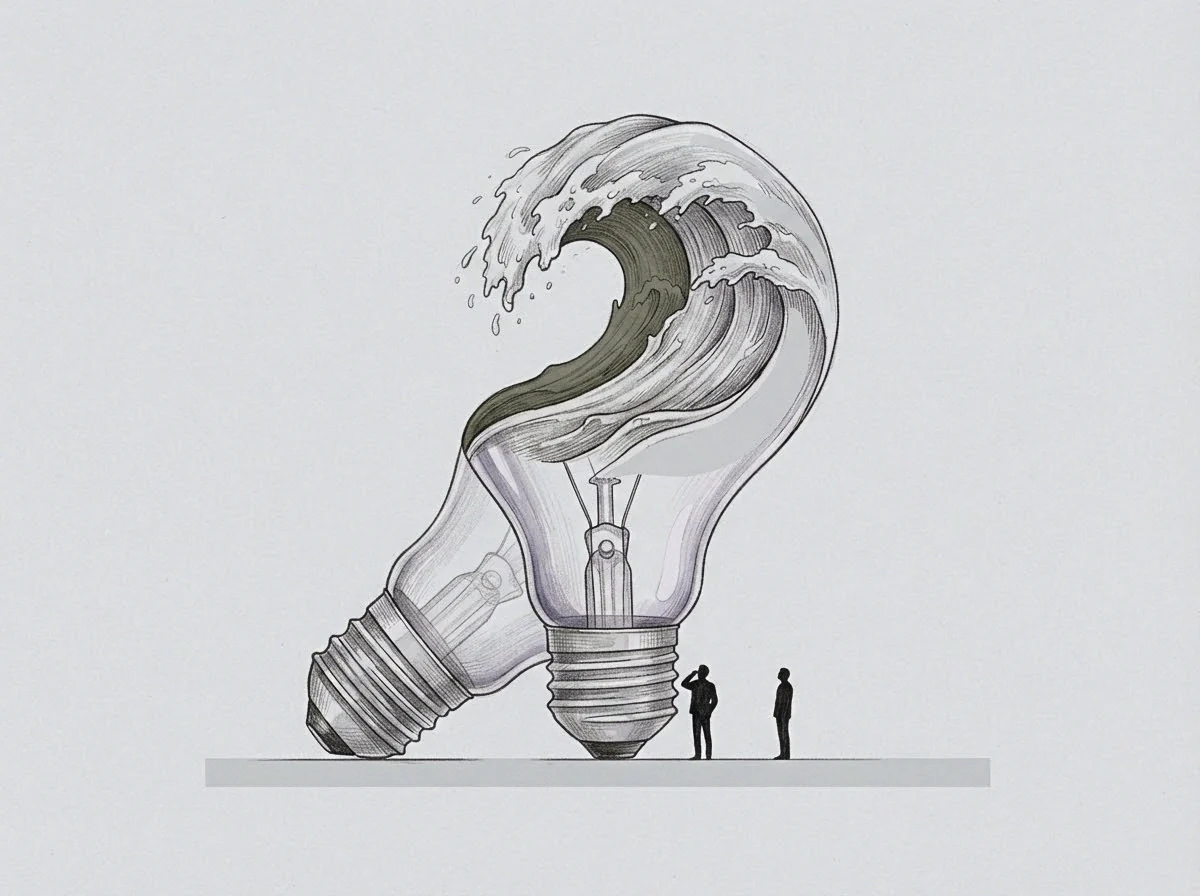
Signal

Breakdown of Structural Limits Under Load
Stress causes internal authority models to regress toward their earliest baseline configurations. A leader facing compound operational threats defaults to familiar survival patterns, overriding recent structural changes or explicit communication protocols. A stated limit protects headroom.
When incoming operational requests exceed processing bandwidth, a leader with an isolated working model increases working hours rather than enforcing operational limits. The internal model interprets refusal of load as personal structural failure, driving continuous over-extension until functional exhaustion occurs.
Communication patterns break down predictably during extended stress events. The executive ceases transmitting strategic context to vice presidents, relying instead on quick operational directives issued from an emergency mindset. The signal becomes noisy and fragmented.
Team members read the executive’s elevated tension as an indicator of impending organizational disaster, escalating their own baseline stress responses. This feedback loop amplifies biological costs across the entire firm, degrading operational execution and accelerating turnover within key functional departments.

Sequence of Systemic Regulatory Attrition
- Initial environmental threat triggers acute cortisol elevation and contracts executive strategic planning capacity.
- The leader defaults to solitary regulatory patterns, rejecting peer co-regulatory inputs and tightening operational control.
- Team members absorb elevated executive anxiety, losing internal baseline stability and escalating operational requests.
- Systemic bandwidth exhausts fully, producing operational stalling, miscommunication, and acute burnout across leadership tiers.
Structural limits require unambiguous enforcement to protect leadership headroom during sustained corporate strain. When limits are absent, the organization functions as a load-transferring system that routes all unmanaged volatility directly to the executive seat. The chief officer becomes an energetic heat sink, absorbing structural friction until personal health or operational integrity breaks.
Establishing firm boundaries around communication availability and decision scope represents an essential operational mechanism for preserving biological baseline function under pressure. Where does authority transfer when the primary internal model refuses to yield operational control before total physical exhaustion occurs?
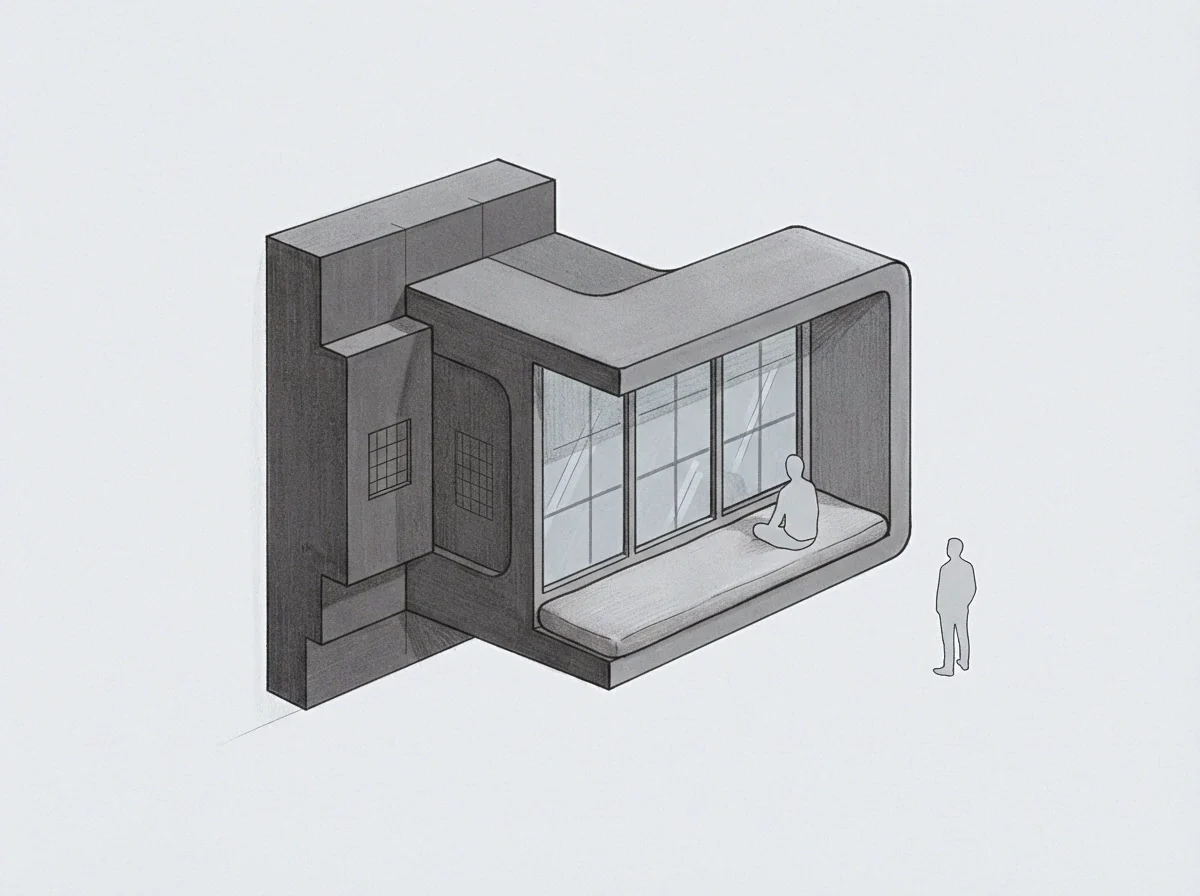
Presence
Updating Models Through Earned Security
Internal working models of authority resist intellectual revision. Understanding the origin of an inverted template does not alter the underlying neural architecture governing real-time threat evaluation. Updating requires earned security: a process where repeated, real-time relational experiences rewrite fundamental expectations of social baseline safety.
Earned security develops through repeated contact. A leader updates an internal model by experiencing sustained distress in the physical presence of a reliable peer who does not dysregulate, abandon, or demand immediate emotional caretaking.
Earned security forms slowly through small, consistent interactions during active operational strain. The process rests on developmental literature demonstrating that attachment security can be acquired in adulthood through stable relational bonds; this finding depends on prolonged longitudinal assessments across clinical and non-clinical populations, meaning rapid executive coaching interventions may not replicate identical neural updates. A prudent leader constructs structural arrangements that mandate peer interaction under stress, allowing relational reliability to demonstrate safety over extended operational quarters.
Template updating occurs through repeated real-time experiences of shared distress rather than analytical reflection.
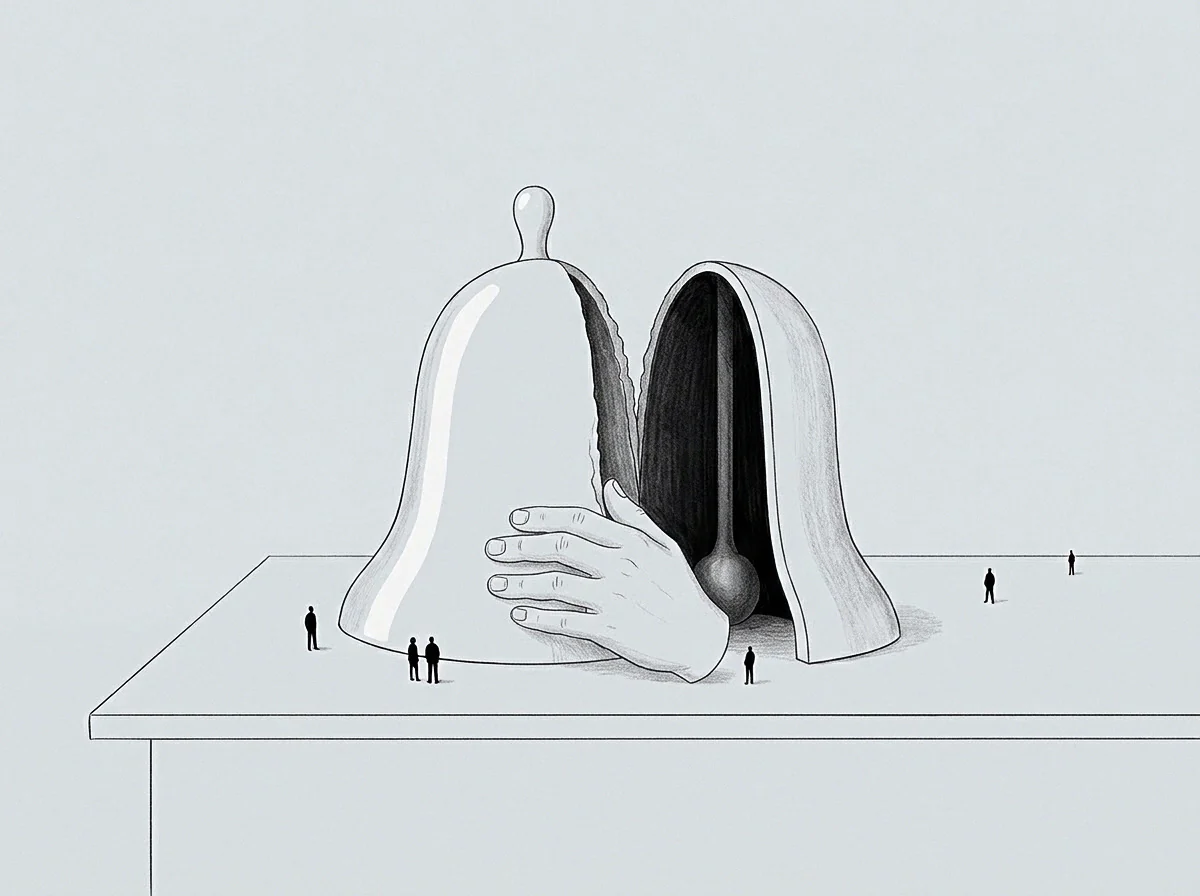
Delta of Relational Safety Over Time
The update path requires the gradual construction of a functional receptor slot within the leader’s internal working model. Reliability builds the missing slot. Initial attempts to accept co-regulation feel awkward and dangerous to an inverted template; the executive perceives vulnerability as an immediate operational hazard.
Over time, repeated exposure to dependable peer presence during crisis events shifts the baseline threat calculation. The central nervous system slowly registers that shared regulatory responsibility does not cause organizational collapse, allowing prefrontal processing capacity to remain online despite ongoing environmental volatility.
Authority shifts under acute pressure. As the second template consolidates, the leader’s external presentation changes naturally from hyper-vigilant solo defense to grounded, co-regulatory presence. Team members respond to this shifted baseline by stabilizing their own internal states, reducing the overall volume of reactive operational requests reaching the executive office.
Operational clarity emerges naturally when social baseline safety is restored to the senior leadership structure. The cost of leadership authority drops when social baseline regulation is shared across a reliable peer structure.