
Autonomic Nervous System Strain In Unsupported Single Operator Business Structures
Solitary commercial operations force the human nervous system to bear threat monitoring costs alone without the autonomic buffering of co-regulation.
Solitary commercial operations force the human nervous system to bear threat monitoring costs alone without the autonomic buffering of co-regulation.
Tracking neuroendocrine recovery during organizational transition requires isolating circadian hormonal slopes from acute task friction through targeted biomarker timing.
Co-locating depleted leaders forces mutual subcortical threat scanning, increasing autonomic regulation costs when neither person offers a baseline state.
Distributed executive regulation shifts threat appraisal from an isolated nervous system to a collective social baseline, preserving strategic capacity under duress.
Autonomic hyperarousal elevates perceived existential risk, driving internal hurdle rates higher while inflating treasury cash buffers into defensive shields.
Unilateral emotional regulation in broken executive teams forces one nervous system to absorb collective friction, driving severe neuroendocrine and vascular breakdown.
Structural corporate deficiencies transfer directly into human physiology when organizational buffers are absent, terminating in autonomic threshold failure.
Irreversible cardiac remodeling occurs when chronic vagal withdrawal permits sustained adrenergic drive to trigger covalent lysyl oxidase collagen cross-linking.
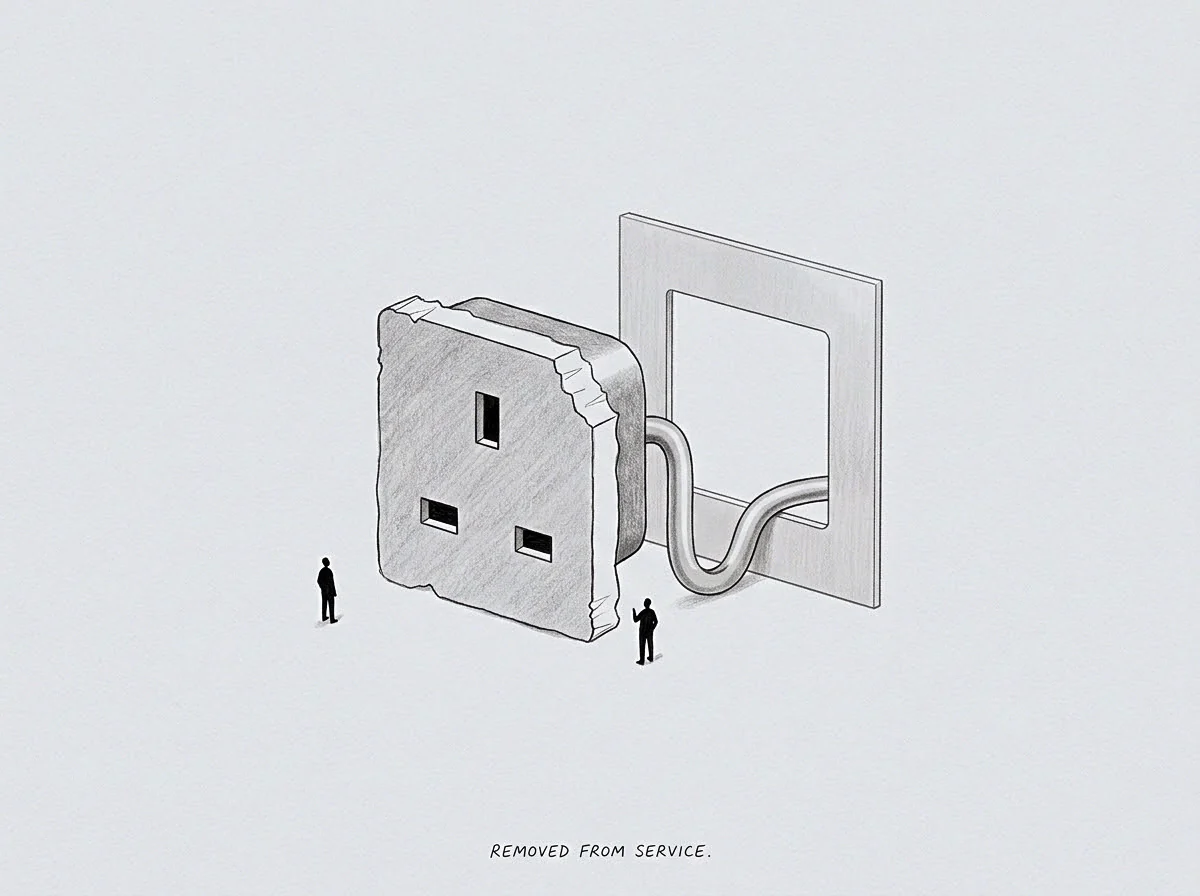
Autonomic throttling shuts down physical initiation to preserve depleted biology, while organizational apathy reflects low outcome valuation in a normal nervous system.
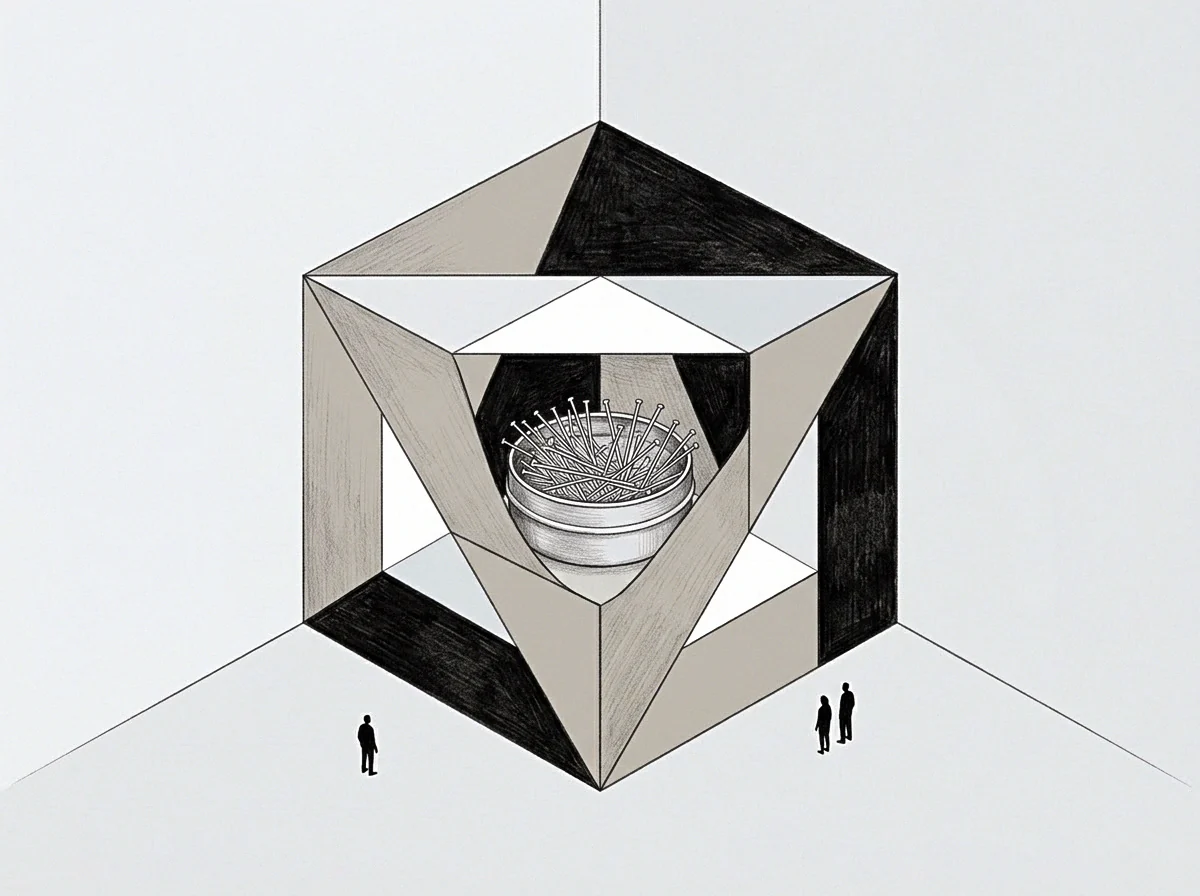
Neuroendocrine exhaustion in single point leaders results from chronic unbuffered operational demand, requiring structural input gating to restore allostatic balance.
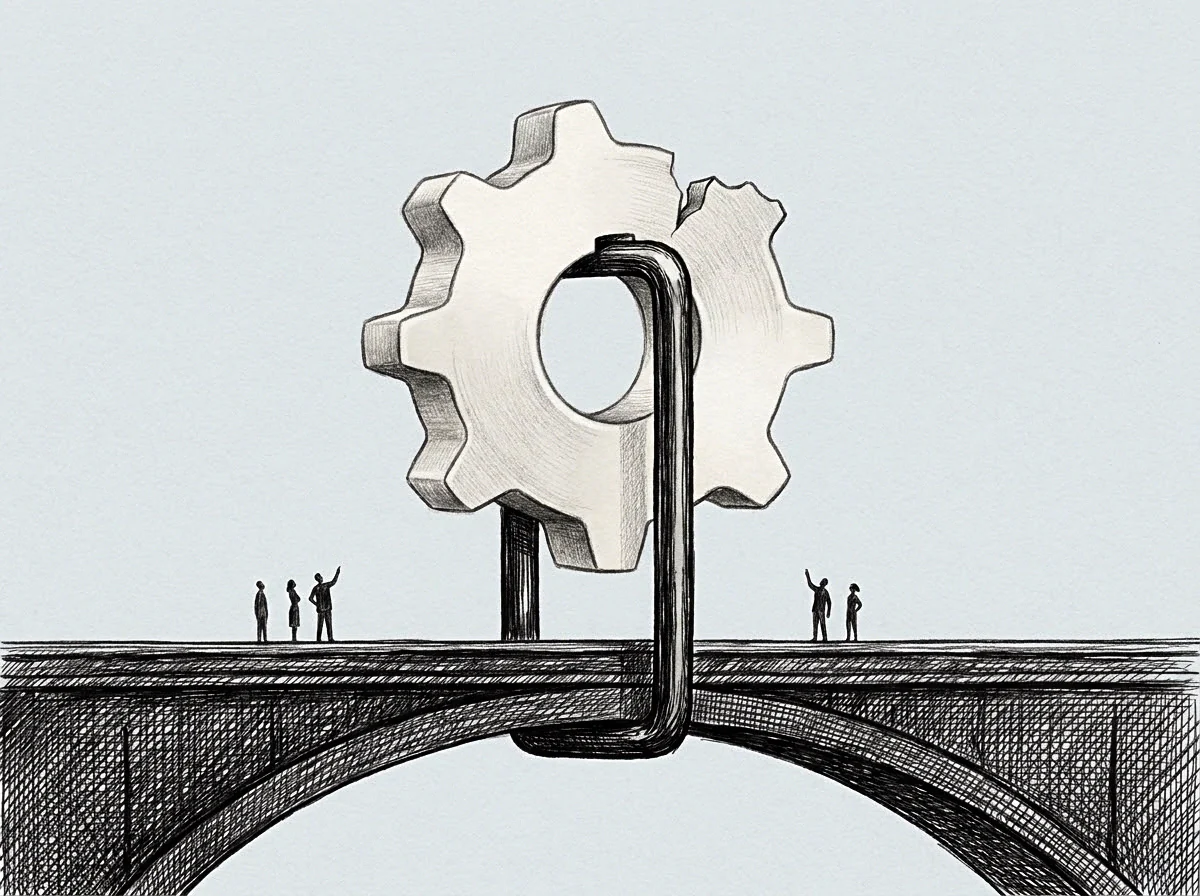
Executive autonomic dysregulation degrades prefrontal risk processing, forcing capital allocation away from objective underwriting toward defensive, loop-closing threat avoidance.
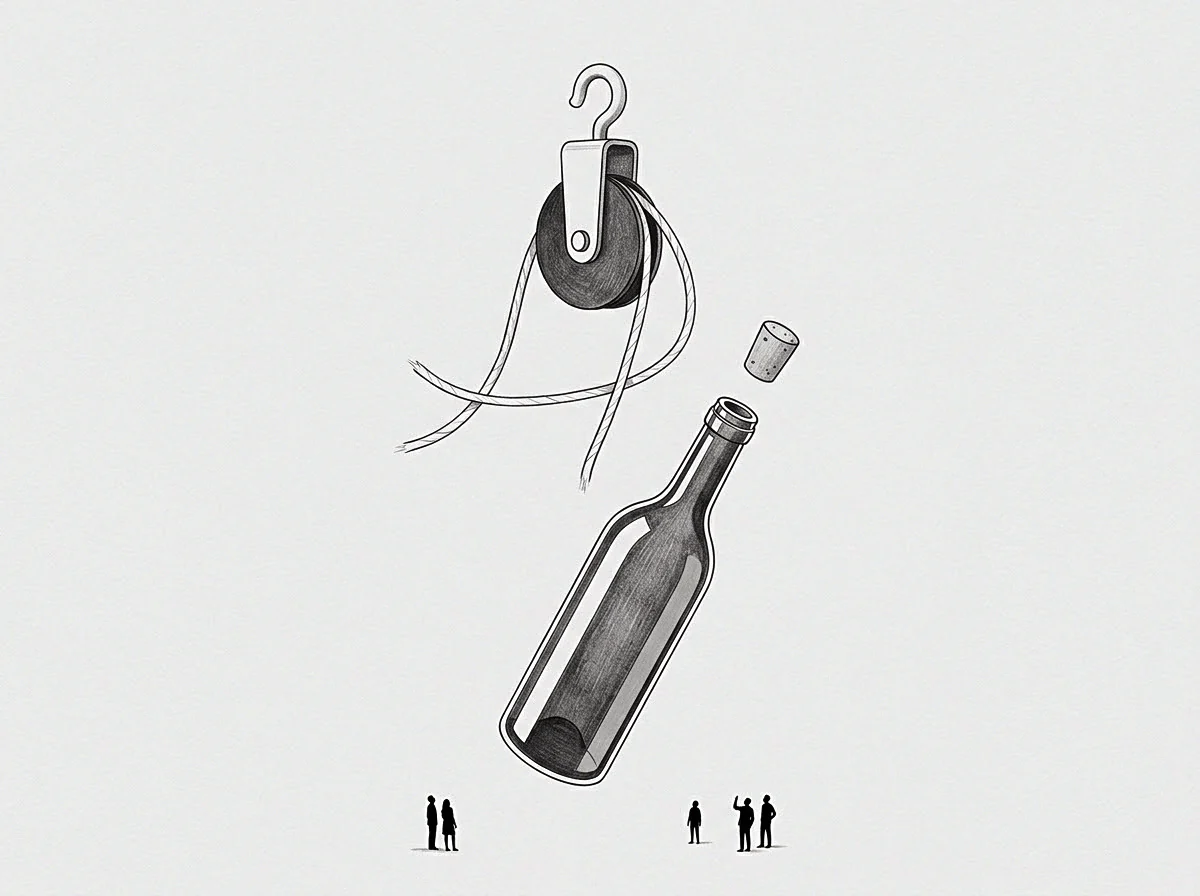
Autonomic exhaustion occurs when a depleted nervous system encounters domestic proximity as a renewed demand for social regulation rather than a source of safety.
High sustained work load delays parasympathetic recovery upon entering home environments, converting domestic proximity into acute sympathetic expense.
The terms are written where they belong. Each field holds three desks, and every entry a desk writes raises the terms it uses, each term given a meaning, a mechanism and the places it appears. The record on these pages stays first person and hand made; the fields grow the nomenclature.