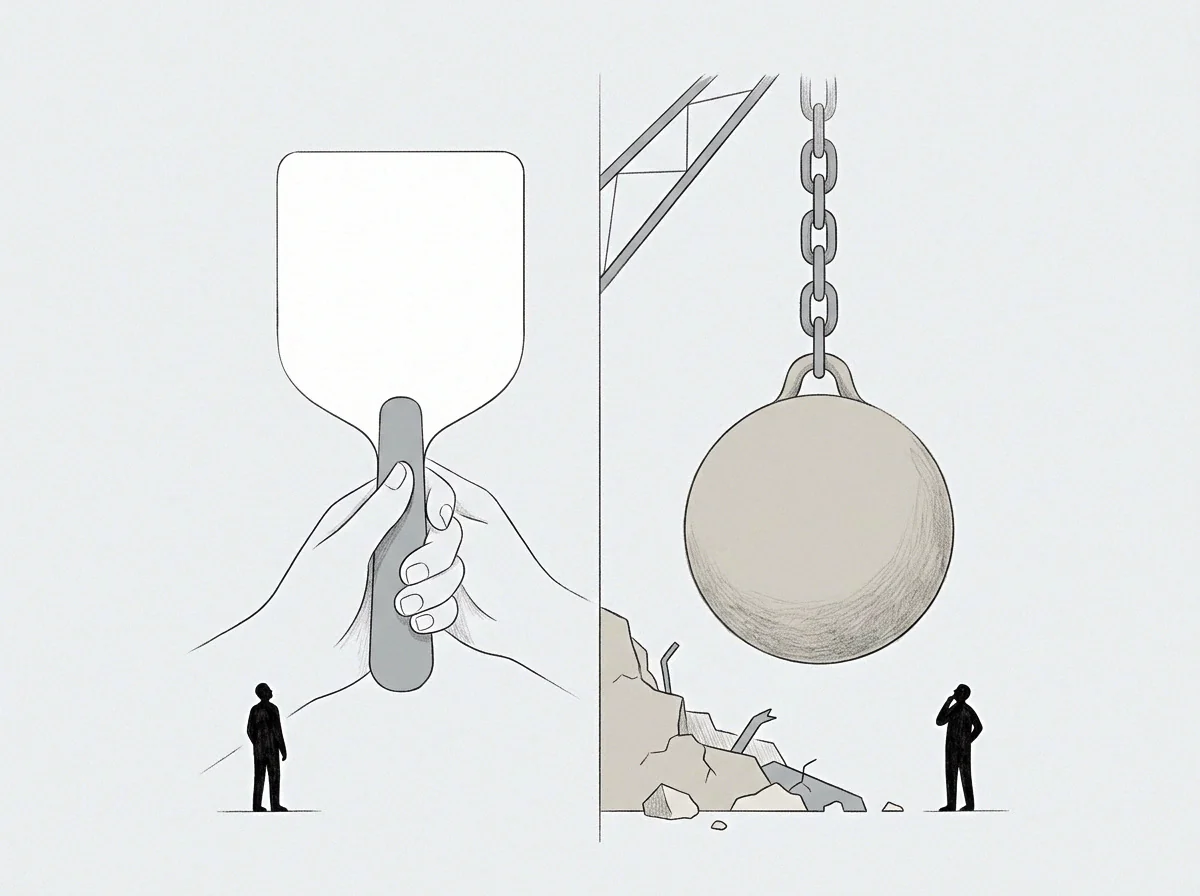
Meaning
Productive effort for which the performer receives no direct financial or formal reward constitutes a hidden drag on personal capacity. This uncompensated labor often includes the emotional work of managing former employees or the administrative tasks of a wind-down. It consumes time and energy that could be spent on new ventures or recovery.
The boundary of uncompensated labor is found where a person refuses to perform tasks without a contract.
Hidden Contribution
Invisible work keeps the wheels of an old organization turning long after the founder has officially left. While uncompensated labor is not on the payroll, it is required for a smooth transition. This contribution is often taken for granted by those who remain in the company.
Resource Extraction
Energy flows out of the individual without any return on the investment. The weight of uncompensated labor becomes heavy when the person realizes how many hours they are giving away for free. This extraction can lead to resentment and a delay in the person’s ability to move on.
Attention Cost
Focusing on old problems prevents the person from seeing new opportunities. Every hour spent addressing the lingering needs of a former role represents a direct theft of time from the future potential of the individual. This cost is not just financial but a drain on attention.
When the mind remains trapped in the past, new ventures cannot take root. Real progress is only possible when the individual sets firm limits on what they will do for free. The final step of any exit is the total cessation of this unpaid effort.