Meaning
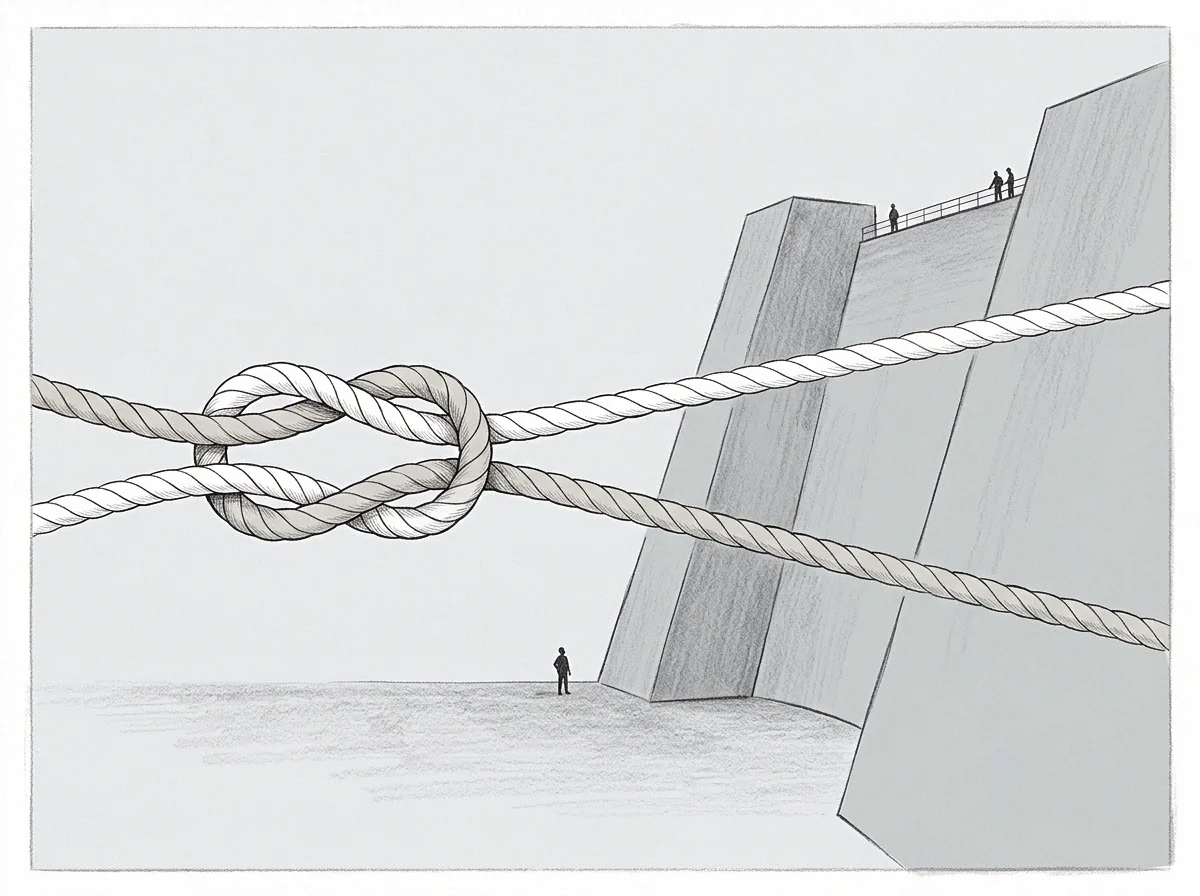
Cognitive division happens when a complex goal is split into so many small parts that the original purpose is lost. Severe task fragmentation occurs when a person is forced to switch between many different types of work throughout the day. This constant switching drains mental energy and reduces the quality of the final output.
Fragmentation Cost
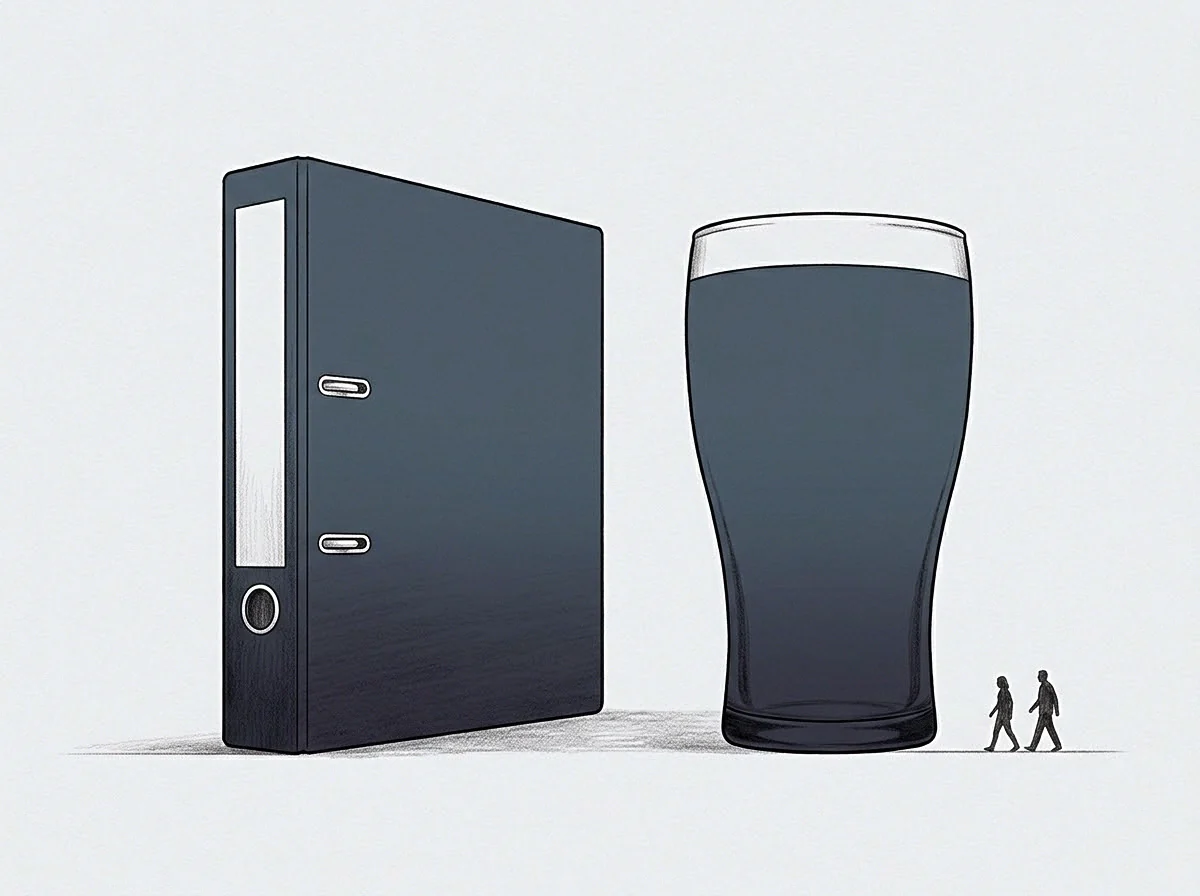
For a founder dealing with legal, financial, operational, and personal issues simultaneously, the cost of switching focus becomes prohibitive. Each switch requires a period of re-orientation that drains mental energy. The constant interruption prevents the brain from entering a state of deep focus.
This leads to a sense of being busy without making any notable progress.
Attention Leak
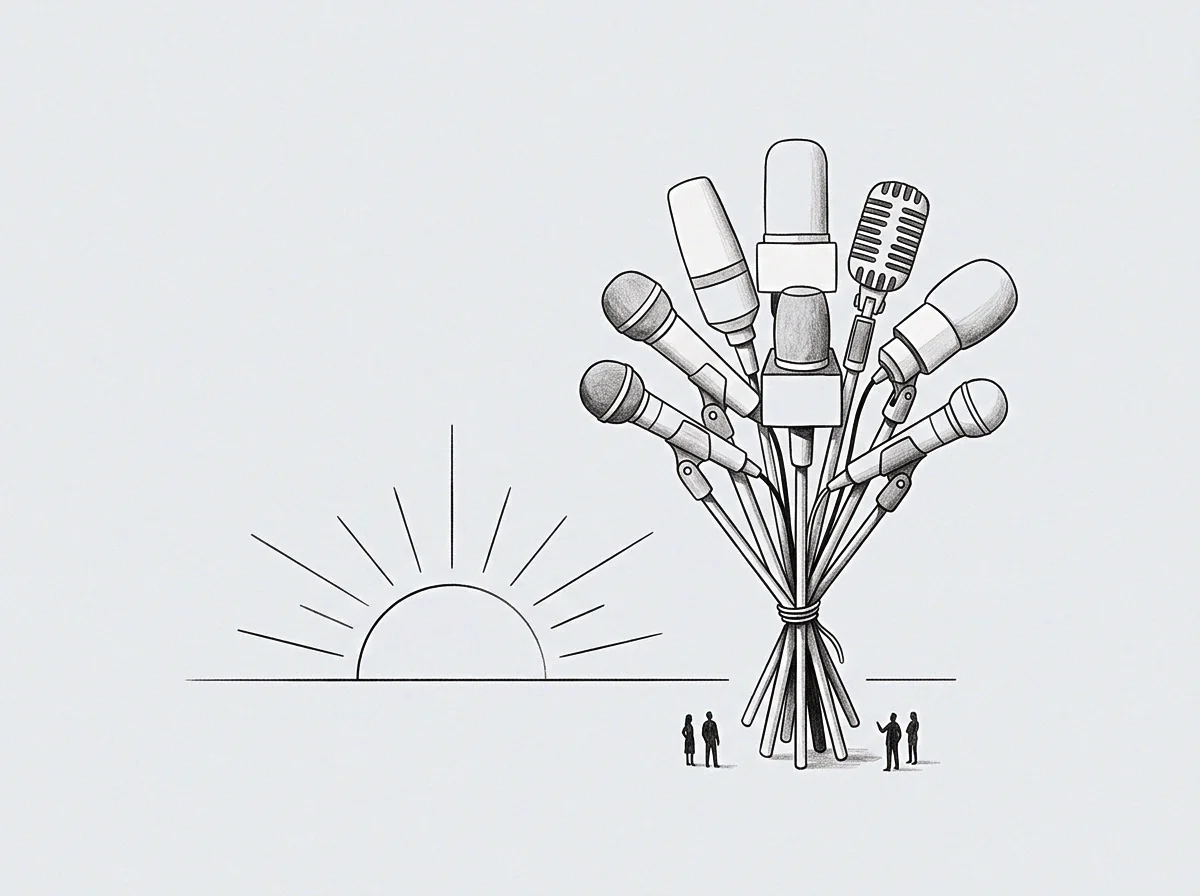
Cognitive resources are lost during the transition between unrelated activities. Task fragmentation leads to a state where the person is constantly reacting to minor triggers instead of completing major objectives. The person ends the day feeling exhausted but with little to show for their effort.
This leakage of attention is a primary driver of professional burnout.
Resolution Strategy
Reducing task fragmentation requires the grouping of similar activities and the setting of clear boundaries for focused work. By limiting the context switches, the person can reclaim their cognitive capacity and improve the quality of their output. Long-term success depends on the ability to protect deep work from the demands of constant communication.