Meaning
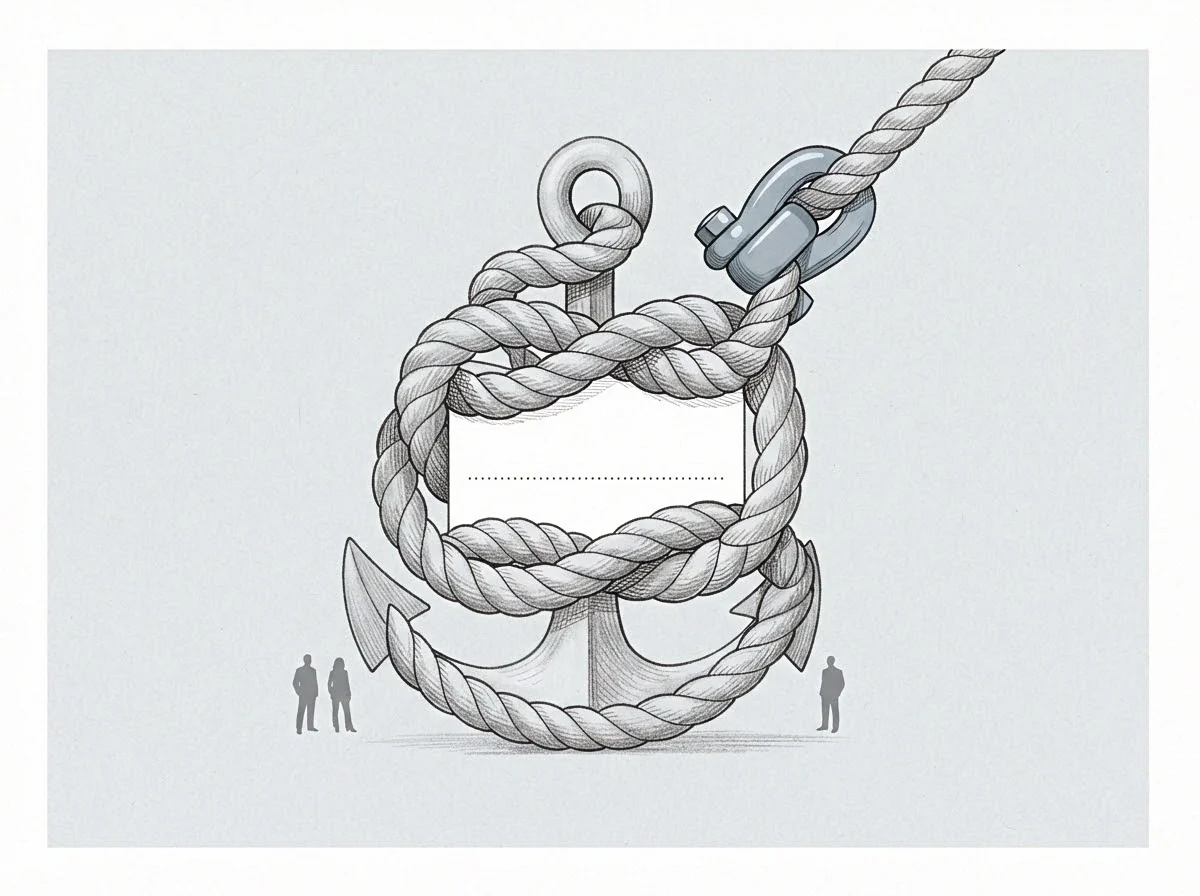
The permanent loss of functional capacity in an organizational or biological system due to prolonged exposure to loads exceeding its design limits. Recognizing structural failure involves identifying the point where the damage is no longer reparable through normal maintenance or rest. It defines the absolute boundary of the system.
In the context of a founder, this might look like a total burnout or the collapse of a company culture that can no longer be salvaged by new leadership.
Internal Breakdown
Internal systems fail when the pressure from allostatic load exceeds the strength of the materials or people involved. Within structural failure, the breakdown is often hidden until the final moment of collapse. The cost of this failure is total, resulting in the loss of all invested capacity and hours.
Progressive Degradation
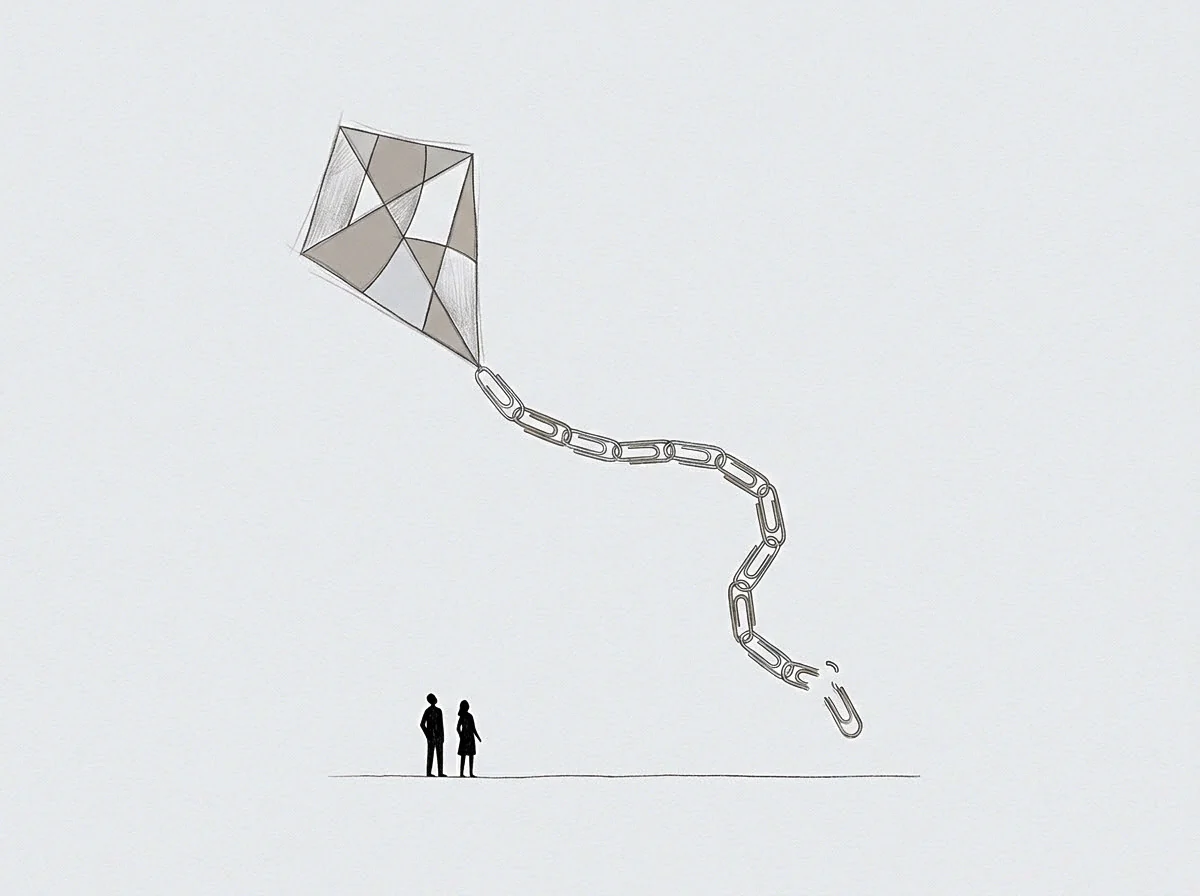
Degradation is the stage that precedes the final break. Small cracks in the governance or the physical health of the executive indicate that structural failure is approaching if the load is not immediately reduced. This process is often ignored in favor of short term performance gains.
Terminal State
Once a system reaches its terminal point, no amount of regulation or resource injection can restore its function. The only option after structural failure is the decommissioning of the old structure and the building of something new from the remains. This state is the ultimate limit of the founding process.