

Designing Operational Filters To Lower Executive Cortisol And Stress Wear
Operational filters reduce executive cortisol wear by converting ungated incoming threads into structured tasks with defined scope and completion dates.
Operational filters reduce executive cortisol wear by converting ungated incoming threads into structured tasks with defined scope and completion dates.
Calibrated interpersonal receptivity protects executive autonomic reserves by replacing unbudgeted emotional containment with structured operational intake.
Gating real time availability limits active cognitive threads, preventing executive physiological collapse while driving distributed team self-regulation.
Executive team autonomy depends on replacing direct founder co-regulation with structural governance boundaries that absorb operational risk stress.

Autonomic intake restoration reverses sympathetic blockade under chronic executive load, re-establishing parasympathetic tone and visceral nutrient processing.
Executive isolation forces the brain to budget environmental threat without social baseline regulation, accelerating autonomic exhaustion and decision failure.
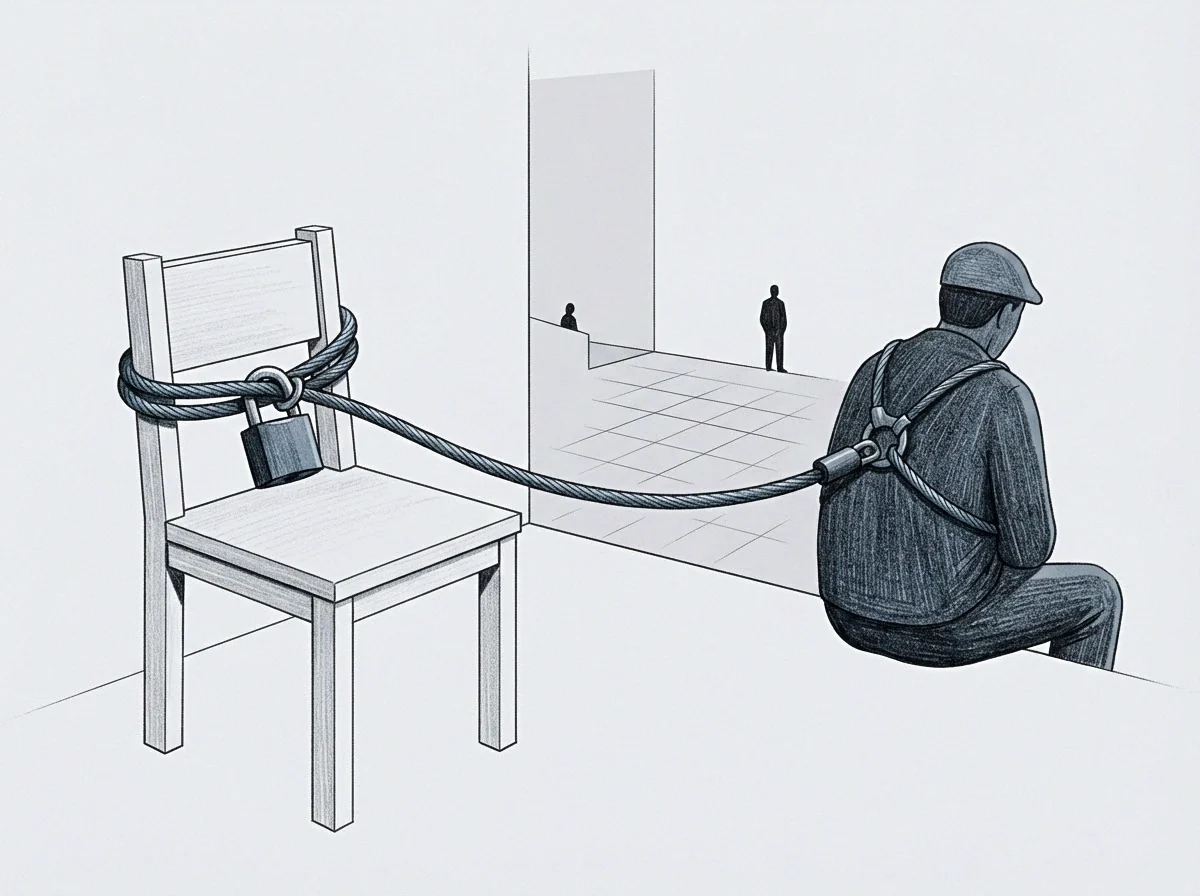
Uncoupling autonomous regulation templates during intimacy keeps sympathetic drive elevated, causing vascular resistance and cardiovascular shear stress despite physical proximity.
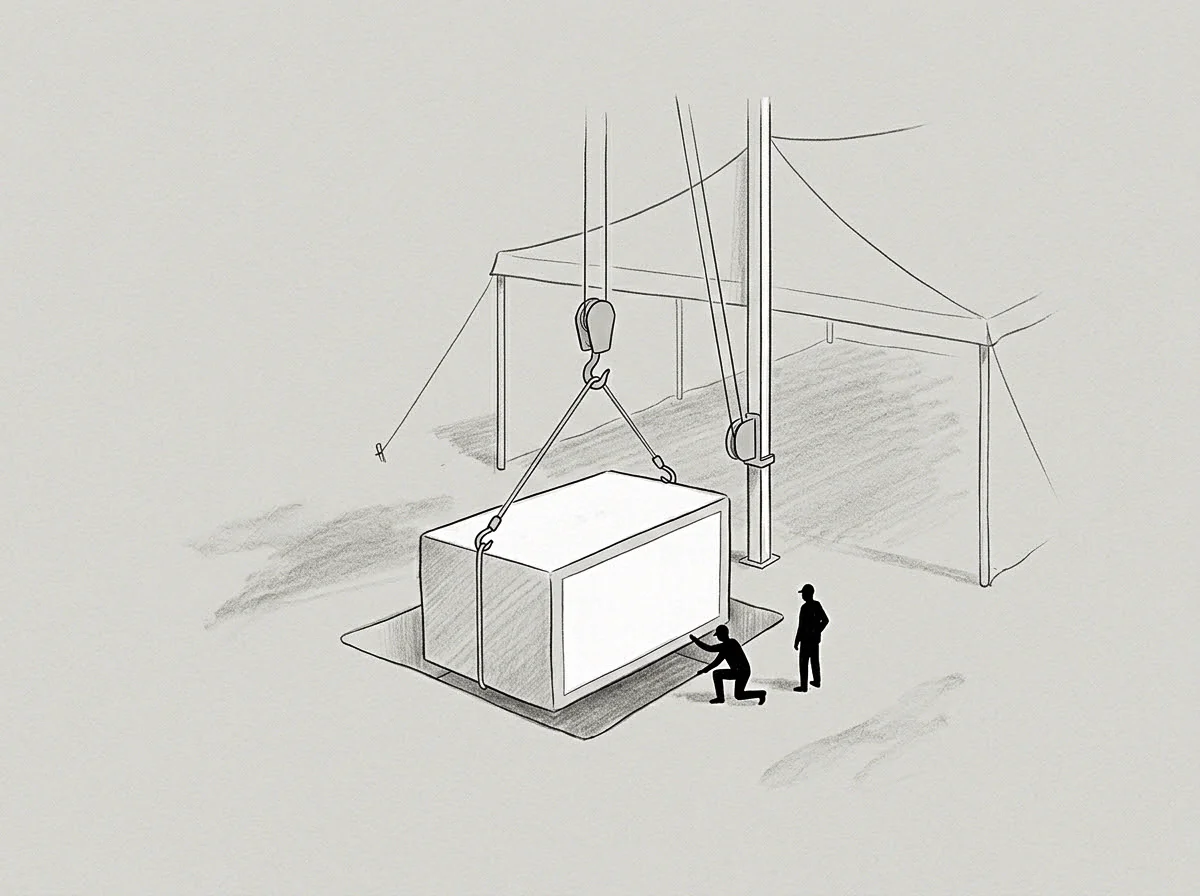
Chronic regulatory load forces physiological throttling to preserve baseline execution, misread as failing commitment when open channels exceed working capacity.
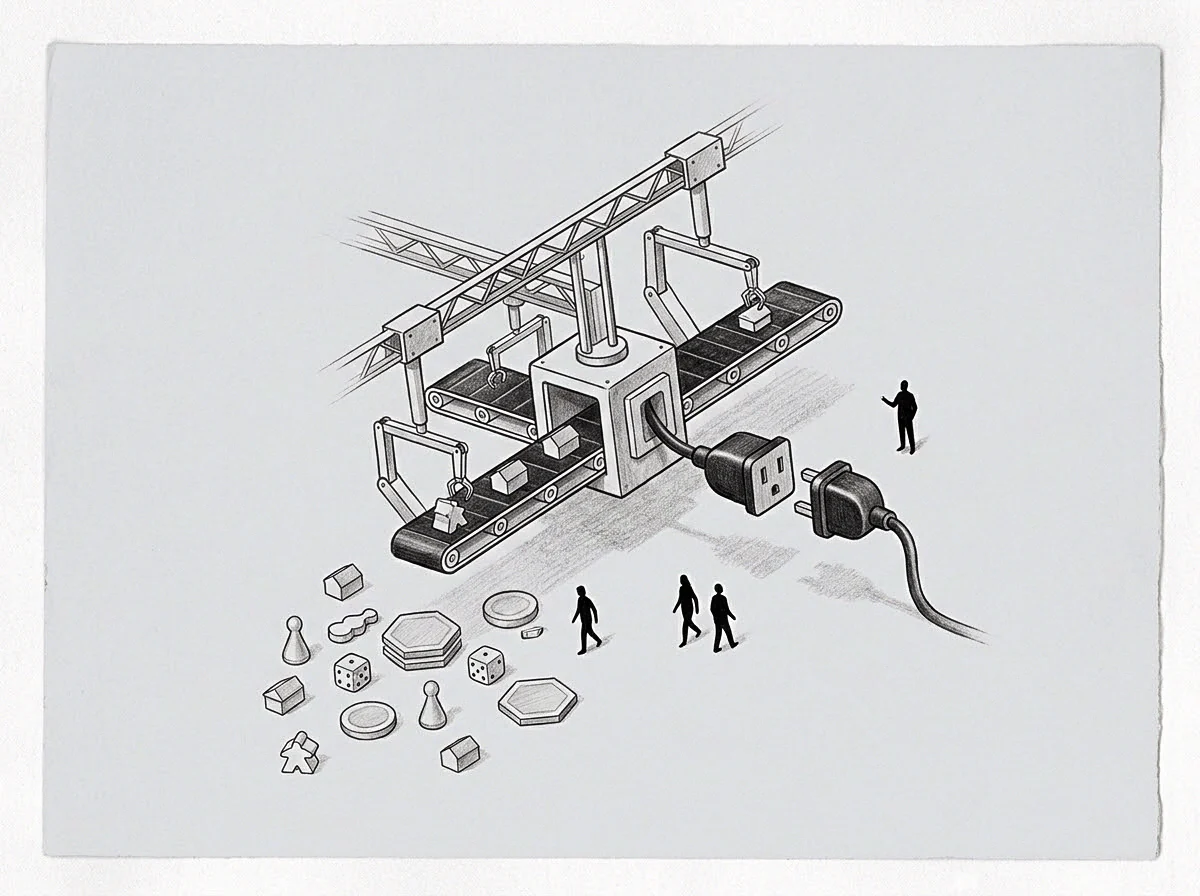
Executive nervous systems outsource regulation through proximity, but inverted templates force one partner to bear the metabolic cost of team stability.

Autonomic throttling is the prefrontal down-regulation triggered when ungated enterprise loops exceed executive metabolic capacity.

Chronic executive demand elevates allostatic load, triggering autonomic throttling that suppresses cognitive headroom to preserve baseline physiological integrity.
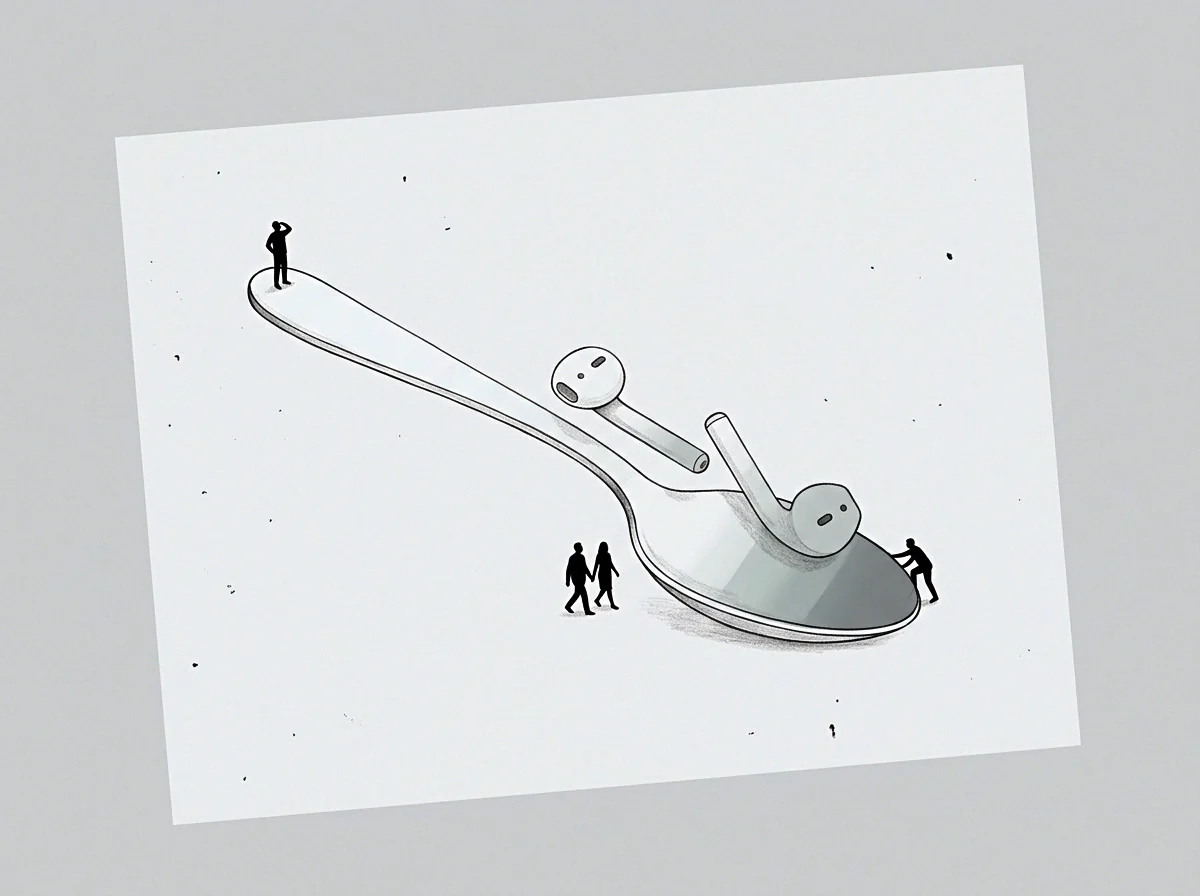
Ungated relational loops consume working memory slots, elevating allostatic load and triggering protective operational throttling under pressure.

Biological throttling down-regulates executive capacity to shield metabolic reserves under continuous load, unlike depression which impairs affect globally.

Unbuffered solo operational strain flattens diurnal cortisol release, down-regulates glucocorticoid receptors, and forces high-cost self-regulation.

Executive depletion resolves when central leaders enforce structural limits, stopping distributed nodes from offloading local regulatory responsibility under acute shock.

Unbuffered group regulation forces a central leader to metabolize collective team anxiety, causing autonomic exhaustion without structural dampers.
Deep strain floods threat networks, suppressing prefrontal channels and blocking the neural slots required to process external calm as a physiological subsidy.
When borrowed regulation capacity empties, the primary regulator's internal working model snaps, forcing autonomic throttling and relational detachment.
Updating executive authority models under continuous load demands structural operational buffers that force mutual regulation and lower solitary allostatic expenditure.
Executive teams operate on legible structural limits and unspoken relational contracts, transferring operational stress onto personal capacity until explicit terms set walls.
Executive baseline regulation operates as a metabolic threat economy where proximity to a steady presence reduces neural load and preserves capacity.

Isolated nervous system regulation forces the brain to spend extra metabolic energy on self-soothing, accelerating physiological wear under operational load.
Executive capacity allocation under peak allostatic load requires down-regulating novel cognitive input to protect core procedural execution from total regulatory failure.

Gating executive availability through structured access tiers preserves regulatory capacity without compromising organizational cohesion or execution flow.
Solitary executive seats elevate prefrontal metabolic costs by stripping away social baseline co-regulation, forcing autonomic vigilance and bioenergetic debt.
Myelinated ventral vagal fibers slow cardiac rhythm when physical co-presence carries zero evaluative or communicative demand, lowering metabolic regulation costs.

Covert interpersonal buffering consumes prefrontal working memory by running continuous regulatory background processes, severely depleting cognitive headroom.

Relational maintenance demands consume executive bandwidth through chronic coregulation, elevating allostatic load until structural availability gates bound open interpersonal threads.

Solitary self regulation increases metabolic threat costs, whereas proximity to a stable presence reallocates autonomic capacity toward execution.

Executive concurrency drops when subordinate co-regulation consumes working memory slots, transforming strategic capacity into real-time emotional stabilization.
The terms are written where they belong. Each field holds three desks, and every entry a desk writes raises the terms it uses, each term given a meaning, a mechanism and the places it appears. The record on these pages stays first person and hand made; the fields grow the nomenclature.