Meaning
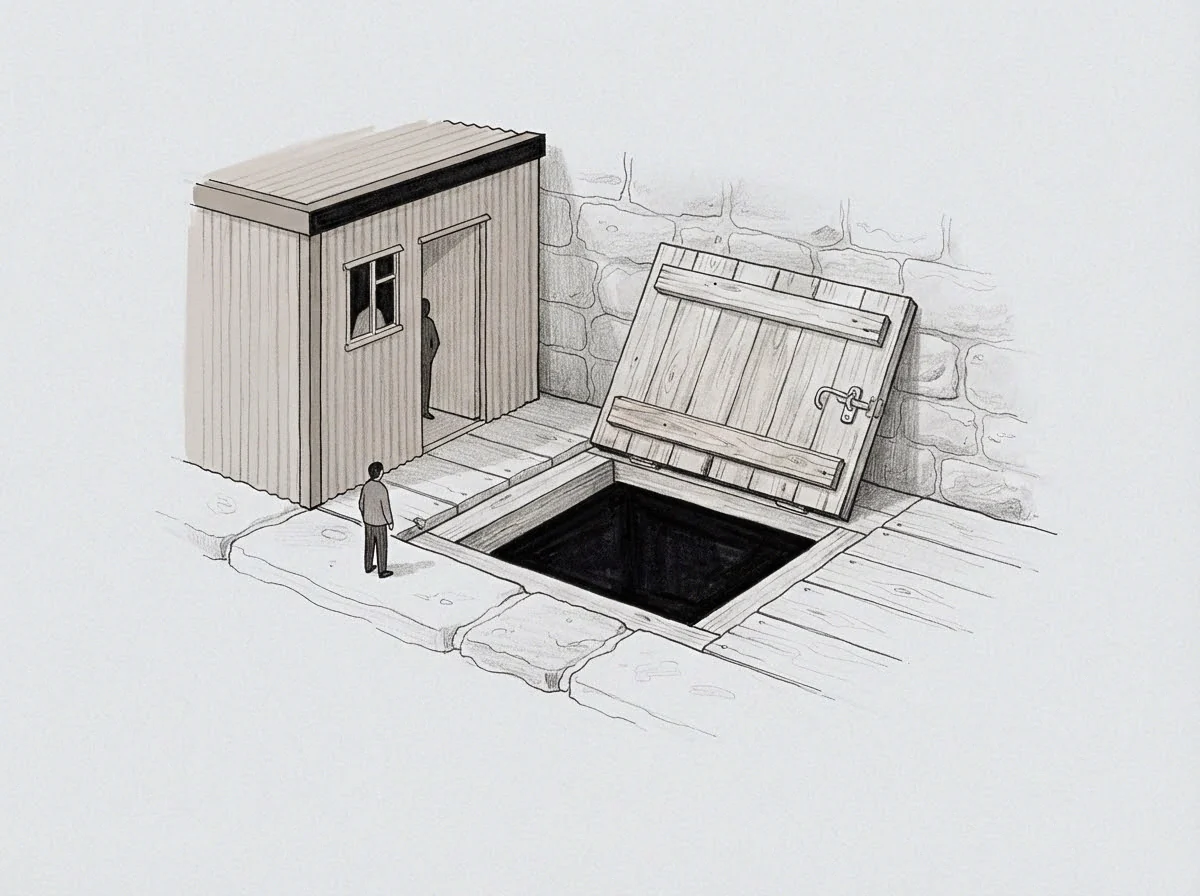
Self-regulation becomes impossible when a venture scales past the capacity of its single designer to absorb operational friction, and an organizational circuit breaker arrives as the structural limit that trips to halt further inputs before total failure occurs. This regulatory mechanism operates automatically when cognitive load exceeds a defined threshold, shifting the system from active processing to protective dormancy without requiring conscious human intervention. Operating within the domain of post-founding governance, the threshold halts new project intake, client onboarding, or capital allocation as soon as error rates climb past safe parameters.
The mechanism stops applying once the baseline capacity of the human operator returns to equilibrium, leaving external dependencies temporarily suspended.
Capacity Limit
Sustained decision-making drains human attention hours at a fixed physiological rate, and an organizational circuit breaker acts as the hard ceiling that stops this depletion from reaching zero. Operating through automated policy enforcement rather than personal choice, this barrier requires zero active attention from the founder once installed, though designing the trip wire consumes significant initial hours. Attention capacity recovers slowly after a trip event, demanding mandatory rest intervals before production resumes at previous volumes.
Systemic Threshold
Operational strain accumulates silently until a secondary indicator crosses a specific boundary, triggering the organizational circuit breaker to isolate the damaged subsystem from the wider enterprise. This regulatory mode relies on borrowed metrics from financial cash reserves and software error logs, translating external feedback into internal halts. Throttling differs from failing because a throttled system preserves core infrastructure intact while shedding non-essential load, whereas a failed system loses state entirely.
Recovery Protocol
Restoring normal operations after an automated stoppage demands a systematic clearing of the backlog that caused the initial overload, ensuring the organizational circuit breaker does not immediately trip again upon reset. This phase requires deliberate pacing, as premature reactivation returns the system to the exact stress levels that caused the previous shutdown. System stability improves permanently when these automatic pauses occur at regular intervals.