
Measuring System Recovery Times Following High Structural Load Transfer Across Multiple Strategic Projects
System recovery time equals the elapsed duration required for unserviced secondary queues and operator allostatic load to return to baseline operating velocity.
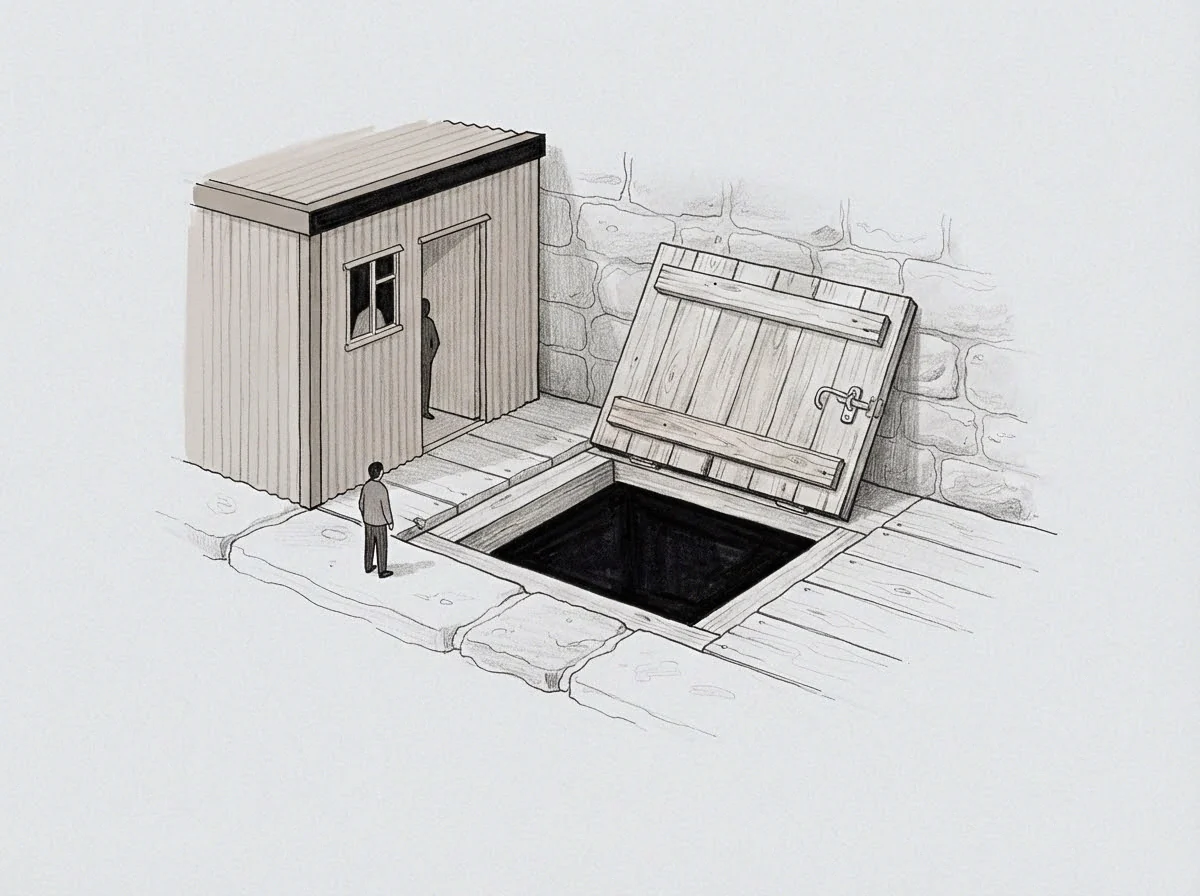
Strain
Three incident reports arrive simultaneously while seven deployment windows across two unrelated initiatives remain active. The central operator monitors error spikes on a primary enterprise rollout just as feature releases in a second business unit begin dropping telemetry packets. Unassigned tickets accumulate within minutes because key personnel shift attention to the acute failure.
The secondary tracks do not vanish; their operational friction simply redirects onto the central desk.
Complex organizations develop unofficial conduits for shunting strain. When an initiative runs into execution drag, capital deficits, or delivery shortfalls, the system attempts self-preservation by stripping resources from adjacent work. Senior engineering hours, executive attention, testing pipelines, and contingency reserves migrate straight toward the breach.
This transfer works like an emergency load shift across structural members in bridge design: the central span deflects, shedding its dead load onto perimeter piers that were never calculated to handle asymmetric bending moments.
When an overloaded track appropriates shared technical resources, peripheral schedules experience compounding latency long after the central fire extinguishes.
Sidelined initiatives never pause cleanly. Work-in-progress goes stale, branches sit unmerged, partner inquiries stall, and security patches get put off. This diverted load shows up first as heavier administrative traffic, then solidifies into coordination drag.
The central operator feels relief once the acute emergency settles, but the broader system remains out of balance.
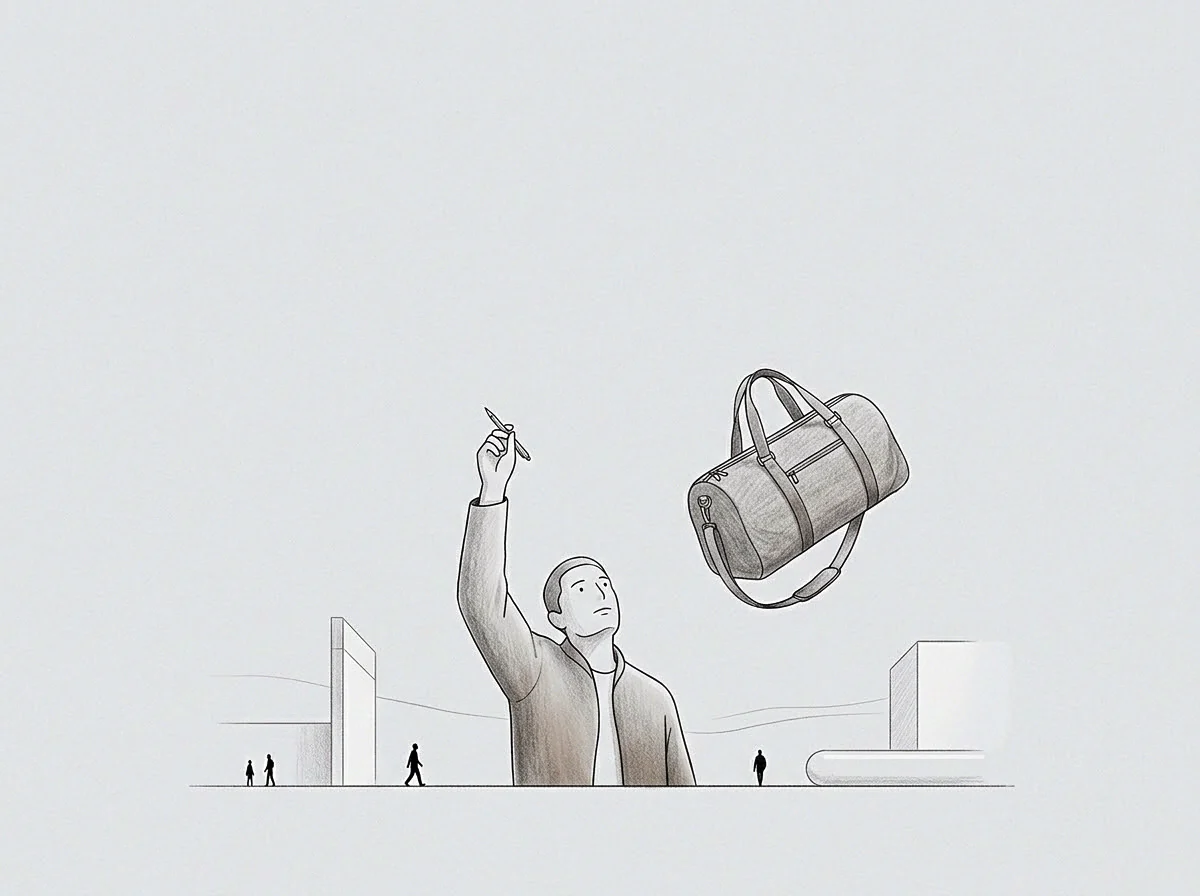
Displaced Mass Across Simultaneous Tracks
Moving fifty engineers off infrastructure stability to patch an enterprise client deliverable alters the entire structural profile of the business. The enterprise contract survives, but the internal developer platform loses six weeks of maintenance cycles, bringing forward platform velocity to zero. Technical debt behaves like physical mass: it occupies storage, demands coordination, and introduces regression risk into every subsequent release.
When four strategic projects share a single executive decision-maker or a consolidated deployment pipeline, failure in one spreads straight to the rest.
Parallel initiatives quickly starve for resources when product managers find their escalation channels blocked behind hundreds of incident remediation threads. Capacity is rarely negotiated; it is seized under duress. The true cost surfaces months later as quiet, widespread decay.
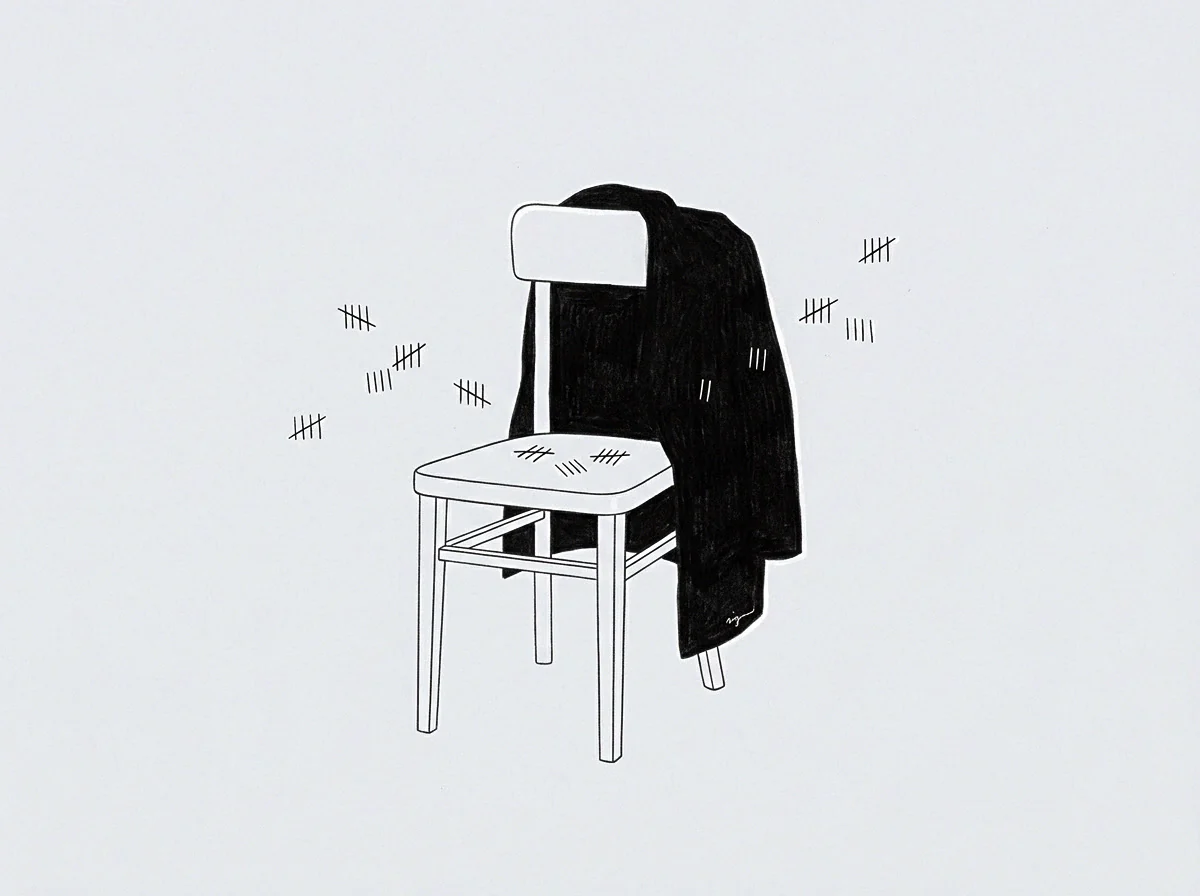
The Fallacy of Instantaneous Reversion
Leadership groups routinely assume that once an acute operational fire burns out, diverted capacity returns instantly to its original post. Physical systems do not work that way. Once steel passes its yield point, removing the load leaves permanent plastic deformation.
Organizations exhibit identical mechanical hysteresis. Personnel returned to peripheral tracks do not resume their work at previous velocity; they spend weeks recontextualizing tasks, resolving divergent branches, and renegotiating missed dates with external vendors.
Tracking this recovery window exposes the true financial friction of an operational crisis. Recovery duration measures the elapsed time between terminating the acute transfer and returning every parallel initiative to its baseline throughput rate. When teams overlook that lag, secondary initiatives miss deadlines repeatedly, setting off rolling panics across the entire commercial portfolio.

Joint
Physical structures fail where independent assemblies connect. In multi-project corporate structures, those connection points consist of shared executive leadership, unified database layers, centralized legal review, and core deployment infrastructure. Under smooth operating conditions, shared infrastructure conserves operating cash.
Under severe structural deflection, these shared points act as transmission vectors, conducting instability from one project directly into the foundations of three others.
How far a shock travels depends on how rigid those connections are. Rigid interfaces transmit every tremor without dampening. A single regulatory block on a financial technology initiative halts deployment pipelines for unrelated logistical tools when both depend on the same compliance review committee.
The committee becomes a congested structural node, bending under the sudden influx of audit queries.
| Transfer Vector | Transfer Latency | Latent Queue Accumulation | Suppression Duration | Measured Recovery Metric |
|---|---|---|---|---|
| Shared Executive Seat | Immediate | Unreviewed architectural decisions and sign-offs | Four to eight weeks | Executive decision cycle velocity |
| Consolidated Database Pipeline | Twelve to thirty-six hours | Schema migrations and deferred query tuning | Two to six weeks | Database write latencies and pipeline build times |
| Pooled Core Engineering | Forty-eight hours | Unmerged feature branches and stale code reviews | Six to twelve weeks | Cycle time from commit to production release |
| Central Legal Compliance Node | One to five days | Vendor agreements and licensing authorizations | Eight to sixteen weeks | Contract turnaround time in days |

Interface Friction at Operational Junctions
Uncoupling these points during an active crisis remains impossible. When the executive suite acts as the universal arbiter for resource disputes, every micro-allocation requires personal intervention from the founder or chief operating officer. The central desk becomes choked with conflicting claims, and the projects that shouted the least discover their access severed without notice.
The damage to these shared junctions shows up in measurable error rates. When central security teams rush code reviews for an emergency launch, standard audit rigor degrades. Bugs slip into peripheral project repositories, lying dormant until subsequent customer deployments trigger fatal runtime exceptions.
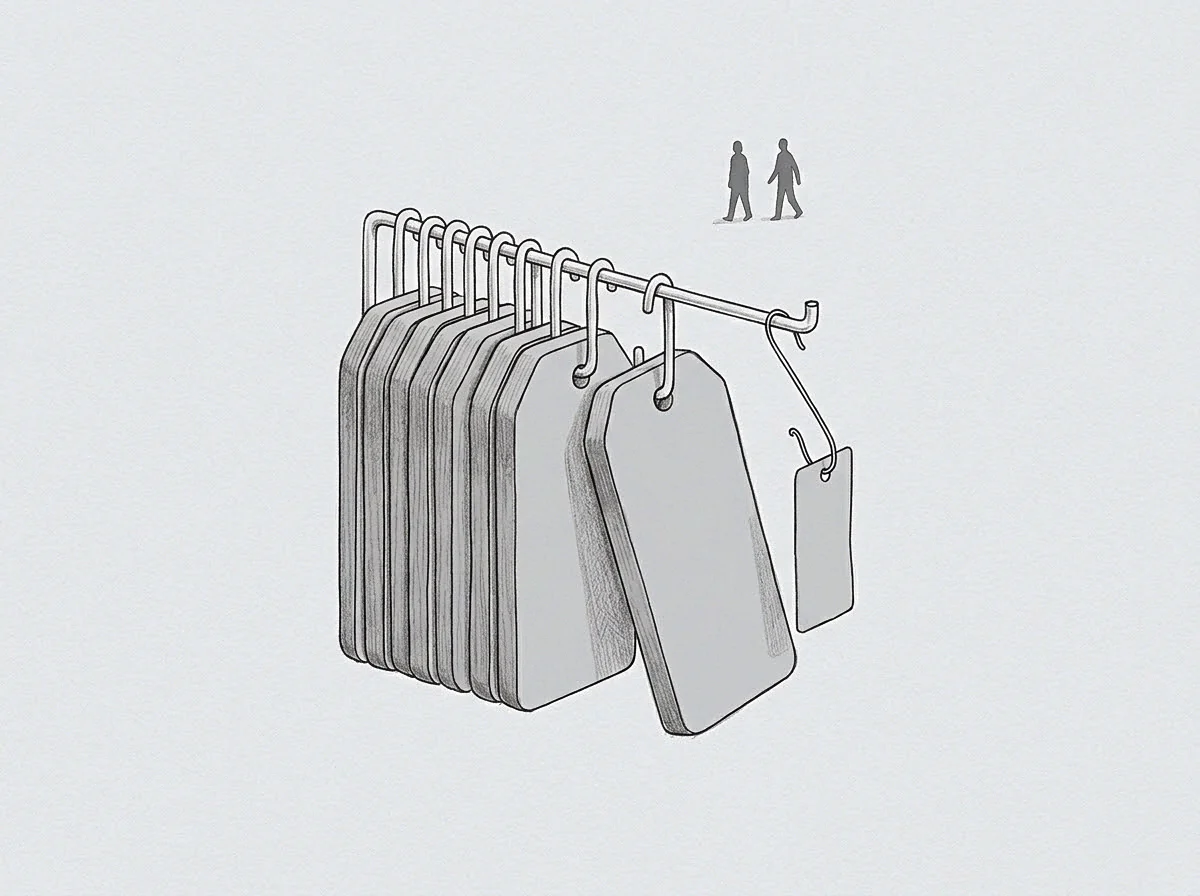
Suppressed Debt in Suspended Projects
Suspending a project is an active intervention with continuous carrying costs. Stalled initiatives accumulate logistical rust. Code repositories age against updated external libraries, vendor quotes expire, and key personnel lose contextual mastery over complex architectural logic.
Meanwhile, the organization continues paying salaries for teams trapped in operational holding patterns, producing negative economic returns for the duration of the stall.
The true load transfer includes the upkeep required to keep a dormant project viable. Freezing a customer portal rebuild to save a struggling legacy core replacement does not eliminate the portal’s expense. It leaks market position, developer morale, and product coherence each week it remains unstaffed.
Tight operational couplings guarantee that localized failures become systemic disasters across the entire strategic enterprise.

Lag
Observing systemic restoration requires watching metrics that conventional enterprise dashboards ignore. Most operational telemetry tracks outward indicators like revenue, active users, and gross delivery dates, which trail internal structural reality by quarters. Measuring recovery time requires tracking internal kinetic indicators: backlog clearance rates, decision latencies, administrative thread depth, and biological recovery states in key operators.
System recovery begins only after secondary queue growth stops entirely and unserviced operational debt starts its downward trajectory.
When the primary crisis recedes, leadership teams often declare immediate operational stability prematurely. Hidden queues in secondary projects are expanding at their fastest rate precisely when the main emergency concludes, because accumulated friction has finally reached the front-line execution teams.
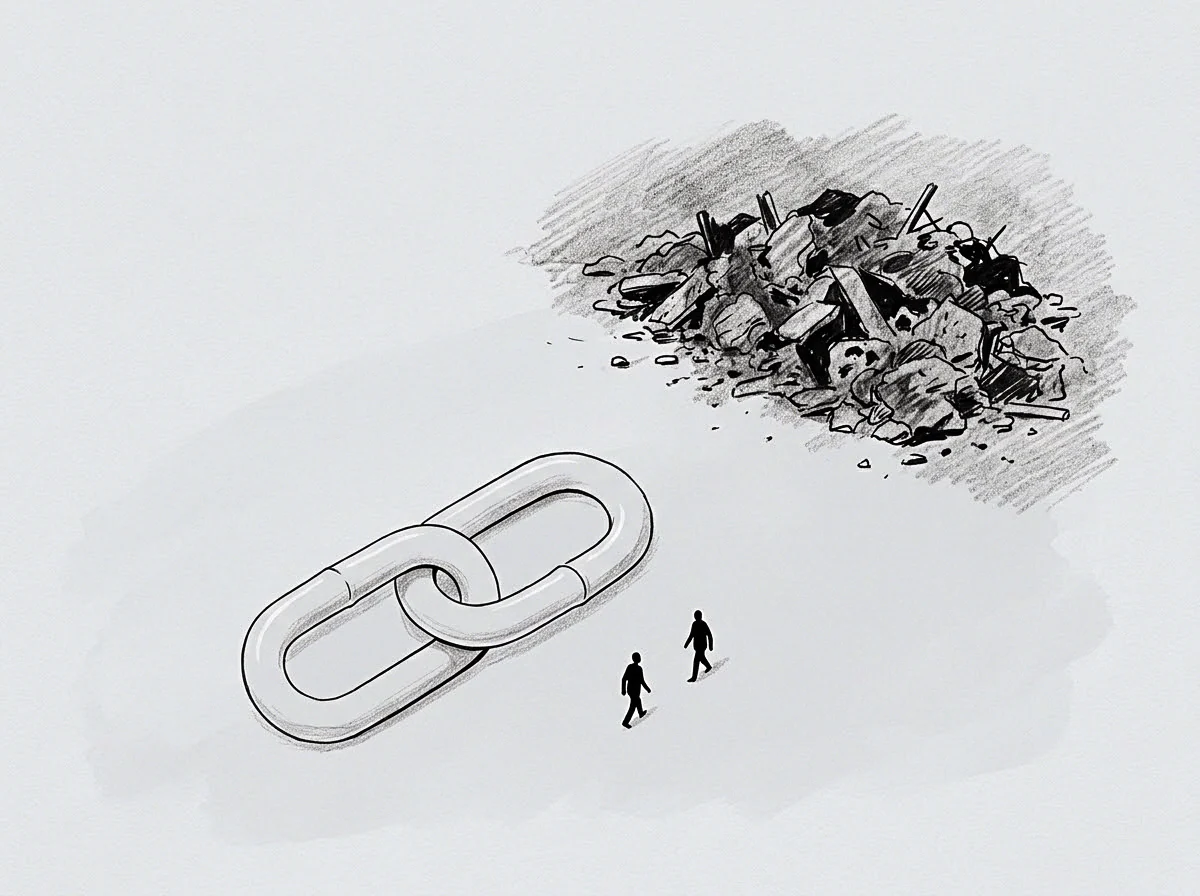
Decay Rates in Unserviced Queues
Quantifying the return to baseline demands a strict timeline analysis of operational queues. A team returning to a suspended product track faces an inverted productivity curve. During the first two weeks post-restoration, delivery output drops below pre-crisis nadirs as engineers clear triage backlogs, resolve contradictory repository commits, and re-establish communications with confused enterprise customers.
To measure the recovery rate accurately, the organization must monitor three specific mathematical progressions across every affected team:
- Queue Clearance Velocity measures the speed at which stale administrative requests, unmerged branches, and deferred approvals are processed back down to safe operating baselines.
- Decision Latency Decay tracks the number of hours an operational inquiry sits pending before receiving authoritative resolution from leadership.
- Defect Discovery Ratio captures the rate of regression bugs identified in peripheral codebases compared to pre-crisis historic norms.

Allostatic Settling in Central Operators
Human nervous systems operate under biological limits that mirror mechanical fatigue in structural materials. The concept of allostatic load describes the physiological cost in energy and attention of maintaining heightened stress responses over sustained operational periods. When an operator runs at peak capacity for three months to absorb cross-project failures, cognitive bandwidth contracts and fatigue impairs detection.
Decision-making shifts from long-horizon synthesis to short-horizon risk aversion.
This biological reality imposes an unyielding constraint on recovery duration. An operator cannot instantaneously switch from crisis triage to expansive strategic architecture simply because a calendar date passed. Resetting from cognitive allostatic load often exceeds the technical recovery time of the software pipelines themselves, requiring weeks of uncommitted mental whitespace before executive clarity returns to baseline efficacy.
The project status reports say the crisis has ended, yet simple approvals still take three weeks to clear the central desk.

Brace
Insulating multiple projects against shared load transfers requires constructing permanent mechanical limits within the organizational architecture. These limits act like structural bulkheads on an ocean vessel: when one compartment breaches, watertight partitions isolate the flooding, submerging that single space while preserving the buoyancy of the entire ship. A stated limit must function as a physical barrier rather than a polite relational request.
Creating these bulkheads requires explicit operational terms established long before an acute delivery failure occurs. The organization establishes non-fungible resource pools. When Project A begins sliding past its critical delivery path, the system rejects arbitrary resource diversion from Projects B and C. By refusing to transfer the load onto shared assets, leadership forces Project A to absorb its own structural reality through renegotiated scope, extended delivery timelines, or outright cancellation.
A stated limit functions as a protective wall only when resource transfers require formal board-level capital reallocation rather than informal administrative consensus.
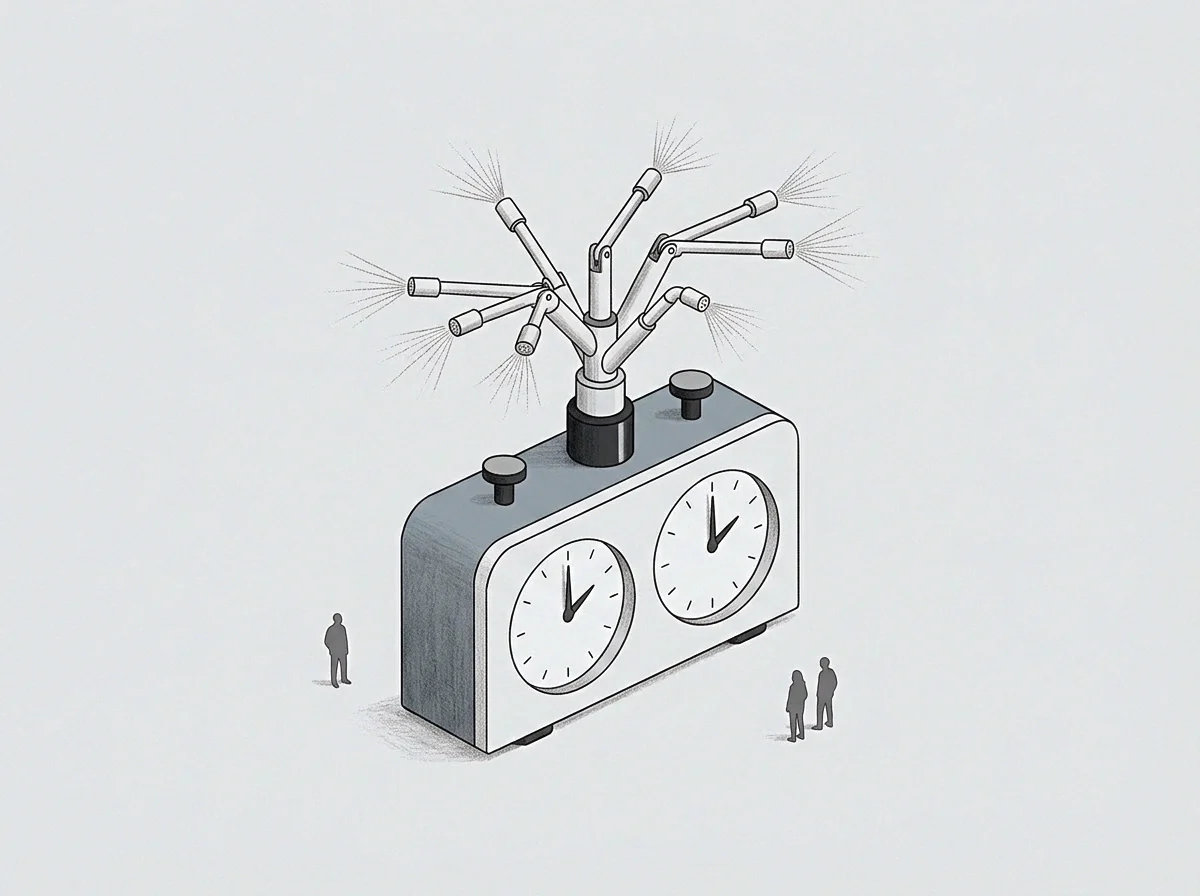
Predefined Dampers on Lateral Spills
Damping mechanisms arrest the transmission of operational turbulence across departments. These dampers exist as firm budget caps, hard engineering isolation boundaries, and dedicated management layers that cannot be co-opted for cross-departmental firefighting. In distributed software infrastructure, an engineering team introduces circuit breakers to prevent a cascading failure in one microservice from exhausting thread pools across the entire cluster.
Corporate governance demands identical circuit breakers.
The mechanical implementation of these dampers alters organizational behavior. When project managers know that secondary reserves cannot be commandeered during an operational crunch, their planning rigor increases. They build larger internal contingencies and identify risks earlier.
Clear operational walls eliminate the moral hazard created by the expectation of an executive bailout.

The Quarantine Protocol for Critical Failures
Isolating a catastrophic failure requires executing pre-agreed operational protocols without emotional negotiation. When a strategic initiative consumes its allotted operational capital and breaches baseline delivery tolerances, the quarantine sequence initiates automatically. Dedicated engineering resources remain locked in place.
Cross-project transfers are legally or procedurally barred.
The organization treats the troubled initiative as an isolated financial entity. If external intervention is required, leadership procures external contract capacity or explicitly votes to sacrifice the initiative, leaving parallel undertakings entirely intact. The quarantine preserves the systemic recovery clock by preventing the accumulation of unrecorded lateral drag in healthy business units.
The operational charter states that any emergency reassignment of core platform personnel exceeding seventy-two hours automatically resets the annual delivery commitments of all parallel strategic initiatives by ninety calendar days.

Yield
Every operational system possesses an ultimate capacity threshold beyond which structural integrity fails entirely. Chronic overloading across multiple projects produces systemic deformation that no subsequent reorganization can reverse. Key personnel depart, unrecorded institutional knowledge evaporates, customer trust erodes, and architectural complexity reaches levels where future maintenance becomes economically unviable without deliberate, unoccupied calendar time.
Tracking the true recovery time following an acute load transfer reveals whether the organization returned to its original elasticity or suffered permanent structural yield. If the organization returns to baseline queue velocity within ninety days, the transfer remained within the elastic limit. If backlog clearance remains depressed twelve months later, the system experienced permanent mechanical failure.
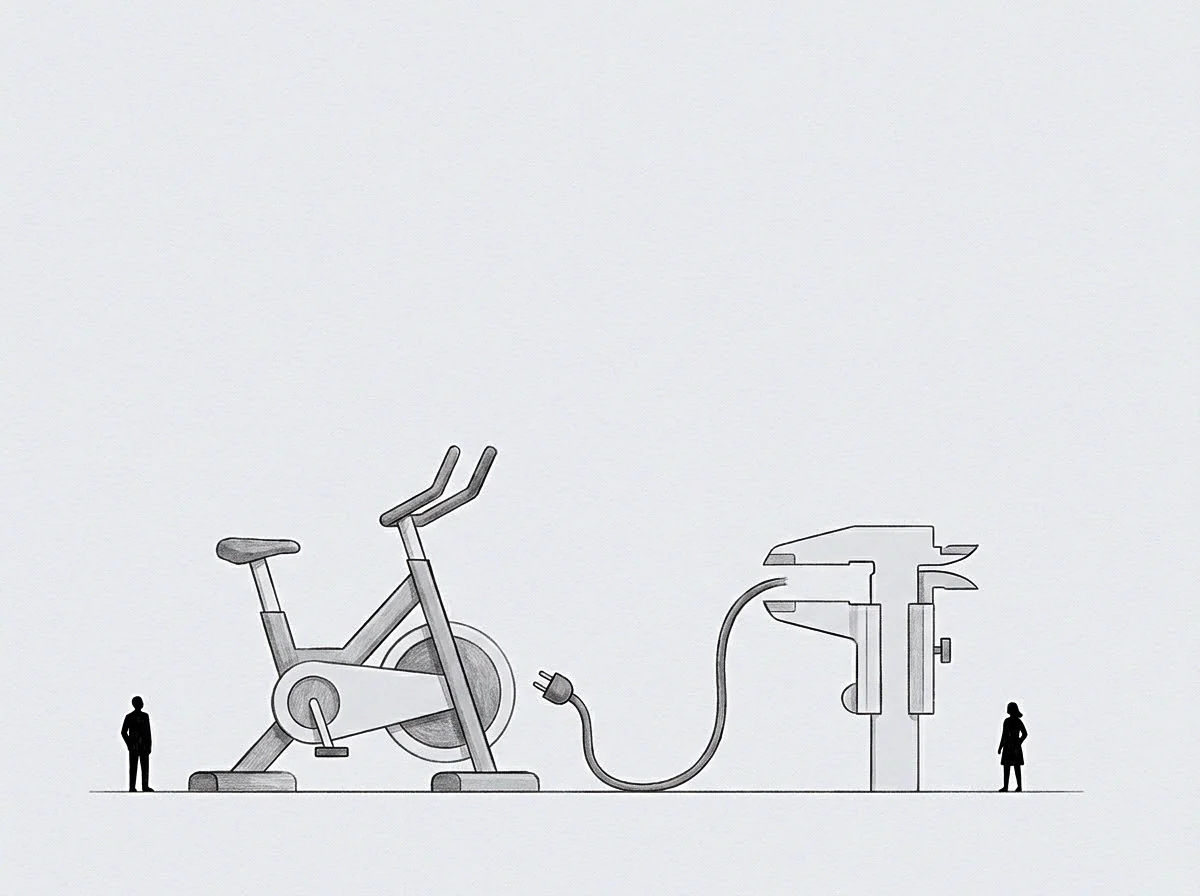
Permanent Deformation in Operational Baselines
Deformation becomes visible through the normalization of operational compromise. When teams live under sustained crisis load, they lower their standards for testing, architectural cleanliness, documentation, and interpersonal communication. These lowered standards do not revert when the load transfers away; they become the new operational reality of the organization.
The organization now operates with permanently reduced structural margins. A minor shock that would have caused negligible deflection three years ago now produces catastrophic delivery failures because underlying reserves were exhausted during past multi-project crises. The system has lost its resilience while retaining the illusion of operational activity.
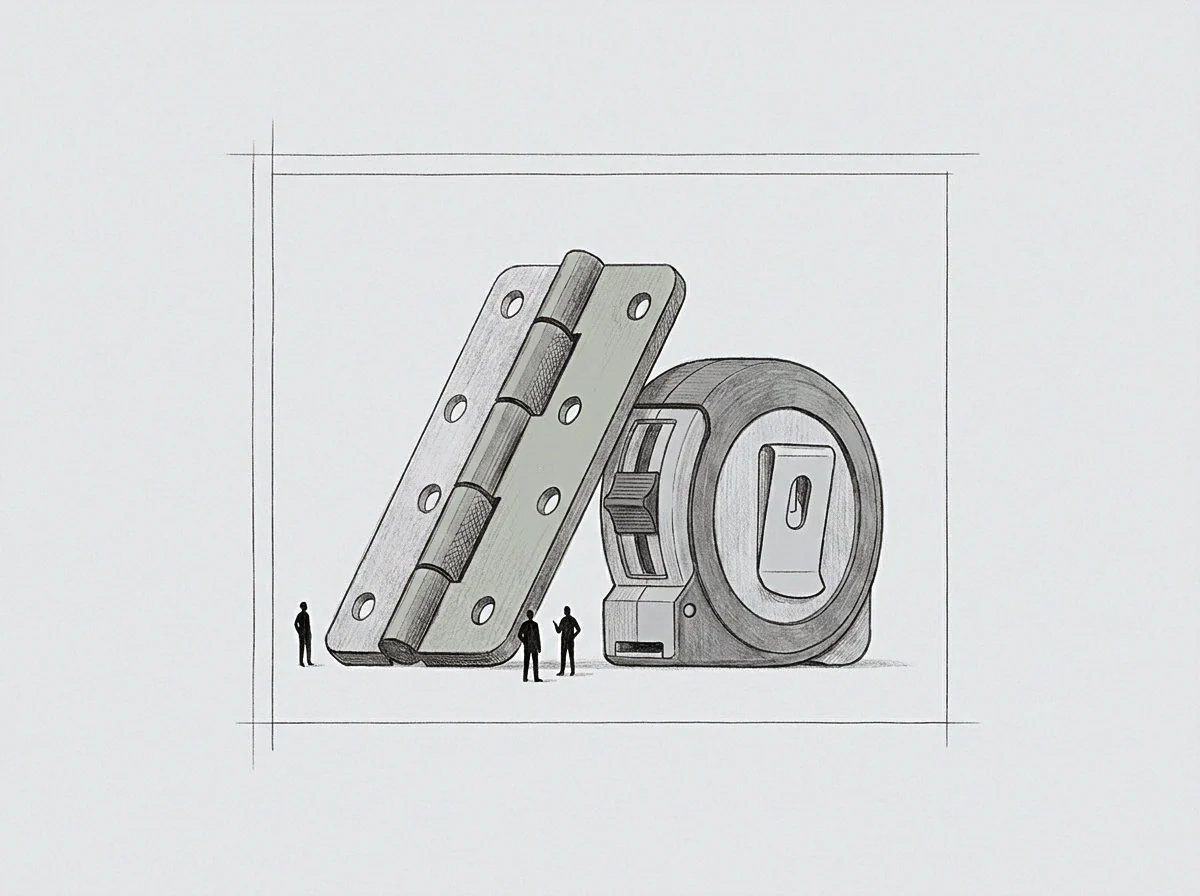
State Dependency During Systemic Realignment
The transition from a compromised operating state back to high-integrity execution is state-gated rather than decision-gated. A leadership group cannot simply decide to be efficient, creative, and fast through sheer willpower or executive decree. The organization must inhabit a physical state that permits those acts: low queue depth, uncommitted intellectual headroom, clean software interfaces, and stable physiological conditions in its core personnel.
Without those baseline physical conditions, every strategic pivot or administrative realignment produces further structural drag. Leadership launches new initiatives into operational soil poisoned by unresolved queues, wondering why every subsequent undertaking moves slower and costs more capacity than its predecessor.
How much operational capacity was permanently surrendered across the quiet secondary projects during the three quarters the executive team spent preserving the flagship rollout?