Meaning
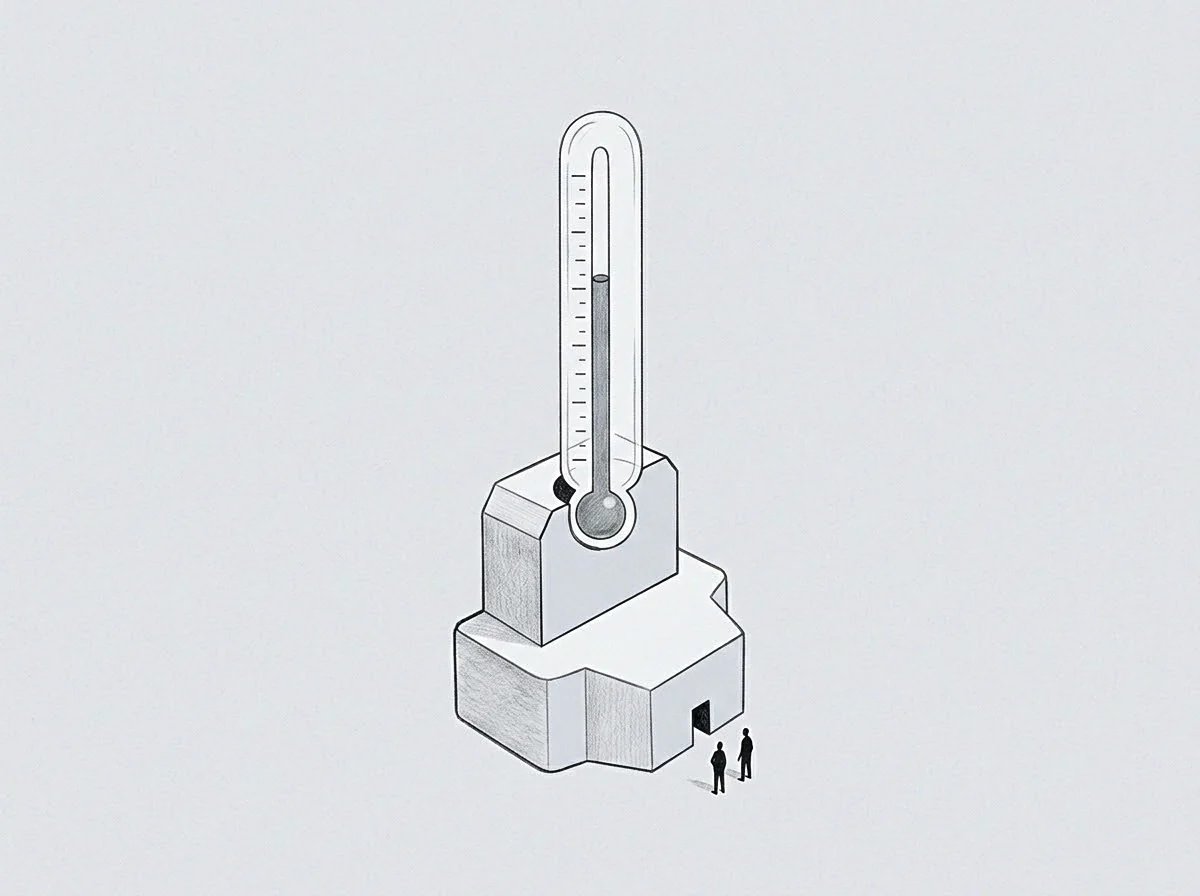
The physiological response pattern of the body to acute psychological stress involves the activation of the hypothalamic-pituitary-adrenal axis and the release of hormones like cortisol and adrenaline. In the high-pressure environment of startup leadership, neuroendocrine reactivity can be triggered by major events such as funding shortfalls, board conflicts, or product failures. This biological reaction prepares the body for action but can become maladaptive if sustained over long periods.
Physiological Cost
Chronic activation of stress response systems takes a heavy physical toll on an individual’s health. When a founder experiences constant stress, the body remains in a state of high alert, which can disrupt sleep patterns and weaken the immune system. This prolonged physical strain reduces overall energy levels and impairs the body’s natural recovery processes.
Over many months, the continuous presence of stress hormones can lead to cardiovascular issues and chronic exhaustion, highlighting the physical cost of startup leadership. This ongoing wear and tear on the body’s regulatory systems can eventually degrade daily operational capacity, making it harder to sustain the focus required for complex task management.
Decision Impairment
High levels of stress hormones in the bloodstream have a direct impact on cognitive function and risk assessment. When the nervous system is highly reactive, a person is more likely to rely on instinctive, short-term reactions rather than long-term strategic thinking. This cognitive shift can lead to impulsive decisions, such as premature hires or reactive pivots, which may jeopardize the company’s future.
Recognizing the link between physical stress and decision quality is essential for maintaining sound leadership.
Mitigation Practice
Developing techniques to manage physical responses to stress helps preserve long-term health and decision-making capacity. These practices might include regular physical exercise, scheduled recovery periods, and techniques like mindfulness or controlled breathing. By actively lowering physiological activation, a leader can restore cognitive clarity and maintain a balanced perspective.
This self-regulation is not just a personal benefit but also a protective measure for the organization itself.