Meaning
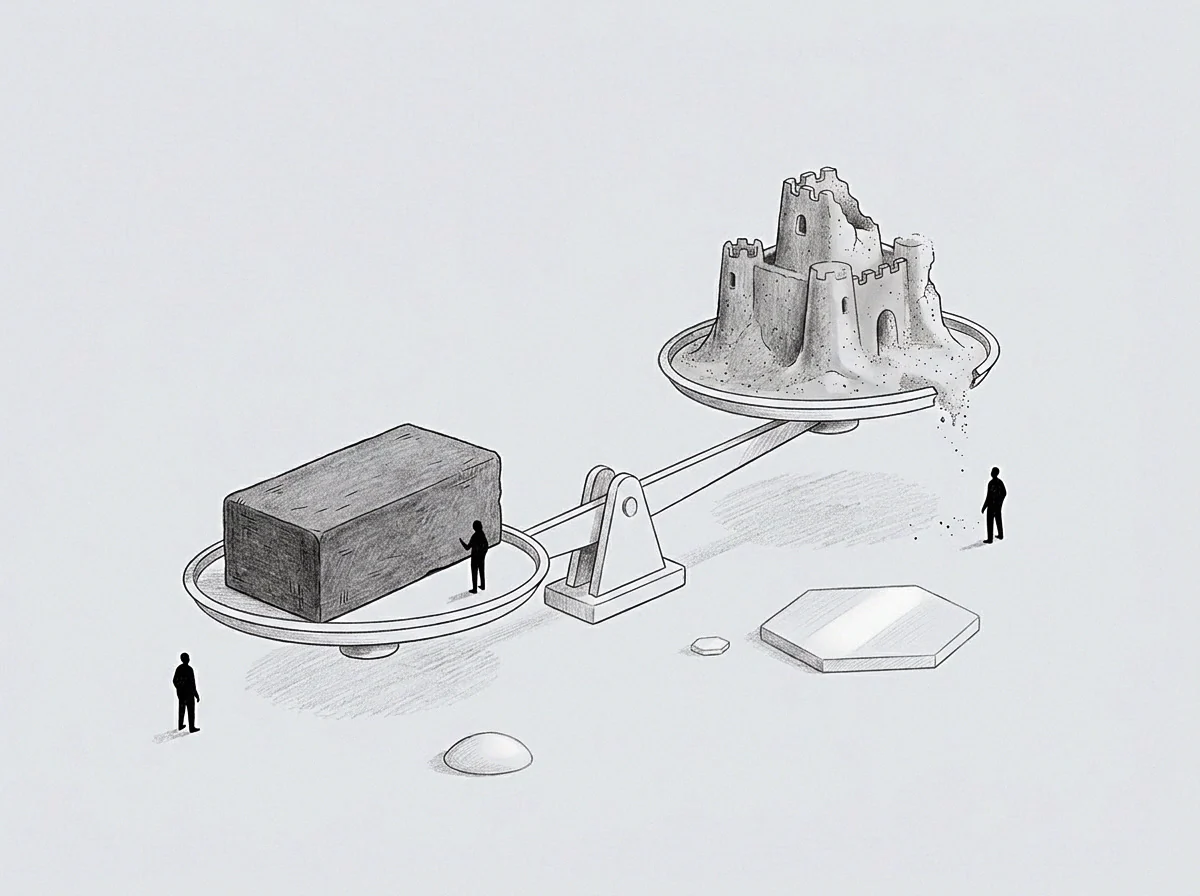
Temporary operational hierarchies consolidate tactical decision authority into a single designated commander during acute organizational crises. The incident command structure suspends standard consensual governance to minimize latency across immediate triage workflows. It governs the emergency lifecycle of an enterprise, establishing an undisputed line of authority over communication and mitigation efforts.
The protocol terminates the moment the underlying threat is resolved and normal operations resume.
Operational Posture
Tactical clarity replaces open collaboration when emergency protocols activate. Under an incident command arrangement, all operational telemetry routes through the designated lead, who alone issues operational directives. Team members abandon divergent projects to execute assigned containment tasks without debate.
The designated commander maintains absolute veto power over all proposed field adjustments.
Regulatory Load
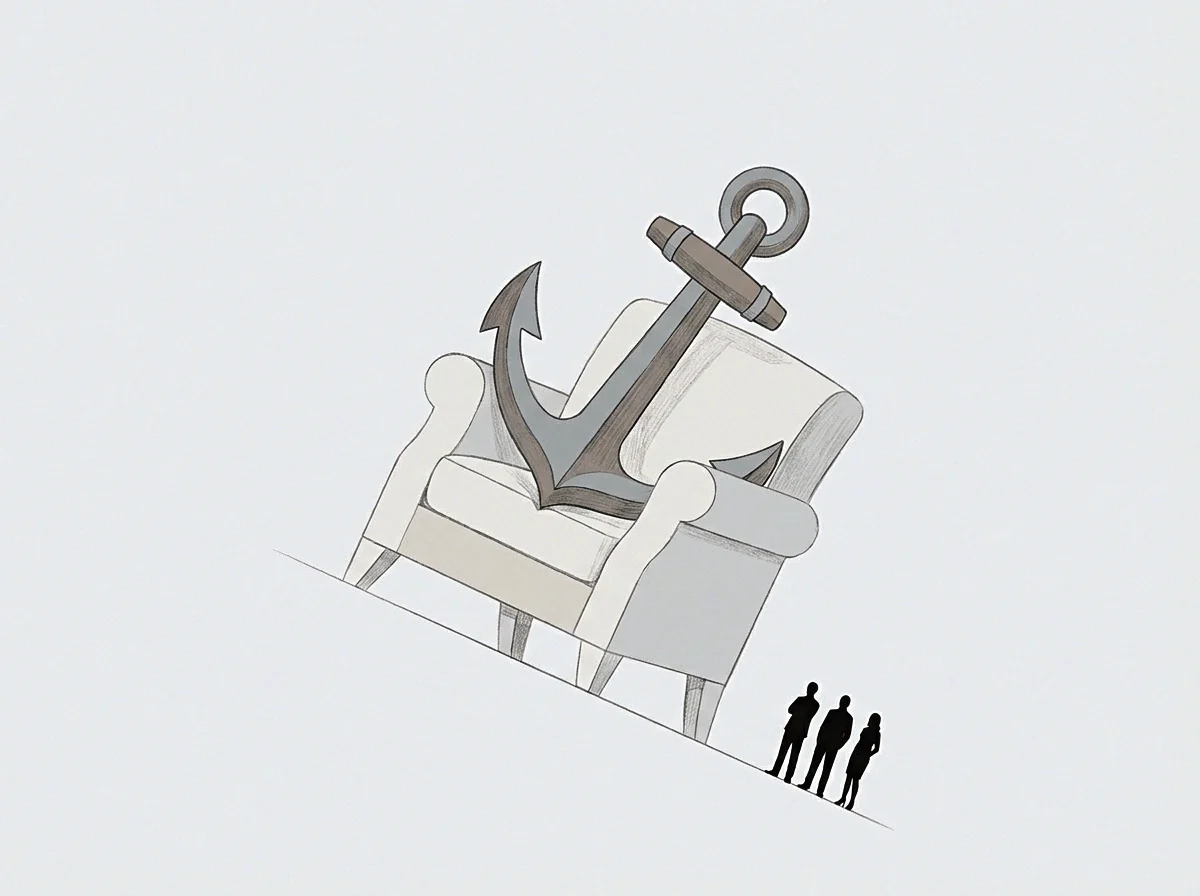
Immense cognitive and emotional expenditure falls upon the individual directing the response. The commander maintains rapid sensory processing while absorbing ambient anxiety from the entire organization. Maintaining this heightened sympathetic state exhausts working memory and rapidly depletes physical stamina.
The personal cost is measured in intense attention expenditure and severe post-crisis fatigue.
Reversion Parameter
Extended deployment of crisis hierarchy damages decentralized initiative and breeds organizational passivity. Leaving an emergency governance framework active beyond the containment window erodes lateral trust and exhausts core personnel. Formal de-escalation must return authority to standard functional teams the moment metrics stabilize.
The temporary utility of incident command relies entirely on its disciplined, prompt dismantling once baseline stability returns.