Meaning
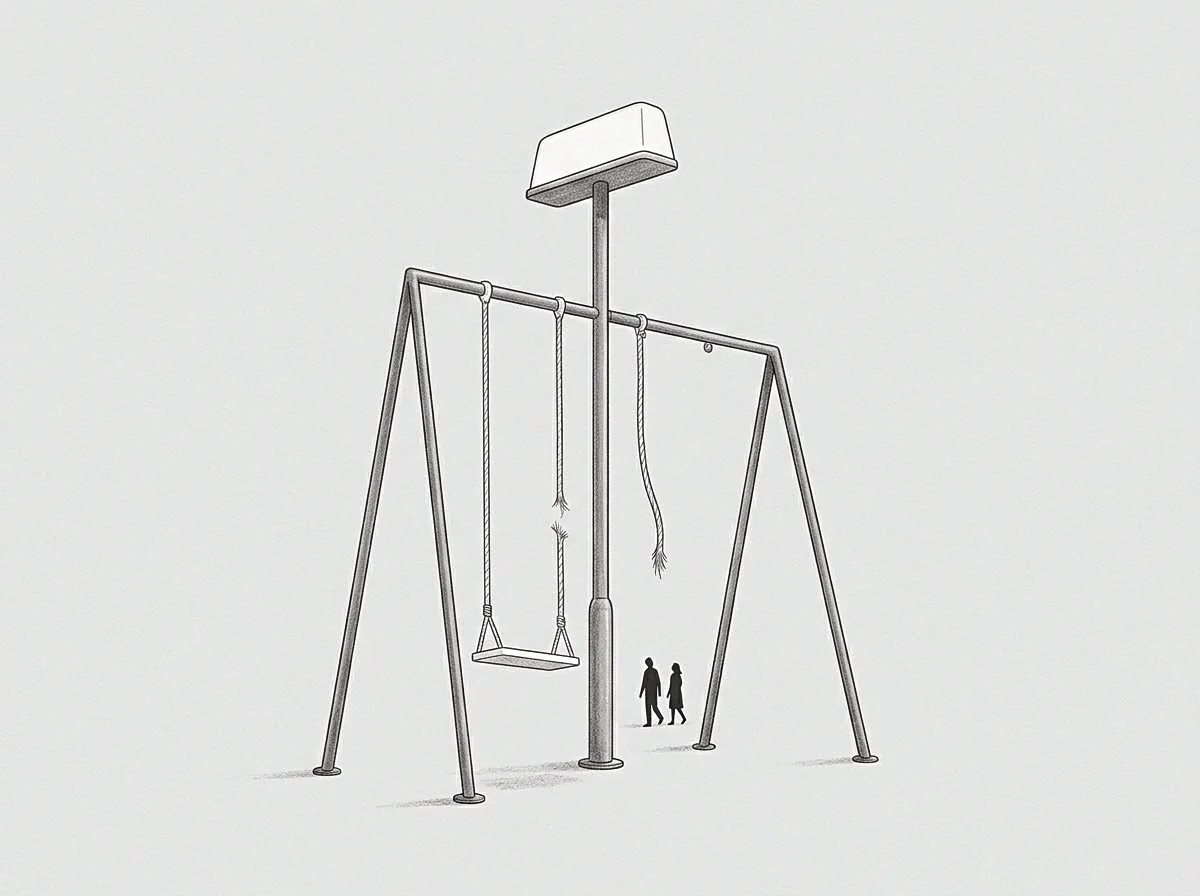
Mental effort is consumed by the way information or tasks are presented rather than by the inherent difficulty of the work itself. Minimizing extraneous load helps keep teams focused on productive output. High levels of this unnecessary demand lead to exhaustion and operational inefficiencies.
Process Design
Information design can either support or hinder the speed of decision-making. The process design of the extraneous load concentrates on removing poorly organized reports, confusing spreadsheets, and fragmented messaging. Organizing these elements allows team members to absorb data quickly.
Cognitive Strain
Working memory is limited, and poorly structured tasks consume attention that should be devoted to problem-solving. The cognitive strain of the extraneous load occurs when individuals must spend hours navigating difficult software interfaces or attending redundant meetings. This distraction lowers the quality of daily decisions.
Efficiency Metric
Measuring the time wasted on administrative overhead reveals the hidden costs of poor organization. The efficiency metric of the extraneous load assists in quantifying how much attention is diverted from core strategic activities to routine documentation. Minimizing this diversion allows the business to scale its operations more effectively and preserve the mental energy of its founders, which directly enhances the organization’s long-term adaptability.
By focusing on clarity in all communication channels, leadership teams build a highly responsive and less exhausted workforce.