
Measuring The Physiological Cost Of Unbuffered Organizational Anxiety On Long Term Executive Autonomic Regulation
Unbuffered organizational anxiety causes chronic sympathetic activation and vagal suppression, accumulating allostatic load that degrades autonomic regulation.
Clock
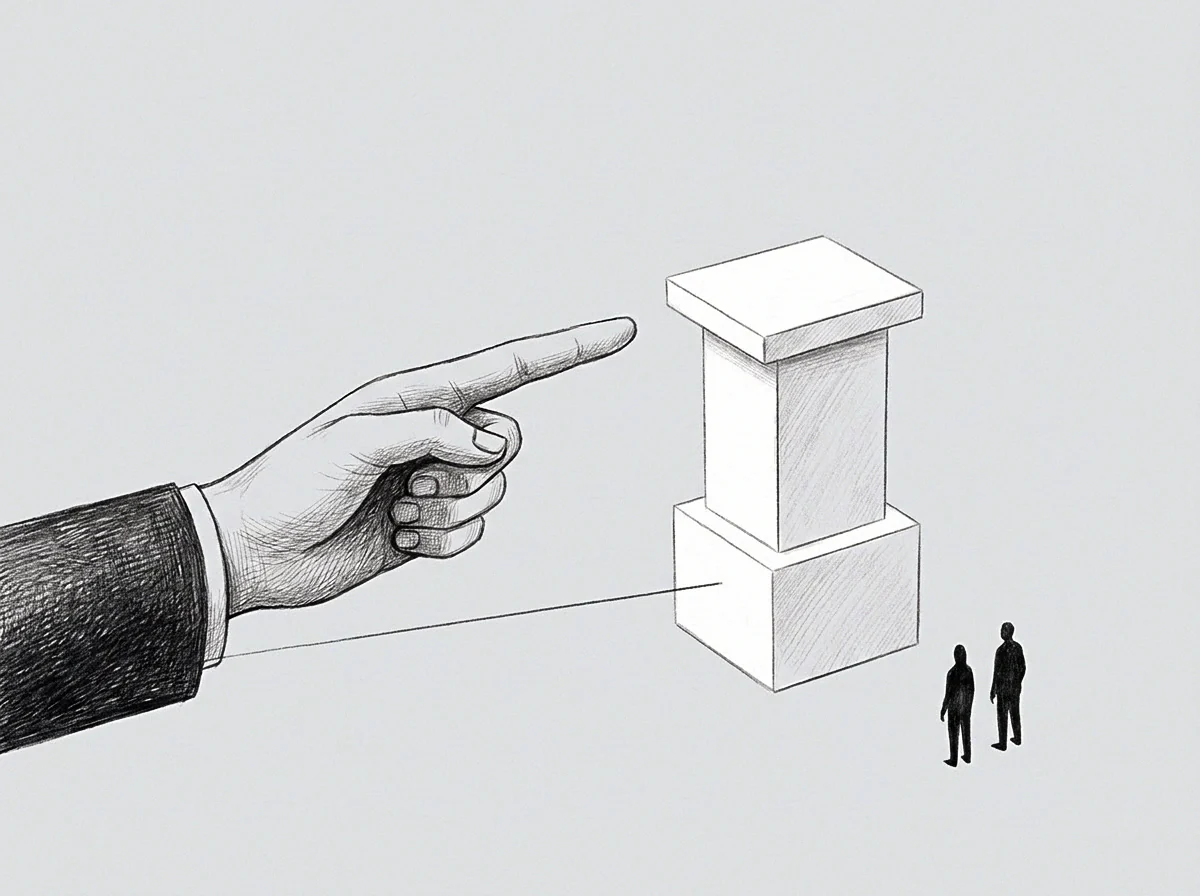
An urgent operational message arrives at midnight, lighting up a personal terminal with an unbuffered notification about an ongoing client dispute. The executive sits up in bed, reading four simultaneous responses in a shared channel while elevated cardiac pacing begins instantly. No operational triage layer sits between the incoming escalation and the executive seat.
The panic of an entire department lands directly inside one person’s nervous system without dampening, translation, or structural delay.
In organizations that lack explicit communication buffers, operational anxiety travels frictionlessly from the point of origin straight to executive leadership. Sympathetic nervous system activation triggers immediately upon reading unmediated threat signals. Epinephrine release accelerates heart rate, elevates systemic blood pressure, and suppresses digestive and immune function.
The signal passes unbuffered. When operational triage is absent, executive physiology becomes the shock absorber for the entity’s collective instability.
Direct Transmission of Operational Panic
Organizational structures frequently pass raw anxiety directly to leadership through real-time communication channels, open messaging groups, and ungated escalation paths. A missing supplier delivery, a sudden client complaint, or a minor revenue dip is broadcast instantly to the executive seat without contextualization or proposed remediation. The executive nervous system processes every unbuffered ping as an immediate operational survival event.
The body pays.
Repeated exposure to unbuffered organizational panic forces the sympathetic nervous system into continuous hypervigilance. Cortisol levels remain elevated long after business hours close, disrupting the natural diurnal curve needed for metabolic recovery. The physical desk becomes an arena of perpetual threat response, where the body remains prepared for physical exertion while sitting motionless in a chair.
Operational panic entering an unbuffered seat converts immediately into sympathetic activation.

Sympathovagal Imbalance at the Executive Desk
Autonomic regulation relies on a dynamic equilibrium between sympathetic excitation and parasympathetic recovery. High vagal tone enables rapid heart rate deceleration following a crisis, restoring physiological baseline states once an operational threat resolves. Unbuffered organizational anxiety prevents this restoration by delivering continuous micro-stressors that keep parasympathetic braking mechanisms suppressed throughout the workday.
Vagal tone drops.
Continuous sympathetic dominance impairs executive prefrontal cortex functioning, compromising working memory, cognitive flexibility, and emotional regulation. The physiological cost manifests as reduced decision-making clarity, increased irritability, and a diminished capacity to handle complex structural trade-offs. Unbuffered operational escalation creates chronic sympathetic activation, eroding executive autonomic headroom and forcing early cognitive exhaustion across leadership teams.
Wear
Long-term executive performance under continuous unbuffered organizational stress produces cumulative physiological strain known as allostatic load. The autonomic nervous system adapts to constant regulatory demand by altering baseline physiological set points, maintaining elevated systemic pressure and stress hormone concentrations even during quiet operating periods. The resting baseline shifts.
Over months and years, this adaptive effort damages cardiovascular tissues, alters metabolic efficiency, and degrades long-term autonomic flexibility.
Physiological monitoring of executives operating without organizational buffers reveals distinct markers of autonomic exhaustion. High-frequency heart rate variability, an established index of parasympathetic cardiac control, declines steadily across extended high-stress tenures. Simultaneously, nocturnal recovery metrics fail to return to baseline levels, indicating that the autonomic nervous system remains engaged in active stress processing during sleep windows.
Allostatic Overload and Vagal Tone Suppression
Allostatic overload occurs when cumulative regulatory demand exceeds the body’s structural capacity for recovery. The root mean square of successive differences in heart rate intervals drops significantly, signaling severe parasympathetic withdrawal. Without strong parasympathetic braking during non-REM sleep cycles, cellular repair processes slow, systemic inflammation increases, and arterial stiffness rises.
The night carries load.
Chronic vagal tone suppression alters neural circuits regulating stress sensitivity, creating a state where minor operational deviations produce disproportionate physiological arousal. The executive experiences persistent physiological tension regardless of actual business risk. Over time, this autonomic dysregulation accelerates cardiovascular aging and increases the statistical incidence of metabolic syndrome among senior leaders.
Suppressed nocturnal heart rate variability indicates chronic allostatic overload long before self-reported exhaustion appears.

Differentiating Systemic Throttling from Affective Depression
Executives operating at maximum allostatic load often exhibit behavior mischaracterized as clinical depression or emotional disengagement. Reduced initiative, flat emotional affect, and avoidance of novel projects represent systemic throttling, a physiological defense mechanism deployed by an overburdened autonomic nervous system to prevent total physical failure. The system throttles down.
The body deliberately restricts energy expenditure to protect core physiological functions when regulatory headroom reaches zero.
Misreading systemic throttling as psychological burnout or lack of commitment leads organizations to apply ineffective interventions, such as motivational coaching or increased accountability metrics, which add incoming load to an already saturated autonomic capacity. Proper clinical and organizational differentiation relies on physiological variables rather than self-reported mood states. A nocturnal root mean square of successive differences reading below twenty milliseconds establishes chronic autonomic dysregulation, altering executive decision latency and blunting physiological stress recovery.
Thread
Executive cognitive and autonomic capacity operates under strict concurrency limits, dictated by the number of open organizational threads demanding active monitoring. An open thread represents an unresolved operational tension, an ambiguous strategic choice, or an unmanaged interpersonal conflict across the executive team. Each open thread consumes a discrete slot in working memory and maintains a baseline level of autonomic tension.
The open loop stays.
When Does Organizational Noise Become Autonomic Strain?
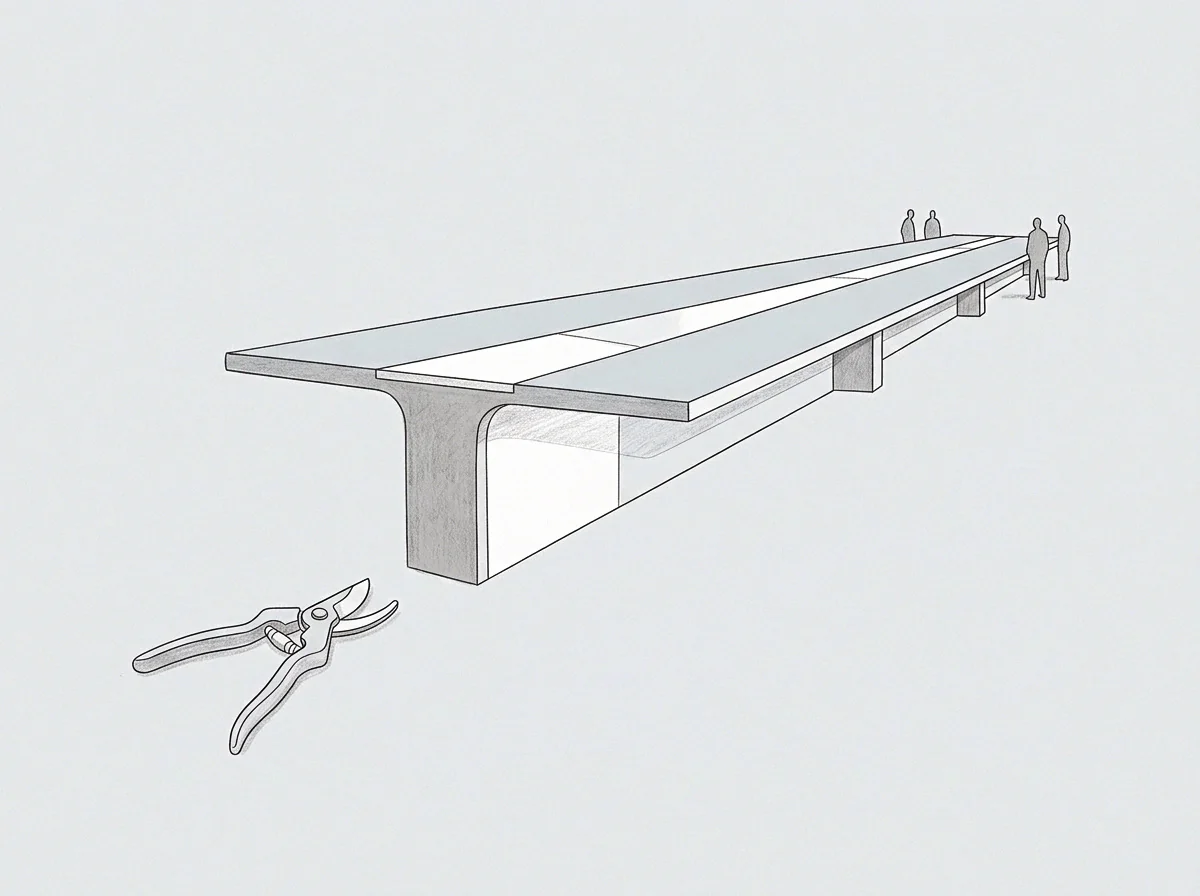
Organizational noise transforms into physiological strain when communication channels remain ungated by scope, terms, and resolution timelines. When an executive receives continuous updates about ongoing problems without clear delegation bounds, every notification re-opens an incomplete cognitive loop. The brain holds these unresolved loops in active status, keeping autonomic arousal elevated as if the threat required immediate physical intervention.
The total weight of open loops determines executive physiological strain far more than the objective difficulty of strategic tasks. A single unmanaged operational crisis with indefinite boundaries costs more autonomic headroom than ten complex, highly structured strategic projects with clear milestone dates. The capacity shrinks.
Ungated Loops and Concurrency Limits
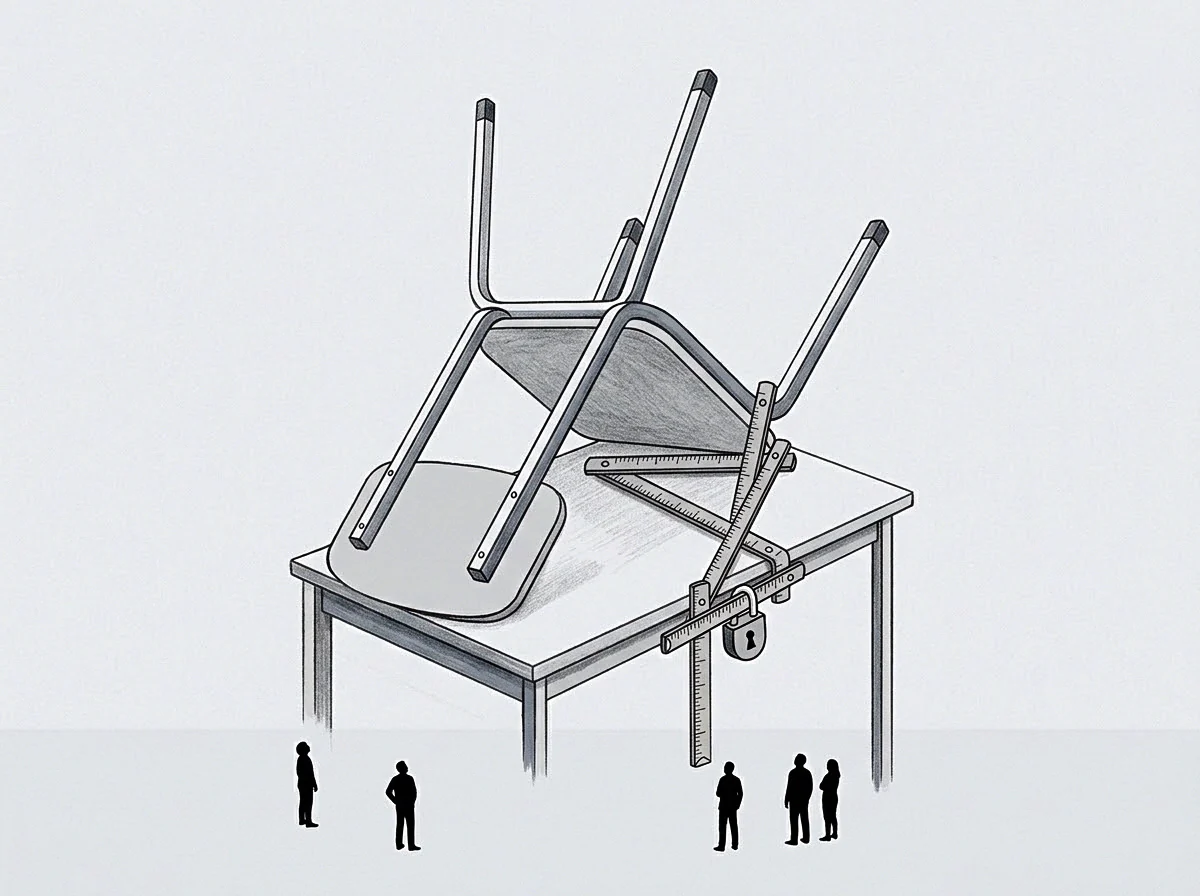
Holding multiple ungated threads forces continuous context switching, escalating the metabolic cost of mental work. Glucose utilization in the prefrontal cortex spikes during rapid switching, hastening cognitive fatigue and lowering autonomic self-regulation thresholds. The executive’s ability to maintain calm under pressure deteriorates rapidly as available concurrency slots fill up.
- Elevated Resting Heart Rate persistent elevation of resting cardiac pulse during low-demand working hours indicating continuous sympathetic tone.
- Suppressed Nocturnal RMSSD reduction in root mean square of successive differences during non-REM sleep cycles showing parasympathetic failure.
- Blunted Diurnal Cortisol loss of the sharp morning cortisol awakening response coupled with abnormally high evening cortisol concentration.
- Cognitive Slot Saturation inability to process novel operational information due to complete occupancy of working memory slots by open loops.
- Motor Restlessness involuntary physical manifestations of systemic strain including muscle tension, shallow thoracic breathing, and persistent tremor.
When executive concurrency limits are reached, incoming organizational communication triggers immediate defensive responses, such as abrupt deferrals, emotional withdrawal, or impulsive sign-offs designed solely to clear the notification. The executive appears distant during urgent operational updates, delaying critical approvals while claiming capacity is intact.
An ungated message arriving after operational hours consumes an autonomic slot until terms are assigned.

Shelf
Comparing executive performance across different organizational architectures reveals how structural buffering directly protects long-term autonomic regulation. In unbuffered environments, organizational anxiety flows unimpeded into executive seats, consuming autonomic headroom and driving high turnover or physical exhaustion. Conversely, buffered architectures utilize dedicated operational layers, explicit communication protocols, and clear triage gates to absorb routine operational noise before it reaches executive decision-makers.
| Autonomic State Variable | Unbuffered Operating Model | Buffered Operating Model | Multi-Year Autonomic Outcome |
|---|---|---|---|
| Sympathovagal Balance | Continuous Sympathetic Dominance | Dynamic Autonomic Flexibility | Preserved Vagal Tone and Stress Resilience |
| Nocturnal HRV Recovery | Suppressed RMSSD Below 20ms | Elevated RMSSD Above 45ms | Restored Parasympathetic Sleep Cycles |
| Concurrency Slot Load | 8 to 15 Ungated Open Loops | 2 to 4 Gated Strategic Threads | Sustained Prefrontal Working Memory Capacity |
| Diurnal Cortisol Slope | Flattened Curve with Evening Spikes | Normal Awakening Response and Drop | Protected Metabolic and Cardiovascular Function |
| Data reflects continuous physiological monitoring across multi-year executive tenures under contrasting structural models. | |||
Buffered architecture prevents raw operational distress from entering executive working memory, allowing leadership to maintain low baseline autonomic arousal during routine execution. The executive retains physiological headroom to absorb major strategic shocks without entering allostatic overload. The slot empties.
Executives operating within buffered systems demonstrate higher heart rate variability, lower systemic inflammation markers, and superior long-term strategic output over multi-year tenures. Organizational communication channels that bypass triage mechanisms consume executive parasympathetic capacity regardless of message importance.
Structural dampening of organizational noise preserves parasympathetic headroom during multi-year operating horizons.
Anchor
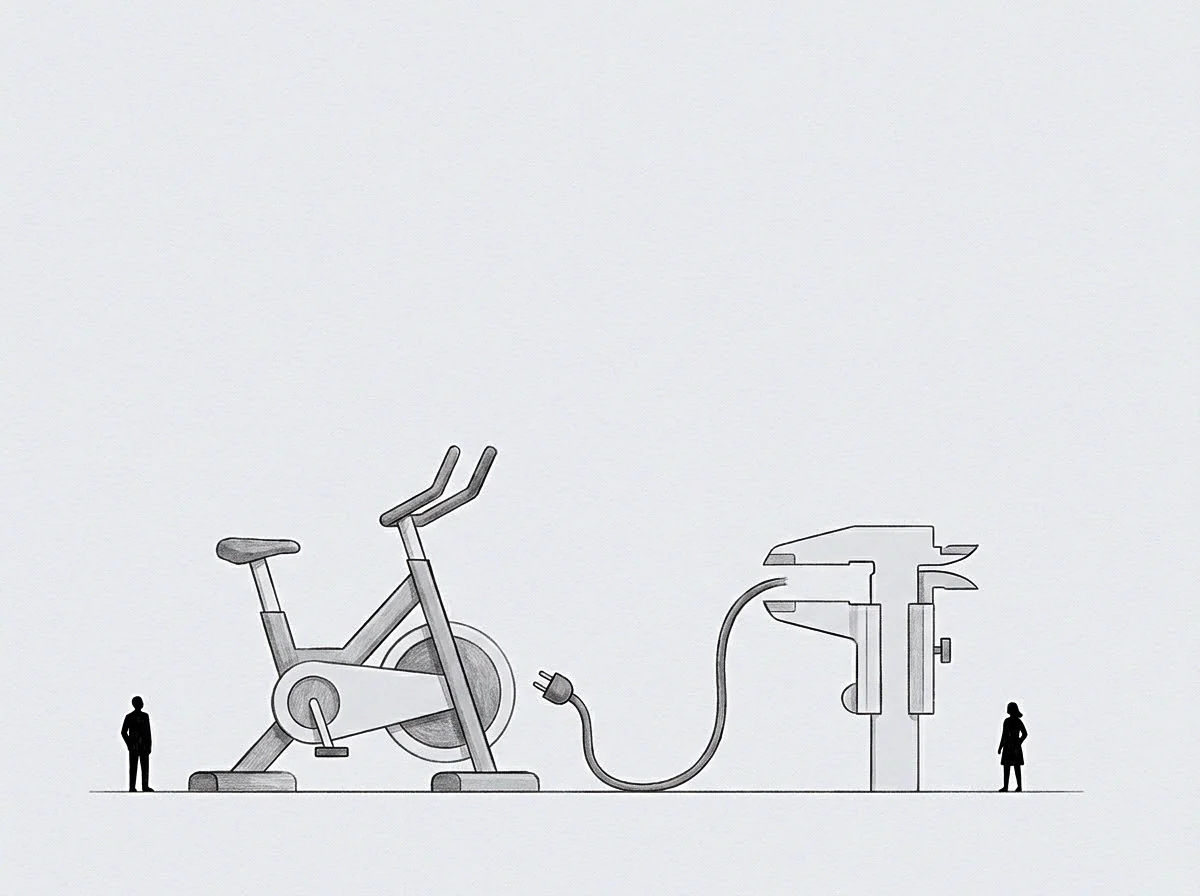
Mitigating the physiological cost of organizational anxiety demands structural gating mechanisms that filter incoming operational signals before they reach the executive seat. Gating is not personal emotional boundary setting; it is an organizational engineering move that enforces operational triage, defines communication parameters, and limits active concurrency slots. The structural move protects autonomic regulation by converting ungated noise into structured, time-bound decisions.

Structural Buffers for Autonomic Headroom
Establishing explicit terms, scope, and target resolution dates for every internal escalation transforms open loops into parked threads. Parked threads do not consume active working memory or drive continuous sympathetic activation. The executive knows the issue is tracked within an operational boundary, allowing parasympathetic recovery mechanisms to engage during non-working hours.
The slot closes.
- Operational Triage Layers: Implement mandatory screening mechanisms where senior managers process and contextualize routine department escalations before executive notification.
- Asynchronous Communication Windows: Restrict real-time messaging channels to critical operational emergencies, shifting routine strategic updates to batch-processed asynchronous documents.
- Explicit Loop Termination: Assign definitive owner roles, resolution criteria, and decision deadlines to every active operational initiative upon inception.
- Mandatory Recovery Windows: Enforce strict off-grid periods during evening hours to allow parasympathetic cardiac regulation and nocturnal autonomic recovery.

Restoring Parasympathetic Baseline Recovery
Restoring executive autonomic function after prolonged allostatic load demands continuous adherence to structural buffering protocols. As ungated inputs drop, baseline sympathovagal balance slowly resets, permitting heart rate variability metrics to rebuild over several months. The physiological floor drops.
Parasympathetic rebound occurs as nocturnal sleep cycles recover their restorative capacity.
Long-term executive sustainability depends on treating autonomic headroom as a finite operational asset rather than an infinite psychological resource. Organizations that systematically buffer their leadership protect decision quality, preserve strategic continuity, and prevent premature executive breakdown. Whether long-term autonomic dysregulation sustained over multi-year executive tenures leaves permanent vascular alterations after the operating seat is vacated remains an unresolved clinical question.